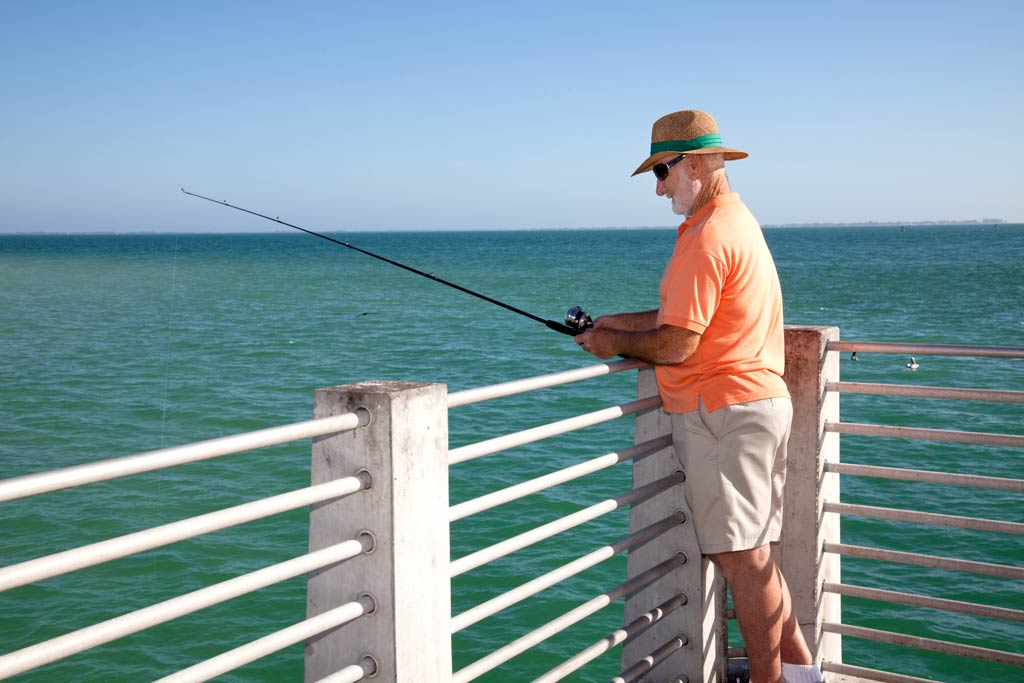
Are you ready to elevate your pier fishing game? Choosing the right size rod can be the difference between a thrilling catch and a day of frustration.
Imagine the excitement of feeling that tug on your line, knowing you’re equipped with the perfect rod to handle it. You don’t want to be stuck with a rod that’s too short or too flimsy when that big fish bites, do you?
By understanding the importance of rod size, you’ll be able to maximize your fishing success and enjoy every moment on the pier. Dive into this guide to discover how to select the perfect rod size for your next pier fishing adventure, ensuring a successful and satisfying experience every time. Keep reading to unlock the secrets of expert anglers!

Credit: fishingbooker.com
Choosing Rod Length
Picking the right rod length is important for pier fishing. The rod length affects how you cast and control the fish.
You want a rod that fits your fishing style and the conditions on the pier.
Short Vs Long Rods
Short rods are easier to handle and better for crowded piers. They give more control when fighting fish close to the pier.
Long rods help you cast farther and reach deeper water. They offer better line control for long casts but can be harder to manage in tight spaces.
- Short rods: 5 to 7 feet, good for close range and control
- Long rods: 8 to 12 feet, better for long casts and distance
Ideal Lengths For Pier Fishing
The ideal rod length depends on the pier size and the type of fish you want to catch. Medium-length rods are often the best choice.
Rods between 7 and 9 feet provide a good balance of casting distance and ease of use on most piers.
- 7 feet rods for easy handling and shorter casts
- 8 to 9 feet rods for longer casts and bigger fish
Impact On Casting Distance
Longer rods usually cast farther because they give more leverage. This helps you reach deeper water from the pier.
Short rods limit casting distance but are easier to control in windy conditions or small spaces.
- Long rods increase casting distance by 10 to 20 feet
- Short rods are better for accuracy and fast line retrieval
- Choose rod length based on how far you need to cast
Selecting Rod Power
Choosing the right rod power is key for pier fishing success. Rod power means how strong the rod is.
This guide covers light, medium, and heavy power rods. You will learn how to match rod power to fish size and water conditions.
Light Power
Light power rods bend easily and feel sensitive bites. They work well for small fish like perch and small bass.
Medium Power
Medium power rods balance strength and flexibility. They suit a wide range of fish such as redfish, flounder, and larger bass.
Heavy Power
Heavy power rods are strong and stiff. Use them for big fish like sharks, large catfish, or strong saltwater species.
Matching Power To Target Species
| Rod Power | Target Species | Typical Fish Weight |
| Light | Perch, Small Bass, Trout | 1-5 lbs |
| Medium | Redfish, Flounder, Medium Bass | 5-15 lbs |
| Heavy | Sharks, Large Catfish, Big Saltwater Fish | 15+ lbs |
Handling Strong Currents
Strong currents push against your fishing line. You need rod power that can hold the line steady.
- Choose medium or heavy power rods in strong currents.
- Use heavier line to avoid breakage.
- Keep a firm grip to control the rod.
- Cast upstream to let the bait move naturally.
Rod Action Types
Choosing the right rod action is important for pier fishing. Rod action affects how the rod bends and feels. This influences your casting, hook setting, and fish fighting.
There are three main rod actions: fast, medium, and slow. Each has unique benefits for different fishing conditions. Understanding these helps you pick the best rod size and action.
Fast Action
Fast action rods bend mostly near the tip. They are stiff in the lower part of the rod. This design gives quick hook sets and strong control over fish.
For pier fishing, fast action rods help cast longer distances. They also make it easier to feel light bites on the line. These rods suit anglers who want quick response.
Adjust fast action rods by using lighter lures in calm conditions. In windy or rough water, heavier lures help keep control and accuracy.
Medium Action
Medium action rods bend more toward the middle. They offer a balance between sensitivity and power. This makes them versatile for many pier fishing setups.
- Good for casting various lure weights
- Offers better fish fighting without breaking the line
- Allows for smoother hook sets
- Works well in changing weather or water conditions
Adjust medium action rods by changing line strength or lure size. Lighter lines and lures improve sensitivity. Heavier ones add power for bigger fish.
Slow Action
Slow action rods bend from the handle to the tip. They absorb the force of a fish’s pull well. This reduces the chance of the hook pulling out.
| Benefit | Explanation |
| Better for small or shy fish | Soft bending keeps fish hooked without spooking |
| Good for light lines and baits | Rod flex matches light tackle weight |
| Less casting distance | Rod stores less energy for long casts |
Adjust slow action rods by using lighter line and smaller hooks. Use in calm conditions or when fish are cautious. Avoid heavy lures to keep rod response smooth.
Material Choices
Choosing the right rod material affects your pier fishing experience. Different materials offer unique benefits. Understanding these helps you pick the best rod.
Material affects how the rod feels, its strength, and how easy it is to handle. Let’s explore popular options and their traits.
Graphite Vs Fiberglass
Graphite rods are light and sensitive. Fiberglass rods are heavier but tougher. Both have pros and cons for pier fishing.
- Graphite:Offers quick response to bites.
- Fiberglass:Better for rough handling and strong fish.
- Cost:Graphite rods often cost more.
Durability And Sensitivity
| Material | Durability | Sensitivity |
| Graphite | Moderate | High |
| Fiberglass | High | Moderate |
Fiberglass rods resist damage well. They handle bumps and drops better. Graphite rods feel more vibrations. They help detect small bites.
Weight Considerations
Weight affects comfort during long fishing sessions. A lighter rod reduces arm fatigue. Heavier rods may offer more control.
| Material | Typical Weight | Comfort Level |
|---|---|---|
| Graphite | Light | High |
| Fiberglass | Heavy | Moderate |
Line And Reel Compatibility
Choosing the right rod size for pier fishing depends on line and reel compatibility. This balance helps you cast better and handle fish more easily.
Using the right rod, line, and reel together can improve your fishing experience. Each part should match the others well.
Matching Rod With Line Strength
Your rod must match the line strength to avoid breakage or poor control. Check the rod’s recommended line weight on the label.
- Light rods work best with 6 to 12-pound test lines.
- Medium rods fit 12 to 20-pound test lines.
- Heavy rods suit 20 to 30-pound test lines or more.
- Using a line too strong or too weak can hurt your fishing.
Best Reel Types For Pier Fishing
Reels must match your rod size and fishing style. Here are common reel types used for pier fishing.
| Reel Type | Best Rod Size | Advantages |
| Spinning Reel | Light to Medium | Easy to use, good for beginners |
| Spincast Reel | Light | Simple, low maintenance |
| Baitcasting Reel | Medium to Heavy | Good control and power |
Ensuring Smooth Casting
Smooth casting helps you reach farther and avoid tangles. Pay attention to these tips.
- Match the reel spool size with your rod length.
- Use a line that fits the reel’s capacity and rod’s strength.
- Keep the reel clean and lubricated to reduce friction.
- Practice your casting technique to prevent line twists.
Credit: finntrail.com
Common Mistakes To Avoid
Choosing the right rod size is important for pier fishing. Many anglers make mistakes that affect their catch.
This guide explains common errors and how to avoid them for better fishing results.
Using Incorrect Rod Size
Using a rod that is too long or too short can cause problems. A long rod may be hard to control. A short rod can limit your casting distance.
- Too long rods tire your arms quickly.
- Too short rods reduce casting range.
- Light rods break easily with big fish.
- Heavy rods can be hard to handle.
Overlooking Environmental Factors
Ignoring weather and pier conditions leads to poor rod choice. Wind and pier height change what rod works best.
| Condition | Recommended Rod Length | Reason |
| Windy | Longer (10-12 ft) | Better casting distance |
| Calm | Medium (8-10 ft) | Easy control |
| High pier | Longer (10-12 ft) | Reach farther water |
| Low pier | Shorter (7-8 ft) | Less rod bending |
Ignoring Fish Behavior
Different fish need different rod strength and length. Not matching your rod to the fish can cause lost catches.
Consider these fish and rod size matches:
- Small fish: Light rod (6-7 ft)
- Medium fish: Medium rod (7-9 ft)
- Large fish: Heavy rod (9-12 ft)
Tips For Maximizing Catch
Choosing the right rod size for pier fishing helps improve your chances of catching fish. Using the correct setup gives better control and comfort while fishing.
This guide covers how to adjust your rod for weather, improve casting, and keep your rod in good shape.
Adjusting Rod Setup For Weather
Weather conditions change how you should set up your fishing rod. Wind, rain, and temperature all affect rod performance.
- Use a stiffer rod in strong wind to control your line better.
- Choose a longer rod on calm days for longer casts.
- In rain, pick rods with corrosion-resistant guides.
- Adjust your reel drag for colder weather to prevent line breaks.
Techniques For Better Casting
Good casting techniques help place your bait where fish are likely to bite. Proper casting also reduces line tangles and fatigue.
| Technique | Tip |
| Grip | Hold the rod firmly but not tight to feel the bite. |
| Back Cast | Make a smooth backward motion to load the rod. |
| Forward Cast | Release the line as you bring the rod forward quickly. |
| Follow Through | Let the rod tip point at the target after the cast. |
Maintaining Your Rod
Taking care of your rod keeps it working well for many fishing trips. Regular maintenance prevents damage and improves performance.
- Rinse your rod with fresh water after saltwater fishing.
- Check guides for cracks or rust and replace if needed.
- Store the rod in a cool, dry place away from sunlight.
- Loosen the reel drag before storing to protect the line.
Credit: www.gulfshores.com
Frequently Asked Questions
What Rod Length Is Best For Pier Fishing?
A rod between 7 to 9 feet is ideal for pier fishing. It offers good casting distance and control. This length helps manage various fish sizes and sea conditions effectively.
Which Rod Power Suits Pier Fishing?
Medium to medium-heavy power rods work best for pier fishing. They provide enough strength to handle larger fish. This power range balances sensitivity and durability for pier anglers.
What Rod Action Is Recommended For Pier Fishing?
Moderate to fast action rods are preferred for pier fishing. They offer quick hook sets and good control. This action helps in detecting bites and fighting fish efficiently.
Should I Use A Spinning Or Casting Rod For Pier Fishing?
Spinning rods are generally better for pier fishing. They are easier to cast and handle lighter lures. Spinning setups suit most pier fishing techniques and skill levels.
Conclusion
Choosing the right rod size makes pier fishing more fun and effective. A medium to medium-heavy rod usually works best. It helps you handle different fish and cast far. Too small or too big rods can cause problems. Remember, comfort matters a lot too.
Pick a rod that feels good in your hands. This way, you enjoy fishing longer and catch more fish. Try different sizes to find what suits you. Happy fishing!