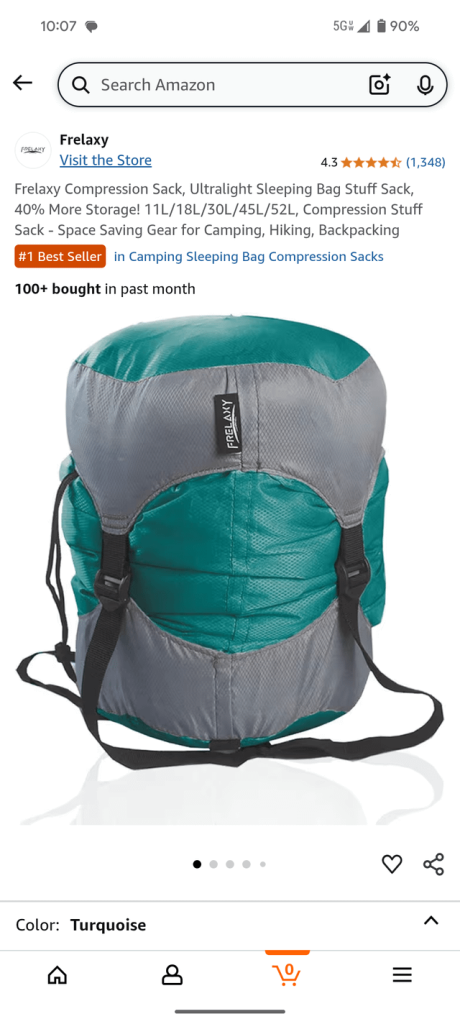
Choosing the right size stuff sack for your sleeping bag might seem simple, but it can make a big difference on your next trip. If your sack is too small, you’ll struggle to pack your bag, and it might get damaged.
Too big, and you’ll waste valuable space in your backpack. You want a sack that fits perfectly, keeps your sleeping bag protected, and makes your packing easier. Keep reading to find out exactly how to pick the perfect size stuff sack for your sleeping bag and make every outdoor adventure smoother.
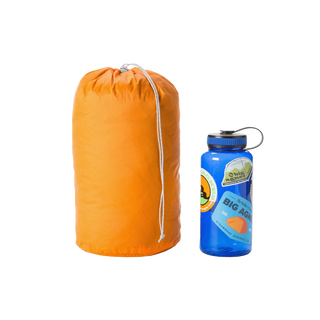
Credit: eu.bigagnes.com
Choosing Stuff Sack Sizes
Choosing the right stuff sack size for your sleeping bag makes packing easier. It helps keep your gear organized and compact.
Stuff sacks protect your sleeping bag from dirt and damage. The right size saves space in your backpack.
Common Stuff Sack Dimensions
Stuff sacks come in many sizes. They usually match small, medium, or large sleeping bags.
- Small sacks: about 10 x 15 inches (25 x 38 cm)
- Medium sacks: about 12 x 18 inches (30 x 46 cm)
- Large sacks: about 14 x 22 inches (35 x 56 cm)
These sizes fit most sleeping bags but check your bag’s packed size. Some bags need extra large sacks.
Factors Influencing Size Selection
Pick a stuff sack size based on your sleeping bag type and how you pack it. Some bags compress more than others.
Consider these factors when choosing a size:
- Sleeping bag volume when compressed
- Material thickness and insulation type
- How much extra space you want for accessories
- Weight limits of your backpack
Choosing a sack too small can damage your sleeping bag. A sack too big wastes space.
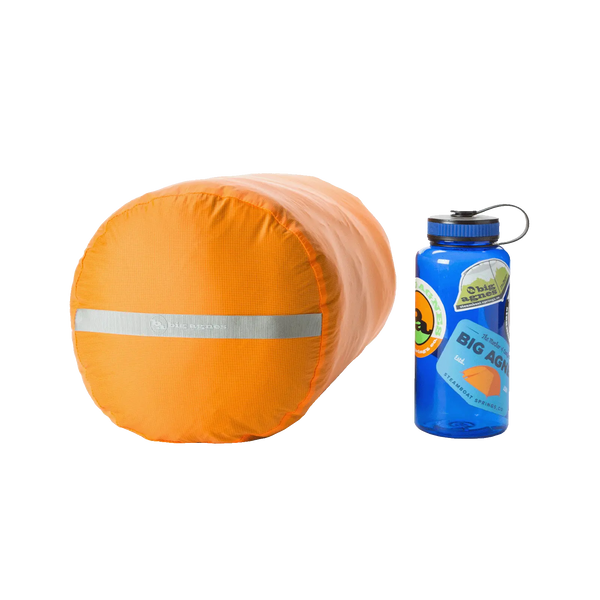
Credit: eu.bigagnes.com
Sleeping Bag Types And Their Sizes
Choosing the right size stuff sack for your sleeping bag is important. Different sleeping bag types have different sizes and shapes.
Let’s explore the sizes for mummy, rectangular, and double sleeping bags.
Mummy Bags
Mummy bags are tapered at the feet and wider at the shoulders. They are designed for warmth and efficiency.
These bags often require smaller stuff sacks due to their compact design. They can fit into stuff sacks ranging from 8 to 15 liters.
Rectangular Bags
Rectangular bags offer more room to move around. They are less compact than mummy bags.
These bags usually need larger stuff sacks. Sizes range from 15 to 30 liters, depending on the insulation material.
Double Sleeping Bags
Double sleeping bags are designed for two people. They are the largest and require the biggest stuff sacks.
These bags can fit into stuff sacks ranging from 30 to 50 liters. Their size depends on insulation and added features.
Matching Stuff Sacks To Sleeping Bags
Choosing the right stuff sack size is important for your sleeping bag. A good match keeps your bag protected and easy to carry.
Stuff sacks come in different sizes and styles. Knowing the difference helps you pick one that fits your sleeping bag well.
Compression Vs Regular Sacks
Compression sacks squeeze your sleeping bag to make it smaller. They save space in your backpack.
Regular sacks do not compress the bag much. They keep the sleeping bag’s shape and protect it from dirt.
- Compression sacks reduce volume by tightening straps
- Regular sacks are simpler and often lighter
- Use compression sacks for backpacking and tight spaces
- Choose regular sacks for storage or casual trips
Volume And Shape Considerations
Measure your sleeping bag’s packed size before buying a sack. The sack should fit well without too much extra space.
Round sacks fit most sleeping bags, but some bags have unusual shapes. Check if the sack shape matches your bag’s shape.
- Volume should be slightly larger than your bag’s packed size
- Too small sacks damage your sleeping bag’s insulation
- Too large sacks add unnecessary bulk
- Look for sack shapes that match your bag’s design

Credit: www.reddit.com
Materials Impacting Sack Size
The material of a stuff sack affects its size and weight. Some fabrics compress more than others. Choosing the right material helps keep your sleeping bag compact and light.
Understanding fabric types will help you pick a sack that fits your needs. This guide looks at lightweight fabrics and the trade-offs between durability and weight.
Lightweight Fabrics
Lightweight fabrics reduce bulk and weight. They compress well but may be less tough. Common options include nylon and polyester. These fabrics allow for a smaller, lighter sack.
- Ripstop nylon: strong and light, resists tearing
- Silnylon: silicone-coated nylon, waterproof and lightweight
- Polyester: less stretch, dries quickly
- Dyneema composite fabric: very light and strong but costs more
Durability And Weight Trade-offs
Durability often means heavier fabric. Thicker sacks last longer but take more space. Lighter sacks save weight but can wear out faster. Balance is key for the right size and life span.
| Material | Weight | Durability | Compressibility |
| Ripstop Nylon | Light | High | Good |
| Silnylon | Very Light | Medium | Excellent |
| Polyester | Medium | Medium | Good |
| Dyneema Composite | Ultra Light | High | Excellent |
| Canvas | Heavy | Very High | Poor |
Packing Techniques For Better Fit
Packing your sleeping bag correctly makes a big difference. It helps save space and protects the bag’s insulation. Choosing the right stuff sack size is important for a good fit and easy carrying.
This guide covers two common packing methods and how to use compression straps well. These tips will help you pack efficiently and keep your gear safe.
Rolling Vs Stuffing
Rolling and stuffing are two ways to pack a sleeping bag. Rolling keeps the bag neat and flat. Stuffing is faster and keeps the insulation fluffy. Both methods work but have different space needs.
- Rolling:Lay the bag flat, fold it, and roll tightly. This method fits well in longer, narrow sacks.
- Stuffing:Push the sleeping bag loosely into the sack. This protects the insulation better and fits in wider sacks.
- Choose sack size:For rolling, pick a sack slightly longer than the rolled bag. For stuffing, choose a sack that fits the bag’s full volume without tight compression.
Using Compression Straps Effectively
Compression straps help reduce the size of your packed sleeping bag. Using them right keeps the bag tight and saves space. Over-tightening can damage the insulation, so balance is key.
| Tip | Description |
| Loosen straps before packing | Make it easier to place the bag inside the sack without extra force. |
| Tighten straps gradually | Compress the bag evenly, avoiding pressure on one spot. |
| Check insulation | Ensure the bag still feels soft and puffy after tightening. |
| Use adjustable straps | Adapt the compression level to different bag sizes and shapes. |
Tips For Maintaining Sleeping Bag Longevity
Choosing the right size stuff sack for your sleeping bag helps keep it safe. Proper care extends your bag’s life. Simple habits protect its insulation and fabric.
Keep your sleeping bag fluffy and warm by storing it well. Avoid damage from squeezing or dirt. Follow easy steps to maintain your gear.
Proper Storage Practices
Store your sleeping bag loosely in a large cotton or mesh sack. Avoid tight stuff sacks for long-term storage. Keep it dry and away from sunlight.
- Use a large storage sack, not the small stuff sack
- Keep in a cool, dry place with good airflow
- Avoid storing near heat or direct sunlight
- Hang or lay flat if possible to keep loft
Avoiding Overcompression
Do not compress your sleeping bag for long periods. Overcompression breaks down insulation and reduces warmth. Use the stuff sack only during travel.
- Stuff sack size should allow gentle compression, not tight packing
- Use larger sacks or storage bags at home
- Fluff your sleeping bag after every trip
- Give it time to air out before packing again
Popular Stuff Sack Brands And Sizes
Choosing the right stuff sack helps protect and compress your sleeping bag. Different brands offer various sizes and features. This guide covers popular brands and their size options.
Knowing what size works best can make packing easier. Below are top brands and their common stuff sack sizes.
Top Brands Overview
Many outdoor gear brands make stuff sacks. Some focus on lightweight designs, while others add durability or water resistance. Here are some popular brands:
- Sea to Summit
- REI Co-op
- Osprey
- Therm-a-Rest
- Granite Gear
These brands offer a range of sizes to fit small to large sleeping bags. Material quality and closure types also differ.
Size Recommendations By Brand
Each brand has size options suited for different sleeping bag volumes. Use the table below to compare typical sizes and volume ranges.
| Brand | Small (Liters) | Medium (Liters) | Large (Liters) |
|---|---|---|---|
| Sea to Summit | 8-10 | 12-15 | 18-22 |
| REI Co-op | 7-9 | 11-14 | 16-20 |
| Osprey | 6-8 | 10-13 | 15-19 |
| Therm-a-Rest | 5-7 | 9-12 | 14-18 |
| Granite Gear | 7-10 | 12-16 | 17-21 |
Pick a sack size that fits your sleeping bag comfortably. Too small can compress insulation. Too large adds bulk.
Frequently Asked Questions
What Size Stuff Sack Fits A Standard Sleeping Bag?
A medium stuff sack, around 20-30 liters, fits most standard sleeping bags. Check your bag’s packed size for accuracy. Using a sack slightly larger than the compressed bag allows easier packing and protects the sleeping bag’s insulation.
How To Choose The Right Stuff Sack Size?
Measure your sleeping bag’s compressed dimensions. Choose a stuff sack that matches or slightly exceeds these measurements. Ensure the sack offers enough room to avoid over-compression, which can reduce insulation effectiveness and lifespan.
Can A Smaller Stuff Sack Damage My Sleeping Bag?
Yes, using a smaller sack can overly compress your sleeping bag. Over-compression damages insulation fibers, reducing warmth and lifespan. Always choose a sack size that comfortably fits your sleeping bag without forcing it in.
Are Oversized Stuff Sacks Bad For Sleeping Bags?
Oversized stuff sacks are not harmful but may increase pack size. They offer easier packing and reduce stress on the sleeping bag. Opt for a sack size that balances compactness and protection for best results.
Conclusion
Choosing the right stuff sack size makes packing easier and saves space. A sack too small can squeeze your sleeping bag, reducing warmth. Too large, and it adds unnecessary bulk to your gear. Find a sack that fits your bag snugly but not tightly.
This helps keep your sleeping bag protected and ready for your next trip. Remember, a good fit means better comfort and convenience on every adventure.