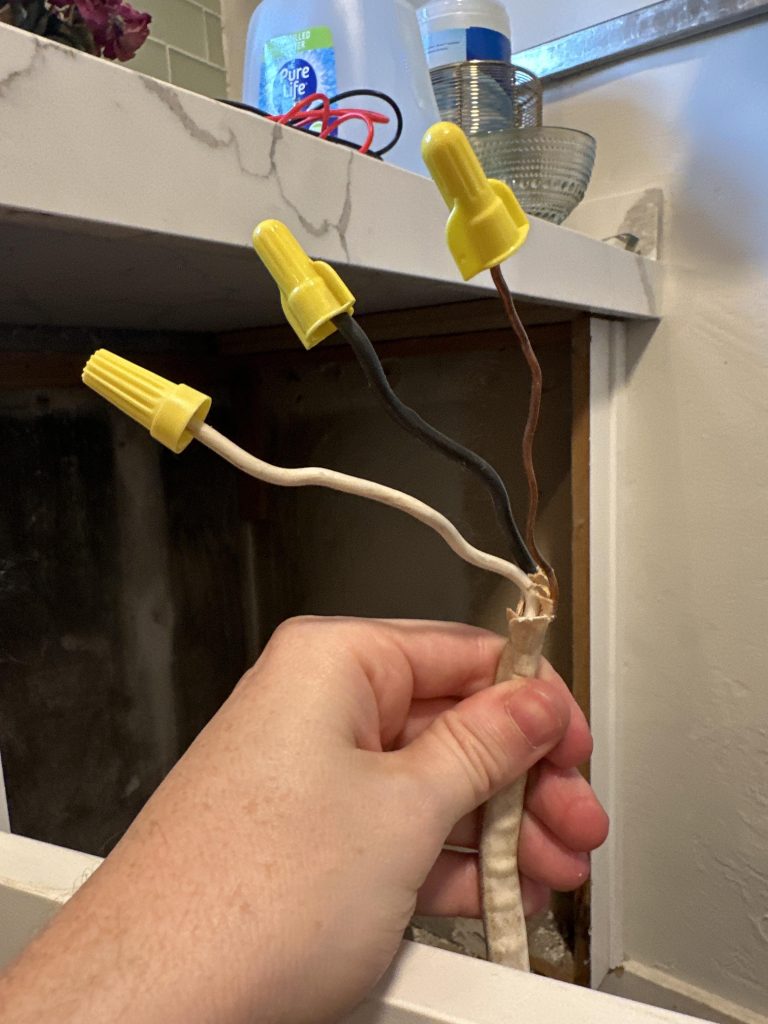
Are you installing a new dishwasher or replacing an old one? You might find yourself puzzled about what size wire to use.
Choosing the right wire size is crucial—not just for your dishwasher’s efficiency, but for your home’s safety too. Imagine the peace of mind knowing your appliance is running smoothly, without the risk of overheating wires or tripping breakers. In this guide, we’ll break down everything you need to know about selecting the perfect wire size for your dishwasher.
By the end, you’ll feel confident in making the right choice, ensuring both performance and safety. Let’s dive into the details that will help you make an informed decision.
Dishwasher Wiring Basics
Understanding dishwasher wiring basics is key for safe installation. Proper wiring ensures the appliance runs smoothly without electrical hazards. Electrical codes set clear rules for dishwasher wiring. Following these rules prevents damage and keeps your home safe.
Standard Dishwasher Electrical Requirements
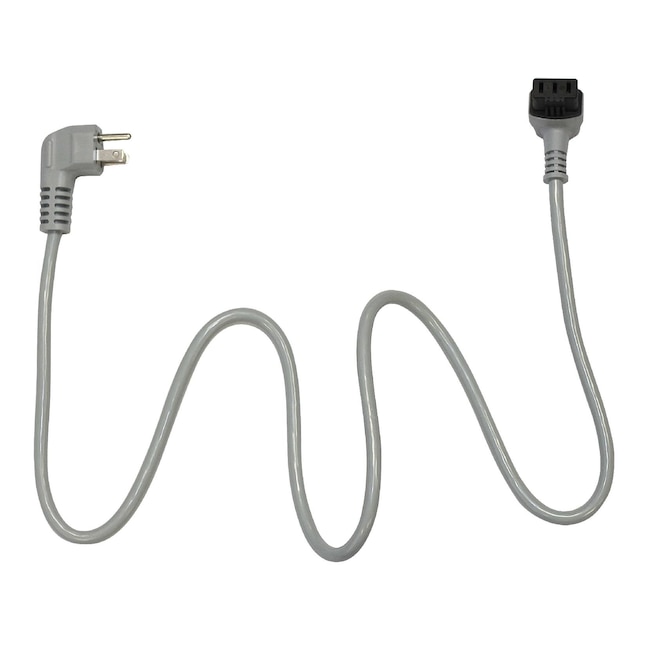
Most dishwashers need a 120-volt electrical supply. A dedicated circuit is important to avoid overloads. The circuit breaker usually should be 15 or 20 amps. The power cord or hardwired connection must match the circuit size. Grounding the dishwasher is mandatory to prevent shocks.
- 120 volts power supply
- Dedicated 15 or 20 amp circuit breaker
- Proper grounding wire
- Correct circuit breaker size for safety
Common Wire Types Used
Most dishwashers use 14 or 12 gauge wire. The choice depends on the circuit breaker size. For a 15 amp breaker, 14 gauge wire works well. For 20 amps, 12 gauge wire is better. Wire types include NM-B (non-metallic sheathed cable) or THHN for conduit use. Ground wires are usually bare copper or green insulated.
| Circuit Breaker | Wire Gauge | Common Wire Type |
|---|---|---|
| 15 Amps | 14 AWG | NM-B (14/2 with ground) |
| 20 Amps | 12 AWG | NM-B (12/2 with ground) |

Credit: www.lowes.com
Choosing The Right Wire Size
Choosing the right wire size for your dishwasher is crucial. It ensures safety and proper functioning. Using the wrong wire size can cause electrical problems or even fires. The wire size depends on the dishwasher’s power needs and installation setup. Understanding ampacity, distance, and model requirements helps select the correct wire gauge.
Ampacity And Wire Gauge
Ampacity is the maximum current a wire can carry safely. Each wire gauge supports a specific ampacity. Dishwashers typically need 15 to 20 amps. Common wire sizes for dishwashers are 14-gauge and 12-gauge wires. Use 14-gauge wire for 15-amp circuits and 12-gauge wire for 20-amp circuits. Choosing the correct wire gauge prevents overheating and power loss.
Impact Of Distance On Wire Size
Longer wire runs cause voltage drops. Voltage drops reduce dishwasher performance. Increase wire size for longer distances to reduce voltage drop. For runs over 50 feet, consider a thicker wire. Proper wire size keeps voltage stable and dishwasher working well.
Wire Size For Different Dishwasher Models
Dishwasher models vary in power needs. Check the manufacturer’s specifications for exact amperage. High-end or commercial models may require heavier gauge wire. Standard home dishwashers usually use 14 or 12-gauge wire. Matching wire size to model requirements ensures safe installation.
Electrical Codes And Safety Standards
Understanding electrical codes and safety standards is crucial when deciding on the right wire size for your dishwasher. These regulations ensure your installation is safe, reliable, and up to legal standards. Ignoring them can lead to costly repairs, electrical hazards, or failed inspections.
Nec Guidelines For Appliance Wiring
The National Electrical Code (NEC) sets the baseline rules for wiring household appliances like dishwashers. According to the NEC, dishwashers typically require a dedicated circuit with wire sizes based on the appliance’s amperage rating.
The most common wire size recommended by the NEC for dishwashers is 12-gauge wire paired with a 20-amp circuit breaker. However, if your dishwasher draws more power, a 10-gauge wire and a 30-amp breaker might be necessary.
Using the correct wire size prevents overheating and electrical fires. Have you ever wondered why some dishwashers trip breakers frequently? Often, it’s due to undersized wiring not meeting NEC standards.
Local Code Variations To Consider
While NEC provides a national framework, local electrical codes may have additional requirements. These can vary based on your city, county, or state regulations.
Before finalizing your wiring plan, check with your local building department or a licensed electrician. They might require specific wire types, insulation levels, or grounding methods that differ from the NEC.
Ignoring local variations can delay your project or cause compliance issues. Have you checked your local code lately? It’s a smart step that saves headaches later on.

Credit: www.reddit.com
Installation Tips For Safe Wiring
Wiring your dishwasher correctly is crucial for safety and performance. Mistakes during installation can lead to electrical hazards or appliance failure. Paying attention to how you ground, secure, and route wires can save you from costly repairs and potential dangers.
Proper Grounding Techniques
Grounding your dishwasher wire prevents electrical shocks and fires. Connect the ground wire directly to the green grounding screw or grounding terminal in your electrical box. If your dishwasher cord has a grounding wire, make sure it’s not twisted or damaged before attaching it securely.
Never skip the grounding step. A properly grounded dishwasher protects both your home and your family from stray electrical currents.
Securing And Routing Wires
Keep wires neat and out of the way to avoid damage and interference. Use cable clamps or wire staples to fasten wires along studs or joists, but don’t pinch or crush them. Routing wires away from heat sources and sharp edges prolongs their life and maintains safety.
Think about the future too—organized wiring makes troubleshooting and upgrades easier. A tangled mess under the sink can turn a simple fix into a nightmare.
Avoiding Common Wiring Mistakes
- Using the wrong wire gauge:Don’t guess—check your dishwasher’s manual for the recommended wire size.
- Ignoring local codes:Electrical codes vary by location, so verify yours before starting work.
- Skipping the disconnect switch:Installing a disconnect switch near your dishwasher allows for safer maintenance.
- Loose connections:Loose wires cause arcing and heat build-up; always double-check your terminals are tight.
Have you ever noticed flickering lights or tripped breakers when your dishwasher runs? That’s a red flag signaling wiring problems to fix immediately.
Troubleshooting Wiring Issues
Wiring issues in a dishwasher can cause serious problems. Incorrect wire size may lead to poor performance or safety risks. Identifying and fixing wiring problems ensures your dishwasher runs smoothly and safely. This section covers key points to troubleshoot wiring problems effectively.
Signs Of Incorrect Wire Size
- Dishwasher does not start or stops suddenly.
- Frequent tripping of circuit breakers.
- Wire insulation feels hot or melted.
- Visible sparks or burning smell near wires.
- Dishwasher runs slower or with low power.
Testing Wire Connections
Turn off the power at the circuit breaker before testing. Use a multimeter to check for proper voltage and continuity.
- Test voltage across wire terminals.
- Check for loose or corroded connections.
- Inspect wire insulation for damage.
- Verify grounding wires are securely attached.
Proper testing helps spot faulty wires or connections early.
When To Call A Professional
Complex wiring problems require expert help. Call a licensed electrician if you notice:
- Repeated breaker trips after repairs.
- Damaged wires hidden behind walls.
- Uncertainty about wire size or installation rules.
- Signs of electrical burning or smoke.
Safety is critical. Professionals ensure correct wire sizing and safe installation.
Credit: www.lowes.com
Frequently Asked Questions
What Wire Gauge Is Required For Dishwasher Installation?
Typically, a 12-gauge wire is used for dishwasher installation. This wire size safely handles the dishwasher’s electrical load. It complies with most local electrical codes and ensures efficient operation without overheating risks.
Can I Use 14-gauge Wire For My Dishwasher?
Using 14-gauge wire is generally not recommended. Dishwashers typically need 12-gauge wire for safety and code compliance. Using thinner wire may cause overheating and potential electrical hazards.
How Long Can The Dishwasher Wire Be Without Voltage Drop?
Keep the dishwasher wire length under 50 feet. Longer runs may cause voltage drop, affecting performance. If longer wiring is necessary, consider upsizing the wire gauge for safety.
Do Dishwashers Require A Dedicated Circuit Wire?
Yes, dishwashers must have a dedicated circuit. This prevents overloading and ensures safe operation. A dedicated 15 or 20-amp circuit with proper wiring is essential for dishwasher safety.
Conclusion
Choosing the right wire size keeps your dishwasher safe and working well. A 12-gauge wire usually fits most dishwashers. Always check your dishwasher’s manual for the exact requirements. Using the wrong wire size can cause electrical problems or fires. If unsure, ask a professional electrician for help.
Proper wiring saves money and prevents damage. Take time to do it right. Your dishwasher will run smoothly and safely. Simple steps make a big difference.