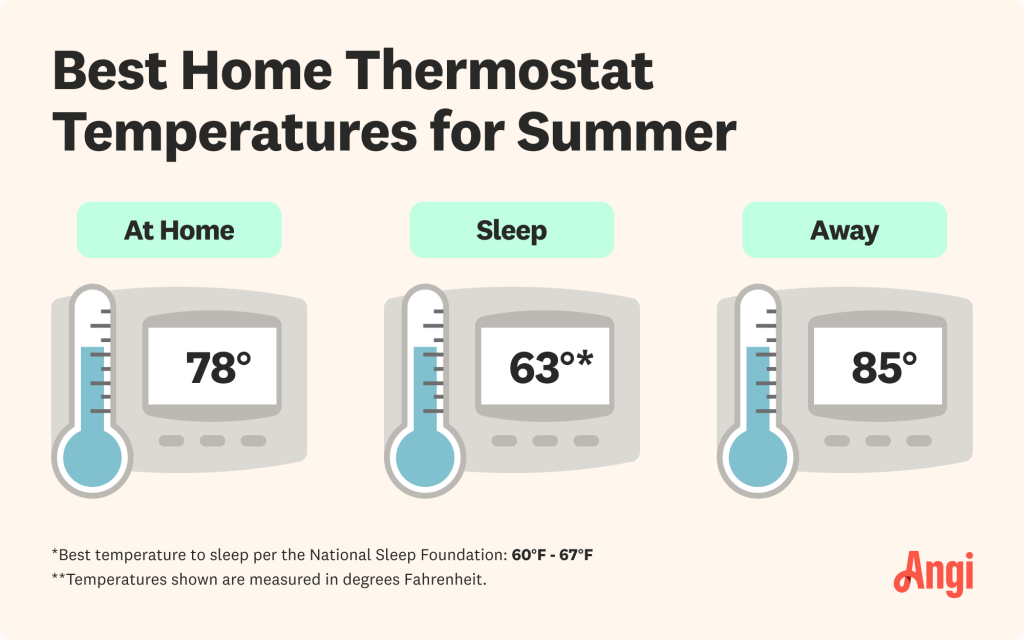
Are you constantly fiddling with your air conditioner settings, trying to find that perfect temperature? You’re not alone.
Many people wonder what temperature their air conditioner should be set to for optimal comfort and efficiency. Striking the right balance can save you money and keep you comfortable all summer long. We’ll dive into the ideal settings for your AC, ensuring you get the most out of your cooling system.
Discover how a simple tweak can transform your home environment and possibly cut down your energy bills. Keep reading to uncover the secrets to staying cool and cost-efficient!

Credit: www.reddit.com
Ideal Temperature Range
Setting the air conditioner at the ideal temperaturehelps balance comfortand energy use. A good range is usually between 72°F and 78°F. This range keeps the room cool without using too much electricity.
During hot days, set the AC closer to 78°Fto save energy. On cooler days, 72°Fgives a nice, cool feeling. Avoid setting it too low; that wastes power and can make the room too cold.
| Season | Recommended Temperature |
|---|---|
| Summer | 75°F to 78°F |
| Spring/Fall | 72°F to 75°F |
| Winter (if cooling) | 72°F to 74°F |
- Use a programmable thermostat for easy changes.
- Close windows and doors to keep cool air inside.
- Regular maintenance helps the AC run well.
Factors Influencing Temperature Choice
Room sizeaffects how much cooling is needed. A larger room needs a cooler setting to stay comfortable. Good insulationhelps keep cool air inside, so less cooling power is required.
The number of peoplein a room also changes the temperature setting. More people produce more heat, making the room warmer. Setting the air conditioner cooler helps balance this heat.
Humidity levelsimpact comfort too. High humidity makes the air feel hotter. Lowering the temperature helps remove moisture and cool the room better.
Energy Savings Tips
Using a programmable thermostatcan save energy by setting your AC to cool only when needed. Program it to raise the temperature when you are not home. This reduces unnecessary cooling and lowers your electric bill. Make sure to set it back before you return to a comfortable level.
Adjusting settings when awayhelps save power. Set your air conditioner to a higher temperature, around 78°F (25.5°C) or above, during the day if no one is home. This prevents the AC from working too hard and wasting energy. Remember to cool down the house before you come back.
Maintaining your air conditionerensures it runs efficiently. Clean or replace filters every 1-3 months. Check for leaks in ducts and seal them. Keep the outdoor unit free from debris and shade it from direct sun if possible. Proper maintenance can lower energy use and increase the unit’s lifespan.

Credit: www.healthkart.com
Health Considerations
Avoiding overcoolinghelps keep the body comfortable and healthy. Setting the air conditioner too cold can cause chills and dry skin. It may also lead to headaches or stiff muscles. A temperature around 75°F (24°C)is good for most people. This keeps the air fresh without feeling cold.
Managing allergies and respiratory issuesis easier with the right air conditioner settings. Cooler air with proper humidity helps reduce dust mites and mold growth. This lowers allergy symptoms like sneezing and coughing. Make sure to clean or change filters regularly. It keeps the air clean and healthy.
Smart Thermostats And Automation
Smart thermostatshelp keep your home comfortable and save energy. They learn your routine and adjust the temperature automatically. This means less hassle and lower bills.
They can connect with other home systems, like lights and security devices. This makes your home smarter and easier to control from one place. You can use your phone to change settings anytime, anywhere.
- Save energyby setting temperatures only when needed.
- Stay comfortablewith automatic adjustments.
- Control remotelythrough apps on your phone.
- Integrate easilywith other smart home devices.
Credit: heatable.co.uk
Common Mistakes To Avoid
Setting the air conditioner too low wastes energy and raises bills. It can also strain the unit, causing breakdowns. The ideal temperature is around 75°F (24°C). This saves energy and keeps the room comfortable.
Ignoring regular maintenance leads to poor cooling and higher costs. Filters get dirty and block airflow. This makes the AC work harder and use more power. Clean or replace filters every 1-2 months. Also, check the outdoor unit for dirt and debris. Regular care keeps the system running well and lasts longer.
Frequently Asked Questions
What Is The Ideal Temperature To Set An Air Conditioner?
The ideal AC temperature is typically 78°F (25. 5°C) for comfort and energy efficiency. This setting balances coolness with lower energy use, saving on electricity bills while keeping your space comfortable during hot weather.
How Does Temperature Setting Affect Energy Consumption?
Higher AC temperatures reduce energy use significantly. Setting your AC to 78°F instead of lower temps can cut cooling costs by up to 10%. This helps save money and reduces environmental impact without sacrificing comfort.
Should Air Conditioner Temperature Vary At Night?
Yes, raising the temperature by 2-3 degrees at night improves sleep comfort and saves energy. Cooler nights often require less cooling, so adjusting the thermostat helps maintain comfort and lowers electricity bills.
Can Setting Ac Too Low Cause Health Issues?
Setting the AC too low can cause dry skin, respiratory issues, and fatigue. Extreme cold settings may also increase the risk of colds or muscle stiffness. It’s best to keep temperatures moderate for health and comfort.
Conclusion
Setting your air conditioner to 78°F saves energy and keeps you comfortable. Cooler settings use more power and raise bills. Warmer settings help the environment and extend AC life. Adjust the temperature when you are home or away. Small changes make a big difference over time.
Stay cool, save money, and protect the planet. Your comfort and wallet will thank you.