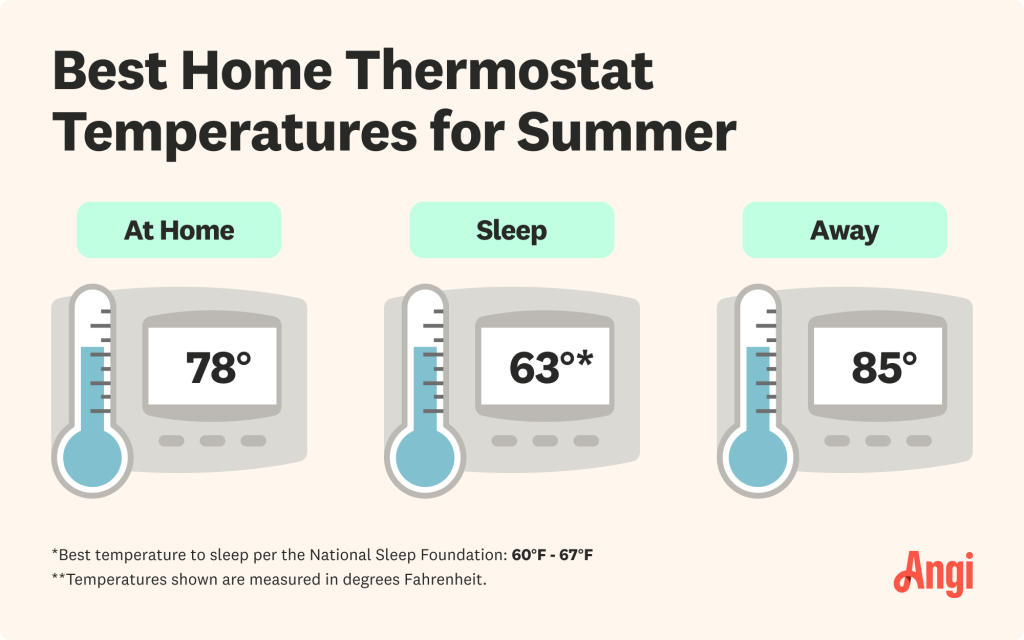
Are you unsure about the best temperature to set your air conditioner? Choosing the right setting can save you money, keep you comfortable, and even help the environment.
But what number should you aim for? Setting your AC too low might cool your room fast, but it can also spike your energy bills. Too high, and you won’t feel comfortable at all. You’ll discover the perfect balance that keeps your home cozy without wasting energy.
Keep reading to find out how a simple temperature change can make a big difference in your comfort and savings.
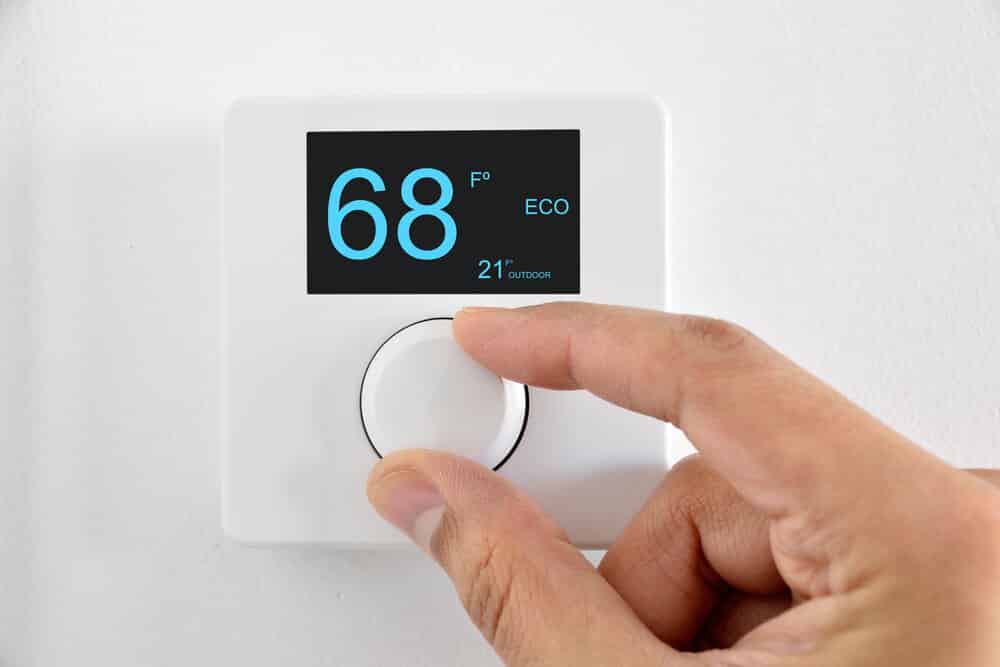
Credit: fischerheating.com
Ideal Temperature Range
Daytime Settingsfor air conditioners usually range between 72°F and 78°F. This range keeps the room cool but saves energy. Setting the temperature closer to 78°F helps lower your electric bill. Use a fan to help air move around. It makes the room feel cooler without lowering the temperature more.
Nighttime Adjustmentsshould be a bit warmer than daytime settings. Setting the AC between 75°F and 80°Fhelps your body sleep better. It also uses less power because your body cools naturally at night. Using a programmable thermostat can make these changes easy and automatic.
Energy Efficiency Tips
Setting your air conditioner to a temperature around 78°F (25-26°C)balances comfort and energy savings. This temperature keeps the home cool without using too much electricity.
Using programmable thermostatshelps save energy by adjusting temperatures automatically. They can raise the temperature when no one is home and cool down before you return.
- Set daytime temperature higher when away
- Lower temperature before arrival
- Use sleep mode to reduce cooling at night
- Keep blinds closed to block heat
These simple steps reduce your energy billwhile keeping your home comfortable.
Factors Affecting Temperature Choice
Humidity levelsaffect how cool a room feels. High humidity makes the air feel warmer, so set the air conditioner to a lower temperature to stay comfortable. In dry climates, a slightly higher temperature can still feel cool.
Room size and insulationmatter too. Larger rooms need cooler settings to maintain comfort. Well-insulated rooms keep cool air longer, so you can set the temperature a bit higher. Poor insulation means the air conditioner works harder.
Personal preferencesvary. Some people like it colder, while others prefer a warmer room. Adjust the temperature to suit your comfort but aim to save energy by avoiding very low settings.
Health Considerations
Avoiding overcoolinghelps prevent health problems like dry skin and sore throats. Set the air conditioner to a comfortable temperature, usually between 75°F and 78°F. Rapid temperature changes can cause headaches and chills. Keep the room temperature stable to protect your body.
Air quality and ventilationare important for health. Air conditioners can reduce humidity, but stale air may build up inside. Open windows sometimes to let fresh air in. Use air filters to keep dust and allergens low. Clean filters regularly to maintain good air flow and avoid breathing problems.
Seasonal Temperature Adjustments
Summer Settingsshould keep your air conditioner around 78°F (25.5°C). This temperature balances comfort and energy savings well. Setting it lower uses more electricity and raises bills. Using fans can help you feel cooler without lowering the AC temperature. Close blinds and windows to keep heat out. It reduces the AC workload and keeps rooms cooler.
Transition Periodslike spring and fall need different settings. During mild weather, set the AC to around 80°F (26.5°C)or turn it off when not home. Use natural ventilation if the air feels fresh. This saves energy and keeps your home comfortable. Adjust settings based on daily weather changes for best results.
Credit: heatable.co.uk
Common Myths About Ac Settings
Many believe setting the AC to a very low temperature cools faster. This is false. The AC cools at the same speed regardless of the setting. Setting it too low wastes energy and raises bills.
Some think turning off the AC saves more energy than raising the temperature. Actually, raising the temperature by a few degrees saves energy better than turning it off and on repeatedly.
- Setting the AC to 68°F does not cool a room faster than 75°F.
- Keeping the AC at a steady temperature uses less energy.
- Turning the AC off often makes the system work harder later.
- Using a programmable thermostat helps maintain comfort and save energy.

Credit: www.healthkart.com
Frequently Asked Questions
What Is The Ideal Air Conditioner Temperature Setting?
The ideal AC temperature is typically 78°F (25. 5°C). This balances comfort and energy efficiency, saving on electricity costs while keeping you cool.
How Does Temperature Setting Affect Energy Bills?
Lowering the AC temperature increases energy use and costs. Setting it around 78°F reduces power consumption and helps maintain reasonable utility bills.
Should Air Conditioner Be Set Differently At Night?
Yes, raising the temperature by 4-6 degrees at night saves energy. It also aligns with natural body cooling, enhancing sleep comfort.
Can Setting Ac Too Low Cause Problems?
Setting AC too low can cause high energy bills and strain the unit. It may also lead to uneven cooling and discomfort.
Conclusion
Setting your air conditioner to the right temperature saves energy and money. Aim for a balance between comfort and efficiency. A common choice is around 78°F (25-26°C) when you are home. Raise the temperature a few degrees when you leave.
This keeps your home cool without wasting power. Small changes make a big difference in your bills. Stay comfortable and help the environment at the same time. Remember, the best temperature depends on your personal comfort and weather. Adjust as needed to keep your home just right.