Are you wondering what temperature your air conditioner should be set at to stay comfortable without wasting energy? Finding the perfect balance can save you money and keep your home cool all day long.
You’ll discover the ideal AC settings that work for your comfort and your wallet. Keep reading to learn simple tips that make a big difference in how your air conditioner performs.
Ideal Temperature Range
Setting your air conditioner to the right temperature keeps your home comfortable. It also helps save energy and lowers bills.
The ideal temperature range depends on balancing coolness with efficiency. Most experts suggest a range that works well for most people.
Comfort And Efficiency Balance
Choose a temperature that feels good but does not waste energy. A setting too low uses more power and costs more money.
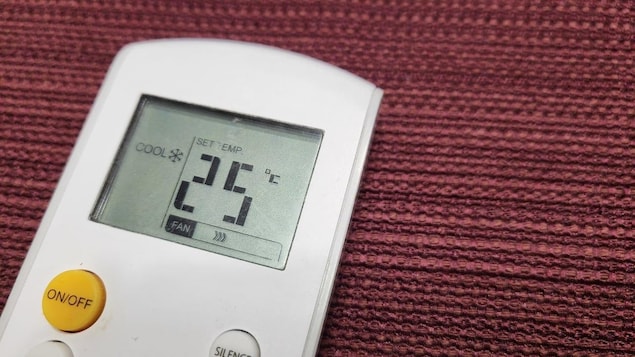
The best temperature for comfort and efficiency is usually between 75°F and 78°F (24°C to 26°C). This keeps you cool without overworking the air conditioner.
- Setting below 75°F uses extra energy
- Above 78°F may feel warm but saves power
- Use fans to help cool air and improve comfort
Seasonal Adjustments
Adjust your air conditioner temperature as seasons change. Warmer months need cooler settings, and cooler months can use warmer settings.
In summer, set between 75°F and 78°F. In spring and fall, you can raise the temperature a few degrees to save energy.
- Summer: 75°F to 78°F for comfort
- Spring/Fall: 78°F to 80°F saves energy
- Use a programmable thermostat for easy changes
Energy Savings Tips
Setting your air conditioner to the right temperature helps save energy. Small changes can lower your bills and keep your home comfortable.
Using your thermostat smartly during the day and night makes a big difference. Let’s look at easy ways to set it for saving energy.
Thermostat Settings For Day And Night
During the day, set your air conditioner to a higher temperature when you are not home. This reduces energy use. At night, you can lower the temperature slightly for comfort while sleeping.
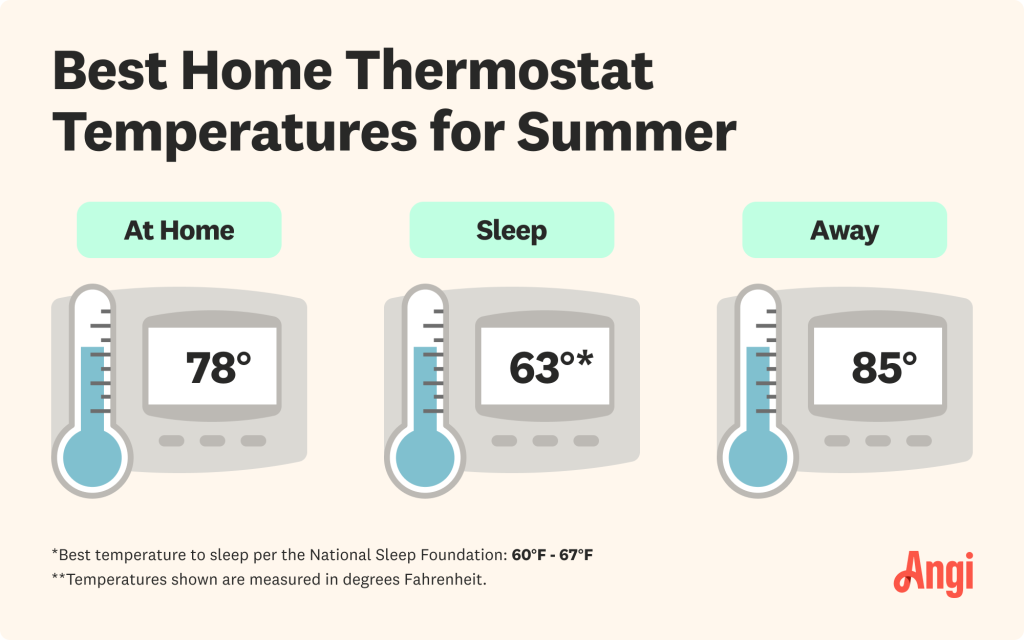
- Set thermostat to 78°F (26°C) while you are home during the day.
- Raise temperature to 85°F (29°C) when you leave the house.
- Lower temperature to 74°F (23°C) at night for better sleep.
- Use fans to help circulate air and feel cooler.
Using Programmable Thermostats
Programmable thermostats let you set different temperatures for different times. This saves energy by not cooling an empty house.
| Time | Recommended Temperature |
| Morning (6 AM – 9 AM) | 75°F (24°C) |
| Day (9 AM – 5 PM) | 85°F (29°C) |
| Evening (5 PM – 10 PM) | 78°F (26°C) |
| Night (10 PM – 6 AM) | 74°F (23°C) |
Health Considerations
Setting your air conditioner to the right temperature helps protect your health. It keeps the air fresh and avoids problems like allergies and cold stress.
Choosing a proper temperature also prevents damage to your home caused by moisture and mold growth.
Preventing Allergies And Mold
Air conditioners can reduce humidity, which stops mold and dust mites from growing. These allergens can cause sneezing, coughing, and other health issues.
- Keep the temperature above 72°F (22°C) to control moisture.
- Change air filters every 1-3 months to remove dust and allergens.
- Use a dehumidifier if your AC does not reduce humidity enough.
- Clean air vents regularly to stop mold buildup.
Avoiding Overcooling
Setting your AC too cold can cause dry skin, headaches, and respiratory problems. Overcooling also strains your body and wastes energy.
| Temperature Range | Health Effect | Comfort Tips |
| Below 68°F (20°C) | Dry skin, cold symptoms | Wear light layers indoors |
| 68°F to 75°F (20°C-24°C) | Balanced comfort and health | Use fans to circulate air |
| Above 75°F (24°C) | Possible heat discomfort | Increase ventilation |
Credit: fischerheating.com
Factors Influencing Settings
Choosing the right temperature for your air conditioner depends on several factors. These factors help keep your home comfortable and save energy.
Understanding these factors lets you adjust settings for the best cooling and efficiency.
Outdoor Climate Impact
The outside weather affects how you should set your air conditioner. Hotter days need cooler settings to keep indoor air comfortable.
In humid areas, lower temperatures may help reduce moisture inside. Cooler climates may require less cooling, saving energy.
- Hot climates need lower AC temperatures
- Humid weather benefits from cooler settings
- Mild weather allows higher temperature settings
- Season changes affect indoor cooling needs
Home Insulation And Airflow
Good insulation keeps cool air inside and hot air out. Poor insulation makes the AC work harder and use more energy.
Proper airflow helps spread cool air evenly. Blocked vents or closed doors reduce cooling efficiency.
- Well-insulated homes keep stable indoor temperatures
- Leaks and gaps let heat enter, raising cooling needs
- Clear vents improve air circulation and comfort
- Using fans can help move cool air around
Smart Thermostat Benefits
Setting your air conditioner to the right temperature saves energy and keeps you comfortable. Smart thermostats help you find the best settings without hassle.
These devices learn your habits and adjust settings automatically. They also let you control your AC from anywhere using your phone.
Adaptive Temperature Control
Smart thermostats use sensors and algorithms to adapt the temperature. They respond to changes in weather and your daily routine.
- Learn your preferred temperatures at different times
- Adjust cooling to save energy during low activity
- Keep your home comfortable without manual changes
Remote Access Features
You can control your air conditioner from anywhere using a smartphone app. This means you can adjust the temperature before you get home.
| Feature | Benefit |
| Mobile App Control | Change settings anytime, anywhere |
| Notifications | Receive alerts about temperature or system issues |
| Energy Reports | Track your energy use to save money |
Credit: heatable.co.uk
Common Mistakes To Avoid
Setting your air conditioner to the right temperature saves energy and keeps you comfortable. Many people make mistakes that waste power or hurt their AC unit. Learning what to avoid helps your system work well for a long time.
This guide shows common errors in air conditioner use. Avoid these to get the best cooling without extra costs or repairs.
Setting Too Low Temperatures
Setting your air conditioner too low can cause problems. It uses more electricity and makes your home too cold. Your AC works harder and wears out faster. Many think colder means better, but that is not true.
- Using very low temperatures increases energy bills.
- It strains the air conditioner and shortens its life.
- Too cold settings can cause uneven cooling in rooms.
- Cold air can make some people uncomfortable or sick.
- It may lead to moisture and mold problems inside.
Ignoring Maintenance Needs
Skipping regular maintenance reduces your AC’s efficiency. Dirt and dust block airflow and cause the unit to work harder. Parts can break down if not checked and cleaned often. This leads to high repair costs and bad air quality.
| Maintenance Task | Why It Matters | How Often |
| Change Air Filters | Keeps air clean and system efficient | Every 1-3 months |
| Clean Coils | Improves cooling and saves energy | Once a year |
| Check Refrigerant | Prevents leaks and poor cooling | Yearly |
| Inspect Ducts | Ensures no air leaks and proper flow | Every 2 years |
Credit: ici.radio-canada.ca
Frequently Asked Questions
What Temperature Should My Air Conditioner Be Set At?
The ideal air conditioner temperature is 78°F (25. 5°C) when you are home. This balances comfort and energy efficiency effectively.
How Does Setting Ac Temperature Affect Energy Bills?
Higher AC temperatures reduce energy use and lower bills. Each degree above 78°F can save up to 3-5% on cooling costs.
Should I Adjust Ac Temperature When Away?
Yes, set your AC to 85°F (29. 5°C) or turn it off when away. This saves energy without damaging the system.
Can Setting Ac Too Low Cause Problems?
Setting your AC too low strains the system, increasing wear and energy use. It can also cause uneven cooling and discomfort.
Conclusion
Setting your air conditioner to the right temperature saves energy and money. Aim for around 78°F (25°C) when you are home and need comfort. Raising the temperature a few degrees when away helps reduce bills. Remember, comfort and efficiency both matter.
Small changes make a big difference. Keep your AC clean and maintained for best results. Stay cool without wasting power. Your wallet and the planet will thank you.