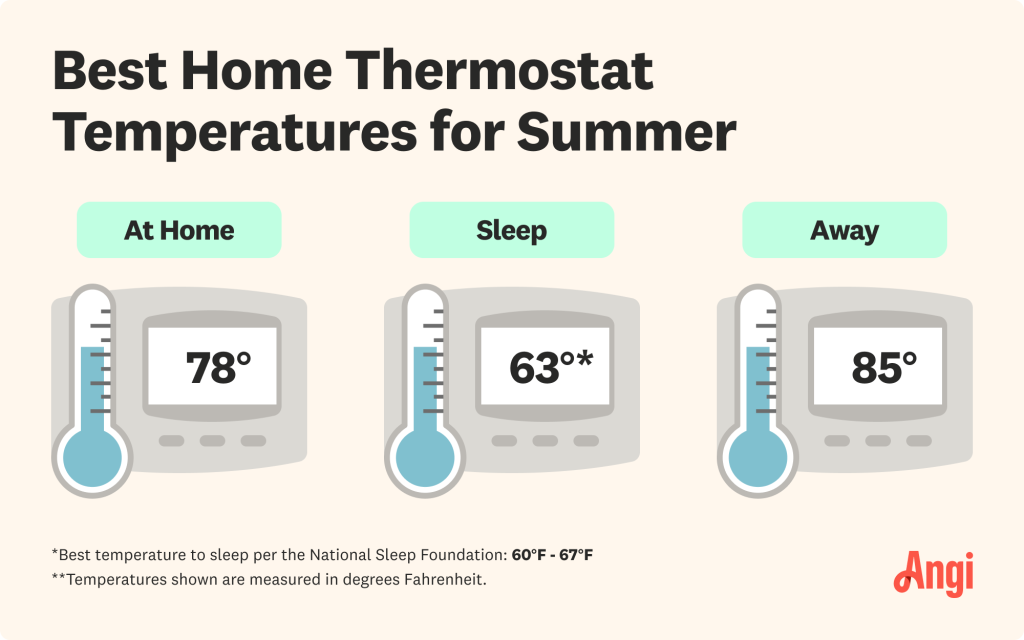
Are you struggling to find the perfect temperature for your air conditioner this summer? Setting your AC just right can make a huge difference—not only in how comfortable you feel but also in your energy bills.
Too cold, and you might end up paying more than necessary; too warm, and you won’t beat the heat effectively. You’ll discover the ideal temperature to keep your home cool, save money, and stay comfortable all season long. Keep reading to unlock simple tips that anyone can use to master their summer cooling!
Ideal Temperature Range
Setting the right temperature on your air conditioner keeps you cool in summer. It also helps save energy and lowers bills.
The ideal temperature balances comfort and energy use. It stops your home from feeling too cold or too warm.
Comfort And Energy Balance
Comfort means feeling cool without wasting energy. A good temperature keeps the air fresh and pleasant.
Setting the AC too low can make you cold and increase electricity use. Too high, and you may feel hot.
- Keep temperature between 24°C and 26°C (75°F to 78°F).
- This range cools well and saves energy.
- Adjust slightly based on your comfort needs.
Recommended Settings By Experts
Experts suggest setting your AC to 25°C (77°F) during the day. This saves energy and keeps you comfortable.
At night, raise the temperature a bit to 27°C (80°F). Your body cools down naturally while you sleep.
- Daytime setting: 25°C (77°F)
- Nighttime setting: 27°C (80°F)
- Use a fan to help air circulate.
- Close blinds to block sunlight.
Factors Influencing Temperature Choice
Setting the right temperature on your air conditioner in summer depends on several factors. These factors help you stay comfortable and save energy at the same time.
Understanding these factors lets you adjust your air conditioner to the best temperature for your needs.
Outdoor Climate Effects
The outdoor temperature and sun exposure affect how hard your air conditioner works. Hotter days mean your AC needs to cool more. Shade from trees or buildings can help keep the house cooler.
- High outdoor temperatures increase indoor heat.
- Direct sunlight warms indoor spaces quickly.
- Cloudy or shaded days may allow higher AC settings.
- Wind can help cool the house naturally.
Indoor Activities And Occupancy
The number of people and activities inside raise the indoor temperature. Cooking, using electronics, and exercising add heat. More people mean more body heat.
| Activity | Heat Added |
| Cooking | High |
| Watching TV or Computer Use | Medium |
| Exercise | High |
| Sleeping | Low |
Humidity Considerations
Humidity changes how warm or cool you feel. High humidity makes it feel hotter even at lower temperatures. Dry air feels cooler and more comfortable.
To manage humidity well, consider these tips:
- Use a dehumidifier if your AC doesn’t remove enough moisture.
- Keep windows closed during humid days.
- Set AC temperature slightly lower on humid days to feel comfortable.
Energy Saving Tips
Setting the right temperature on your air conditioner helps save energy. It also keeps your home comfortable during hot summer days.
Small changes in how you use your air conditioner can lower your electric bill. These tips focus on easy ways to save energy.
Using Programmable Thermostats
Programmable thermostats let you set different temperatures for different times of day. This helps avoid cooling when no one is home.
Set the thermostat higher when you are away. Lower it before you return so the house is cool on arrival.
- Set daytime temperature to 78°F (26°C) or higher when home
- Raise temperature by 7°F (4°C) or more when away
- Use automatic schedules to save energy without thinking
Nighttime Temperature Adjustments
At night, cooler outdoor air can help reduce the need for AC. Adjust your thermostat to save energy while you sleep.
Set your air conditioner to a higher temperature or turn it off if it feels comfortable. Use fans to circulate air.
- Set thermostat to 78°F (26°C) or higher at night
- Use ceiling or portable fans to stay cool
- Open windows if outdoor air is cooler than inside
Maintaining Your Air Conditioner
Regular maintenance keeps your air conditioner running efficiently. Clean parts use less energy and cool better.
Check and replace air filters often. Clear debris around the outdoor unit to help airflow.
- Clean or replace filters every 1-3 months
- Remove leaves and dirt near outdoor unit
- Schedule professional tune-ups once a year

Credit: www.reddit.com
Health And Comfort Tips
Setting the right temperature on your air conditioner keeps you healthy and comfortable. Too cold or too warm can cause discomfort or health problems.
We share simple tips to avoid overcooling and manage airflow to improve your indoor air quality.
Avoiding Overcooling
Keeping your air conditioner too cold can cause dry skin, sore throat, or headaches. It also wastes energy and raises bills.
- Set the temperature between 75°F and 78°F for comfort and energy saving.
- Avoid setting the AC below 72°F to prevent cold-related health issues.
- Use a programmable thermostat to adjust temperature when you are away.
- Wear light, breathable clothes inside to feel cooler without lowering temperature.
Managing Airflow And Ventilation
Good airflow and ventilation reduce indoor humidity and keep the air fresh. This helps your AC work better and protects your health.
| Tip | Reason |
| Keep windows slightly open | Allows fresh air to circulate |
| Use ceiling fans | Distributes cool air evenly |
| Clean or replace AC filters regularly | Improves air quality and AC efficiency |
| Close doors to unused rooms | Focuses cooling where needed |
Smart Thermostat Benefits
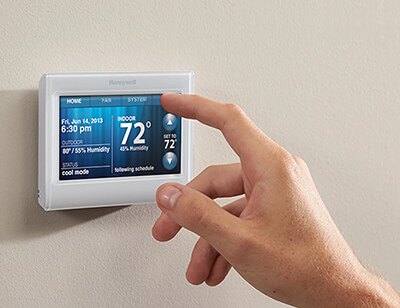
Setting the right temperature on your air conditioner saves energy and keeps you comfortable. Smart thermostats help manage your home’s temperature automatically.
These devices adjust cooling based on your habits and outside weather. They make summer air conditioning easier and more efficient.
Adaptive Temperature Control
Smart thermostats learn your schedule and adjust the temperature to save energy. They keep your home cool only when needed.
- Automatically lower cooling when no one is home
- Increase cooling before you return
- Adjust settings based on outdoor temperature
- Maintain consistent comfort without manual changes
Remote Monitoring And Control
You can control smart thermostats from your phone or tablet. This lets you change settings even if you are not at home.
| Feature | Benefit |
| Mobile App Control | Change temperature anytime, anywhere |
| Real-Time Alerts | Know if your system needs attention |
| Usage Reports | Track energy use and find savings |
| Voice Assistant Integration | Control thermostat with simple voice commands |
Credit: gulfshorecooling.com
Common Mistakes To Avoid
Many people make errors when setting their air conditioner temperature in summer. These mistakes can raise energy bills and reduce comfort. Avoiding them helps keep your home cool and saves money.
This guide explains common errors and how to fix them. Focus on correct temperature settings and regular maintenance for best results.
Setting Too Low Temperatures
Setting your air conditioner too low wastes energy and strains the unit. It can also cause uneven cooling and make rooms feel damp or cold.
- Do not set the temperature below 75°F (24°C).
- Aim for a comfortable temperature that balances cooling and energy use.
- Use a programmable thermostat to adjust settings during the day and night.
- Avoid sudden large temperature drops to protect the AC system.
Ignoring Maintenance
Neglecting air conditioner maintenance reduces efficiency and shortens its lifespan. Dust and dirt block airflow and make the system work harder.
| Maintenance Task | How Often | Benefit |
| Change air filters | Every 1-3 months | Improves air flow and air quality |
| Clean coils | Annually | Increases cooling efficiency |
| Check refrigerant levels | Yearly | Prevents system damage |
| Clear drainage channels | Yearly | Stops water leaks and mold growth |
Credit: fischerheating.com
Frequently Asked Questions
What Temperature Should I Set My Ac In Summer?
Set your AC between 75°F and 78°F for optimal comfort and energy efficiency. This range balances cooling with lower electricity costs. Adjust slightly based on personal comfort and humidity levels. Avoid setting temperatures too low to save energy and reduce wear on your unit.
How Does Ac Temperature Affect Energy Bills?
Lower AC temperatures increase energy consumption, raising your bills. Each degree below 78°F can boost energy use by about 6-8%. Setting your AC at an efficient temperature helps reduce costs while maintaining comfort. Proper temperature settings optimize both savings and cooling effectiveness.
Can Setting Ac Too Low Harm The Unit?
Yes, setting your AC too low makes it work harder, causing strain. This can lead to faster wear and potential breakdowns. Maintaining a moderate temperature prevents overuse and extends your AC’s lifespan. Proper use ensures efficient cooling without damaging the system.
Is 72°f A Good Temperature For Summer Ac?
72°F is cooler than recommended and can increase energy bills. It may cause discomfort due to excessive cold indoors. For energy savings and comfort, aim for 75°F to 78°F. Adjust only if necessary based on your specific heat tolerance.
Conclusion
Setting your air conditioner to around 78°F keeps you cool and saves energy. This temperature balances comfort and cost well. Lower settings use more power and raise bills. Higher settings might make you feel too warm. Adjust a bit if needed, but avoid big changes.
Using fans can help spread cool air better. Keep doors and windows closed to keep cool air inside. Regular maintenance keeps your AC working well. Stay comfortable and save money this summer with the right setting. Simple steps make a big difference.