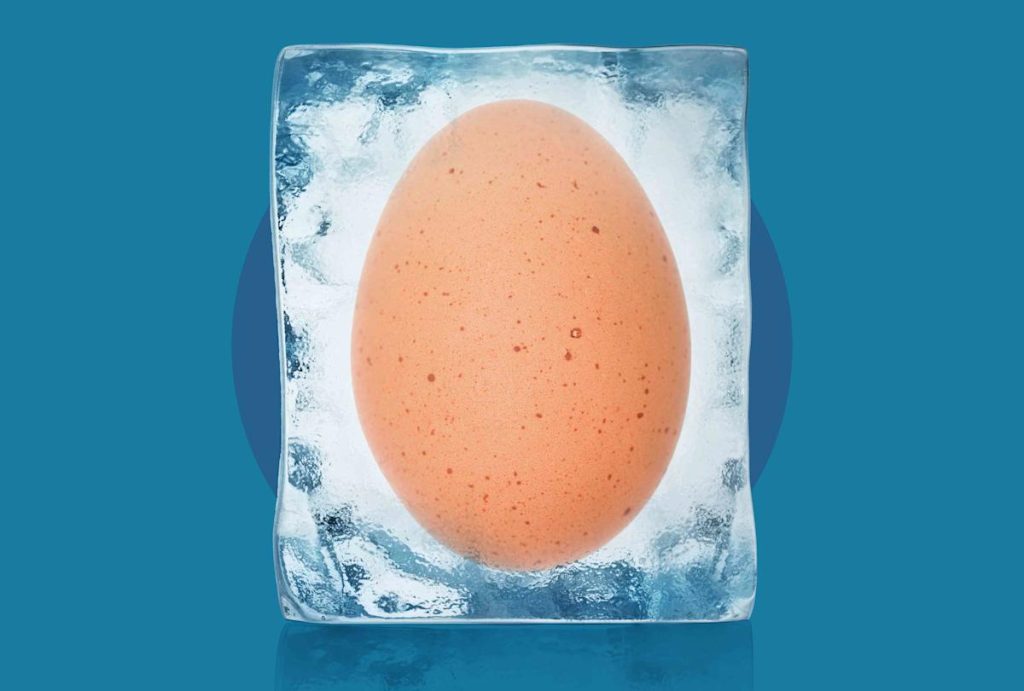
Ever wondered what happens to your eggs when the temperature drops? If you’re storing them in the fridge, you’re probably not worried about freezing.
But what if you accidentally leave them out in the cold or set your refrigerator too low? Knowing the precise temperature at which eggs freeze could save your breakfast plans and ensure your culinary creations come out just right. You might be surprised to learn that eggs have a specific freezing point, and understanding this can help you avoid unpleasant surprises.
Stick around, and you’ll discover the science behind it, practical storage tips, and how this knowledge can make your life easier and your meals tastier. Dive in to uncover the simple secret of keeping your eggs perfectly fresh!
Egg Freezing Point
Understanding the egg freezing point is essential if you want to preserve eggs properly or avoid ruining them accidentally in the freezer. Eggs don’t freeze like water because of their unique composition, which affects how and when they solidify. Knowing these details helps you handle eggs better in cooking, storage, and food safety.
Freezing Temperatures For Different Egg Components
Eggs are made up of several parts, each with its own freezing temperature:
- Egg white (albumen):Freezes around 30°F (-1°C).
- Egg yolk:Freezes at a lower temperature, roughly 28°F (-2°C), because of its fat content.
- Whole egg:The mixture freezes near 29°F (-1.5°C).
This difference is why whole eggs don’t freeze uniformly. The yolk’s fats make it more resistant to freezing compared to the watery egg white.
How Egg Structure Affects Freezing
The egg’s structure plays a big role in how it freezes and thaws. The egg white is mostly water and proteins, so it freezes faster and can become rubbery when thawed.
On the other hand, the yolk has fats and emulsifiers, which lower its freezing point and affect texture. If you freeze whole eggs in their shells, the liquid expands and can crack the shell, making a mess and risking contamination.
Have you ever cracked a frozen egg and found it watery or grainy? That’s because the freezing process disrupts the natural structure inside. To avoid this, crack eggs and beat yolks and whites together before freezing or freeze them separately in airtight containers.

Credit: grubblyfarms.com
Impact Of Freezing On Egg Quality
Freezing eggs can be a handy way to extend their shelf life, but it’s important to understand how this process affects their quality. You might notice differences in how the eggs feel and taste after freezing, which can impact your cooking results. Let’s look closer at what really happens when eggs freeze and thaw, so you can decide if freezing is right for your needs.
Changes In Texture And Taste
Freezing eggs causes water inside them to form ice crystals. These crystals can break down the egg’s structure, making the texture less smooth. Once thawed, egg whites often become watery, and yolks can turn thicker or gel-like.
Have you ever tried cooking scrambled eggs made from frozen ones? You might find they don’t fluff up as nicely as fresh eggs. The taste can also be slightly different—sometimes a bit bland or off—because freezing can dull the natural flavors.
Effects On Nutritional Value
Freezing eggs generally keeps most of their nutrients intact. Proteins, vitamins, and minerals don’t significantly degrade during freezing. However, slight losses in some sensitive nutrients like certain B vitamins can occur if eggs are stored for a long time.
One thing to remember is how you freeze them matters. Freezing eggs in their shells isn’t recommended because they can crack. Instead, crack them into a container and stir yolks and whites together before freezing to maintain better quality and nutrition.
Safe Egg Storage Temperatures
Knowing the right temperatures to store eggs can save you from food waste and health risks. Eggs are delicate and need careful handling to keep them fresh and safe. Understanding safe egg storage temperatures helps you decide whether to refrigerate or freeze your eggs for the best quality.
Refrigeration Vs Freezing
Refrigeration is the most common way to store eggs. Keeping them at or below 40°F (4°C) slows bacterial growth and keeps eggs fresh for weeks.
Freezing eggs requires different handling. The shells can crack and expand, so it’s better to crack eggs into a container before freezing. Eggs freeze solid at around 32°F (0°C), but freezing whole eggs in their shells is not recommended.
Have you ever tried freezing eggs in their shells? It usually leads to messy cracks and a loss of texture. Freezing eggs out of the shell and stirring them slightly before freezing prevents this problem.
Recommended Storage Durations
Refrigerated eggs typically stay fresh for 3 to 5 weeks. You can use the “float test” to check egg freshness—fresh eggs sink, older ones float.
Frozen eggs maintain quality for up to one year. Label your containers with the freezing date to avoid confusion.
| Storage Method | Temperature | Recommended Duration |
|---|---|---|
| Refrigeration | Below 40°F (4°C) | 3 to 5 weeks |
| Freezing (out of shell) | 0°F (-18°C) or lower | Up to 1 year |
What’s your current method for storing eggs? Trying these tips might extend their shelf life and improve your cooking results.

Credit: forksinthedirt.com
Tips For Freezing Eggs Properly
Freezing eggs is a smart way to extend their shelf life. Proper freezing keeps eggs fresh and safe for later use. Avoid common mistakes to protect the texture and flavor. Follow simple tips to freeze eggs correctly and enjoy them anytime.
Preparation Methods Before Freezing
Crack eggs into a clean bowl. Do not freeze eggs in the shell. Gently whisk yolks and whites together. Avoid overbeating, just mix until combined.
Add a pinch of salt or sugar to prevent yolks from thickening. Salt works well for savory dishes. Sugar is best if using eggs for baking.
Pour the mixture into ice cube trays or small containers. This allows easy portioning after freezing. Cover trays tightly with plastic wrap or lids.
Best Containers And Packaging
Choose airtight containers or freezer-safe bags. Prevent air exposure to avoid freezer burn. Label containers with the date and number of eggs.
Use small portions to thaw only what you need. Plastic ice cube trays work great for single servings. Transfer frozen cubes to freezer bags for space saving.
Seal bags tightly and remove excess air before freezing. Store eggs in the coldest part of the freezer. Avoid the freezer door to maintain steady temperature.
Thawing Frozen Eggs
Thawing frozen eggs requires care to keep their texture and safety intact. If done right, you can enjoy eggs just as fresh as before freezing. But rushing or using the wrong method can cause texture changes or even food safety issues.
Safe Thawing Techniques
Thaw eggs slowly to maintain quality and reduce bacterial risk. The best way is to move them from the freezer to the refrigerator and let them thaw overnight. This gentle process keeps the eggs safe and prevents sudden temperature changes.
If you need eggs faster, place the sealed container in cold water. Change the water every 30 minutes until thawed. Avoid thawing eggs at room temperature; this encourages bacteria growth and can spoil your eggs.
Have you ever noticed how eggs can get watery or rubbery after thawing? That usually happens when thawing is too quick or improper. Taking your time makes a big difference in how the eggs perform in recipes.
Using Thawed Eggs In Cooking
Once thawed, use eggs immediately or store them in the fridge for up to 24 hours. Thawed eggs work best in cooked dishes like baking, scrambled eggs, or omelets. Their texture might not be perfect for frying or poaching.
Try using thawed eggs in recipes where texture is less noticeable, such as cakes or muffins. The eggs blend well and provide the needed moisture and binding power. If you’re making something delicate, like a soufflé, fresh eggs are a safer bet.
How often do you freeze eggs for later use? Next time, test thawing them gently and watch how your dishes turn out. You might find that frozen eggs can be just as versatile as fresh ones if handled correctly.
Common Myths About Freezing Eggs
Many people hesitate to freeze eggs because of common myths that can cause confusion and unnecessary waste. Understanding the truth behind these myths helps you make better decisions about storing eggs safely and effectively. Let’s clear up some of the biggest misconceptions that might be holding you back.
Misconceptions About Egg Freshness
One widespread myth is that freezing eggs kills their freshness or quality instantly. Actually, freezing eggs halts the aging process, preserving their quality much like refrigeration but for a longer time.
Some believe that eggs must be used immediately after freezing, but properly frozen eggs can last several months without losing their usefulness for baking or cooking. If you’ve ever wondered why your eggs sometimes go bad quickly in the fridge, freezing could be a reliable option to extend their shelf life.
Many also think that only fresh eggs are worth freezing, but even eggs nearing their expiration date can be frozen safely to avoid waste. Have you ever thrown away eggs that were still okay? Freezing might save you from that frustration.
Clarifying Freezing Effects
Freezing eggs changes their texture, especially if frozen in their shells. The shells can crack due to expansion, so it’s better to crack eggs and freeze the contents in sealed containers or ice cube trays.
Some worry that freezing affects the taste or nutritional value of eggs, but the difference is minimal and hardly noticeable in cooked dishes. When I first tried freezing eggs, I was surprised that my scrambled eggs tasted just as good as fresh ones.
Another myth is that thawed eggs are unsafe to eat. As long as you thaw them in the refrigerator and use them promptly, they remain safe and reliable for cooking.

Credit: creativesimpleliving.com
Frequently Asked Questions
At What Temperature Do Eggs Freeze?
Eggs freeze at approximately 31°F (-0. 5°C). This is slightly below water’s freezing point due to their unique composition. Freezing causes the egg’s liquid to expand, which can crack the shell and alter texture.
Can Frozen Eggs Be Safely Eaten?
Frozen eggs can be eaten if properly thawed and cooked. However, freezing may change their texture and quality. It’s best to use frozen eggs in cooked dishes rather than raw.
How To Freeze Eggs Without Cracking Shells?
To freeze eggs without cracking, remove shells first. Beat whole eggs or separate yolks and whites. Store in airtight containers or freezer bags, then freeze. This prevents shell damage and maintains egg quality.
Does Freezing Affect Egg Quality And Taste?
Freezing can slightly change egg texture, making them less suitable for raw uses. Taste remains mostly unchanged when cooked. Proper storage helps preserve quality and flavor after freezing.
Conclusion
Eggs start to freeze at around 31°F (-0. 5°C). Freezing changes their texture and quality. Store eggs properly to keep them fresh longer. Avoid freezing whole eggs in shells; it can cause cracking. Instead, crack eggs and freeze them in containers.
Use frozen eggs mainly for cooking or baking. Knowing egg freezing helps reduce food waste. Keep your kitchen safe and your eggs tasty. Simple tips make egg storage easy and effective. Remember, temperature control is key for egg freshness.