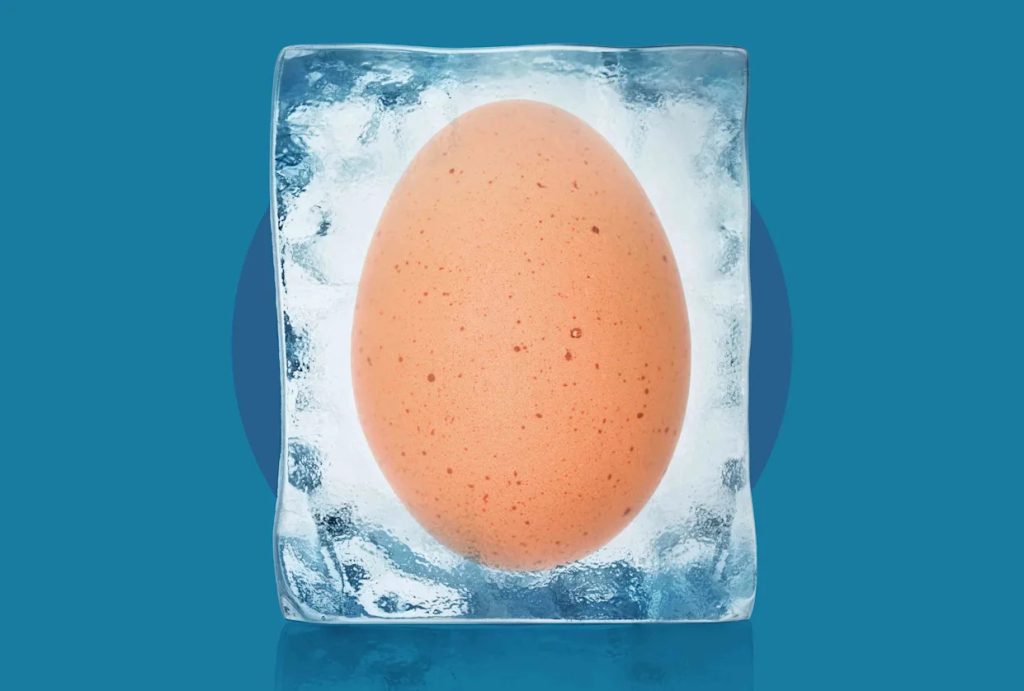
Have you ever wondered what temperature an egg actually freezes at? Whether you’re storing eggs for later use or just curious about kitchen science, knowing this can save you from unexpected messes or ruined meals.
Eggs are a common staple in many homes, but freezing them isn’t as simple as tossing them in the freezer. If you want to protect your eggs and get the best results, understanding the exact freezing point is key. Keep reading to discover the surprising facts about egg freezing temperatures and how this knowledge can make your cooking and storage easier than ever.

Credit: forksinthedirt.com
Egg Composition And Freezing Point
Understanding the composition of an egg helps explain its freezing point. Eggs are made of water, proteins, fats, and other components. These ingredients affect how and when an egg freezes. The balance between them changes the freezing temperature compared to pure water. This section explores the key parts of an egg and their role in freezing.
Water Content In Eggs
Water makes up about 75% of a fresh egg. Most of this water is inside the egg white and yolk. Water usually freezes at 32°F (0°C). But in eggs, water is mixed with other substances, which lowers the freezing point. This means eggs freeze at a temperature slightly below 32°F.
Role Of Proteins And Fats
Eggs contain many proteins, especially in the egg white. Proteins help keep the egg’s structure stable. Fats mainly come from the yolk and add richness. Both proteins and fats affect freezing by interfering with ice formation. They act like natural antifreeze agents, preventing water from freezing easily.
Impact On Freezing Temperature
The combination of water, proteins, and fats changes the egg’s freezing point. Pure water freezes at 32°F, but eggs freeze around 28°F to 30°F. This happens because proteins and fats lower the temperature needed to form ice crystals. Understanding this helps when storing eggs in cold places or freezing them for later use.
Freezing Temperature Of Eggs
Understanding the freezing temperature of eggs is essential if you want to store them properly without compromising their texture or taste. Eggs don’t freeze at the same temperature as water due to their unique composition. Knowing the specific freezing points can help you avoid common mistakes in the kitchen or during food storage.
Typical Freezing Point Range
Eggs generally freeze at temperatures slightly below 32°F (0°C), but the exact point varies because of their components. Whole eggs usually freeze around 28°F (-2°C) to 30°F (-1°C). This is lower than plain water because eggs contain proteins, fats, and salts, which lower the freezing point.
Have you ever noticed a frozen egg cracking in your freezer? That’s because when water inside the egg freezes, it expands. This expansion can cause the shell or membrane to break, making it important to understand the freezing range.
Differences Between Whole Eggs And Egg Whites
Egg whites freeze at a slightly lower temperature than whole eggs, typically around 29°F (-1.5°C). This is because egg whites are mostly water and protein, with less fat than the yolk. Yolk contains more fat and solid material, which affects how it freezes.
In my experience, freezing just the whites results in a smoother thaw and better texture for recipes like meringues. If you freeze whole eggs without mixing, the yolk can become gelatinous and tricky to use later.
Factors Affecting Freezing Temperature
Several factors influence the exact freezing point of eggs. These include the egg’s freshness, its composition, and whether it’s whole, separated, or beaten. Beaten eggs tend to freeze more evenly because air is incorporated, which changes the texture and freezing behavior.
Salt and sugar also play a role. If you add salt or sugar before freezing, the freezing point lowers further. This can be useful if you want to freeze eggs for baking but want to avoid ice crystals forming.
Have you tried freezing eggs without considering these factors? It might explain why your eggs didn’t thaw well or changed texture unexpectedly.
Effects Of Freezing On Egg Quality
Freezing eggs affects their quality in several ways. The cold temperature causes physical and chemical changes. These changes impact texture, nutrition, and taste. Understanding these effects helps in using frozen eggs better.
Texture Changes
Freezing causes ice crystals to form inside the egg. These crystals break the egg’s structure. The egg white becomes watery and less firm. The yolk can thicken or become gel-like. After thawing, eggs may feel different in recipes.
Nutritional Impact
The nutrition in eggs remains mostly stable after freezing. Protein, fat, and vitamins stay intact. Some minor loss of nutrients may occur but is very small. Frozen eggs still provide good nutrition for meals.
Taste Alterations
Freezing can slightly change the egg’s natural flavor. Some people notice a mild difference in taste after thawing. This change is usually subtle and does not spoil the egg. Proper storage reduces any off-flavors.

Credit: grubblyfarms.com
Safe Freezing Practices For Eggs
Freezing eggs can be a great way to extend their shelf life and reduce waste. However, doing it safely is key to maintaining their texture and flavor. Understanding the right techniques can save you from unexpected kitchen mishaps and keep your eggs usable for future recipes.
Freezing Whole Eggs Vs. Separating Components
Freezing whole eggs in their shells is not recommended because the liquid inside expands and can crack the shell. Instead, crack the eggs open and gently whisk them before freezing.
You might wonder if separating yolks and whites is necessary. It depends on how you plan to use them later. Yolks freeze well but can thicken; adding a pinch of salt or sugar before freezing helps maintain their texture.
Proper Storage Methods
Use airtight containers or freezer-safe bags to store eggs. Removing as much air as possible prevents freezer burn and preserves quality.
Label your containers with the date of freezing to keep track of freshness. Frozen eggs generally last up to one year but are best used within 4-6 months for optimal taste.
Thawing Tips
Thaw eggs slowly in the refrigerator to keep them safe from bacteria. Avoid leaving them out at room temperature, which can cause spoilage.
After thawing, gently stir the eggs before cooking. This helps restore their consistency, especially if you froze yolks and whites separately.
Have you ever noticed a change in texture after freezing eggs? Simple thawing techniques can make a big difference in your cooking experience.
Common Myths About Freezing Eggs
Freezing eggs sparks many questions and myths. People often worry about what happens to eggs in the freezer. Some think eggs will crack or become useless. Others wonder if fresh eggs freeze better than older ones. Understanding these myths helps you handle eggs safely and smartly.
Eggshell Cracking Concerns
Many believe eggshells crack when frozen. The truth is eggshells are porous and fragile. When water inside freezes, it expands and can crack the shell. This is why freezing whole eggs in their shells is not recommended. Instead, crack eggs open before freezing. This prevents messy cracks and keeps eggs safe.
Reusability After Freezing
Some think frozen eggs lose their usefulness. Frozen eggs remain good for cooking and baking. Texture changes slightly but taste stays fine. Use frozen eggs in recipes like cakes, pancakes, or omelets. Avoid freezing eggs for frying or poaching, as texture may suffer.
Freezing Fresh Vs. Older Eggs
People wonder if fresh eggs freeze better than older ones. Fresh eggs freeze better due to firmer whites and yolks. Older eggs may become watery after thawing. For best results, freeze eggs within a week of buying. Always crack and beat eggs before freezing for easy use later.

Credit: happymoneysaver.com
Scientific Studies On Egg Freezing
Scientific studies on egg freezing explore the exact temperature at which eggs freeze and how this affects their structure. Researchers have tested different freezing points to understand the physical and chemical changes in eggs. These studies help improve storage methods and maintain egg quality for cooking or scientific use.
Research Findings On Freezing Points
Studies show that eggs begin to freeze just below 0°C (32°F). The water inside the egg forms ice crystals at these temperatures. Ice crystals can damage the egg’s internal structure. The freezing point may vary slightly depending on the egg’s size and composition. Research also notes that the yolk and white freeze at different rates.
Experiments On Quality Preservation
Scientists tested how freezing affects egg quality over time. They found that slow freezing causes larger ice crystals, which damage the egg. Rapid freezing helps keep the egg’s texture intact. Experiments compare fresh eggs with frozen ones to measure changes in taste and texture. Results show that freezing can reduce egg quality if not done properly.
Technological Advances
New technologies improve egg freezing methods. Cryopreservation techniques use very low temperatures to freeze eggs quickly. These methods reduce ice crystal formation and protect egg cells. Innovations include controlled-rate freezers and vitrification processes. These advances help keep eggs fresh longer for cooking and research purposes.
Frequently Asked Questions
At What Temperature Do Eggs Start To Freeze?
Eggs start to freeze at around 31°F (-0. 5°C). This temperature causes the liquid inside to solidify. Freezing affects egg texture and quality. It is best to avoid freezing fresh eggs to maintain their freshness.
Can Frozen Eggs Be Safely Consumed?
Frozen eggs can be eaten if properly thawed. However, freezing changes their texture and may affect taste. Use thawed eggs immediately in cooked dishes. Avoid eating frozen eggs raw to prevent foodborne illnesses.
How Does Freezing Affect Egg Quality?
Freezing causes egg whites to become watery and yolks to thicken. This texture change makes frozen eggs less ideal for raw uses. Frozen eggs work better in baking or cooked recipes. Proper thawing is essential for best results.
Is It Safe To Freeze Eggs In Their Shells?
Freezing eggs in shells is not recommended. The shell can crack due to liquid expansion. Cracked shells increase the risk of contamination. It’s better to crack and beat eggs before freezing them in containers.
Conclusion
Understanding egg freezing temperature helps prevent spoilage and waste. Eggs freeze at around 29°F (-1. 7°C). Freezing can change their texture and taste. Consider using eggs before they freeze. Store them in a cool, dry place. This ensures freshness and quality.
Plan meals to use eggs efficiently. Save money and reduce waste by managing egg storage properly. Fresh eggs contribute to better cooking results. Knowledge of freezing point aids in proper storage. Keep eggs fresh and tasty. Smart storage choices make a difference.
Enjoy eggs at their best by preventing freezing.