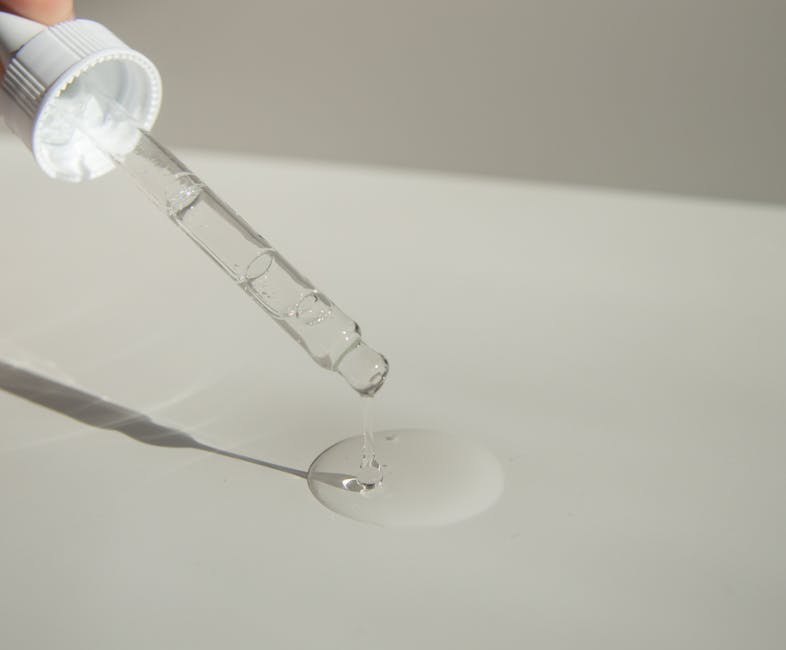
Have you ever wondered what happens to Diesel Exhaust Fluid (DEF) when temperatures drop? If you’re a diesel vehicle owner or operator, this question is more than just a curiosity—it’s a crucial part of ensuring your vehicle runs smoothly throughout the colder months.
Diesel Exhaust Fluid is essential for reducing harmful emissions, but knowing how it behaves in freezing conditions can save you from unexpected problems. We’ll uncover the exact temperature at which DEF freezes and what you can do to prevent this from affecting your vehicle’s performance.
Stay with us, and you’ll discover simple steps to keep your diesel engine running efficiently, no matter how low the temperature drops.
Diesel Exhaust Fluid Basics
Understanding diesel exhaust fluid (DEF) is key to knowing why it freezes and how to handle it. DEF is a liquid used in diesel engines. It helps reduce harmful emissions. This section covers the basics of DEF, including what it is made of and its role in controlling pollution.
Composition And Purpose
Diesel exhaust fluid is a mix of two main ingredients:
- 32.5% high-purity urea
- 67.5% deionized water
Urea is a chemical that breaks down nitrogen oxides. These gases are harmful to the environment. The water helps keep urea in liquid form. DEF is clear, non-toxic, and safe to handle.
Role In Emission Control
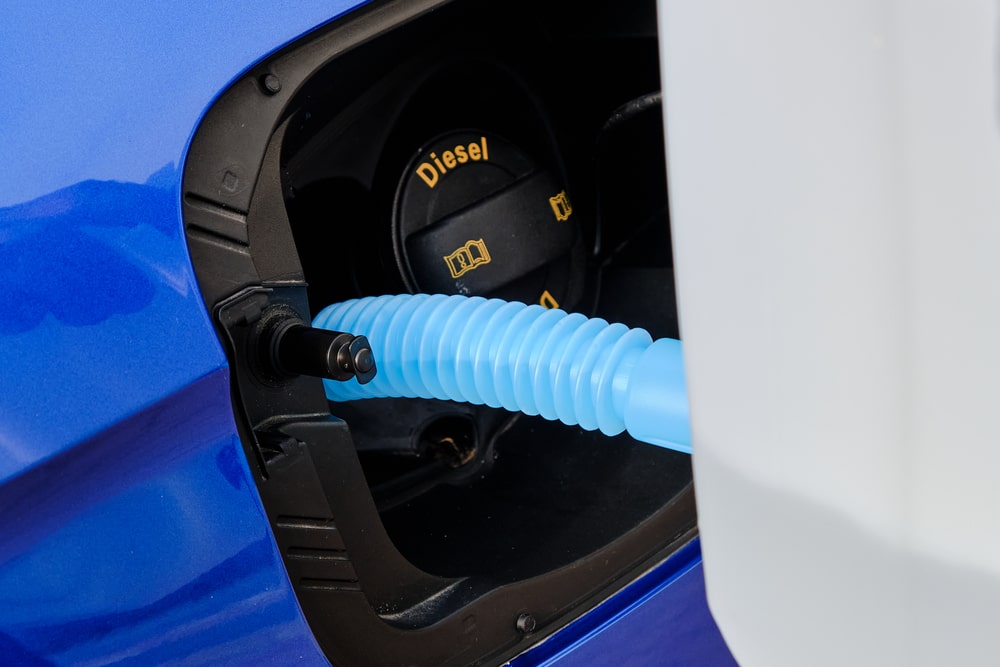
DEF works with selective catalytic reduction (SCR) systems in diesel engines. It sprays into the exhaust stream. The urea in DEF reacts with nitrogen oxides. This reaction turns harmful gases into harmless nitrogen and water vapor.
This process lowers pollution from diesel engines. It helps vehicles meet strict emission standards. Without DEF, many modern diesel engines cannot run cleanly or legally.
Credit: azurechemical.com
Freezing Point Of Def
Understanding the freezing point of Diesel Exhaust Fluid (DEF) is essential if you operate diesel vehicles in cold climates. DEF is a mixture of urea and deionized water, designed to reduce harmful emissions. Knowing at what temperature it freezes can help you avoid operational issues and maintain your vehicle’s performance during winter.
Typical Freezing Temperature
Diesel Exhaust Fluid usually freezes at around -11°C (12°F). This temperature is significantly lower than water’s freezing point because of the urea content in DEF. If your DEF freezes, it expands and can damage the storage tank or dispensing equipment.
Many drivers overlook this fact until they find their DEF tanks frozen on a cold morning. Have you ever experienced trouble starting your diesel truck after a cold night? That might have been caused by frozen DEF.
Factors Affecting Freezing Point
The exact freezing point of DEF can vary based on several factors:
- Urea Concentration:Higher urea content lowers the freezing point slightly, but commercial DEF is standardized at 32.5% urea.
- Water Quality:Impurities or minerals in the water can change the freezing characteristics.
- Storage Conditions:Temperature fluctuations and exposure to air can affect the DEF’s consistency over time.
Have you ever wondered why some DEF products claim to have better cold-weather performance? It often comes down to additives or slight variations in formulation that can shift the freezing point.
Impact Of Freezing On Def Performance
Freezing can significantly affect the performance of Diesel Exhaust Fluid (DEF). Understanding how freezing impacts DEF is crucial, especially if you rely on diesel engines in cold climates. You might think freezing just pauses the fluid’s use, but it actually changes the fluid’s quality and affects your engine’s operation in important ways.
Effects On Fluid Quality
DEF is a mixture of urea and water. When it freezes, the water in the solution turns to ice, causing the urea to separate.
This separation can reduce the purity and effectiveness of the fluid once it thaws. If DEF is frozen for a long time or repeatedly frozen and thawed, the urea concentration might become uneven, leading to less reliable emissions control.
Have you ever noticed crystals forming in your DEF tank? That’s a sign the fluid quality is compromised, which means it won’t work as intended to reduce harmful emissions.
Consequences For Engine Operation
Engines using SCR (Selective Catalytic Reduction) technology depend on DEF to lower nitrogen oxide emissions. If the DEF quality drops, the SCR system can’t function properly.
This can trigger warning lights or even reduce engine power to prevent damage. You might face unexpected downtime or costly repairs because the engine isn’t running cleanly.
Think about how much time you could lose waiting for DEF to thaw or dealing with engine issues caused by poor DEF quality. Protecting your DEF from freezing can save you from these headaches and keep your engine running smoothly.

Credit: azurechemical.com
Storage And Handling Tips
Handling Diesel Exhaust Fluid (DEF) properly is key to maintaining its effectiveness, especially in cold climates where freezing is a concern. Storing DEF at the right temperature and using smart handling practices can save you from unexpected downtime and costly repairs. Let’s look at practical ways you can keep your DEF in top shape through storage and handling.
Preventing Freezing
DEF freezes at around 12°F (-11°C), so keeping it above this temperature is crucial. If you’ve experienced frozen DEF before, you know how it can halt your vehicle’s operation unexpectedly.
To prevent freezing, consider these tips:
- Store DEF indoors or in a heated area during winter months.
- Use insulated containers if you must keep DEF outside.
- Avoid leaving DEF containers in direct contact with cold surfaces like concrete floors.
- Check your vehicle’s DEF tank heater functionality regularly.
Proper Storage Conditions
DEF is a mixture of 32.5% high-purity urea and 67.5% deionized water. This mixture is sensitive to contamination and sunlight.
Here’s how to store DEF properly:
- Keep it in a sealed, airtight container to avoid contamination and evaporation.
- Store DEF away from direct sunlight and UV exposure, which can degrade its quality.
- Maintain storage temperatures ideally between 12°F and 86°F (-11°C to 30°C).
Have you checked the storage area for your DEF lately? Even small temperature swings or exposure to dirt can affect its efficiency.
Thawing Frozen Def
Thawing frozen Diesel Exhaust Fluid (DEF) requires care to maintain its quality. DEF freezes at about 12°F (-11°C). When frozen, it expands and forms ice crystals. Proper thawing returns it to liquid form without damage.
Using the right thawing methods keeps DEF effective and safe to use. Avoid quick or harsh heating that may harm the fluid. Gentle warming is key to preserving its chemical balance.
Safe Thawing Methods
- Place the DEF container in a warm room with temperature above freezing.
- Use a heated storage cabinet designed for DEF storage.
- Allow natural thawing by moving the container indoors during cold weather.
- Maintain temperature between 40°F and 70°F to speed thawing without damage.
- Never use direct heat sources like open flames or hot water.
Avoiding Contamination
- Keep the DEF container sealed during thawing to prevent dirt entry.
- Use clean, dry equipment when handling thawed DEF.
- Do not mix thawed DEF with old or contaminated fluid.
- Inspect DEF for clarity and color after thawing; discard if cloudy or discolored.
- Store DEF in original containers to avoid contamination risks.
Seasonal Considerations For Def
Diesel Exhaust Fluid (DEF) is sensitive to temperature changes. Seasonal shifts affect its storage and use. Understanding these changes helps keep diesel engines running smoothly. Cold weather can freeze DEF, impacting its effectiveness.
Winter Usage Challenges
DEF freezes at about 12°F (-11°C). During winter, this can cause problems. Frozen DEF cannot flow through the system. This stops the engine’s emission controls from working properly. Drivers may see warning lights or reduced engine power. Cold weather also slows down the thawing process. Storing DEF in a warm place is important. Using heated tanks or DEF heaters helps keep it liquid. Otherwise, frozen DEF can delay trips and increase maintenance costs.
Adjusting Maintenance Practices
Maintenance routines must change with the seasons. Check DEF levels more often in winter. Inspect tanks and lines for ice buildup. Use fresh DEF before cold weather starts. Old DEF can lose quality and freeze faster. Keep DEF storage areas clean and dry. Use insulated containers or heating pads if possible. Plan refills during warmer parts of the day. This reduces the chance of freezing. Proper care prevents engine issues and saves money over time.

Credit: www.susquehannasales.net
Frequently Asked Questions
What Is The Freezing Point Of Diesel Exhaust Fluid?
Diesel Exhaust Fluid freezes at approximately 12°F (-11°C). Below this temperature, it solidifies, affecting its flow and function in vehicles.
How Does Freezing Affect Diesel Exhaust Fluid Performance?
Freezing causes DEF to solidify, blocking injection systems. This disruption can impair emissions control and engine efficiency until DEF thaws.
Can Diesel Exhaust Fluid Be Used Immediately After Freezing?
No, DEF must thaw completely before use. Using frozen or partially thawed DEF can damage the vehicle’s SCR system.
How To Prevent Diesel Exhaust Fluid From Freezing?
Store DEF in a temperature-controlled environment above 12°F (-11°C). Use heated tanks or insulated containers in cold climates.
Conclusion
Diesel Exhaust Fluid freezes at about 12°F (-11°C). Knowing this helps protect your vehicle in cold weather. Keep DEF stored in a warm place during winter. Frozen DEF can cause engine problems and reduce performance. Always check your fluid before driving in low temperatures.
Simple care extends the life of your diesel engine. Stay prepared, and your vehicle will run smoothly all year.