
Have you ever wondered what happens to your car’s transmission fluid when the temperatures drop? Understanding this can make a big difference in how well your vehicle performs during those chilly months.
You might be surprised to learn that transmission fluid, like other vital car fluids, can be affected by extreme cold. But at what temperature does it actually freeze? Knowing this can help you prevent potential damage and costly repairs. Keep reading to discover the freezing point of transmission fluid, why it matters to you, and how you can protect your vehicle from the cold.
You’ll be equipped with the knowledge to keep your car running smoothly, no matter how low the thermometer drops.

Credit: www.youtube.com
Transmission Fluid Basics
Transmission fluid is essential for your vehicle’s smooth operation. It lubricates, cools, and cleans transmission parts. Knowing its basics helps you understand vehicle care and why fluid temperature matters. This section covers key points about transmission fluid.
Types Of Transmission Fluid
There are several types of transmission fluid. Each suits different vehicles and transmission systems. Common types include:
- Automatic Transmission Fluid (ATF) – used in automatic transmissions.
- Continuously Variable Transmission Fluid (CVT) – designed for CVT systems.
- Manual Transmission Fluid – made for manual gearboxes.
- High-Mileage Transmission Fluid – for vehicles with higher mileage.
Choosing the right type ensures proper transmission function and longevity.
Role In Vehicle Performance
Transmission fluid plays a vital role in vehicle performance. It lubricates moving parts to reduce wear. It also transfers power from the engine to the wheels. Fluid helps control temperature inside the transmission. Clean fluid prevents dirt buildup and corrosion. Proper fluid levels and quality improve fuel efficiency and driving smoothness.
Credit: www.clubfrontier.org
Freezing Points Of Transmission Fluids
Transmission fluid is essential for your vehicle’s smooth gear shifts and overall performance. But have you ever wondered what happens to this fluid in freezing temperatures? Understanding the freezing points of transmission fluids helps you protect your car during harsh winters. Let’s dive into the details and see how different fluids behave when the mercury drops.
Common Freezing Temperatures
Transmission fluids don’t all freeze at the same temperature. Most conventional automatic transmission fluids (ATF) start to thicken around -40°F (-40°C), but they rarely freeze solid at this point.
Here’s a quick look at typical freezing points for popular transmission fluids:
| Transmission Fluid Type | Approximate Freezing Point |
|---|---|
| Dexron III/Mercon | -40°F (-40°C) |
| ATF+4 | -50°F (-46°C) |
| Type F | -30°F (-34°C) |
| CVT Fluid | -22°F (-30°C) |
Notice how synthetic and specialized fluids often have lower freezing points. This means they stay fluid longer in colder conditions, protecting your transmission better.
Factors Affecting Freezing Point
Several factors influence the freezing point of your transmission fluid beyond just its type. Additives in the fluid can either lower or raise the freezing point, depending on their chemical makeup.
Contamination from water or other fluids is a major concern. Even a small amount of water mixed in can drastically raise the freezing point, causing the fluid to gel or freeze much sooner than expected.
How often do you check your transmission fluid for contamination? Regular maintenance can prevent freezing problems before they start.
Temperature history also plays a role. Fluids exposed repeatedly to cold conditions might become thicker over time, losing their effectiveness and freezing at higher temperatures.
Understanding these factors helps you choose the right fluid and maintain your vehicle’s transmission health through cold seasons.
Effects Of Freezing On Transmission
Transmission fluid is essential for smooth vehicle operation. When it freezes, it can cause serious issues. Freezing affects the fluid’s properties and the transmission system. Understanding these effects helps protect your vehicle in cold climates.
Potential Damage Risks
Frozen transmission fluid can expand and cause leaks. This expansion may crack seals and damage transmission parts. The metal components inside the transmission may suffer from poor lubrication. This increases wear and tear. Cold fluid can also delay shifting, stressing the transmission. In extreme cases, it can cause complete transmission failure.
Impact On Fluid Viscosity
Transmission fluid thickens as it freezes. Thick fluid flows poorly through the transmission system. This reduces lubrication and cooling. The transmission may struggle to operate smoothly. Thick fluid also causes delay in gear changes. It can make the vehicle harder to drive in cold weather. Proper fluid viscosity is crucial for transmission health.
Preventing Transmission Fluid Freezing
Transmission fluid freezing can lead to serious damage and costly repairs. Preventing this issue is essential, especially if you live in an area with harsh winters. Taking the right steps ensures your vehicle runs smoothly, no matter how low the temperature drops.
Maintenance Tips
Check your transmission fluid regularly. Look for changes in color or consistency, which can signal problems before freezing occurs.
Keep your transmission fluid at the correct level. Low fluid means less protection against cold and wear.
Schedule regular transmission service. Flushing old fluid and replacing it with fresh fluid keeps your system healthy and less prone to freezing.
Choosing The Right Fluid For Cold Climates
Not all transmission fluids perform well in freezing temperatures. You need a fluid designed for cold weather to keep your transmission working properly.
Look for fluids labeled with a low pour point, which means they remain fluid at lower temperatures. Synthetic transmission fluids often offer better cold climate protection than conventional ones.
Ask your mechanic or check your vehicle’s manual for fluid recommendations based on your climate. Using the wrong fluid can cause sluggish shifting or even transmission failure.
Signs Of Transmission Fluid Issues In Cold Weather
Cold weather can be tough on your vehicle’s transmission fluid, and spotting signs of trouble early can save you from costly repairs. Transmission fluid thickens as temperatures drop, which affects its ability to lubricate and cool the transmission properly. Knowing what to watch for helps you act before the problem worsens.
Warning Symptoms
- Delayed or Rough Shifting:If your car hesitates or jerks when changing gears, it could mean the fluid is too thick to flow smoothly.
- Unusual Noises:Grinding or whining sounds from the transmission area may indicate the fluid isn’t providing enough lubrication.
- Transmission Slippage:Feeling like your vehicle is slipping out of gear or losing power can signal fluid problems linked to freezing or thickening.
- Burning Smell:Overheated transmission fluid can emit a burning odor, a red flag even in cold weather if the fluid isn’t circulating correctly.
Diagnostic Steps
Start by checking your transmission fluid’s condition and level. Cold fluid can appear cloudy or darker than usual. Use the dipstick to inspect for these changes.
Next, monitor how your vehicle behaves during warm-up. Does the transmission smooth out after driving a few minutes, or do issues persist?
Consider having a professional perform a transmission fluid analysis. This test reveals if the fluid has lost its viscosity or contains contaminants that affect freezing points.
Have you noticed any of these symptoms during chilly mornings? Taking action early can prevent your transmission from freezing up and keep your drive safe and smooth.
Myths About Transmission Fluid Freezing
Many people worry that transmission fluid might freeze in cold weather, causing serious damage to their vehicle. But there are several myths around this topic that can confuse even experienced car owners. Understanding what really happens to transmission fluid at low temperatures can help you take better care of your car and avoid unnecessary panic.
Transmission Fluid Freezes Like Water
This is one of the most common myths. Transmission fluid is not water; it is specially formulated oil with additives that prevent it from freezing under normal winter conditions. In fact, typical transmission fluid can stay liquid well below the freezing point of water, often below -40°F (-40°C).
If you live somewhere with harsh winters, you might wonder if your car’s transmission fluid can freeze overnight. It’s very unlikely because the fluid’s chemical makeup keeps it flowing smoothly even in extreme cold.
Low Temperatures Damage Transmission Immediately
Many assume that just because it’s cold, the transmission fluid thickens so much that it damages the system right away. While cold thickened fluid can make shifting harder temporarily, it does not instantly ruin your transmission. Your vehicle’s transmission is designed to handle these temperature changes.
A good habit is to let your car warm up for a few minutes on cold mornings. This helps the fluid reach optimal operating temperature faster, reducing strain on your transmission parts.
Adding Antifreeze To Transmission Fluid Helps Prevent Freezing
Some believe that pouring antifreeze into the transmission fluid will stop it from freezing. This is dangerous advice. Antifreeze is meant for the engine’s cooling system, not the transmission. Mixing them can cause severe damage and costly repairs.
Always use the type of transmission fluid recommended by your vehicle’s manufacturer. If you’re unsure, check your owner’s manual or ask a trusted mechanic.
Transmission Fluid Needs Special Winter Formulas
There are “winter” transmission fluids marketed in some places, but most standard fluids are designed to perform well year-round. Unless you drive in extremely cold climates consistently, switching fluids seasonally is usually unnecessary.
If you want peace of mind, ask your mechanic if your vehicle’s fluid is appropriate for your climate. Often, routine maintenance and fluid changes at recommended intervals are enough to keep your transmission healthy.
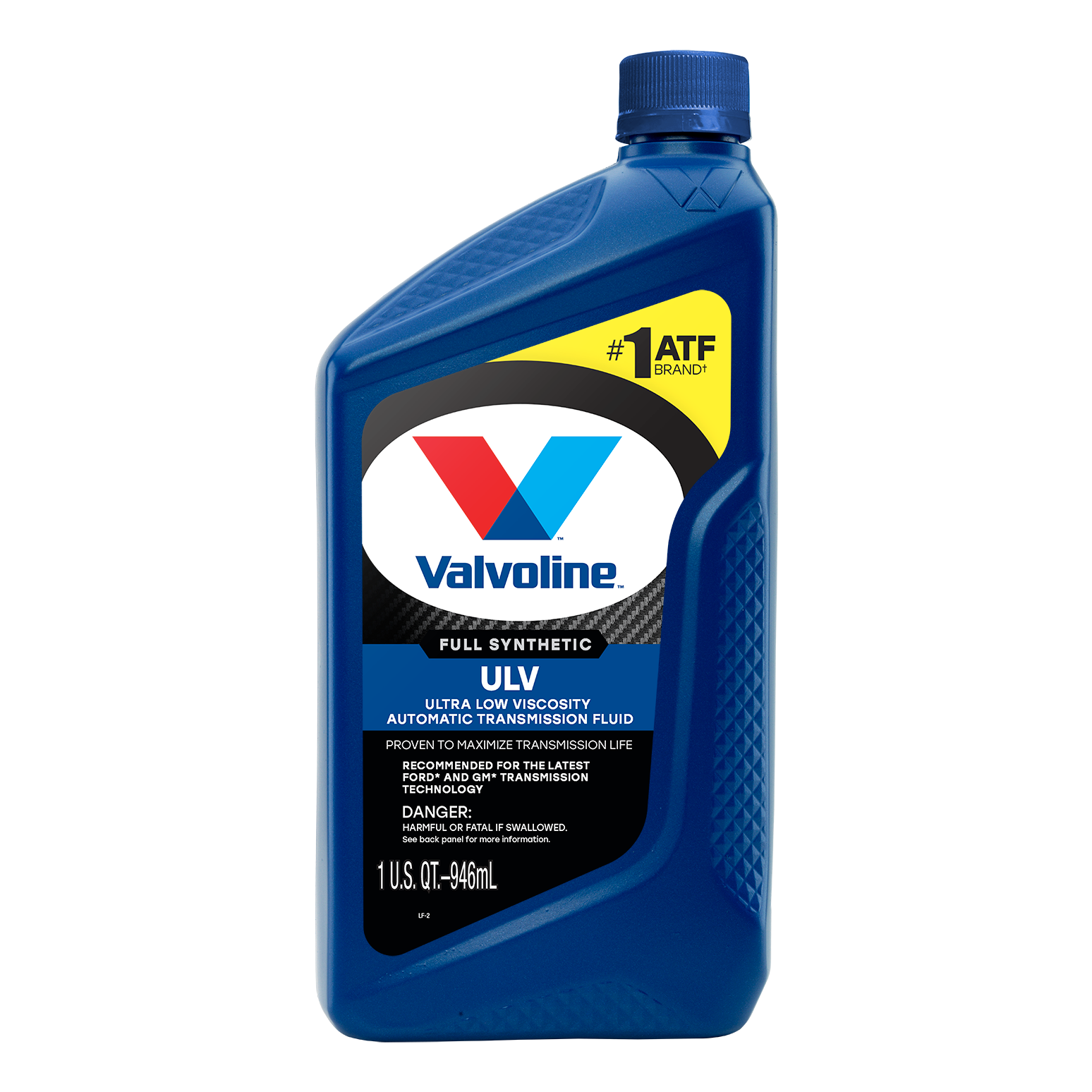
Credit: www.valvolineglobal.com
Frequently Asked Questions
What Is The Freezing Point Of Transmission Fluid?
Transmission fluid typically freezes between -40°F and -60°F. This varies based on the fluid type and additives used. Most fluids remain liquid in extreme cold, ensuring proper transmission function during winter.
How Does Cold Affect Transmission Fluid Performance?
Cold temperatures thicken transmission fluid, reducing its flow and lubrication. This can cause delayed gear shifts and increased wear. Using the right fluid viscosity helps maintain smooth transmission operation in cold weather.
Can Transmission Fluid Freeze In Winter?
Transmission fluid rarely freezes under normal winter conditions. It’s specially formulated to resist freezing at very low temperatures. However, extremely cold climates can cause thickening, which affects performance but not actual freezing.
Why Is Transmission Fluid Freezing Dangerous?
Frozen transmission fluid stops lubrication and fluid flow. This can cause transmission damage and costly repairs. Proper maintenance and using the correct fluid type prevent freezing-related issues and protect transmission health.
Conclusion
Transmission fluid rarely freezes under normal conditions. It usually thickens before freezing completely. This thickening can affect your vehicle’s performance. Knowing the freezing point helps protect your transmission. Keep your fluid clean and at the right level. Check it regularly, especially in cold weather.
Proper care extends your transmission’s life. Cold temperatures can cause issues, but good maintenance helps. Stay aware of how your transmission fluid behaves. This keeps your vehicle running smoothly all winter long.