Are you tired of debating the perfect temperature setting for your air conditioner? You’re not alone.
Finding that sweet spot where comfort meets efficiency can feel like a mystery. You want a cool escape from the summer heat, but you also want to avoid sky-high energy bills. So, what’s the ideal temperature setting for your air conditioner?
We’ll uncover the secrets to achieving optimal comfort while keeping costs down. Stick around to discover how a simple adjustment can make a big difference in your home’s atmosphere and your monthly expenses.
Credit: fischerheating.com
Ideal Temperature Settings
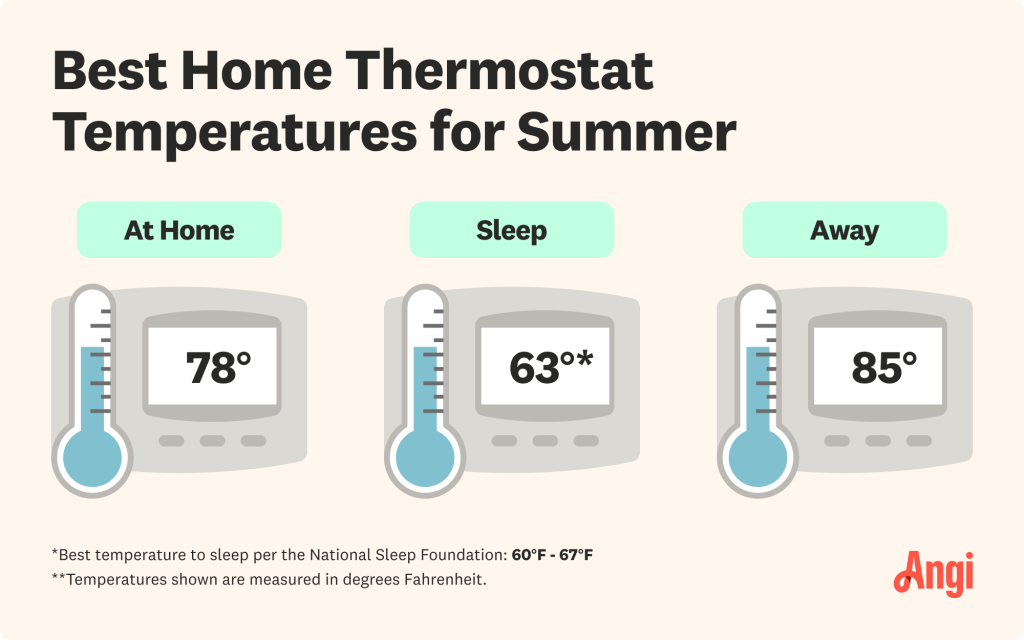
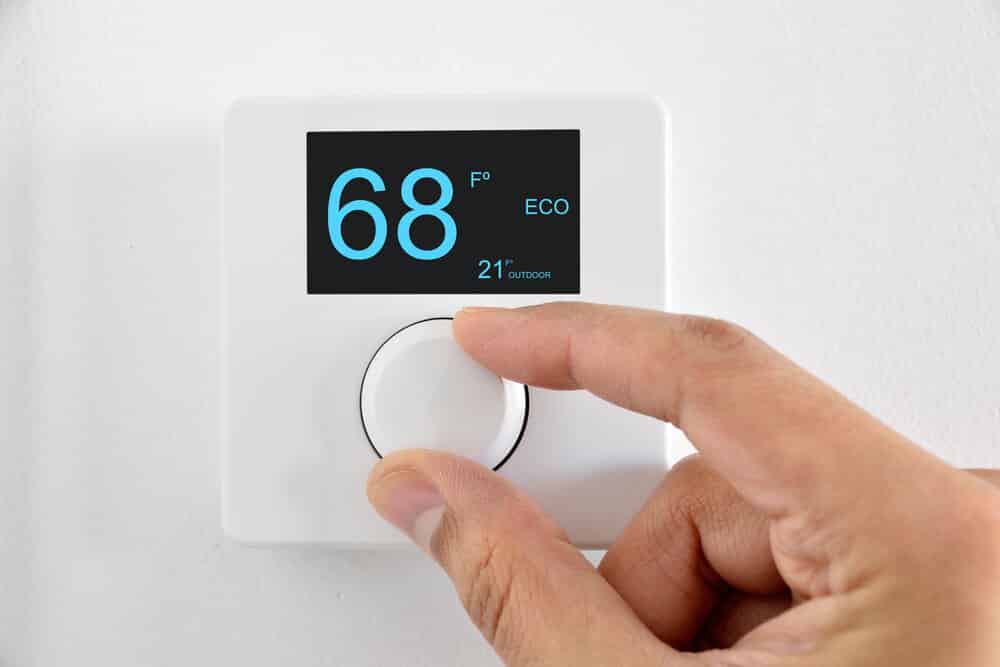
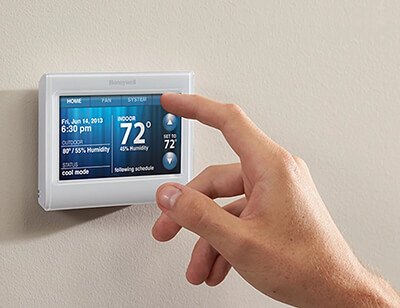
The ideal temperaturefor air conditioners usually lies between 72°F and 78°F. This range balances comfortand energy use. Setting the AC too cold can cause high electricity bills. Too warm, and it may feel uncomfortable indoors.
For energy efficiency, setting the thermostat at 78°Fis recommended during summer days. Each degree lower can increase energy use by about 6-8%. Using a programmable thermostat helps save energy by adjusting temperatures when no one is home.
- Keep doors and windows closed for best cooling.
- Use fans to help air circulate.
- Regular maintenance improves AC efficiency.
Credit: gulfshorecooling.com
Factors Affecting Temperature Choice
Outdoor weatherplays a big role in choosing AC temperature. Hot days need cooler settings to feel fresh. Cooler days need less cooling to save energy.
Room sizeand insulationaffect how cold the room gets. Big rooms need lower temperatures. Rooms with good insulation keep cool air inside longer.
- Small rooms: Set temperature a bit higher to save power.
- Large rooms: Use lower temperature for comfort.
- Well-insulated rooms: Maintain steady temperature.
- Poorly insulated rooms: Adjust settings often.
Personal comfortvaries. Some like cooler air; others prefer it warmer. Adjust the AC to what feels best for you and your family.
Temperature Tips For Different Seasons
Summer coolingworks best at around 78°F (25°C). This temperature keeps rooms comfortable without using too much energy. Setting the air conditioner lower uses more power and costs more. Use fans to help spread cool air. Closing curtains or blinds blocks out sunlight and heat. At night, raise the temperature a little to save energy and stay cozy. Remember, every degree lower can raise energy bills by nearly 6%.
Winter heatingshould be set near 68°F (20°C). This keeps your home warm but saves energy. Lower the temperature when you sleep or leave the house. Use warm clothes and blankets to stay comfy. Sealing doors and windows stops cold air from coming in. This helps the heater work less and lowers bills.
Smart Thermostat Benefits
Adaptive temperature controlhelps your air conditioner adjust to your habits. It learns when you like it cooler or warmer. This saves energy and keeps you comfortable. The system changes settings based on weather and time of day. No need to reset the thermostat often. It makes your home feel just right all the time.
Remote adjustmentslet you control the thermostat from anywhere. Use your phone or tablet to change the temperature. Forgot to turn off the AC before leaving? No problem. You can adjust settings on the go. This feature adds convenience and saves money on bills.
Common Mistakes To Avoid
Setting the air conditioner temperature too low can waste energy. It also makes the unit work harder and may cause it to break faster. The ideal temperature usually ranges between 24-26°C (75-78°F). This keeps the room cool without using too much electricity.
Ignoring maintenance harms the air conditioner’s performance. Dirt and dust can block filters and vents. This lowers air quality and cooling power. Regular cleaning and servicing help the unit last longer and stay efficient.
Credit: heatable.co.uk
Energy-saving Strategies
Using fanswith your air conditioner helps cool rooms faster. Fans move air around, making you feel cooler without lowering the temperature. This lets you set the AC at a higher, energy-saving temperature. Ceiling fans work well for this, but floor or table fans help too.
Sealing and insulatingyour home keeps cool air inside and hot air outside. Use weather stripping on doors and windows to stop air leaks. Add insulation to walls and attics to keep your home cooler for longer. This reduces the need to run the AC all day, saving energy and money.
Frequently Asked Questions
What Is The Ideal Temperature For An Air Conditioner?
The ideal air conditioner temperature is 78°F (25-26°C) for energy efficiency and comfort. This setting balances cooling and electricity use effectively.
How Does Temperature Setting Affect Ac Energy Consumption?
Higher AC temperatures reduce energy use, lowering electricity bills. Each degree above 72°F saves about 3-5% energy without sacrificing comfort.
Can I Set My Ac Too Cold?
Yes, setting AC too cold wastes energy and strains the unit. It can cause discomfort and higher electricity costs.
What Temperature Should Ac Be At Night?
At night, set your AC to 78°F or higher. This saves energy while keeping your bedroom comfortably cool.
Conclusion
Setting your air conditioner at the right temperature saves energy and money. Aim for a balance between comfort and efficiency. Around 78°F (25-26°C) works well in summer. It keeps rooms cool without overloading the system. Adjust slightly if you feel too warm or cold.
Remember to turn off the AC when no one is home. Regular maintenance also helps your unit run better. Small changes make a big difference in comfort and bills. Stay cool, save energy, and enjoy a fresh home all summer long.