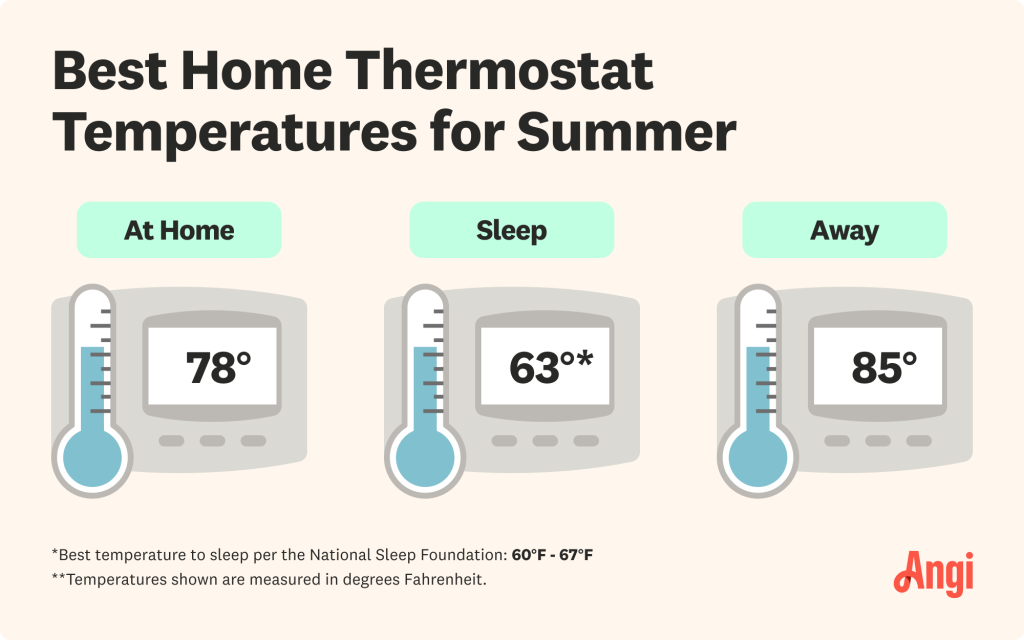
Are you wondering what temperature your air conditioner should be set to? Setting it just right can make a huge difference in your comfort and energy bills.
Too cold, and you might feel chilly and waste power. Too warm, and you won’t get the relief you need from the heat. You’ll discover the perfect balance that keeps your home cozy while saving money. Keep reading to find out how to get the most from your AC without breaking the bank.
Credit: heatable.co.uk
Ideal Temperature For Comfort
The ideal temperaturefor air conditioners balances comfortand energy savings. Setting the temperature too low can waste electricity. Too high, and it feels uncomfortable.
During the day, a good setting is around 24-26°C (75-78°F). This keeps the room cool without using too much power. It is cool enough for work or relaxing.
At night, a slightly higher temperature helps save energy. Try 26-28°C (78-82°F)to stay comfortable while sleeping. The body cools naturally, so air conditioning does not need to be very cold.
- Daytime: 24-26°C (75-78°F) for balance
- Nighttime: 26-28°C (78-82°F) for comfort and savings
- Avoid very low temperatures to save power
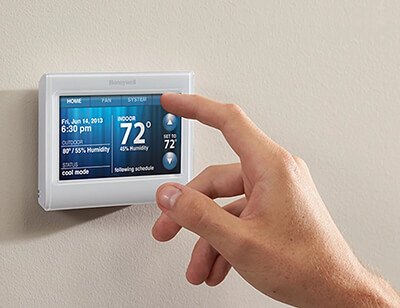
Credit: gulfshorecooling.com
Factors Influencing Temperature Choice
Humidityaffects how cool the air feels. High humidity makes rooms feel warmer, so a lower air conditioner setting helps. Low humidity means the room feels cooler, so a higher setting may work well.
Room size and insulationchange how much cooling is needed. Large rooms need cooler temperatures because more air needs to be cooled. Good insulation keeps cool air inside, so the AC does not work too hard.
Number of peoplealso matters. More people create more body heat. This makes the room warmer, so lower the AC temperature for comfort.
Energy Efficiency Considerations
Setting your air conditionerat the right temperature saves energy and cuts bills. Every degree lower makes the AC work harder. This raises your energy useand monthly cost. A good rule is to keep it around 78°F (26°C)when home. Higher settings save more power but may feel warm.
Smart thermostatshelp by learning your routine. They adjust the temperature when you are away or asleep. This keeps energy use low without losing comfort. You can control them with your phone. It’s an easy way to avoid wasting energy.
- Set higher temperatures in spring and fall.
- Lower the temperature a bit during hot summer days.
- Use fans to help cool the room faster.
- Close curtains to block sunlight and heat.
Health And Safety Tips
Avoiding overcoolinghelps save energy and keeps you comfortable. Set the air conditioner around 24°C (75°F) to prevent chills. Overcooling can cause headaches and muscle stiffness.
Preventing dry air issuesis important for skin and breathing health. Use a humidifier or keep a bowl of water nearby to add moisture. Avoid setting the AC too low as it dries the air.
| Age Group | Recommended Temperature |
|---|---|
| Kids | 23-25°C (73-77°F) |
| Elderly | 24-26°C (75-79°F) |
Keeping the temperature in these safe ranges protects sensitive bodies. Sudden changes in temperature can cause illness. Always monitor how loved ones feel in the room.
Troubleshooting Common Issues
Room temperaturefeeling too hot or cold often means your AC settings need adjustment. Check if the thermostat is set correctly and not near direct sunlight or heat sources. Dirty filters or blocked vents reduce cooling and airflow. Sometimes, the AC unit may need a refrigerant rechargeor repair due to leaks or mechanical faults. Uneven cooling can occur if doors or windows stay open for too long.
Servicing your AC is necessary once or twice a year. Look for strange noises, bad smells, or if the unit runs too long without cooling well. Regular cleaning of filters and coils helps the AC work better and last longer. Scheduling service before summer can prevent breakdowns.
Improving airflow helps your room cool evenly. Keep vents open and clear of furniture or curtains. Use fans to move air around the room faster. Closing blinds or curtains during hot days blocks sunlight and lowers room heat. Make sure your AC is the right size for your space for best results.
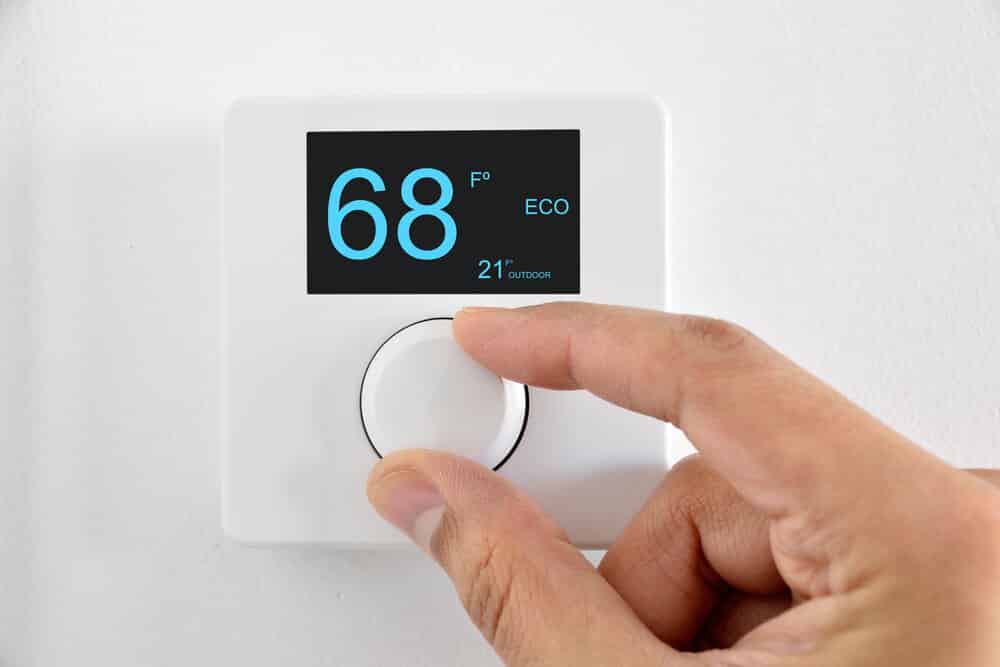
Credit: fischerheating.com
Frequently Asked Questions
What Is The Ideal Ac Temperature For Summer?
The ideal AC temperature for summer is typically between 24°C to 26°C (75°F to 78°F). This range maintains comfort while ensuring energy efficiency. Adjusting within this range can help reduce energy costs and environmental impact. It’s essential to consider personal comfort and local climate conditions.
How Does Ac Temperature Affect Energy Consumption?
Setting your AC to a lower temperature increases energy consumption significantly. Each degree below 24°C (75°F) can raise your energy bill by up to 10%. To optimize energy use, keep your thermostat at the highest comfortable setting. This approach balances comfort with cost efficiency and sustainability.
Is 72 Degrees Too Cold For An Ac?
Setting your AC to 72 degrees Fahrenheit can be too cold for many. It may lead to higher energy bills and unnecessary wear on the unit. Consider setting your thermostat between 75°F to 78°F. This range is more efficient while maintaining comfort for most occupants.
Can Setting Ac Too Low Damage The Unit?
Yes, setting the AC too low can strain the unit. Operating consistently at low temperatures increases wear and tear. This can lead to costly repairs and reduced lifespan. Maintaining a moderate temperature ensures the unit functions efficiently and reduces the risk of damage.
Conclusion
Setting your air conditioner to the right temperature saves energy and money. Around 24-26°C (75-78°F) keeps you comfortable without overusing power. Lower settings cool faster but use more electricity. Higher settings save energy but may feel warm. Adjust based on how many people are in the room.
Use fans to help air move better. Simple changes make your home cool and cost less to run. Keep your AC well-maintained for the best results. Stay comfortable and smart with your temperature choice.