Are you wondering what temperature to set your air conditioner for the best comfort and savings? Setting your AC just right can make a huge difference in how cool your home feels and how much you pay on your energy bill.
Too cold, and you waste money; too warm, and you stay uncomfortable. You’ll discover the ideal temperature to keep your air conditioner on—so you can stay cool, save energy, and enjoy your space all summer long. Keep reading to find the perfect balance for your home and your wallet.
Ideal Ac Temperature
Choosing the right temperature for your air conditioner is important. It helps keep you comfortable and saves energy. Setting the AC too cold wastes power. Setting it too warm may not cool enough.
This guide explains the best temperatures to use for comfort and efficiency. You will learn how to adjust settings by season and time of day.
Comfort And Energy Balance
The ideal AC temperature balances comfort and energy use. Most experts suggest setting your AC between 75°F and 78°F. This range cools your home without using too much electricity.
- Set temperature lower than 75°F to cool faster but use more energy.
- Set temperature higher than 78°F to save energy but may feel warm.
- Use a programmable thermostat to keep a steady, comfortable temperature.
Seasonal Temperature Settings
Different seasons need different temperature settings. Warmer months require cooler air. Cooler months need less cooling, so set higher temperatures to save energy.
| Season | Suggested AC Temperature |
| Summer | 75°F to 78°F |
| Spring/Fall | 78°F to 80°F |
| Winter (if using AC) | 80°F or higher |
Nighttime Adjustments
At night, cooler temperatures help you sleep better. You can raise the AC temperature slightly to save energy without losing comfort.
Try these tips for nighttime AC use:
- Set AC temperature 2-3 degrees higher than daytime.
- Use fans to improve air circulation.
- Close curtains to block heat from sunlight.
Factors Influencing Temperature Choice
Choosing the right air conditioner temperature depends on several key factors. These factors affect comfort and energy use.
Understanding these can help you set a temperature that keeps your home comfortable without wasting energy.
Humidity Levels
Humidity affects how warm or cool a room feels. High humidity makes the air feel hotter. Lower humidity makes the air feel cooler.
- High humidity may require a lower AC temperature to feel comfortable.
- Low humidity allows for a higher temperature setting.
- Using a dehumidifier can help balance humidity and reduce AC load.
Room Size And Insulation
Large rooms need more cooling power to reach the set temperature. Good insulation keeps cool air inside.
| Room Size | Recommended Temperature Range | Insulation Quality |
|---|---|---|
| Small (under 150 sq ft) | 75°F to 78°F (24°C to 26°C) | Any |
| Medium (150-300 sq ft) | 73°F to 76°F (23°C to 24.5°C) | Good insulation preferred |
| Large (over 300 sq ft) | 70°F to 74°F (21°C to 23°C) | Excellent insulation needed |
Number Of Occupants
More people in a room produce more heat. This makes the room feel warmer and needs a cooler AC setting.
Consider these tips for setting temperature based on occupants:
- For 1-2 people, keep the temperature at 75°F (24°C).
- For 3-4 people, lower the temperature to 73°F (23°C).
- For 5 or more, set the AC between 70°F and 72°F (21°C to 22°C).
Energy Savings Tips
Keeping your air conditioner at the right temperature saves energy and lowers bills. Simple changes can make your home comfortable and efficient.
Using fans, setting the thermostat wisely, and regular upkeep help your AC work better. These tips keep your home cool without wasting power.
Optimal Thermostat Settings
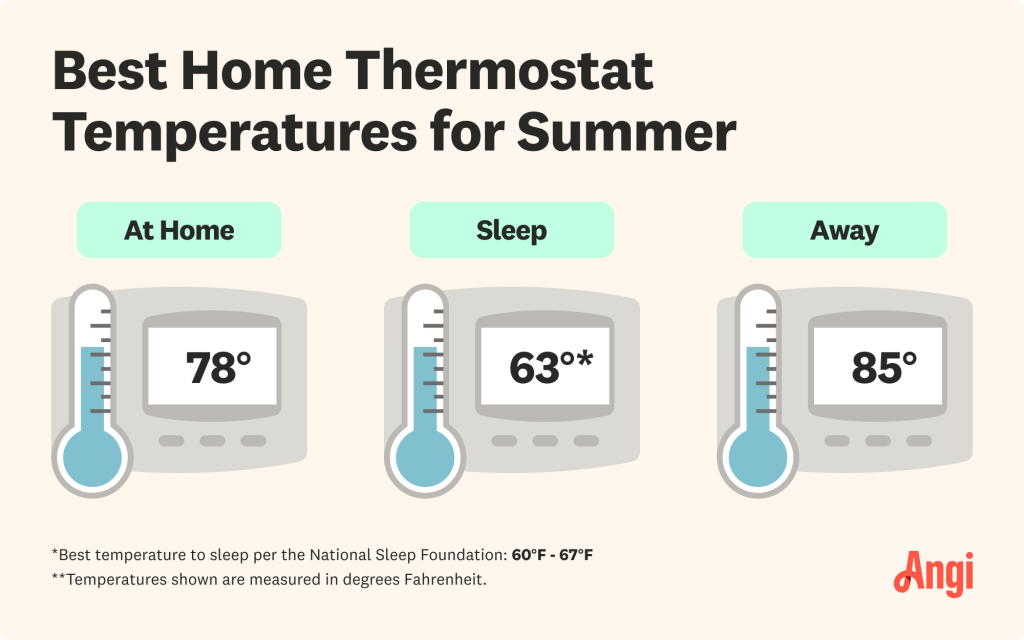
Set your thermostat to 78°F (25°C) when you are home. This keeps your room cool but saves energy.
When you leave, raise the temperature to 85°F (29°C). This reduces AC use while you are away.
- 78°F (25°C) during the day
- 85°F (29°C) when not home
- Use programmable thermostats to adjust automatically
Use Of Fans And Ventilation
Fans help cool the air and reduce the load on your AC. Use ceiling or portable fans to move air around.
Open windows early in the morning or late at night. Let fresh air cool your home naturally before using the AC.
- Turn on fans with the AC to feel cooler
- Use natural ventilation to lower indoor temperature
- Close windows and curtains during hot daytime
Regular Maintenance
Clean or replace AC filters every 1-2 months. Dirty filters reduce airflow and make your AC work harder.
Check for leaks and clean the AC coils yearly. Well-maintained AC units use less energy and cool better.
- Change or clean filters regularly
- Inspect and clean coils annually
- Seal air leaks around doors and windows
Credit: heatable.co.uk
Health Considerations
Choosing the right temperature for your air conditioner affects your health. Keeping it too cold or too warm can cause problems.
This guide explains how to set your AC to stay healthy and comfortable.
Avoiding Overcooling
Overcooling can cause dry skin and sore throats. It can also make your body work harder to stay warm.
Set your air conditioner between 24°C and 26°C (75°F and 78°F) to avoid these issues.
Air Quality And Circulation
Good air quality helps your lungs and overall health. Poor circulation can spread dust and germs indoors.
Use your AC’s fan mode sometimes. It moves air without cooling too much and keeps air fresh.
- Change air filters regularly
- Keep vents clean and unblocked
- Use a fan to improve airflow
Managing Allergies And Respiratory Issues
Air conditioners can trap allergens like dust and pollen. This can worsen allergies and breathing problems.
Use filters designed to catch allergens and clean your AC unit often to reduce risks.
- Choose HEPA or high-quality filters
- Clean or replace filters every 1-3 months
- Keep humidity between 40% and 60%
Smart Thermostat Benefits
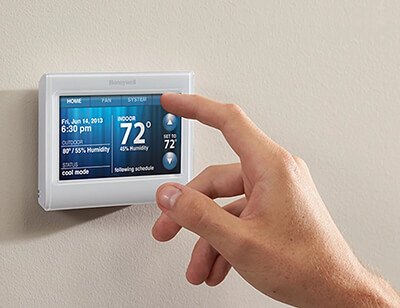
Smart thermostats help you control your air conditioner easily. They adjust the temperature to save energy and keep you comfortable.
Using a smart thermostat can lower your electricity bills and make your home cooler when you need it.
Programmable Temperature Control
Smart thermostats let you set temperatures for different times of the day. This means your air conditioner works only when needed.
- Set cooler temperatures during the day
- Raise the temperature when you are away
- Keep a comfortable temperature at night
Remote Access Features
You can control your thermostat from anywhere using a phone app. This helps you change settings before you get home.
| Feature | Benefit |
| Phone Control | Change temperature remotely |
| Real-Time Alerts | Know if system needs attention |
| Energy Reports | Track your usage and save money |
Learning Your Preferences
Smart thermostats learn your favorite temperatures over time. They adjust settings automatically to match your comfort.
Here are ways your thermostat learns your habits:
- Tracks the times you change temperatures
- Remembers your preferred settings for each time
- Adjusts automatically to save energy and keep comfort
Credit: gulfshorecooling.com

Credit: www.healthkart.com
Frequently Asked Questions
What Is The Ideal Temperature For An Air Conditioner?
The ideal AC temperature is typically between 72°F and 78°F. This range balances comfort and energy efficiency. Setting it lower wastes electricity and raises bills. Adjust slightly based on personal preference and outdoor heat levels.
How Does Temperature Setting Affect Energy Bills?
Lowering your AC temperature increases energy use and costs. Each degree below 78°F can raise bills by 6-8%. Higher settings save energy but may reduce comfort. Optimal settings balance cost savings with cooling needs.
Should I Change Ac Temperature When Sleeping?
Yes, increasing the temperature to around 78°F while sleeping saves energy. Cooler sleep temperatures can disrupt rest and increase power use. Use fans or light bedding to stay comfortable without lowering the AC excessively.
Can Temperature Affect Air Conditioner Lifespan?
Yes, setting the AC too low strains the system and reduces lifespan. Moderate temperature settings prevent overworking and maintenance issues. Proper use extends your unit’s efficiency and durability over time.
Conclusion
Finding the right air conditioner temperature is crucial. It saves energy and keeps you comfortable. Set it around 78°F when you’re home. Higher when you’re away. This balance reduces costs and maintains comfort. Your air conditioner works less, saving money.
Remember, small adjustments make a big difference. Experiment with temperatures for your perfect setting. Stay cool without overworking your system. Use fans to help circulate air. This simple step enhances cooling efficiency. Enjoy a comfortable home and lower energy bills.
Stay mindful of your settings. Keep comfort and savings in check effortlessly.