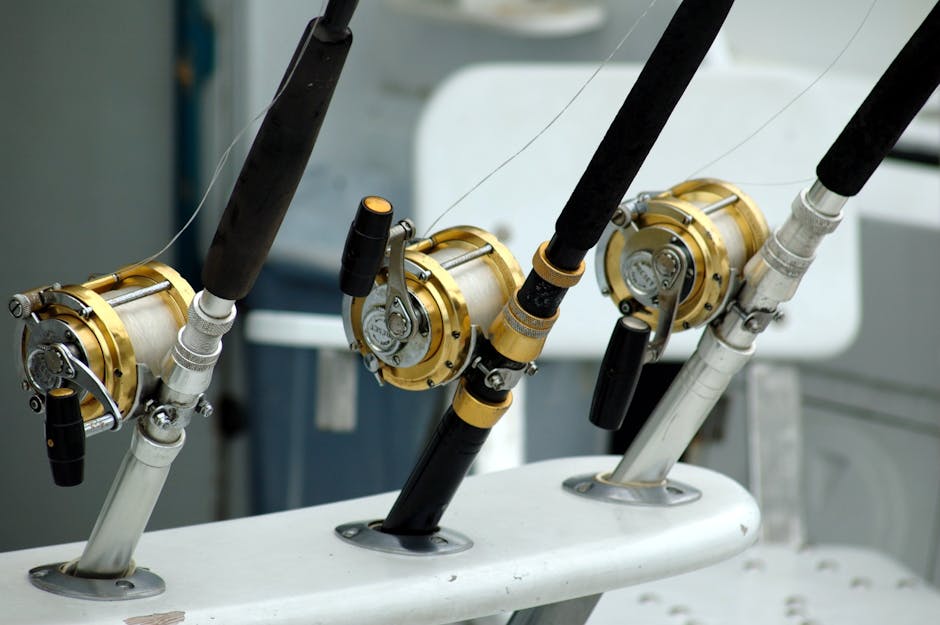
Choosing the best fishing line for your spinning reel can make all the difference between a great catch and a frustrating day on the water. You want a line that’s strong, smooth, and reliable, but with so many options out there, it’s easy to feel overwhelmed.
What if you could find the perfect line that matches your style, helps you cast farther, and keeps you connected to every bite? Keep reading, because you’ll discover exactly how to pick the ideal fishing line that boosts your spinning reel’s performance and makes every fishing trip more successful.
Types Of Fishing Lines
Choosing the right fishing line is important for spinning reels. Different types of lines have different features. They affect how you fish and what fish you catch.
There are three main types of fishing lines: monofilament, fluorocarbon, and braided lines. Each type works best for certain fishing conditions and styles.
Monofilament Lines
Monofilament lines are made from a single strand of nylon. They are soft, stretchy, and easy to handle. This makes them good for beginners.
These lines float on water and have good knot strength. They are usually less expensive than other types. They work well for light and medium fishing.
- Good stretch for shock absorption
- Float on water surface
- Easy to tie knots
- Less visible in water
- Affordable and widely available
Fluorocarbon Lines
Fluorocarbon lines are made from a special plastic that is nearly invisible underwater. This helps avoid spooking fish in clear water.
They are more resistant to abrasion and sink faster than monofilament. Fluorocarbon lines are good for fishing in rocky or weedy areas.
- Low visibility underwater
- High abrasion resistance
- Sinks faster than monofilament
- Less stretch than monofilament
- More expensive but durable
Braided Lines
Braided lines are made from many thin fibers woven together. They are very strong and thin compared to other lines of the same strength.
These lines have almost no stretch. They let you feel bites better and cast farther. Braided lines float on water and last a long time.
- Very high strength with thin diameter
- Almost no stretch for better sensitivity
- Floats on water surface
- Resistant to UV light and abrasion
- More visible in clear water

Credit: fishingbooker.com
Key Features To Consider
Choosing the best fishing line for spinning reels depends on several features. These features affect how well the line performs and how easy it is to use.
Knowing what to look for helps you pick the right line for different fishing conditions and fish types.
Strength And Durability
Strength is how much weight the line can hold before breaking. Durability means how well the line resists wear and tear.
Strong and durable lines last longer and handle big fish better. They resist cuts from rocks and sharp teeth.
- Check the line’s breaking strength (pound test)
- Look for abrasion resistance features
- Consider the type of fishing environment
Line Diameter
Line diameter is the thickness of the fishing line. Thinner lines cast farther and are less visible to fish.
Thicker lines are stronger but can reduce casting distance. Choose a diameter that balances strength and performance.
- Thinner lines improve casting distance
- Thicker lines are easier to handle
- Match diameter to the reel’s capacity
Stretch And Sensitivity
Stretch refers to how much a line can stretch under pressure. Sensitivity is how well you feel bites and movements.
Low-stretch lines offer better sensitivity. They help you detect light bites and improve hook sets.
- Monofilament lines stretch more
- Fluorocarbon lines have low stretch
- Braid lines have almost no stretch
Visibility In Water
Visibility is how easy it is for fish to see the line underwater. Clear lines are less visible and help catch wary fish.
Some lines come in bright colors to help anglers see the line above water. Choose visibility based on fishing conditions.
- Clear or green lines blend with water
- Bright lines help you track casts
- Match line color to water clarity
Best Lines For Different Fishing Styles
Choosing the right fishing line is key for a good catch. Different fishing styles need different types of lines. This helps you fish better and enjoy more.
We will look at the best lines for freshwater, saltwater, bass, and trout fishing. Each style has unique needs for the fishing line.
Freshwater Fishing
Freshwater fishing often uses lighter lines. These lines are good for lakes, rivers, and ponds. They help you feel bites better.
Monofilament and fluorocarbon lines are popular for freshwater. Monofilament is stretchy and easy to handle. Fluorocarbon is hard to see underwater.
- Monofilament: good for beginners, flexible and cheap
- Fluorocarbon: less visible, more abrasion resistant
- Light test strength: 4 to 10 pounds
Saltwater Fishing
Saltwater fishing needs strong, durable lines. Salt water wears down lines fast. Braided lines are best for this style.
Braid lines have no stretch and high strength. They let you feel small bites even in deep water. Use a leader to avoid fish seeing the braid.
- Braid: strong and sensitive
- Fluorocarbon leader: invisible to fish
- Test strength: 20 to 50 pounds or more
Bass Fishing
Bass fishing needs lines that can handle heavy cover. Bass hide in weeds and brush. A strong line stops breaks.
Fluorocarbon and braided lines work well. Fluorocarbon is good for clear water. Braided line is best for thick plants.
- Fluorocarbon: low visibility, strong
- Braid: high strength, good for thick cover
- Test strength: 10 to 30 pounds
Trout Fishing
Trout fishing needs thin, light lines. Trout are sensitive and can see thick lines easily. Fluorocarbon is the best choice.
Fluorocarbon lines sink fast. This helps your bait go deeper. Keep line test low to avoid spooking trout.
- Fluorocarbon: invisible and sinks fast
- Light test strength: 2 to 6 pounds
- Thin diameter for natural bait movement

Credit: www.reddit.com
Top Brands And Products In 2025
Choosing the best fishing line for spinning reels helps catch more fish. Different types of lines suit different fishing styles.
This guide shows top brands and products for 2025. Learn about monofilament, fluorocarbon, and braided lines.
Monofilament Picks
Monofilament lines are easy to handle and stretch well. They work great for beginners and general fishing.
Top brands offer strong, clear monofilament lines with good knot strength.
- Berkley Trilene XL – reliable and smooth casting
- Stren Original – affordable and durable
- SpiderWire Stealth – low memory and soft feel
Fluorocarbon Picks
Fluorocarbon lines are nearly invisible underwater. They resist abrasion and sink faster than monofilament.
These lines suit clear water fishing and cautious fish.
- Seaguar InvizX – clear and strong
- Pflueger Fluoroflex – soft and abrasion resistant
- Sunline Super FC Sniper – smooth casting and tough
Braided Picks
Braided lines have no stretch and offer high strength. They cast far and handle heavy cover well.
They are good for deep water and big fish.
- PowerPro Spectra – strong and durable
- SpiderWire Ultracast – smooth and sensitive
- Yamato Super PE – high strength and thin diameter
Tips For Line Maintenance
Taking care of your fishing line helps it last longer. Good maintenance keeps your line strong and reliable.
Proper care also improves your fishing experience. Follow simple steps to keep your line in top shape.
Proper Storage
Store your fishing line in a cool, dry place away from sunlight. Heat and sun can weaken the line.
Keep the line on the reel or spool to avoid tangles and damage. Avoid tight knots or bends that cause weak spots.
Regular Replacement
Replace your fishing line often, especially if you fish a lot. Old line can lose strength and break easily.
Check your line for cracks, frays, or discoloration before each use. These signs mean it is time to replace the line.
Knot Tying Techniques
Tying strong knots helps keep your line secure and prevents slipping. Learn simple knots that are easy to tie and hold well.
- Use the improved clinch knot for most fishing lines.
- Try the Palomar knot for extra strength.
- Always wet the line before tightening knots.
- Pull knots slowly and firmly to avoid damage.
Common Mistakes To Avoid
Choosing the best fishing line for spinning reels is important for a good fishing experience. Many anglers make simple mistakes that hurt their fishing success. Avoiding these errors helps improve your casting and catch rates.
Here are some common mistakes to watch out for when picking and using fishing lines on spinning reels.
Choosing The Wrong Line Strength
Picking a line that is too strong or too weak can cause problems. A line too weak breaks easily when a big fish bites. A line too strong reduces sensitivity and casting distance.
Match the line strength to the fish you want to catch. Check the reel and rod recommendations for line weight. Use lighter lines for small fish and stronger lines for bigger fish.
- Use 4-8 lb test for small fish like panfish or trout
- Use 8-12 lb test for medium fish like bass or walleye
- Use 12+ lb test for large fish like pike or catfish
Ignoring Line Memory
Line memory means the line keeps the shape of the spool. High memory causes coils and tangles. This makes casting hard and reduces line life.
Monofilament lines tend to have more memory. Fluorocarbon and braided lines usually have less. Store your line carefully and replace it if memory causes problems.
- Spool line evenly to reduce twists
- Use a line conditioner to lower memory
- Replace old line that causes tangles
Overlooking Environmental Factors
Water type and conditions affect which line works best. Saltwater can damage some lines faster. Clear water needs less visible lines to avoid spooking fish.
Pick lines that match the environment. Use saltwater-rated lines for ocean fishing. Choose clear or light-colored lines for clean water. In heavy cover, use stronger lines to avoid breaks.
- Saltwater: Use abrasion-resistant lines
- Clear water: Use fluorocarbon for low visibility
- Weedy or rocky areas: Use heavier or braided lines

Credit: fishgenix.com
Frequently Asked Questions
What Is The Best Fishing Line For Spinning Reels?
The best fishing line for spinning reels is usually a braided or fluorocarbon line. Braided lines offer strength and sensitivity, while fluorocarbon lines are nearly invisible underwater. Choose based on fish type, water clarity, and casting distance for optimal performance.
How To Choose Fishing Line Strength For Spinning Reels?
Choose fishing line strength based on the target fish species and fishing conditions. Light lines (4-8 lb test) suit small fish, while heavier lines (10-20 lb test) handle larger fish. Always match line strength to reel capacity for smooth casting and durability.
Why Is Fluorocarbon Good For Spinning Reels?
Fluorocarbon lines are ideal for spinning reels because they are nearly invisible underwater. They resist abrasion well and sink faster than other lines, improving lure presentation. This makes them perfect for clear water and finicky fish.
Can Braided Line Work With Spinning Reels?
Yes, braided line works well with spinning reels. It offers excellent strength, sensitivity, and casting distance. However, it’s thicker than monofilament, so use a fluorocarbon leader to reduce visibility and improve abrasion resistance.
Conclusion
Selecting the right fishing line is crucial for spinning reels. Consider the type of fish you target. Also, think about the water conditions. Monofilament suits beginners. It’s affordable and easy to handle. Braid offers strength and sensitivity. Ideal for heavy cover.
Fluorocarbon is nearly invisible underwater. Perfect for clear waters. Balance these factors to find your ideal line. Always match the line to your reel’s capacity. This ensures better casting and fewer tangles. Happy fishing!