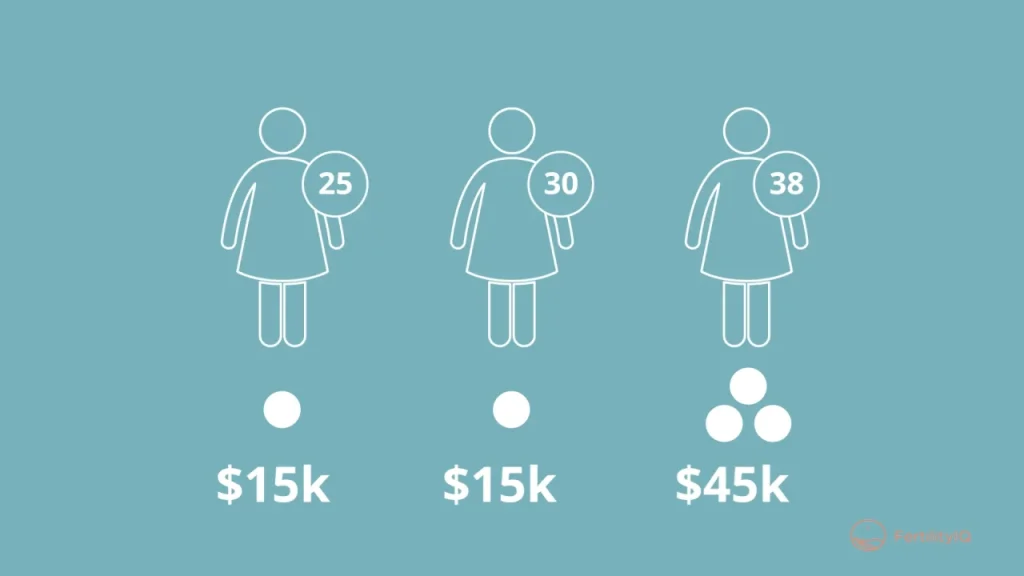
Are you considering freezing your eggs but worried about the costs involved? You’re not alone.
Many women are turning to egg freezing as a way to preserve their fertility and keep future family planning options open. But with this choice comes the inevitable question: what will it cost? Understanding the financial aspect is crucial in making an informed decision that aligns with your future goals and current situation.
We’ll break down the costs associated with egg freezing, so you can plan wisely and confidently. Stick with us, and you’ll discover not just the numbers, but also the value and peace of mind that comes with making such an empowering decision.

Credit: newlifefertility.com
Egg Freezing Basics
Understanding the basics of egg freezing can help you make informed decisions about your reproductive future. It’s a process that involves several steps, and knowing what to expect can ease any concerns you might have. Let’s break down how egg freezing works, who it’s best suited for, and what success really looks like.
How Egg Freezing Works
Egg freezing starts with stimulating your ovaries to produce multiple eggs instead of the usual one per cycle. You’ll receive hormone injections for about 10 to 14 days to encourage this growth.
Once the eggs mature, a minor procedure called egg retrieval collects them from your ovaries. The eggs are then frozen using a method called vitrification, which prevents ice crystals from damaging them.
Frozen eggs can be stored for years, giving you flexibility about when to use them. When you’re ready, the eggs are thawed, fertilized, and implanted to achieve pregnancy.
Who Should Consider It
Egg freezing is a good option if you want to delay having children but worry about declining fertility with age. Women facing medical treatments like chemotherapy that may affect fertility often choose this path.
If you’re not in a stable relationship or want to focus on career goals, freezing your eggs can be a form of reproductive insurance. However, it’s important to consider your age because younger eggs tend to have better outcomes.
Have you thought about your fertility timeline? Taking control now can open doors later.
Success Rates And Factors
Success rates depend heavily on your age at the time of freezing. Women under 35 generally have higher chances of pregnancy using frozen eggs than those over 38.
Other factors include the number of eggs retrieved and the quality of those eggs. Clinics often recommend freezing 10 to 20 eggs to improve the odds of a future pregnancy.
Remember, not every frozen egg will survive thawing or fertilize successfully. Talking to your doctor about your personal chances can help set realistic expectations.
Cost Breakdown
Understanding the cost breakdown of freezing your eggs helps you plan financially and avoid surprises. Each stage of the process comes with its own price tag, and knowing what to expect can make the journey smoother. Let’s look closely at where your money goes.
Initial Consultation And Testing
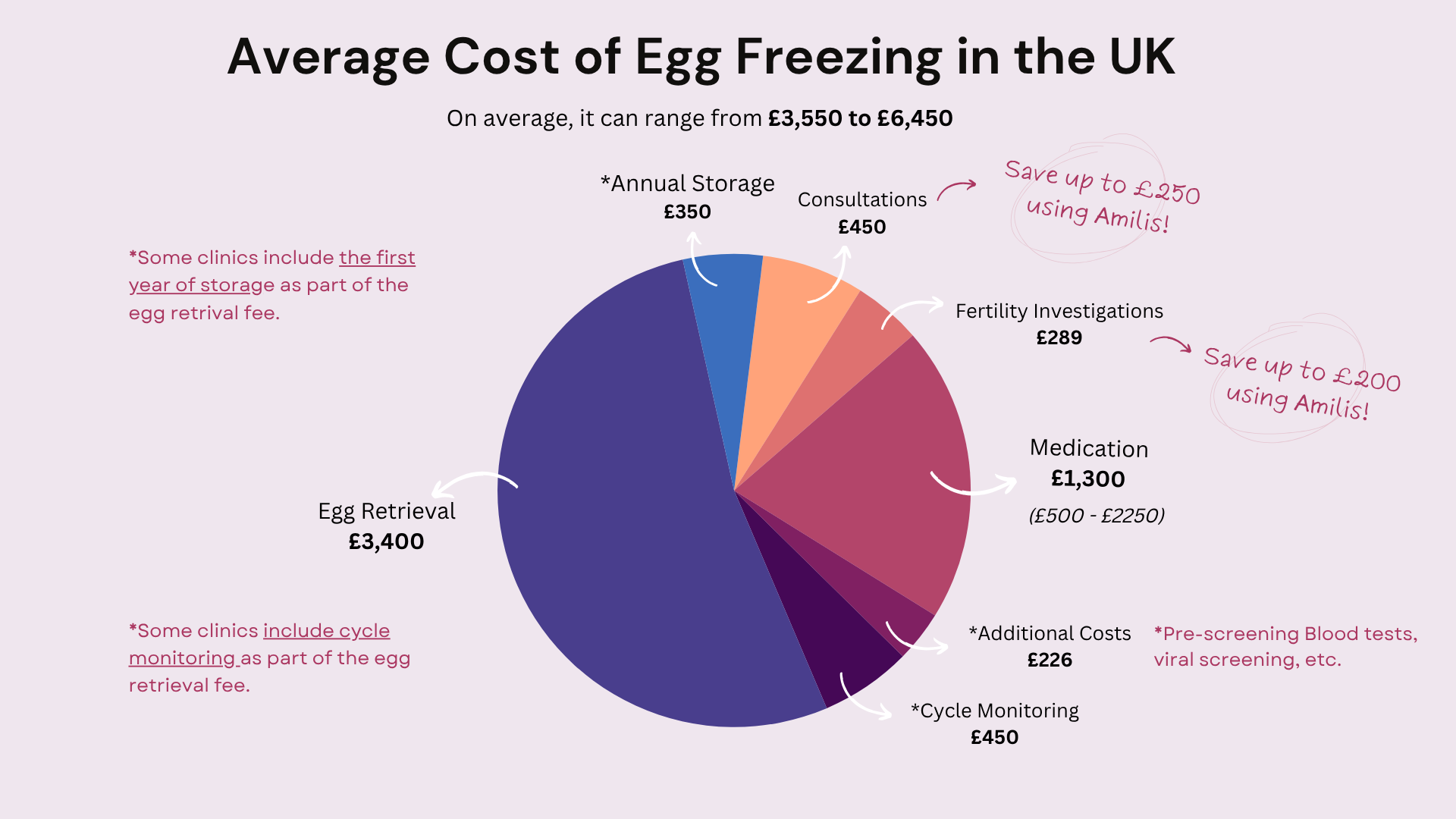
Your first visit to the fertility clinic includes a consultation and a series of tests. These assess your ovarian reserve and overall health to ensure you’re a good candidate. Expect to pay around $300 to $500 for this initial step, which sets the foundation for everything that follows.
Medication Expenses
Medications stimulate your ovaries to produce multiple eggs. This part can be surprisingly costly, often ranging from $2,000 to $5,000. Prices vary depending on the type and dosage prescribed, so ask your doctor for a detailed medication plan upfront.
Procedure Fees
The egg retrieval procedure itself usually costs between $6,000 and $10,000. This fee covers the use of the surgical suite, anesthesia, and the expertise of your fertility specialist. Remember, this is a one-time charge per cycle, but many women need more than one cycle.
Storage Charges
Once your eggs are frozen, they need to be stored safely in a lab. Storage fees typically cost around $500 to $1,000 per year. Consider how long you might want to keep your eggs stored, as these charges add up over time.
Future Thawing And Ivf Costs
Thawing your eggs and using them in an IVF cycle incurs separate costs. Thawing can range from $1,500 to $3,000, while IVF itself may cost $10,000 to $15,000 or more per cycle. Planning for these expenses now can save you stress later.
Factors Affecting Price
Several factors influence the cost to freeze your eggs. Understanding these factors helps you plan your budget better. Prices vary widely depending on different elements. These aspects affect both the initial and ongoing expenses.
Geographical Location
Egg freezing costs differ by region and country. Cities with higher living costs tend to have higher prices. Rural areas or smaller towns usually offer lower rates. Travel expenses may add to the total cost if you choose a distant clinic.
Clinic Reputation
Top-rated clinics often charge more for their services. Experienced doctors and advanced technology increase costs. Clinics with better success rates may justify higher prices. Research clinic reviews and success stories before deciding.
Number Of Cycles Needed
The number of egg freezing cycles impacts the total cost. Some women require one cycle; others need multiple attempts. Each cycle includes hormone injections, monitoring, and egg retrieval. More cycles mean higher overall expenses but increase egg quantity.
Insurance Coverage
Most insurance plans do not cover egg freezing costs. Some employers offer fertility benefits that may help reduce expenses. Check your insurance policy and employer benefits carefully. Out-of-pocket payments are common in this process.
Credit: www.amilis.co.uk
Financial Planning Tips
Freezing your eggs is a big financial decision. Planning your budget carefully can reduce stress. Knowing your options helps you manage costs better. Smart financial planning makes the process smoother and more affordable.
Saving Strategies
Start by setting aside a small amount regularly. Create a dedicated savings account just for egg freezing. Cut back on non-essential expenses to boost your savings faster. Track your spending to find more saving opportunities.
Financing Options
Look into personal loans that offer low interest rates. Some clinics offer payment plans to spread costs over time. Credit cards can help but be cautious with interest charges. Choose a financing option that fits your budget comfortably.
Using Health Savings Accounts
Check if your health savings account (HSA) covers egg freezing. HSAs allow you to use pre-tax dollars for medical expenses. This reduces your overall cost by lowering taxable income. Confirm with your HSA provider before using funds.
Employer Benefits
Ask your employer if they cover egg freezing in health benefits. Some companies offer fertility benefits as part of their plans. This can greatly reduce your out-of-pocket costs. Review your benefits package to understand coverage and limits.
Alternatives And Additional Considerations
Considering the cost of freezing your eggs is just one part of the bigger picture. You might want to look at other options and think about what fits best with your personal and medical situation. Understanding alternatives and additional factors can help you make a choice that feels right for you.
Egg Donation
Egg donation can be a less expensive alternative if you’re open to helping someone else conceive. Donors typically receive compensation, but the process is costly and time-consuming for them. If you’re considering this path, you should weigh the emotional and physical commitment required.
Are you comfortable with the idea of donating your eggs? Think about the long-term feelings you might have about this decision.
Fertility Preservation For Medical Reasons
Freezing eggs is not just for those delaying parenthood by choice. Many women freeze eggs before medical treatments like chemotherapy, which can harm fertility. Insurance may cover part or all of the cost if freezing is for medical reasons, reducing your out-of-pocket expenses.
Have you checked whether your insurance policy supports fertility preservation? This could be a significant factor in your budgeting.
Emotional And Physical Impact
Egg freezing isn’t just a financial investment; it takes a toll on your body and emotions. Hormone injections, frequent doctor visits, and the retrieval procedure can be stressful and uncomfortable. It’s important to prepare yourself mentally and physically before starting.
Do you have a support system in place? Talking openly with friends or a counselor can make the process easier to handle.

Credit: www.nurettinturktekin.com
Frequently Asked Questions
What Is The Average Cost To Freeze Eggs?
The average cost to freeze eggs ranges from $6,000 to $15,000. This includes ovarian stimulation, egg retrieval, and initial freezing. Annual storage fees, typically $500 to $1,000, are extra. Costs vary by clinic location and individual medical needs.
Are There Additional Fees Beyond Egg Freezing?
Yes, additional fees may include medication, anesthesia, and yearly storage. Medications can cost $2,000 to $5,000. Anesthesia fees vary by clinic. Long-term storage fees apply annually and can increase overall expenses.
Does Insurance Cover Egg Freezing Costs?
Most insurance plans do not cover egg freezing as it’s often elective. Some employers offer fertility benefits that may include coverage. Check with your insurance provider to understand your specific plan’s fertility coverage.
How Many Cycles Of Egg Freezing Are Needed?
Most women undergo one to three cycles to freeze enough eggs. Each cycle improves the chances of future pregnancy. The exact number depends on age, ovarian reserve, and personal goals.
Conclusion
Egg freezing costs vary based on location and clinic. Planning your budget helps avoid surprises later. Consider consultation, medication, and storage fees in total expenses. Many choose egg freezing for future family options and peace of mind. Research and ask questions before deciding.
Take time to weigh your options carefully. Your health and finances both deserve attention. This choice is personal and important.