If you’re working with Hardie board, you know it’s tough and durable—just what you want for your project. But cutting it?
That can be tricky if you don’t have the right tools. You might be wondering, “What can I use to cut Hardie board without damaging it or making a mess? ” The good news is, with the right blade and technique, you can get clean, precise cuts every time.
Keep reading, and you’ll discover exactly what tools work best for cutting Hardie board and how to use them safely and effectively. This simple knowledge will save you time, frustration, and help your project look professional.
Credit: bestexteriorsinc.com
Types Of Hardie Board
Hardie board is a popular siding material for homes and buildings. It is known for its durability and resistance to weather.
There are several types of Hardie board. Each type differs in composition, thickness, and uses.
Composition And Thickness
Hardie board is made from cement, sand, and cellulose fibers. This mix makes it strong and fire-resistant.
The thickness of Hardie boards varies. Common thicknesses include ¼ inch, ⅜ inch, ½ inch, and 5/8 inch.
- ¼ inch is used for panels and trim
- ⅜ inch and ½ inch are common for siding
- 5/8 inch is thicker and used for special applications
Common Uses In Construction
Hardie board is used mainly for siding on homes and buildings. It protects walls from rain, wind, and fire.
It is also used for trim, soffits, and fascia. Builders choose Hardie board for its long life and low maintenance.
- Exterior siding for houses
- Trim around windows and doors
- Soffits under roof eaves
- Fascia boards on roof edges
Safety Precautions
Cutting Hardie board requires care to avoid injuries. Use the right tools and follow safety rules.
Dust from Hardie board can harm your lungs. Always protect yourself well before cutting.
Protective Gear
Wear protective gear to keep safe from dust and sharp edges. Use a dust mask or respirator to stop breathing in harmful particles.
Wear safety glasses to shield your eyes from dust and flying chips. Gloves will protect your hands from cuts and splinters.
- Dust mask or respirator
- Safety glasses or goggles
- Work gloves
- Long sleeves to protect arms
- Hearing protection if using power tools
Safe Handling Tips
Handle the Hardie board carefully to avoid damage and injury. Always support the board firmly while cutting.
Cut in a well-ventilated area to reduce dust. Clean the workspace after cutting to remove dust and debris.
- Use clamps to hold the board steady
- Cut slowly to reduce dust and splinters
- Keep fingers clear of the blade
- Keep your work area clean
- Dispose of dust safely
Hand Tools For Cutting
Hardie board is a popular siding material that needs proper cutting tools. Hand tools can work well for small jobs or precise cuts. Using the right method makes the work easier and cleaner.
This guide explains two hand tool techniques for cutting Hardie board safely and effectively. These methods do not require power tools and are great for simple tasks.
Utility Knife Techniques
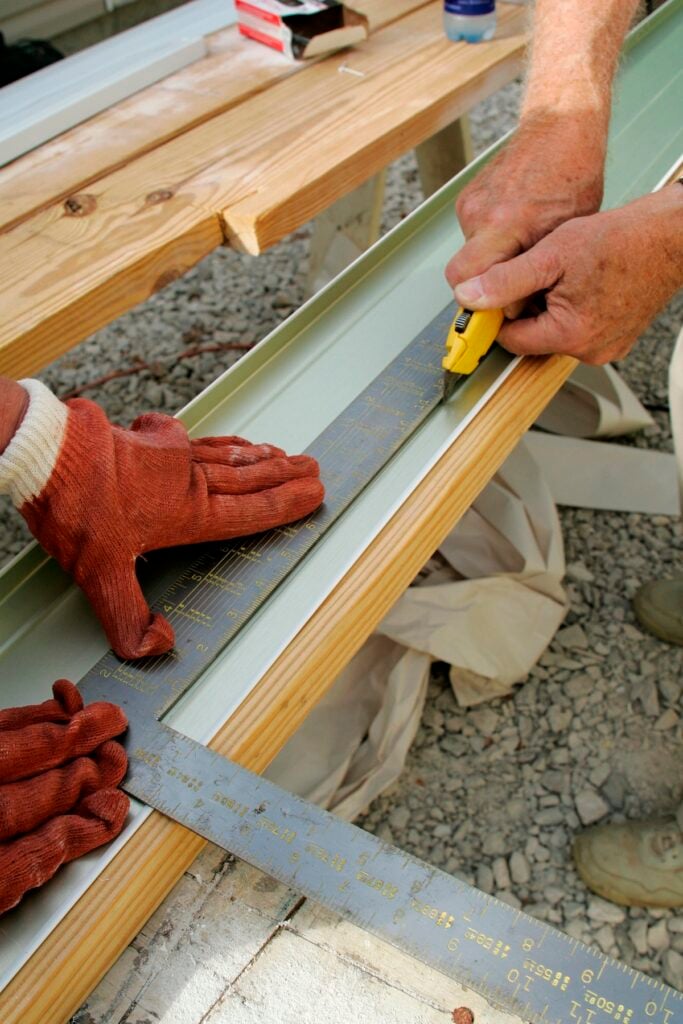
A sharp utility knife is a common hand tool to cut Hardie board. The board is scored deeply with the knife, then snapped along the score line.
- Use a straightedge to guide the knife for a clean line.
- Score the board several times with firm pressure.
- Make sure the blade is sharp for easier cutting.
- Wear gloves and eye protection for safety.
- Snap the board by bending it away from the scored line.
Scoring And Snapping Method
This method uses scoring and snapping to cut the board without saws. It is simple and creates less dust than sawing.
| Step | Action | Tip |
|---|---|---|
| 1 | Place board on a flat surface with space below the cut line. | Supports the board during snapping. |
| 2 | Score deeply along the cut line using a utility knife and straightedge. | Make multiple passes for a clean break. |
| 3 | Bend the board away from the scored line until it snaps. | Apply even pressure for a smooth break. |
Power Tools For Cutting
Hardie board is a tough material made from fiber cement. Cutting it needs strong tools to get clean results.
This guide explains which power tools work best for cutting Hardie board safely and accurately.
Circular Saws With Carbide Blades
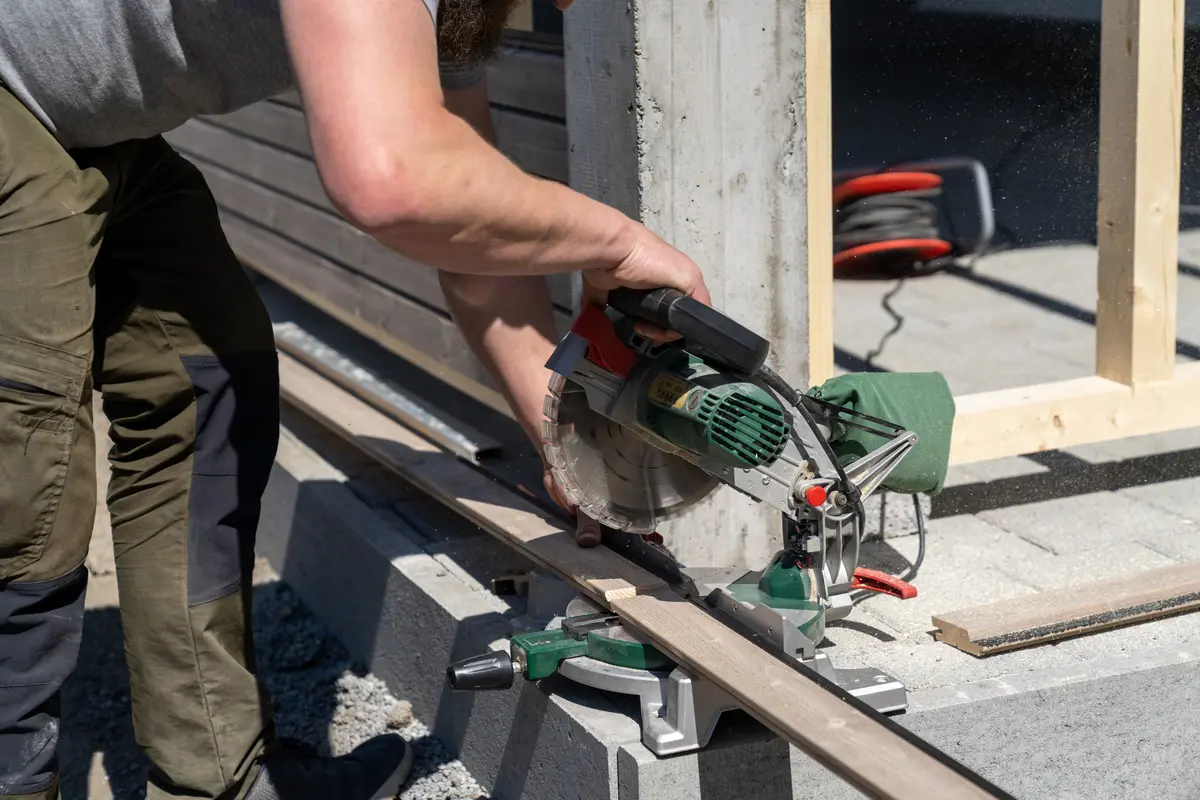
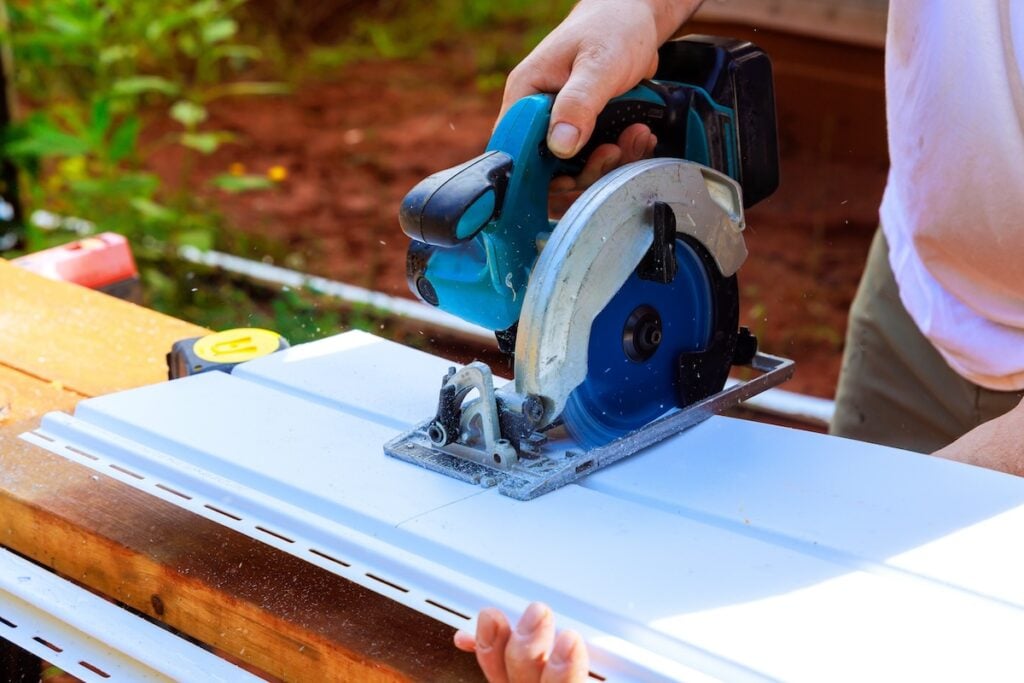
Circular saws with carbide-tipped blades cut Hardie board well. The blades stay sharp and handle the material’s hardness.
- Use a blade with 60 to 80 teeth for smoother cuts
- Wear a dust mask to protect from cement dust
- Cut slowly to avoid chipping the edges
- Support the board firmly to keep it steady
Jigsaws And Reciprocating Saws
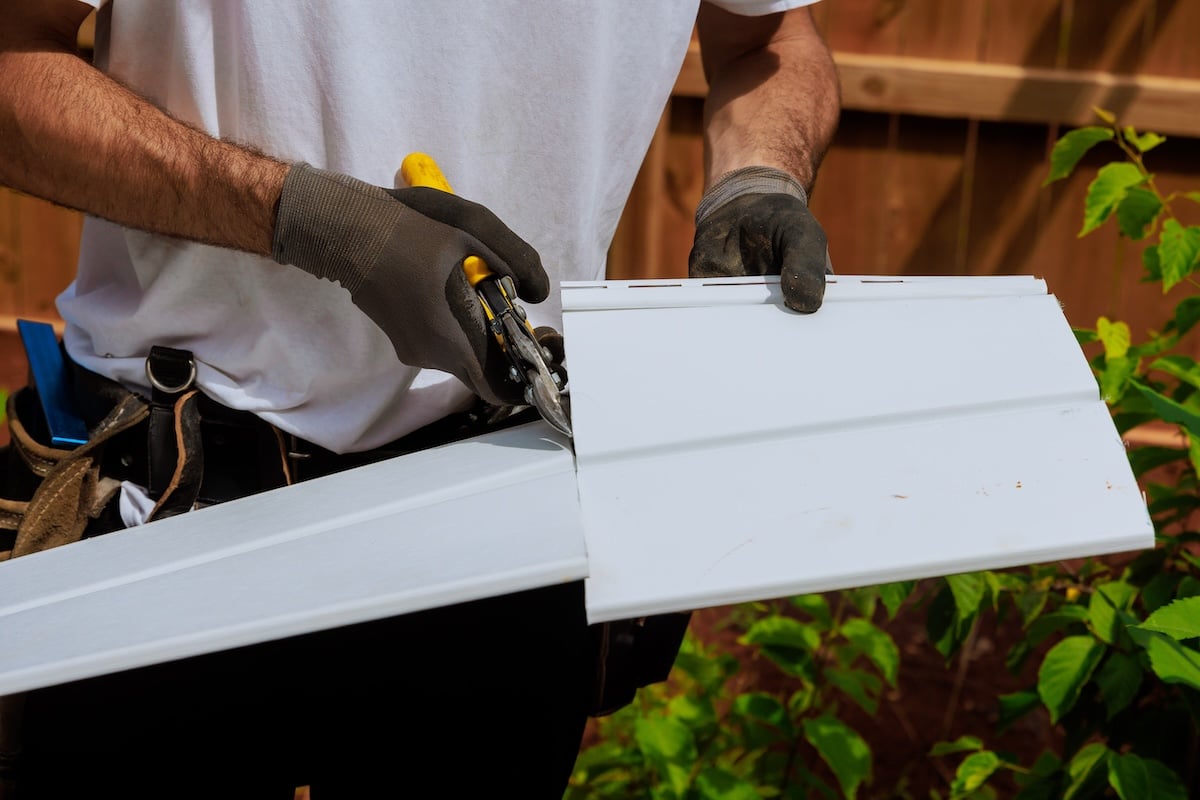
Jigsaws and reciprocating saws handle curves and small cuts on Hardie board. Choose blades designed for fiber cement.
| Tool | Best Blade Type | Cut Type |
| Jigsaw | Carbide-grit blade | Curves and detailed cuts |
| Reciprocating Saw | Carbide-grit blade | Rough cuts and demolition |
Angle Grinders
Angle grinders fit diamond or carbide blades. They cut Hardie board fast but need control to avoid damage.
Tips for using angle grinders:
- Use a blade made for fiber cement or masonry
- Wear eye protection and a dust mask
- Keep the grinder steady to avoid deep cuts
- Work outdoors or in a ventilated area
Cutting Tips For Clean Edges
Cutting Hardie board with clean edges requires careful preparation. Using the right tools and methods helps avoid rough cuts and damage.
This guide covers key tips for marking and measuring accurately and reducing dust and debris during cutting.
Marking And Measuring Accurately
Start by measuring your Hardie board carefully. Use a tape measure and mark the cut lines clearly with a pencil. Double-check all measurements before cutting.
- Use a straight edge or ruler to draw lines.
- Mark both sides of the board to guide the saw.
- Measure twice to prevent mistakes.
- Keep the markings light but visible.
Reducing Dust And Debris
Cutting Hardie board creates dust that can be harmful if inhaled. Use tools and methods that help reduce dust and keep your work area clean.
| Method | Tool Needed | Benefit |
| Wet Cutting | Water Spray or Hose | Reduces airborne dust |
| Vacuum Attachment | Shop Vacuum | Collects dust at the source |
| Dust Mask | Respirator Mask | Protects your lungs |
Credit: veteranscontractingllc.com
Tool Maintenance
Cutting Hardie Board requires sharp and well-maintained tools. Proper care helps your tools last longer and work better.
Keeping your blades clean and replacing them when needed ensures smooth and safe cuts on Hardie Board.
Blade Care And Replacement
Blade care is important for cutting Hardie Board cleanly. A dull blade can cause rough edges and damage the material.
Check your blade regularly. Replace it if you see chips, rust, or dullness. Use blades designed for fiber cement or Hardie Board.
- Inspect blades before each use
- Use carbide-tipped blades for best results
- Replace blades after heavy use or damage
- Store blades in a dry place to avoid rust
Cleaning After Use
Clean your tools after cutting Hardie Board. Dust and debris can build up and reduce tool performance.
Use a brush or compressed air to remove dust. Wipe blades with a dry cloth to prevent rust and keep them ready for next use.
- Remove dust from blades and tool surfaces
- Use a dry cloth to wipe off moisture
- Store tools in a clean, dry place
Credit: bestexteriorsinc.com
Frequently Asked Questions
What Tools Cut Hardie Board Effectively?
To cut Hardie board effectively, use a circular saw with a carbide-tipped blade. A fiber cement saw blade is ideal. Always wear safety glasses and a dust mask. For small cuts, a utility knife or scoring tool works well. Ensure you follow the manufacturer’s safety guidelines when cutting.
Can I Use A Jigsaw On Hardie Board?
Yes, a jigsaw can be used on Hardie board, but it’s not ideal for long cuts. Use a carbide-grit blade for best results. Ensure the jigsaw is set to a low speed to prevent excessive dust. Always wear protective gear, including goggles and a dust mask.
Is A Wet Saw Suitable For Cutting Hardie Board?
A wet saw is suitable for cutting Hardie board, especially for precise cuts. The water reduces dust and cools the blade. Use a diamond blade for best performance. Ensure your work area is well-ventilated and follow all safety precautions, including wearing protective eyewear and a dust mask.
Do I Need Special Blades For Hardie Board?
Yes, special blades are required for cutting Hardie board efficiently. Use carbide-tipped or diamond blades for clean cuts. These blades reduce dust and prolong tool life. Ensure the blade is sharp and appropriate for fiber cement. Always follow safety guidelines, including wearing protective eyewear and a dust mask.
Conclusion
Cutting Hardie board needs the right tools for best results. Use a saw with a carbide blade for clean cuts. Score and snap methods work for thin pieces. Always wear safety gear to protect your eyes and lungs. Take your time and measure twice before cutting.
Following these tips makes your project easier and safer. Now you know how to cut Hardie board properly. Ready to start your next siding or trim job?