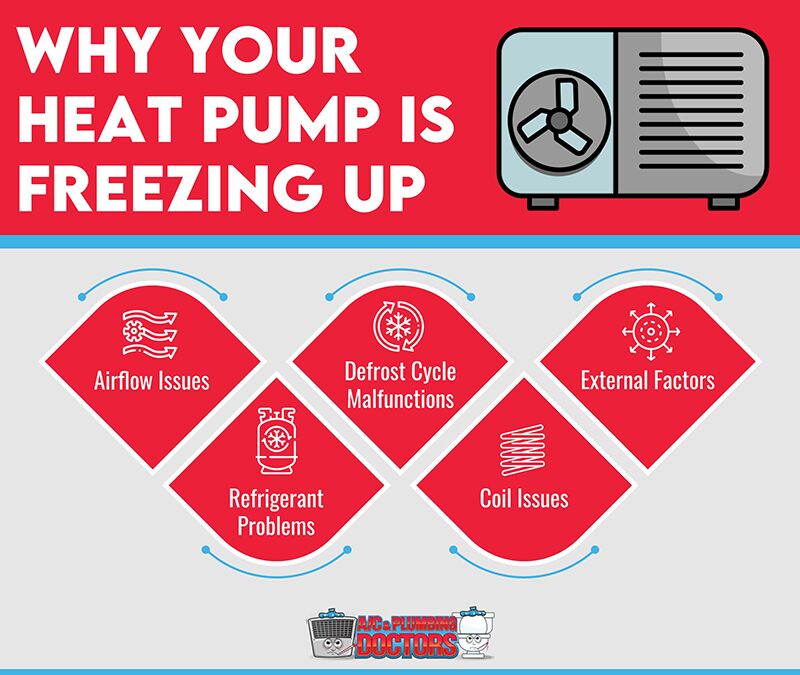
You’ve just noticed that your heat pump has frozen over. Panic sets in as you wonder if your home will soon resemble a winter wonderland.
Don’t worry; you’re not alone. Many homeowners face this chilly dilemma, and the good news is there are simple steps you can take to solve it. You’ll discover exactly what causes a heat pump to freeze and, more importantly, what you can do to fix it.
Whether you’re dealing with a minor frost or a complete ice block, this guide will give you the tools you need to keep your home warm and cozy. Read on to uncover the secrets to maintaining a frost-free heat pump and ensure your comfort all season long.

Credit: aristotleair.com
Signs Of A Frozen Heat Pump
Recognizing the signs of a frozen heat pump early can prevent costly repairs. A frozen unit stops working efficiently and can damage the system. Knowing what to watch for helps you act quickly and safely.
Common Symptoms To Watch For
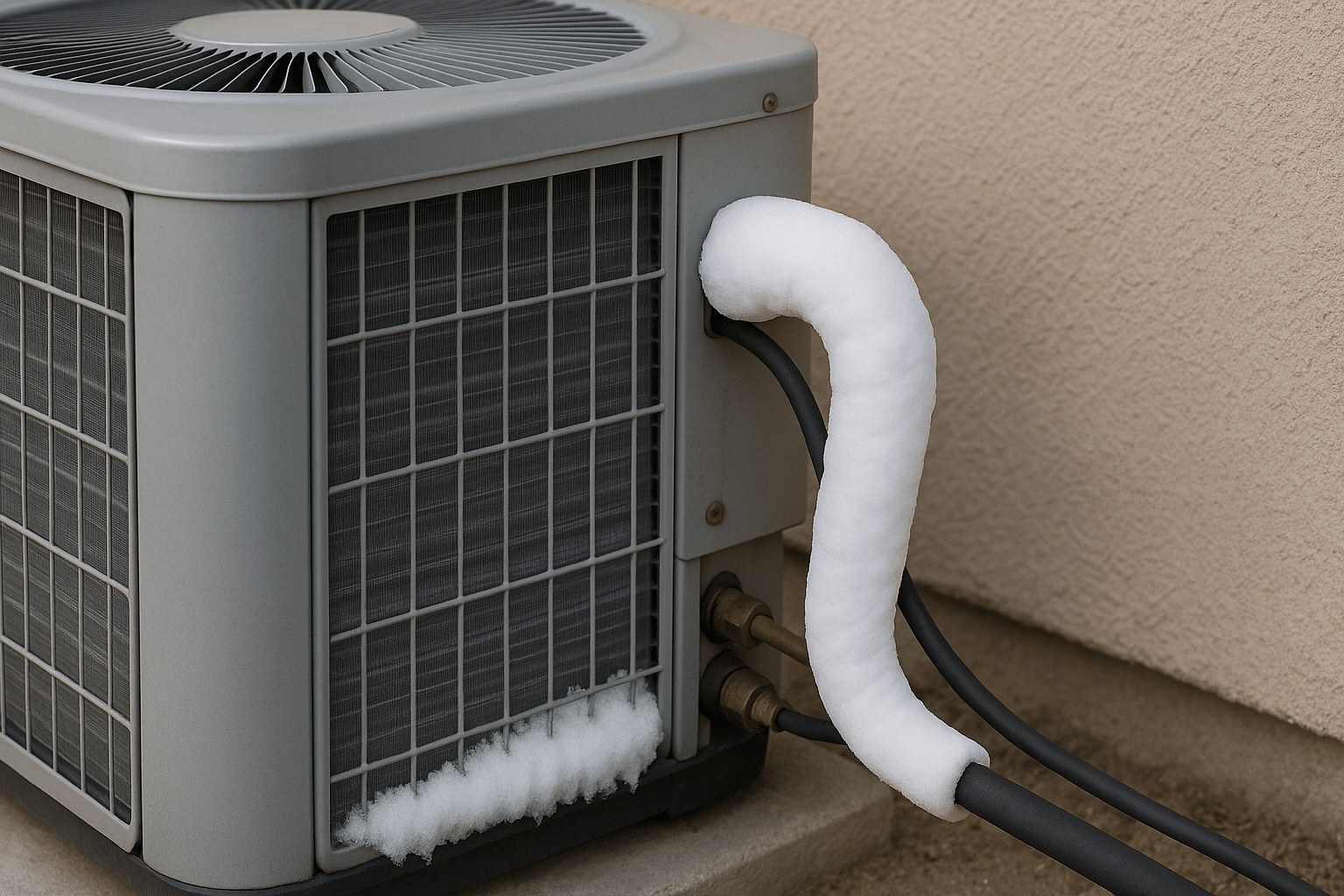
- Ice buildup on the outdoor unit or coils
- Reduced or no warm air inside the home
- Unusual noises like buzzing or humming from the pump
- Longer running times without reaching the set temperature
- Visible frost or ice on refrigerant lines
How To Inspect Your Unit Safely
Turn off the heat pump before inspecting it. Avoid touching ice or frozen parts directly.
Use a flashlight to check for ice on coils and pipes. Look for moisture or frost build-up.
Do not attempt to remove ice with sharp tools or hot water. This can damage the unit.
Wear gloves and stand on dry ground to avoid slipping. Stay clear of electrical components.
Immediate Steps To Thaw Your Heat Pump
When a heat pump freezes up, quick action can prevent damage. Thawing it safely requires careful steps. Immediate attention helps restore its function and avoids costly repairs. Follow these simple guidelines to start thawing your heat pump effectively.
Turning Off The System
First, switch off the heat pump at the thermostat. Also, turn off the power at the breaker panel. This stops the system from running while frozen. Running a frozen pump can cause more harm. Safety comes first during the thawing process.
Using Warm Air To Melt Ice
Use a hairdryer on a low setting to warm frozen parts. Keep the dryer moving to avoid overheating one spot. Warm air helps ice melt gradually without shocks. Avoid using open flames or hot water. These can damage the pump or cause injury.
Avoiding Damage During Thawing
Never chip or hit the ice off the pump. This can harm the coils or fins. Avoid pouring boiling water; sudden heat may crack parts. Allow ice to melt naturally with gentle warmth. Check the area for proper drainage to prevent refreezing.
Preventing Future Freezing Issues
Preventing your heat pump from freezing up again is essential to keep it running smoothly and avoid costly repairs. Taking simple, proactive steps can save you from the frustration of dealing with a frozen unit during the cold season. Let’s look at practical ways you can reduce the risk of future freezing problems.
Regular Maintenance Tips
Regular maintenance is the backbone of preventing freezing issues. Clean or replace your air filters every 1-3 months to keep airflow strong and consistent. Dirt and debris can block the system, causing it to work harder and freeze up.
Check the outdoor unit for ice buildup or debris like leaves and snow. Removing any obstruction ensures the heat pump can breathe properly. Have a professional inspect your system annually to catch small problems before they become big freezes.
Improving Airflow Around The Unit
Have you noticed how clutter around your outdoor heat pump can cause trouble? Make sure at least two feet of clear space surrounds the unit. Trim back bushes, remove snow promptly, and avoid stacking items nearby.
Good airflow helps the heat pump release heat efficiently. Blocked airflow forces the unit to work harder, increasing the chance of freezing. Think about how a fan works—without space to move air, it can’t cool properly, and your heat pump is no different.
Checking Refrigerant Levels
Low refrigerant levels can cause your heat pump to freeze up by lowering the temperature inside the coils. If you notice your unit frequently freezing, it might be time to check the refrigerant. This isn’t a DIY job—call a certified technician to measure and recharge it if needed.
Ignoring refrigerant issues can lead to poor performance and higher energy bills. Have you ever experienced your heat pump running but not heating? That could be a sign of a refrigerant leak or imbalance. Catching it early can prevent freezing and extend your unit’s life.

Credit: www.youtube.com
When To Call A Professional
Knowing when to call a professional for a frozen heat pump can save you time, money, and prevent further damage. Some issues look simple but hide bigger problems that only an expert can handle. Recognizing these signs early helps you avoid costly repairs and keeps your home comfortable.
Signs Of Serious Problems
If your heat pump keeps freezing despite regular defrost cycles, it’s a red flag. Notice if ice builds up quickly or returns right after you remove it. Another warning sign is unusual noises like banging or grinding, which could mean internal damage.
Pay attention to your energy bills too. A sudden spike might indicate your heat pump is working harder to keep up. Also, if your home isn’t heating evenly or the system shuts off unexpectedly, these are serious signals.
What To Expect From A Technician Visit
A qualified technician will start with a thorough inspection of your heat pump’s components. They check refrigerant levels, electrical connections, and the defrost system’s function. Expect them to clean or replace filters and clear any blockages in airflow.
They might also perform pressure tests to detect leaks and evaluate the thermostat’s accuracy. After diagnosis, the technician will explain the problem and offer repair options. They can help you decide if fixing your heat pump is worth it or if replacement is a better choice.
Have you ever experienced a frozen heat pump that just wouldn’t stop icing up? Calling a professional might be the best step to protect your comfort and avoid bigger headaches down the line.
Energy Efficiency And Frozen Heat Pumps
Energy efficiency is a key reason many homeowners choose heat pumps. But when your heat pump freezes up, its ability to save energy takes a big hit. Understanding how ice impacts your unit helps you spot problems early and keep your system running smoothly.
How Ice Affects Performance
Ice buildup blocks the heat exchange process, making your heat pump work harder to heat your home. This extra effort uses more electricity, which defeats the purpose of an energy-efficient system. You might notice your home takes longer to warm up or that the unit cycles on and off more frequently.
Have you ever felt your heat pump working overtime during a cold snap? That’s usually a sign ice is slowing it down. The compressor and fans strain, which can cause premature wear and tear. Addressing the ice quickly prevents bigger problems down the line.
Cost Implications Of Ignoring The Issue
Ignoring a frozen heat pump can lead to higher energy bills. Since the system uses more power to reach the desired temperature, your monthly costs can spike unexpectedly. This doesn’t just affect your wallet—it can also shorten the lifespan of your unit.
Repair costs add up if ice causes damage to internal components like the compressor. In some cases, you might face expensive replacements instead of simple fixes. Can you afford to wait and see, or is it better to act as soon as you notice ice buildup?
Credit: serviceplusheatingcooling.ca
Frequently Asked Questions
Why Does My Heat Pump Freeze Up?
Heat pumps freeze due to poor airflow, low refrigerant levels, or dirty filters. Cold outdoor temperatures can worsen icing. Regular maintenance helps prevent freezing issues.
How Can I Safely Defrost A Frozen Heat Pump?
Turn off the heat pump and let the ice melt naturally. Avoid using sharp tools to remove ice. Clean filters and ensure proper airflow before restarting.
What Causes Poor Airflow In Heat Pumps?
Clogged air filters, blocked vents, or dirty coils reduce airflow. This limits heat exchange, causing freezing. Regular filter changes and cleaning improve airflow and efficiency.
When Should I Call A Professional For Heat Pump Freezing?
If freezing repeats after defrosting or if you notice unusual noises, turn off the unit and call a technician. They can check refrigerant levels and mechanical issues.
Conclusion
A frozen heat pump can cause discomfort and higher bills. Act quickly to check for ice buildup and clear it safely. Keep filters clean and make sure airflow is good. Regular care helps prevent freezing in cold weather. Call a professional if problems continue or seem serious.
Staying on top of maintenance keeps your heat pump working well. Small steps can save money and avoid bigger repairs. Remember, a little attention goes a long way in winter.