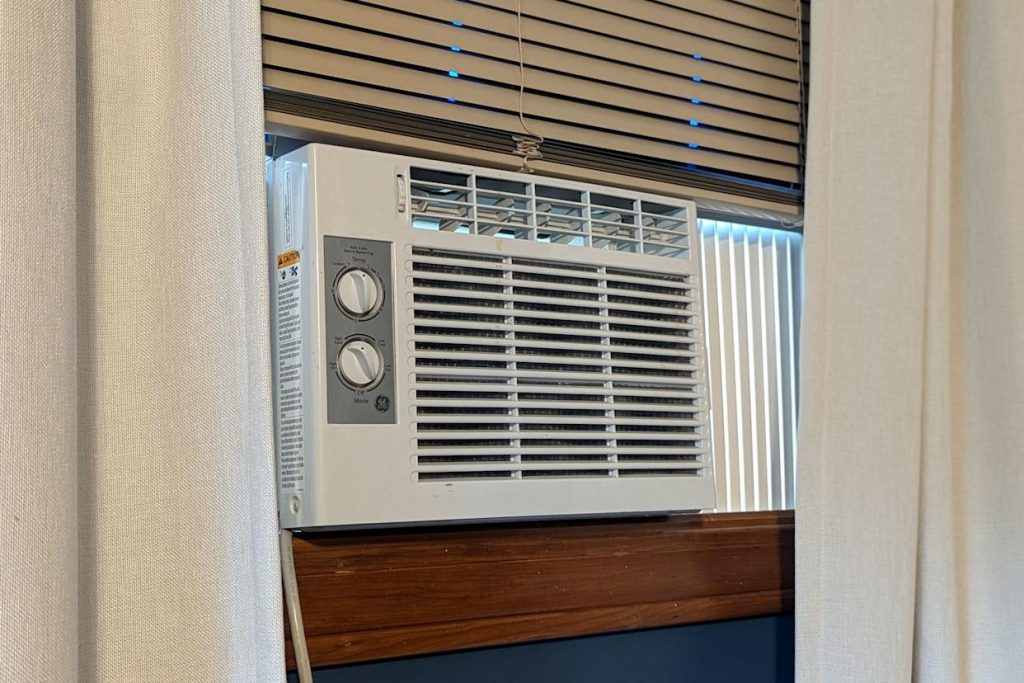
What do you do when your old air conditioner stops working or just doesn’t cool like it used to? Throwing it away might seem like the easiest option, but there’s more to consider.
Your old AC unit could still have value, or maybe there’s a smarter way to get rid of it without harming the environment or wasting money. You’ll discover practical, simple steps to handle your old air conditioner. Whether you want to save cash, help the planet, or just clear out space, keep reading—you’ll find solutions that make sense for you.
Credit: www.georgiaairrepair.com
Environmental Impact Of Old Air Conditioners
Old air conditioners can harm the environment in many ways. They use outdated technology that wastes energy.
These units often contain harmful chemicals that leak into the air and water. Understanding these impacts helps us act responsibly.
Energy Consumption And Waste
Old air conditioners use more electricity than new models. This causes more pollution from power plants. High energy use also raises your utility bills.
Refrigerants And Their Effects
Many old air conditioners contain refrigerants like CFCs and HCFCs. These chemicals damage the ozone layer and increase global warming.
- They can leak during use or disposal.
- Ozone layer damage raises skin cancer risks.
- Global warming causes climate change.
Proper Disposal Methods
Throwing away old air conditioners in landfills can harm soil and water. Toxic parts may leak and pollute the environment.
| Disposal Method | Environmental Impact |
|---|---|
| Recycling | Recovers metals and plastics, reduces waste |
| Professional Refrigerant Removal | Prevents harmful gas leaks |
| Landfill Dumping | Pollutes soil and groundwater |
Benefits Of Upgrading To New Units
New air conditioners use less energy and safer refrigerants. They reduce your carbon footprint and protect the environment.
Smart Recycling Options
Old air conditioners should not be thrown in the trash. They contain materials that can harm the environment. Recycling helps save resources and reduce waste.
There are smart ways to recycle your old air conditioner safely. You can use local programs, manufacturer services, or hire professionals.
Local Recycling Programs
Many cities and towns offer recycling programs for old appliances. These programs accept air conditioners for safe disposal. They often remove harmful chemicals properly.
Check with your local waste management office for details. They may have special days or drop-off locations for large appliances.
- Find local collection events
- Use designated drop-off centers
- Follow guidelines for appliance recycling
Manufacturer Take-back Initiatives
Some air conditioner makers offer take-back programs. They accept old units when you buy a new one. This helps ensure proper recycling.
These programs often cover pick-up or drop-off services. The manufacturers recycle parts and handle refrigerants safely.
- Contact the manufacturer before disposal
- Ask about trade-in or recycling options
- Follow their instructions for returning units
Professional Recycling Services
Specialized recycling companies handle old air conditioners. They remove harmful materials and recycle metal, plastic, and refrigerants. Hiring them ensures safe disposal.
These services may pick up your unit from home. They follow environmental rules and recycle parts properly.
- Search for certified appliance recyclers
- Confirm they handle refrigerants safely
- Schedule pick-up or drop-off service
Repurposing Ideas
Old air conditioners can be reused in creative ways instead of throwing them away. You can give them a new life by turning them into useful or decorative items.
Repurposing helps reduce waste and adds unique style to your home. Here are some ideas to inspire you.
Upcycling Into Furniture
Use parts of old air conditioners to make furniture pieces. The metal frame and panels can become shelves, tables, or storage boxes.
Clean and paint the parts before assembling. This gives a modern industrial look to your furniture.
- Turn the outer case into a small storage cabinet
- Use fan grills as decorative shelves
- Create a side table with the compressor housing as the base
Creative Art Projects
Old air conditioner parts can become great materials for art. Use metal pieces and wires to build sculptures or wall art.
Mix different components to create unique shapes and textures. Paint or leave them raw for an industrial feel.
- Make abstract sculptures from coils and pipes
- Create wall hangings using fan blades and grills
- Use small parts for mixed media art projects
Diy Home Projects
Use parts of old air conditioners for practical home projects. They can help build planters, storage units, or organizers.
Reusing these parts saves money and adds a personal touch to your home decor.
- Convert the outer shell into a garden planter
- Use coils as trellises for climbing plants
- Make tool organizers using metal panels

Credit: www.reddit.com
Donating Old Units
Old air conditioners can still be useful to others. Donating these units helps people who need cooling but cannot afford new ones.
Giving away old units reduces waste and supports communities in hot weather. Many groups accept these donations for good causes.
Charitable Organizations
Charities often accept old air conditioners to help low-income families. These organizations repair and distribute the units to people in need.
Donating to charities is a way to make sure your old AC units get reused safely and fairly.
Community Centers
Community centers need air conditioners to keep their spaces cool and comfortable. Old units can be donated to support their programs and events.
These centers often serve many people, so your donation can help many stay comfortable during hot days.
Schools And Educational Facilities
Schools sometimes accept old air conditioners to cool classrooms and common areas. This helps students and staff focus better on their work.
Donating to schools supports education by creating a better learning environment.
Safety Precautions
Old air conditioners need careful handling to keep people safe. Some parts can harm the environment and health.
This guide covers key safety tips for dealing with old air conditioners. Follow these to avoid risks.
Handling Refrigerants Safely
Refrigerants inside air conditioners can be dangerous. They can cause frostbite or harm the ozone layer if released.
- Do not puncture or open refrigerant containers.
- Wear gloves and eye protection when handling.
- Use certified professionals to remove refrigerants.
- Store refrigerants in proper containers away from heat.
- Dispose of refrigerants according to local laws.
Proper Disposal Of Hazardous Materials
Air conditioners contain parts that need special disposal. These include oils, metals, and electronic components.
| Material | Disposal Method |
| Compressor Oil | Recycle or hazardous waste collection |
| Metals (Copper, Aluminum) | Scrap metal recycling centers |
| Electronic Parts | Electronic waste recycling programs |
| Plastic Parts | Recycling or landfill if no program available |
Credit: www.georgiaairrepair.com
Legal Considerations
Old air conditioners contain materials that need careful handling. Laws exist to guide how to dispose or recycle them safely. Knowing these rules protects you and the environment.
It is important to follow local and environmental laws. This avoids fines and helps keep harmful substances out of nature.
Understanding Local Laws
Local laws vary for old air conditioner disposal. Some areas require special drop-off points or licensed services. Check your city or county rules to stay legal.
- Find out if your area has specific recycling programs.
- Use only licensed waste disposal companies.
- Do not throw air conditioners in regular trash bins.
- Ask local government about hazardous waste days.
Compliance With Environmental Regulations
Air conditioners contain refrigerants that harm the ozone layer. Environmental laws control how to remove and dispose of these gases. Proper handling prevents pollution and health risks.
| Regulation | Requirement | Penalty for Violation |
| Clean Air Act | Safe refrigerant recovery | Fines up to $37,500 per violation |
| EPA Section 608 | Certified technician for refrigerant handling | Fines and possible criminal charges |
| State Hazardous Waste Laws | Proper disposal of toxic components | Fines and cleanup costs |
Frequently Asked Questions
How To Recycle Old Air Conditioners Safely?
Recycle old air conditioners by contacting local e-waste centers. They handle refrigerants and metals responsibly. Avoid throwing them in regular trash to prevent environmental harm. Many cities offer free or low-cost recycling programs for AC units.
Can Old Air Conditioners Be Donated Or Sold?
Yes, if the unit still works, consider donating or selling it. Check online marketplaces or local charities. This extends the product’s life and helps others save money. Ensure the unit is clean and in good condition before offering it.
What Are Eco-friendly Disposal Options For Old Ac Units?
Eco-friendly disposal includes professional recycling and donation. Some manufacturers offer take-back programs for old units. Proper disposal prevents harmful chemicals from leaking into the environment. Always follow local regulations for AC disposal.
Should Old Air Conditioners Be Repaired Or Replaced?
Consider repairing if the AC is less than 10 years old and costs are low. Replace if efficiency is poor or repair costs are high. New models save energy and reduce utility bills significantly over time.
Conclusion
Old air conditioners still have value beyond their use. Recycling helps protect the environment and saves resources. Donating or selling can give them a second life. Proper disposal prevents harmful chemicals from polluting the earth. Consider local options for recycling or donation centers.
Taking action benefits both you and the planet. Small steps make a big difference. Act wisely and give your old AC a good end.