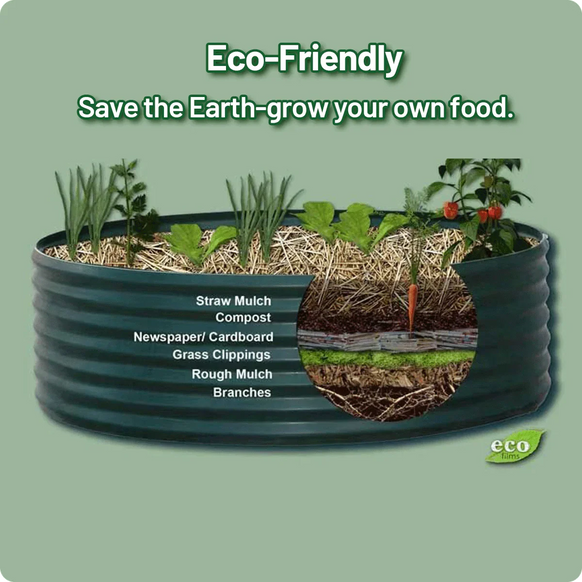
Are you ready to turn your raised garden bed into a thriving green oasis? What you fill it with can make all the difference between a patch of struggling plants and a lush, productive garden.
Choosing the right soil mix isn’t just about dirt—it’s about giving your plants the perfect home to grow strong and healthy. You’ll discover exactly what materials to use to create the ideal environment for your garden bed. Keep reading to unlock simple tips that will help your garden flourish like never before.
Choosing Base Materials
Filling your raised garden bed with the right base materials helps plants grow strong. The base mix should hold water, drain well, and provide nutrients.
Selecting good materials is important for healthy soil. This guide covers compost types, choosing topsoil, and adding organic matter.
Types Of Compost
Compost adds nutrients and improves soil texture. Different compost types suit different plants and soils.
- Green Compost: Made from fresh plant waste like grass clippings and vegetable scraps.
- Brown Compost: Made from dried leaves, straw, and wood chips.
- Manure Compost: Comes from animal waste and is rich in nutrients.
- Vermicompost: Produced by worms breaking down organic waste into nutrient-rich castings.
Topsoil Selection
Topsoil forms the main body of your garden bed. Good topsoil is loose and free of debris. It should drain water well but keep moisture for roots.
| Topsoil Type | Texture | Best Use |
|---|---|---|
| Loamy Soil | Balanced mix of sand, silt, and clay | Ideal for most plants |
| Sandy Soil | Coarse and drains quickly | Good for plants needing less water |
| Clay Soil | Dense and holds water | Best mixed with organic matter before use |
Incorporating Organic Matter
Adding organic matter improves soil fertility and structure. It helps roots get air and water. Use well-rotted materials to avoid pests.
Common organic matter sources include:
- Composted leaves and grass
- Shredded bark and wood chips
- Animal manure
- Kitchen scraps (composted)

Credit: migardener.com
Balancing Soil Components
Good soil is key for a healthy raised garden bed. Balancing different soil parts helps plants grow strong. This guide shows how to mix soil, adjust pH, and improve drainage.
Each step makes your garden soil better. Use the right mix for water, air, and nutrients. Let’s explore how to balance soil components well.
Mixing Soil, Compost, And Amendments
Start with good soil as the base. Add compost to supply nutrients and help soil stay loose. Amendments like peat moss or vermiculite improve texture and water holding.
- Use 40% topsoil or garden soil for structure
- Add 40% compost for nutrients and microbes
- Include 20% amendments like peat moss or perlite for drainage
Adjusting Ph Levels
Soil pH affects plant nutrient uptake. Most plants like soil pH between 6.0 and 7.0. Test your soil with a simple kit before planting.
| pH Level | Effect | Adjustment |
|---|---|---|
| Below 6.0 | Too acidic | Add lime to raise pH |
| 6.0 – 7.0 | Ideal for most plants | No change needed |
| Above 7.0 | Too alkaline | Add sulfur or peat moss to lower pH |
Improving Drainage
Good drainage prevents water from pooling and roots from rotting. You can improve drainage by adding coarse materials.
- Mix in coarse sand or perlite to soil
- Use raised beds to let water drain easily
- Avoid compacting soil to keep air spaces open
- Place gravel or small rocks at the bottom of the bed
Adding Nutrients
Filling your raised garden bed with the right nutrients is important for plant growth. It helps plants grow strong and healthy.
You can choose from natural fertilizers, slow-release options, and worm castings to enrich your soil. Each option offers unique benefits for your garden.
Natural Fertilizers
Natural fertilizers come from plants or animals. They provide essential nutrients to your soil.
Compost, manure, and bone meal are popular choices. They improve soil structure and add organic matter.
- Compost is made from kitchen scraps
- Manure is rich in nitrogen
- Bone meal boosts phosphorus levels
Slow-release Options
Slow-release fertilizers break down over time. This ensures a steady supply of nutrients for your plants.
They are easy to apply and reduce the need for frequent feeding. This makes gardening simpler.
- Pelleted fertilizers release nutrients slowly
- Granular forms are easy to spread
- Polymer-coated options last longer
Using Worm Castings
Worm castings are the waste from worms. They are a natural soil conditioner.
They improve soil texture and add beneficial microbes. They are gentle and will not burn plants.
- Boosts plant growth
- Enhances soil aeration
- Increases water retention
Preventing Common Soil Problems
Choosing the right soil mix for your raised garden bed is key. Good soil keeps plants healthy and strong.
Preventing soil problems helps your garden grow better. Learn how to avoid common issues like compaction and pests.
Avoiding Soil Compaction
Soil compaction stops air and water from reaching roots. It makes plants weak and slows growth.
To avoid compaction, use loose, crumbly soil. Add organic matter like compost to improve texture.
- Do not step on garden beds
- Use materials like peat moss and compost
- Turn soil gently with a fork, not a heavy tool
Managing Moisture Levels
Soil that is too wet or too dry harms plants. Good moisture helps roots absorb nutrients well.
Mix soil with materials that hold water but drain well. Mulching keeps moisture steady.
- Use a mix of garden soil, compost, and sand
- Add mulch like straw or leaves on top
- Water deeply but less often to encourage roots
Controlling Pests And Diseases
Healthy soil helps plants resist pests and diseases. Avoid using soil that is old or contaminated.
Use fresh, clean soil mix and add beneficial microbes. Crop rotation and good air flow reduce disease risk.
- Start with sterile or well-composted soil
- Mix in organic matter to support microbes
- Keep plants spaced for good air circulation
- Remove diseased plants quickly
Soil Mix Recipes For Different Plants
Choosing the right soil mix is important for your raised garden bed. Different plants need different soil types to grow well.
This guide helps you create soil mixes for vegetables, herbs, and flowers. Each mix supports healthy roots and strong growth.
Vegetable Gardens
Vegetables need rich, well-draining soil that holds moisture but does not stay soggy. A good mix feeds plants and keeps roots healthy.
Use a mix with compost, garden soil, and peat moss. This blend gives nutrients and good texture for roots.
- 40% compost
- 30% garden soil
- 20% peat moss or coconut coir
- 10% perlite or sand for drainage
Herb Beds
Herbs like soil that drains well and is not too rich. Heavy soil can make herbs grow weak or too leafy without flavor.
A soil mix with equal parts garden soil, compost, and sand works well. This keeps moisture balanced and lets roots breathe.
- 33% garden soil
- 33% compost
- 34% coarse sand or perlite
Flower Beds
Flowers need soil that holds moisture but drains well. Adding organic matter helps flowers bloom bright and strong.
A good flower bed soil mix has compost, garden soil, and peat moss. Add a little sand if your soil is heavy clay.
- 40% garden soil
- 40% compost
- 15% peat moss
- 5% sand (optional for heavy soil)

Credit: migardener.com
Maintaining Soil Health Over Time
Good soil is key to a healthy raised garden bed. Keeping soil rich and alive helps plants grow strong. It also stops diseases and pests.
Soil needs care through the seasons. Adding nutrients and protecting soil helps it stay healthy. This way, your plants get what they need all year.
Seasonal Soil Refreshing
Change soil mix every season to keep it fresh. Remove old roots and debris before planting new crops. Add fresh compost or organic matter to restore nutrients.
Mixing new soil with old soil keeps good microbes alive. This balance supports healthy plant growth and prevents soil from getting tired.
- Clear out dead plants and roots
- Add 2-3 inches of compost
- Mix soil gently to avoid damage
- Check soil moisture before planting
Mulching Techniques
Mulch covers soil and keeps it moist longer. It stops weeds from growing and protects soil from erosion. Organic mulches add nutrients as they break down.
Use straw, leaves, or wood chips as mulch. Apply a 2-4 inch layer around your plants. Avoid piling mulch too close to plant stems.
- Keep mulch 2 inches away from stems
- Replace mulch yearly to maintain freshness
- Use organic mulch for soil feeding
- Water mulch after applying
Monitoring Soil Quality
Check soil often to catch problems early. Look for changes in color, smell, and texture. Healthy soil is dark, crumbly, and smells earthy.
Test soil pH and nutrients every few months. Use simple home test kits or send samples to a lab. Adjust soil with lime or fertilizer if needed.
- Look for earthworms and bugs in soil
- Test pH levels regularly (ideal 6.0-7.0)
- Check soil drainage and moisture
- Add amendments based on test results

Credit: migardener.com
Frequently Asked Questions
What Is The Best Soil Mix For Raised Garden Beds?
A mix of topsoil, compost, and peat moss works best. It provides nutrients, good drainage, and moisture retention for plants to thrive.
Can I Use Regular Garden Soil In Raised Beds?
Regular garden soil can be heavy and poorly draining. It’s better to use a well-draining, nutrient-rich soil mix designed for raised beds.
How Deep Should The Soil Be In Raised Beds?
Soil should be at least 12 inches deep. This depth supports root growth and provides enough nutrients and water for most plants.
Should I Add Compost To Raised Garden Beds?
Yes, adding compost enriches the soil with organic matter. It improves soil fertility, structure, and moisture retention, promoting healthy plant growth.
Conclusion
Choosing the right mix for your raised garden bed matters a lot. Use a blend of topsoil, compost, and organic matter. This mix helps plants grow strong and healthy. Avoid using only garden soil or heavy clay. Good drainage and nutrients keep roots happy and alive.
Remember, fresh soil keeps pests and diseases away. Change the soil each season for better growth. Your garden will thank you with a rich harvest. Simple steps make gardening easier and more fun. Give your plants the best start today.