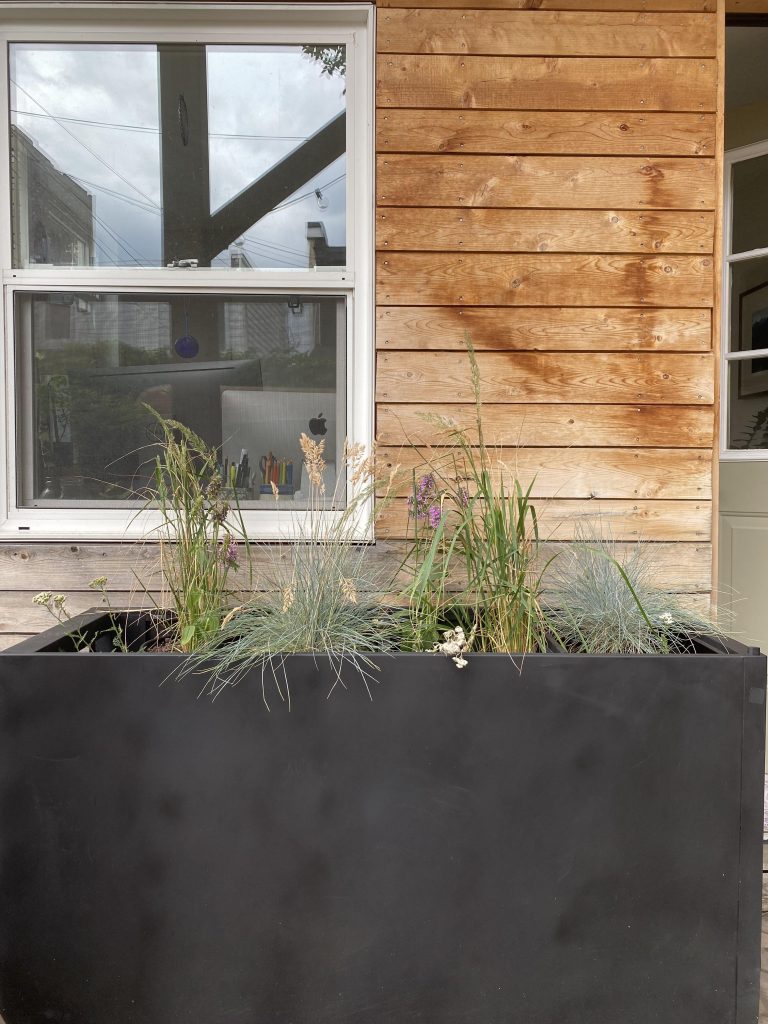
Are you wondering what to fill your planters with to keep your plants healthy and thriving? Choosing the right material can make all the difference in how well your plants grow.
Whether you want vibrant flowers, fresh herbs, or lush greenery, the filler you pick affects water drainage, root health, and even how often you need to water. Keep reading, and you’ll discover simple, effective options that fit your space and style perfectly.
Let’s help your planters reach their full potential!

Credit: www.reddit.com
Choosing The Right Soil
Picking the right soil for your planters helps plants grow well. Good soil holds water and nutrients but also lets air reach the roots.
Different plants need different soils. Knowing which soil to use keeps your plants healthy and strong.
Types Of Potting Mixes
Potting mixes come in many types. Each type suits certain plants and planter styles.
Some common potting mixes include peat-based, coconut coir, and compost blends.
- Peat-based mixes:Light and hold moisture well.
- Coconut coir:Eco-friendly and retains water.
- Compost blends:Rich in nutrients for plant growth.
Soil Drainage Importance
Good drainage stops water from sitting in the planter. Standing water can cause root rot and kill plants.
Soil with proper drainage lets excess water flow out while keeping enough moisture for roots.
- Use soil with sand or perlite to improve drainage.
- Make sure your planter has drainage holes.
- Avoid heavy garden soil that holds too much water.
Adding Organic Matter
Organic matter helps soil hold nutrients and water. It also improves soil texture and supports microbes.
Common organic materials include compost, leaf mold, and aged manure. Add them to your potting mix for better plant health.
- Compost adds nutrients and improves soil structure.
- Leaf mold helps retain moisture and aerates soil.
- Aged manure boosts fertility without burning plants.
Credit: www.gardenary.com
Essential Nutrients For Plants
Plants need many nutrients to grow well in planters. These nutrients help them build strong roots, leaves, and flowers.
Understanding what to fill your planters with ensures your plants get what they need every day.
Balanced Fertilizer Options
Balanced fertilizers contain three main nutrients: nitrogen (N), phosphorus (P), and potassium (K). These help plants grow leaves, roots, and flowers.
- Nitrogen helps leaves grow green and healthy.
- Phosphorus supports strong root development.
- Potassium improves flower and fruit production.
Natural Amendments
Natural amendments improve soil without chemicals. They add nutrients slowly and help soil hold water.
| Amendment | Main Benefit | How to Use |
| Compost | Provides many nutrients | Mix into soil before planting |
| Worm Castings | Improves soil texture and nutrients | Add as top dressing regularly |
| Bone Meal | High in phosphorus | Mix into planter soil at planting |
| Peat Moss | Holds moisture well | Mix with soil for better water retention |
Slow-release Vs. Liquid Fertilizers
Slow-release fertilizers release nutrients over weeks or months. Liquid fertilizers give nutrients quickly but need frequent use.
- Slow-release fertilizers reduce feeding frequency.
- Liquid fertilizers are easy to apply and fast-acting.
- Choose slow-release for steady growth.
- Use liquid fertilizers for quick nutrient boosts.
Improving Soil Aeration
Planters need good air flow in the soil. This helps roots grow healthy and strong.
Improving soil aeration is key to plant growth. Different materials can help make soil airy.
Using Perlite And Vermiculite
Perlite and vermiculite are natural minerals. They help keep soil light and airy.
These minerals hold water well. They also let air move through the soil easily.
- Perlite is white and looks like tiny balls.
- Vermiculite is brown and feels spongy.
- Both are great for plant roots.
Incorporating Coconut Coir
Coconut coir is made from coconut husks. It is soft and helps soil breathe better.
This material holds water but drains well. It keeps soil from getting too packed.
- Coir is eco-friendly and renewable.
- It helps balance soil moisture.
- Plants can grow well with coconut coir.
Benefits Of Sand In Mixes
Sand is a common soil addition. It makes soil loose and airy for plants.
Adding sand improves drainage. It helps prevent water from pooling around roots.
- Coarse sand works best for planters.
- Sand reduces soil compaction.
- It is easy to find and use.
Credit: www.gardenary.com
Moisture Retention Techniques
Keeping soil moist in planters helps plants grow strong. Good moisture retention stops plants from drying out quickly.
Using the right methods in your planter can save water and keep plants healthy for longer.
Adding Peat Moss
Peat moss holds water well and improves soil texture. It helps keep moisture near plant roots.
Mix peat moss into the soil before planting. This keeps the soil soft and moist.
Mulching Tips For Planters
Mulch covers the soil surface and slows water loss. It also protects roots from heat and cold.
- Use bark chips, straw, or shredded leaves as mulch.
- Apply a 2-3 inch layer around plants.
- Keep mulch a few inches away from plant stems to avoid rot.
- Refresh mulch every few months for best results.
Watering Best Practices
Water planters deeply but less often. This encourages roots to grow down and find water.
| Time of Day | Best Practice |
| Morning | Water early to reduce evaporation |
| Afternoon | Avoid watering to prevent quick drying |
| Evening | Water lightly if morning watering was missed |
Custom Mixes For Different Plants
Choosing the right soil mix is key for healthy plants in your planters. Different plants need specific soil types to thrive. Using custom mixes can improve growth and water retention.
Below are simple recipes for soil mixes suited to succulents, herbs, vegetables, and flowering plants. These mixes balance nutrients, drainage, and texture.
Succulent And Cactus Soils
Succulents and cacti require soil that drains quickly to avoid root rot. Use sandy, gritty mixes that hold little moisture.
- 2 parts coarse sand or perlite
- 2 parts potting soil
- 1 part pumice or small gravel
- Optional: small amount of compost for nutrients
Herb And Vegetable Planter Mixes
Herbs and vegetables grow best in rich, well-draining soil. They need nutrients and moisture but should not stay soggy.
| Ingredient | Amount | Purpose |
|---|---|---|
| Potting soil | 3 parts | Base and nutrients |
| Compost | 1 part | Organic matter and nutrients |
| Perlite or vermiculite | 1 part | Drainage and aeration |
| Coconut coir or peat moss | 1 part | Moisture retention |
Flowering Plant Soil Recipes
Flowering plants need soil that retains moisture and nutrients for blooms. A balanced mix encourages strong roots and vibrant flowers.
Try this flowering plant mix:
- 2 parts garden soil
- 2 parts compost
- 1 part peat moss
- 1 part perlite for drainage
This mix keeps soil moist but drains well to prevent waterlogging.
Common Mistakes To Avoid
Choosing what to fill your planters with is important for healthy plants. Many gardeners make simple mistakes that hurt plant growth.
This guide covers common errors to avoid when filling your planters. Fixing these helps your plants thrive.
Using Garden Soil Directly
Garden soil often contains pests and does not drain well in planters. Using it directly can cause root rot and poor plant health.
- Garden soil can be too heavy for containers.
- It may hold too much water, suffocating roots.
- Pests and diseases in garden soil can harm plants.
- Better to use potting mix designed for containers.
Overcompacting Potting Mix
Pressing potting mix too hard removes air pockets. Plants need air in the soil for roots to grow well.
| Problem | Result |
|---|---|
| Overcompacted soil | Poor root growth and less oxygen |
| Loose soil | Better drainage and root expansion |
Fill planters gently and tap sides to settle soil without packing it tight.
Ignoring Drainage Needs
Good drainage stops water from pooling in the planter. Standing water can kill roots fast.
- Use pots with drainage holes.
- Add a layer of gravel or broken pottery at the bottom.
- Choose well-draining potting mixes.
- Do not block holes with plastic or foil.
Frequently Asked Questions
What Is The Best Soil To Fill Planters With?
The best soil for planters is well-draining potting mix. It retains moisture but prevents waterlogging. Avoid garden soil as it’s heavy and may cause root rot.
Can I Use Rocks Or Gravel In Planters?
Yes, use rocks or gravel at the bottom for drainage. This prevents water from pooling and protects roots from rotting. However, do not fill the entire planter with rocks.
How Much Potting Soil Should I Use In A Planter?
Fill the planter about three-quarters full with potting soil. Leave space at the top for watering and plant growth. This allows proper root expansion and avoids overflow.
Is Compost Good For Filling Planters?
Compost is excellent to mix with potting soil. It enriches the soil with nutrients and improves moisture retention. Use well-aged compost to avoid harmful pathogens.
Conclusion
Choosing the right fill for your planters makes a big difference. Use light soil for good drainage and healthy roots. Add stones or gravel at the bottom to stop water buildup. Mix organic matter for plant nutrition and moisture. Avoid heavy or compacted materials that block water flow.
Remember, simple choices help your plants grow strong and look great. Experiment with different fills to find what works best. Happy planting!