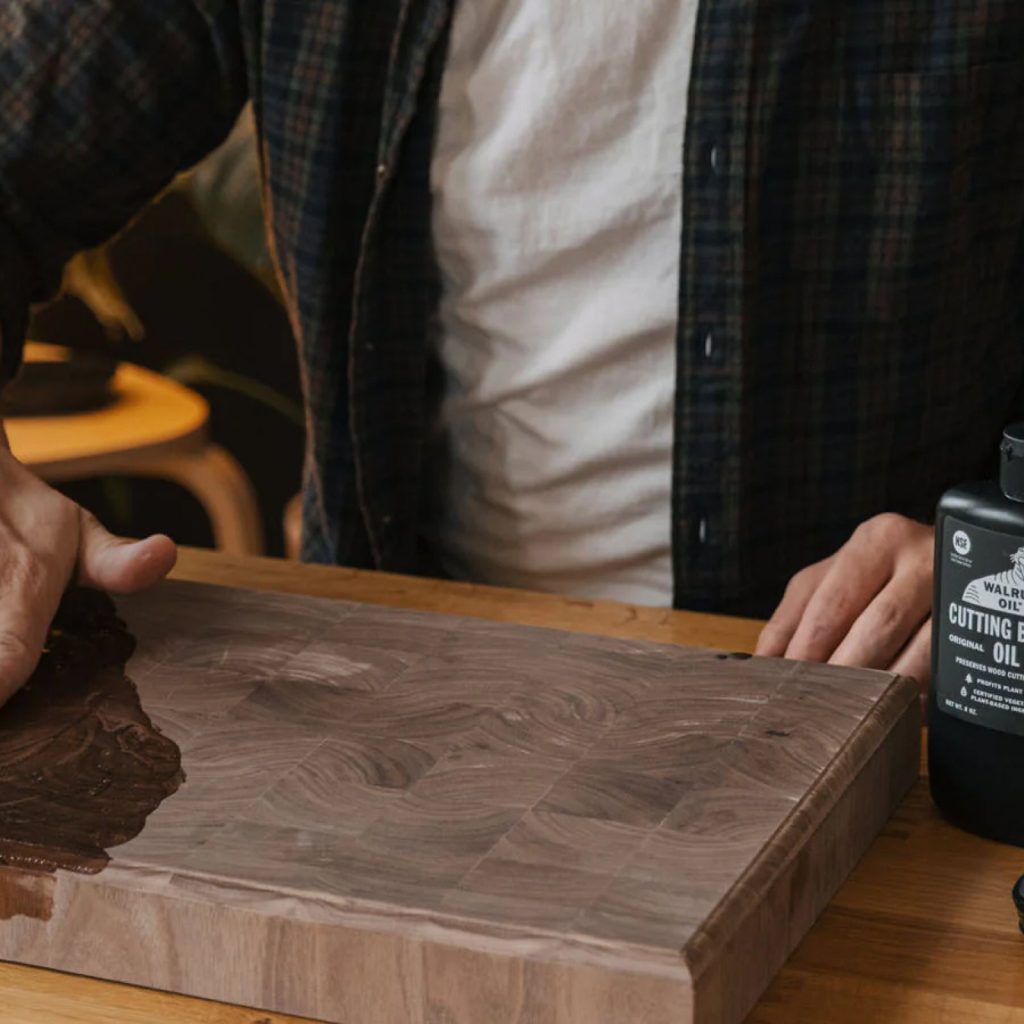
You’ve just made or bought a beautiful cutting board, but now comes an important question: what should you finish it with? Choosing the right finish can protect your board, bring out its natural beauty, and keep it safe for food prep.
The wrong finish, however, can damage the wood or even be harmful to your health. You’ll discover the best options to finish your cutting board, how to apply them, and which ones to avoid. By the end, you’ll know exactly how to keep your cutting board looking great and lasting for years.
Keep reading to find out more!
Choosing The Right Finish
Choosing a finish for your cutting board is important. It protects the wood and keeps it safe for food use. The right finish also makes your board look good and last longer.
There are different types of finishes. Each one has its own benefits and drawbacks. Learn about oil, wax, polyurethane, and natural finishes to pick the best one.
Oil Finishes
Oil finishes soak into the wood and protect it from inside. They keep the wood from drying out and cracking. Mineral oil is a popular choice because it is safe for food contact.
- Easy to apply and reapply
- Safe for food preparation
- Needs regular maintenance
- Does not create a hard surface
Wax Finishes
Wax finishes sit on top of the wood and create a smooth layer. They add shine and a soft feel. Beeswax is often used because it is natural and safe for food.
Wax finishes provide:
- Water resistance
- Easy application
- Good for boards that do not get heavy use
- Need to be reapplied regularly
Polyurethane Coatings
Polyurethane coatings form a hard, protective shell on the cutting board. They resist water and stains well. But they can wear off over time and are not always food safe.
| Feature | Pros | Cons |
| Durability | Very durable | May crack or peel |
| Food Safety | Depends on type | Some are toxic |
| Appearance | Glossy finish | May hide wood texture |
| Maintenance | Low | Hard to repair |
Natural Finishes
Natural finishes use plant oils and waxes. Examples include walnut oil and carnauba wax. These finishes are food safe and nourish the wood.
- Penetrate wood to protect it
- Enhance wood grain
- Need regular reapplication
- May cause allergies in some people

Credit: www.amazon.com
Benefits Of Each Finish
Choosing the right finish for your cutting board affects its look and function.
Each finish offers different benefits for durability, safety, ease of use, and care.
Durability
Some finishes protect wood better against water and cuts. Oils soak in and keep wood strong. Varnishes create a hard surface but can crack. Wax adds a soft layer that repels moisture but wears off faster.
Food Safety
Food-safe finishes do not harm food or change its taste. Mineral oil and beeswax are safe and natural. Some finishes may contain chemicals and should be avoided for food contact surfaces.
Ease Of Application
- Oils: Easy to apply with a cloth and dry quickly.
- Waxes: Need buffing after application for shine.
- Varnishes: Require multiple coats and drying time.
- Salad bowl finishes: Made for food surfaces, easy to use.
Maintenance Requirements
| Finish Type | How Often to Reapply | Care Tips |
|---|---|---|
| Mineral Oil | Monthly | Wipe off excess oil after soaking. |
| Beeswax | Every 3 months | Buff to maintain shine. |
| Varnish | Years | Avoid cutting directly on surface. |
| Salad Bowl Finish | Every 6 months | Clean before reapplying finish. |
Step-by-step Application Process
Finishing a cutting board protects the wood and makes it last longer. It also keeps the board safe for food use. Follow these steps to apply the finish correctly.
This guide covers preparing the board, applying oil or wax, curing times, and buffing for a smooth shine.
Preparing The Cutting Board
Start by cleaning the cutting board well. Use warm water and mild soap to remove dirt and dust. Let the board dry completely before moving on.
- Sand the surface using fine-grit sandpaper (220 grit works well).
- Remove all dust with a clean cloth or vacuum.
- Check for cracks or rough spots and smooth them out.
Applying Oil Or Wax
Choose a food-safe oil or wax to protect your board. Common options include mineral oil, beeswax, or a mixture of both. Apply evenly across all surfaces.
- Pour a small amount of oil or wax onto the board.
- Use a clean cloth to rub the finish in circular motions.
- Cover the entire surface, including edges and sides.
- Let the finish soak into the wood for about 20 minutes.
- Wipe off any excess with a dry cloth.
Curing And Drying Times
Allow the finish to dry and cure properly. This step is important for durability and safety.
| Finish Type | Drying Time | Curing Time |
|---|---|---|
| Mineral Oil | 20-30 minutes | 24 hours |
| Beeswax | 1-2 hours | 48 hours |
| Oil and Wax Mix | 30 minutes | 24-48 hours |
Buffing For Shine
Buffing the board adds a smooth shine and helps seal the finish. Use a soft cloth to rub the surface gently.
- Use a dry, clean cloth for buffing.
- Rub in circular motions until the surface feels smooth.
- Repeat buffing after each use if needed to maintain shine.

Credit: dinkcraft.com
Common Mistakes To Avoid
Finishing a cutting board is important to keep it safe and looking good. Many people make mistakes that can damage the board or make it unsafe to use.
Knowing what to avoid helps you get the best results and keeps your cutting board lasting longer.
Using Toxic Finishes
Some finishes contain harmful chemicals. These can soak into the wood and get into your food. Avoid finishes with solvents, varnishes, or paints that are not food safe.
- Choose food-safe oils like mineral oil or beeswax.
- Check labels to ensure the finish is non-toxic.
- Do not use polyurethane or shellac on cutting surfaces.
Skipping Sanding Steps
Skipping sanding can leave the board rough and uneven. This makes it harder to finish and clean. Always sand your board in stages for a smooth surface.
| Sanding Grit | Purpose |
| 80-120 grit | Remove rough spots and shape edges |
| 150-180 grit | Smooth the surface before final sanding |
| 220 grit | Prepare for finish application |
Applying Too Much Finish
Applying thick layers of finish causes sticky or uneven surfaces. It also takes longer to dry and can peel off. Use thin, even coats and let each dry well.
- Apply a small amount of oil or wax at a time.
- Rub in the finish with a clean cloth.
- Wipe off excess to avoid buildup.
- Repeat only after the previous coat dries.
Ignoring Maintenance
Finishing a cutting board is not a one-time job. You must keep it in good shape with regular care. Ignoring maintenance leads to cracks and dryness.
- Reapply food-safe oil every few weeks or when the board looks dry.
- Clean the board with mild soap and water after use.
- Avoid soaking the board in water to prevent warping.
- Store the board in a dry place away from heat.
Maintaining Your Cutting Board Finish
Finishing your cutting board keeps it safe and looking good. It protects the wood from water and stains.
Regular care helps your cutting board last longer and stay smooth. Let’s learn how to maintain the finish.
Regular Oiling Schedule
Oiling your cutting board stops the wood from drying out. It keeps the surface smooth and resistant to cracks.
Apply food-safe mineral oil once a month or after heavy use. Rub the oil in well and let it soak overnight.
- Use food-safe mineral oil or cutting board oil only
- Apply oil when the board looks dry or dull
- Rub oil into all surfaces, including edges
- Let the oil soak in for several hours or overnight
- Wipe off excess oil with a clean cloth
Cleaning Tips
Keep your cutting board clean to protect the finish. Avoid soaking it in water or using harsh chemicals.
Wash the board by hand with warm, soapy water. Dry it quickly with a towel to prevent warping.
- Do not put the cutting board in the dishwasher
- Use a mild dish soap and warm water for cleaning
- Rinse and dry the board immediately after washing
- Disinfect with a vinegar or diluted bleach solution occasionally
- Never soak the board in water for a long time
When To Refinish
Refinish your cutting board if the surface feels rough or has deep cuts. This restores the smooth finish and removes germs.
Sand the board lightly with fine-grit sandpaper. Then clean and oil it well to renew the finish.
- Check for deep knife marks or rough spots
- Sand the surface evenly with fine sandpaper
- Clean the board thoroughly after sanding
- Apply oil generously after refinishing
- Refinish once or twice a year depending on use
Recommended Products For Lasting Shine
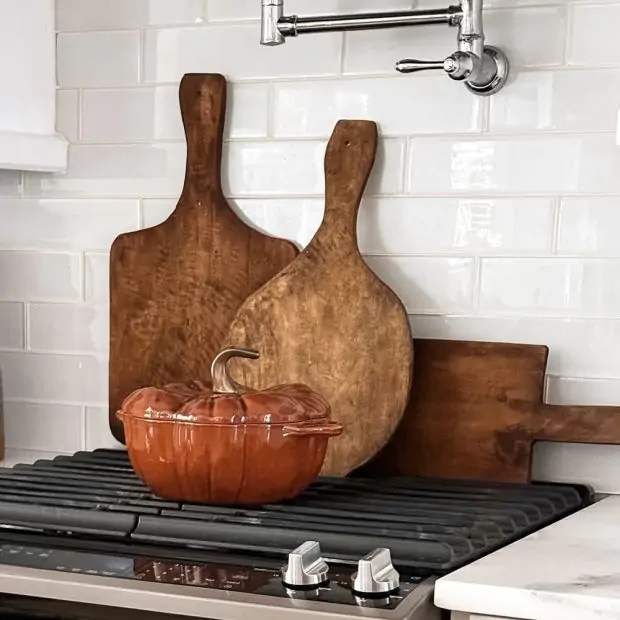
Choosing the right finish for your cutting board helps protect the wood. It also keeps it looking shiny for a long time. Some finishes soak into the wood, while others sit on top.
Below are some of the best oils, waxes, and sealants that keep cutting boards safe and bright. Each type has its own benefits and uses.
Best Oils
Oils soak into the wood and help stop it from drying out. They give a natural look and keep the board food safe. Use oils that do not go rancid quickly.
- Mineral Oil: A popular choice that is odorless and tasteless.
- Walnut Oil: Natural and safe, but check for nut allergies.
- Coconut Oil: Solid at room temperature, but protects well.
- Pure Tung Oil: Dries hard and seals the wood from water.
Top Waxes
Waxes add a shiny layer on top of the wood. They help block moisture and give extra smoothness. Waxes are best for boards that see less water use.
| Wax Type | Benefits | Notes |
|---|---|---|
| Beeswax | Natural, non-toxic, adds shine | Mix with oil for easier use |
| Carnauba Wax | Hard and glossy finish | Often blended with beeswax |
| Paraffin Wax | Water resistant, affordable | Less natural than other options |
Safe Sealants
Sealants protect cutting boards from heavy use and water damage. They create a strong barrier but must be safe for food contact. Look for sealants labeled food safe.
- Shellac: Made from natural resin, non-toxic when dry.
- Food-grade Polyurethane: Durable and water resistant.
- Salad Bowl Finish: Specially made for wood used with food.
Credit: www.antiquefarmhouse.com
Frequently Asked Questions
What Is The Best Finish For A Cutting Board?
The best finish is food-grade mineral oil. It penetrates the wood and prevents drying and cracking. It’s safe for food contact, enhancing the board’s longevity. Regular application helps maintain the board’s appearance and functionality.
How Often Should I Oil My Cutting Board?
Oil your cutting board every three to four weeks. Frequency depends on usage and washing routines. Regular oiling keeps the board hydrated, preventing warping and cracking. A well-maintained board lasts longer and remains safe for food preparation.
Can I Use Olive Oil On A Cutting Board?
Avoid using olive oil on cutting boards. It can go rancid and create an unpleasant odor. Instead, use food-grade mineral oil or beeswax. These options are stable and safe, ensuring your board remains hygienic and durable.
What Alternatives To Mineral Oil Exist?
Alternatives include beeswax, coconut oil, and walnut oil. Beeswax offers a durable, water-resistant finish. Coconut oil is stable and doesn’t go rancid. Walnut oil is also a good choice, though it may cause allergies in some people.
Conclusion
Choosing the right finish protects your cutting board well. Natural oils keep wood healthy and safe. Avoid finishes that contain harmful chemicals. Apply the finish regularly to maintain durability. A good finish helps prevent cracks and stains. Always let the finish dry completely before use.
With proper care, your board lasts longer and looks better. Enjoy cutting and serving with confidence and style. Simple steps make a big difference in board care.