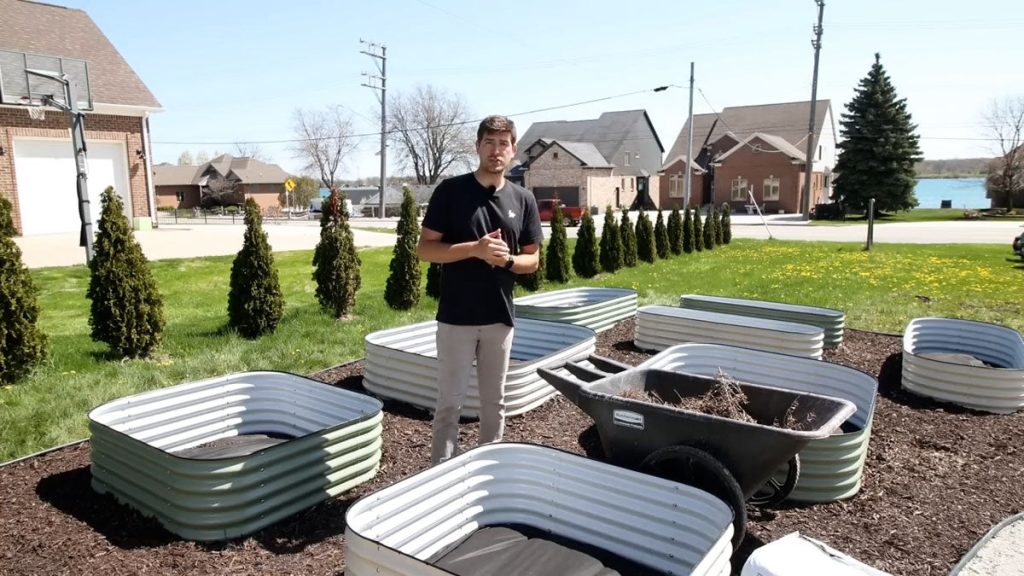
If you’ve built a raised garden bed or are planning to start one, you might be wondering what to line it with. Choosing the right lining can make a huge difference in how healthy your plants grow and how long your garden bed lasts.
The wrong material can cause problems like poor drainage, soil contamination, or even damage to the structure. But don’t worry—you’re about to discover simple, effective options that protect your garden and help your plants thrive. Keep reading to find out exactly what to line your raised garden bed with and why it matters for your gardening success.

Credit: savvygardening.com
Choosing The Right Liner
Lining a raised garden bed helps protect the wood and soil. It can also keep pests away and improve drainage.
Choosing the right liner depends on what you want to protect and how you plan to use your garden bed.
Benefits Of Using A Liner
A liner extends the life of your raised bed. It stops moisture from damaging the wood.
It also keeps soil in place and prevents weeds from growing through the bed walls.
- Protects wood from rot and decay
- Prevents soil loss and erosion
- Stops weed growth from outside the bed
- Improves water drainage
- Keeps pests out
Factors To Consider
Choose a liner that is safe for plants and durable. It should resist moisture and last many seasons.
Think about the type of material, cost, and ease of installation. Also, consider if the liner allows good drainage.
- Material safety for plants (non-toxic)
- Durability against weather and soil contact
- Water drainage and air flow
- Cost and availability
- Ease of cutting and fitting to your bed
- Resistance to pests and mold
Natural Liners
Natural liners are great for raised garden beds. They are eco-friendly and help protect plants. Let’s explore some popular options.
Burlap And Jute
Burlap and jute are made from plant fibers. They are biodegradable and safe for gardens. These materials allow water to pass through easily.
Using burlap or jute helps maintain soil moisture. They also prevent soil from washing away. This makes them a practical choice for lining raised beds.
Coconut Coir
Coconut coir is made from coconut husks. It’s a sustainable material that retains water well. This liner helps keep the soil moist for longer periods.
Coir is also lightweight and easy to work with. It helps improve soil drainage while preventing compaction. This makes it a useful option for garden beds.
Landscape Fabric
Landscape fabric is a durable liner for garden beds. It is made from woven materials that allow air and water through. This fabric helps control weeds effectively.
Using landscape fabric can extend the life of your garden bed. It keeps the soil in place and reduces erosion. This makes it a reliable choice for gardeners.
Plastic Liners
Plastic liners help protect your raised garden bed from moisture loss. They also stop soil from washing away.
Using the right plastic liner keeps your garden healthy and extends the bed’s life.
Polyethylene Sheets
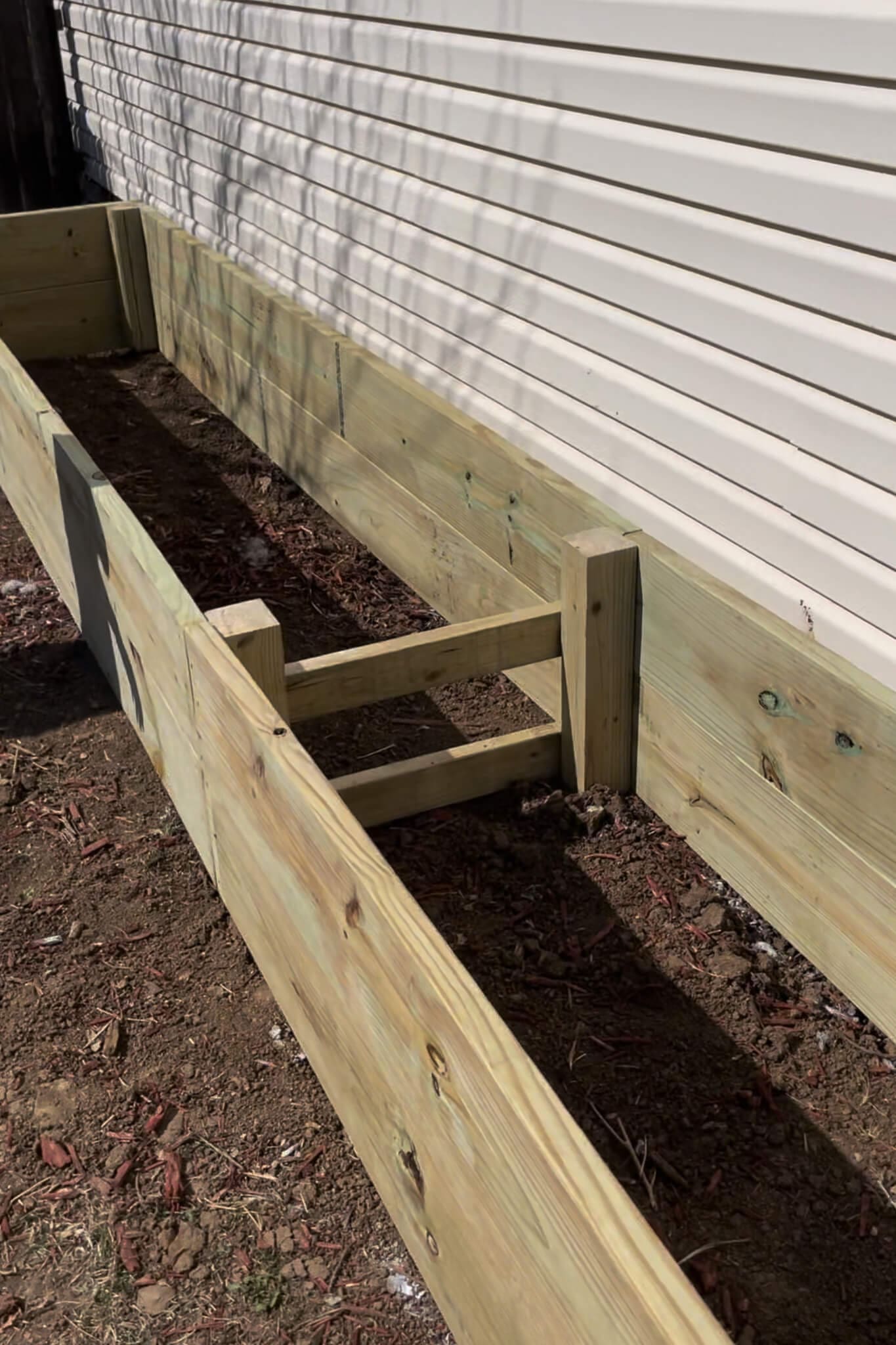
Polyethylene sheets are thin, flexible plastic layers. They are easy to cut and fit inside raised beds. These sheets prevent water from escaping and stop roots from growing into the bed frame.
Pond Liners
Pond liners are thicker and stronger than polyethylene sheets. They are made to hold water for long times. Pond liners protect wood from rotting and keep soil moist.
- Made of durable rubber or heavy plastic
- Resistant to tears and punctures
- Flexible and easy to shape
- Long-lasting for many seasons
Pros And Cons
| Type | Pros | Cons |
|---|---|---|
| Polyethylene Sheets | Affordable, easy to install, lightweight | Less durable, can tear easily |
| Pond Liners | Very durable, water-tight, protects wood | More expensive, heavier to handle |
Credit: crystelmontenegrohome.com
Metal And Other Rigid Liners
Raised garden beds need liners to protect the wood and soil. Metal and rigid liners last long and keep soil in place. They also add a modern look to your garden.
This guide covers galvanized steel, corrugated metal, and concrete blocks. Each option has unique features for your garden bed.
Galvanized Steel
Galvanized steel is coated with zinc to stop rust. It is strong and holds soil well. This metal liner is easy to shape and install. It reflects sunlight, which can help keep soil cool.
Some key benefits of galvanized steel liners:
- Rust-resistant and durable
- Easy to clean and maintain
- Lightweight yet strong
- Can be bent to fit any shape
Corrugated Metal
Corrugated metal has ridges that add strength. It is a popular choice for garden beds. This metal is sturdy and holds soil tightly. It also gives a rustic look to your garden.
| Feature | Corrugated Metal | Galvanized Steel |
|---|---|---|
| Strength | Very strong due to ridges | Strong and smooth |
| Rust Resistance | Good with coating | Excellent zinc coating |
| Appearance | Rustic, textured look | Sleek, smooth surface |
| Flexibility | Less flexible | Can bend easily |
Concrete Blocks
Concrete blocks are heavy and very durable. They make strong raised beds that last many years. These blocks can be stacked to any height. They also help keep soil cool in warm climates.
- Very sturdy and long-lasting
- Easy to build with standard sizes
- Good for large or tall beds
- Can be painted or decorated
Waterproofing And Drainage
Raised garden beds need good waterproofing and drainage. These help protect your plants and the bed structure.
Choosing the right lining keeps water flowing and stops wood from rotting. This guide covers key steps for both.
Ensuring Proper Drainage
Drainage prevents water from pooling and harming plant roots. Use materials that allow water to pass through while holding soil.
- Start with a layer of coarse gravel or small rocks at the bottom.
- Use landscape fabric over the gravel to keep soil from washing away.
- Choose a breathable liner like coconut coir or burlap to improve water flow.
- Avoid plastic liners that trap water and cause root rot.
- Make sure your bed has drainage holes or gaps in the bottom.
Protecting Wood Frames
Wood frames last longer when protected from moisture. Proper lining stops water from soaking into the wood.
| Material | Waterproofing | Effect on Wood |
| Plastic Sheeting | High | Prevents moisture but traps water inside |
| Landscape Fabric | Medium | Allows water flow, protects wood from soil |
| Cedar Wood | Natural | Resists rot, works well with liners |
| Rubber Liner | Very High | Best moisture barrier but may reduce drainage |
Credit: www.gardenary.com
Eco-friendly Options
Lining a raised garden bed protects the wood and soil. Choosing eco-friendly liners helps the environment.
Eco-friendly liners prevent harmful chemicals from entering the soil. They also break down naturally over time.
Recycled Materials
Recycled materials reuse waste and reduce landfill. They are great for lining garden beds safely.
Wood pallets, old cardboard, and reused fabrics can line garden beds. These materials help block weeds and hold soil.
- Wood pallets: Cut and fit inside the bed
- Cardboard: Lay flat for weed control
- Old fabrics: Use natural fibers like cotton or burlap
Biodegradable Liners
Biodegradable liners break down and add nutrients to soil. They do not harm plants or soil life.
Materials like coconut coir, jute matting, and natural burlap work well. These liners last through one growing season.
- Coconut coir: Holds moisture and decomposes slowly
- Jute matting: Good for weed control and soil health
- Burlap: Natural, breathable, and compostable
Installation Tips
Lining a raised garden bed protects the wood and improves soil quality. It also helps keep weeds out and retains moisture.
Choosing the right liner and installing it correctly will make your garden bed last longer and grow better plants.
Preparing The Bed
Clear the bed area of any debris or weeds before adding a liner. Make sure the wood is smooth and free of splinters.
- Remove rocks, roots, and old plants.
- Sand rough wood surfaces for better liner fit.
- Check for gaps or cracks in the bed frame.
Securing The Liner
Use strong materials like landscape fabric or plastic to line the bed. Secure the liner tightly to avoid soil leaks.
| Material | How to Secure | Benefits |
| Landscape Fabric | Staple along edges | Allows water flow, blocks weeds |
| Plastic Sheeting | Use a staple gun or nails | Prevents moisture loss |
| Coconut Coir Mat | Attach with garden staples | Eco-friendly, holds moisture |
Maintaining The Liner
Check the liner regularly for tears or holes. Fix damage quickly to keep soil and water contained.
- Remove sharp objects that might cause damage.
- Replace liners every few years for best results.
- Keep the edges clean and free from soil buildup.
Frequently Asked Questions
What Materials Are Best To Line A Raised Garden Bed?
The best materials include landscape fabric, plastic sheeting, and cardboard. They prevent weeds and retain soil moisture while allowing drainage. Choose based on your climate and plant needs for optimal results.
Can I Use Plastic To Line A Raised Garden Bed?
Yes, plastic can line raised beds to retain moisture and block weeds. Use UV-resistant plastic with drainage holes to avoid waterlogging and soil damage.
Is Landscape Fabric Effective For Raised Garden Beds?
Landscape fabric is highly effective as it blocks weeds while allowing water and air flow. It’s durable, easy to install, and promotes healthy root growth in raised beds.
Should I Line A Raised Garden Bed With Cardboard?
Cardboard is an eco-friendly liner that suppresses weeds and decomposes over time. It improves soil health but may need replacement after a growing season.
Conclusion
Choosing the right lining for your raised garden bed keeps plants healthy. It protects wood from moisture and soil damage. Materials like plastic, landscape fabric, or cardboard each have benefits. Think about drainage, durability, and what plants need. A good liner helps your garden last longer.
Try different options to see what works best for you. Healthy soil and proper lining grow strong, happy plants. Your garden will thrive with simple care and smart choices. Give your raised bed the right foundation to succeed.