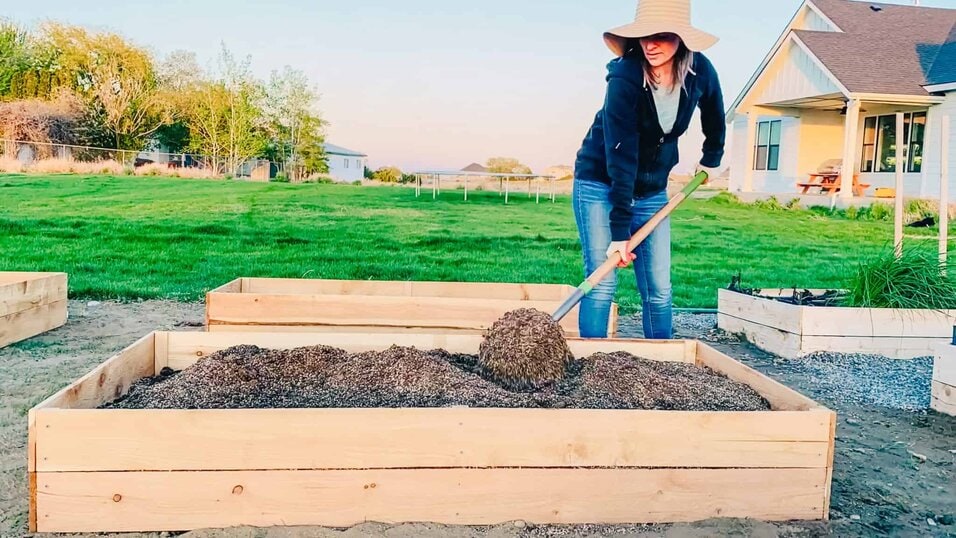
Are you ready to create the perfect raised bed garden? The key to healthy, thriving plants starts with the right soil mix.
But what exactly should you mix with garden soil to get the best results? Choosing the right ingredients can boost your plants’ growth, improve drainage, and keep your soil full of nutrients. You’ll discover simple, effective ways to mix your garden soil for raised beds that will make your garden flourish like never before.
Keep reading, and get ready to transform your gardening game!
Choosing The Right Soil
Creating a healthy raised bed garden starts with choosing the right soil. The right mix ensures plants have the nutrients they need.
Different types of soil can affect how well your plants grow. Let’s explore what to mix with garden soil for the best results.
Types Of Garden Soil
There are various types of garden soil available. Each has its own benefits and is suited for different plants.
- Loamy soil is rich and holds nutrients well.
- Sandy soil drains quickly but may need more nutrients.
- Clay soil holds water but can become compacted.
Soil Texture And Drainage
Soil texture affects how well water drains in your raised bed. Good drainage prevents root rot and helps plants thrive.
| Soil Type | Drainage Quality |
| Loamy | Excellent |
| Sandy | Good |
| Clay | Poor |
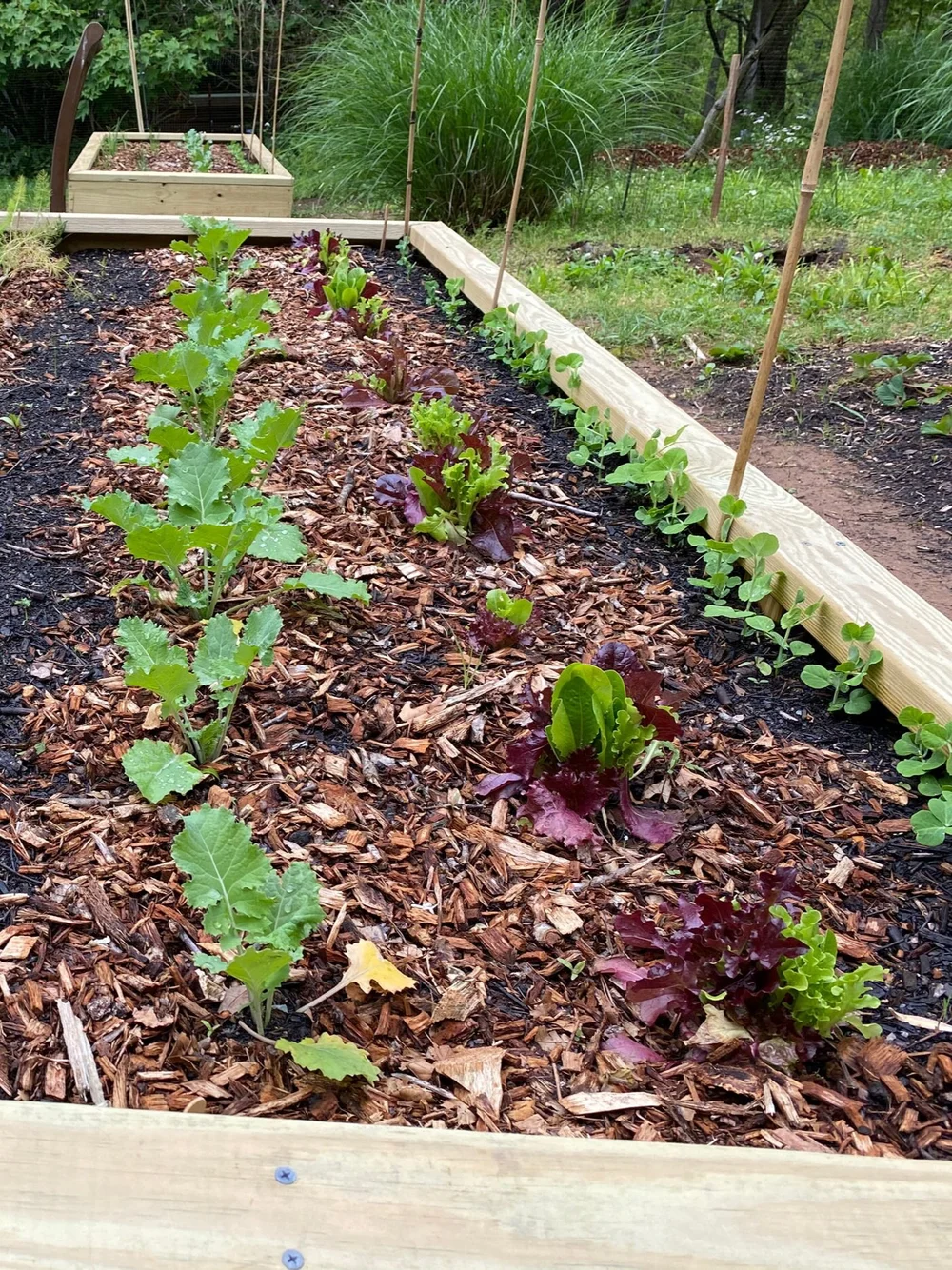
Testing Soil Quality
Testing soil quality is crucial for a healthy garden. This helps you know what nutrients your soil needs.
Credit: www.thunderbirddisco.com
Common Soil Amendments
Raised beds need good soil to grow healthy plants. Garden soil alone may lack nutrients or good texture. Mixing soil amendments can improve drainage and fertility.
Soil amendments add organic matter and help soil hold water and air. Here are some common options to mix with garden soil for raised beds.
Compost Benefits
Compost is decomposed organic matter. It enriches soil by adding nutrients and beneficial microbes. Compost improves soil structure and water retention.
- Supplies nitrogen, phosphorus, and potassium
- Increases soil aeration and moisture holding
- Supports earthworms and helpful bacteria
- Reduces soil erosion and compaction
Using Peat Moss
Peat moss helps soil hold moisture and loosen heavy clay soils. It is acidic, so it suits plants that like lower pH. Peat moss also improves soil texture.
| Property | Effect on Soil |
| Water retention | Increases moisture holding capacity |
| pH level | Lowers pH, making soil more acidic |
| Texture | Lightens dense or compacted soil |
| Decomposition | Slow, lasts long in soil |
Incorporating Vermiculite And Perlite
Vermiculite and perlite improve soil aeration and drainage. Vermiculite holds water and nutrients, while perlite creates air spaces in soil.
| Amendment | Main Benefit | Water Holding | Soil Texture Effect |
|---|---|---|---|
| Vermiculite | Holds water and nutrients | High | Lightens soil |
| Perlite | Improves drainage and aeration | Low | Increases air spaces |
Organic Matter Options
Organic matter improves garden soil in raised beds. It helps soil hold water and nutrients. It also feeds helpful soil organisms.
Choosing the right organic matter makes your garden grow healthy plants. Here are some good options to mix with garden soil.
Adding Manure
Manure adds nutrients like nitrogen, phosphorus, and potassium to the soil. It boosts soil fertility and improves texture. Use well-aged or composted manure to avoid burning plants.
- Choose manure from herbivores like cows, horses, or rabbits.
- Let manure compost for at least 6 months before use.
- Mix manure evenly into the soil for best results.
- Avoid fresh manure as it can harm plants.
Leaf Mold Uses
Leaf mold is made from decomposed leaves. It improves soil structure and moisture retention. Leaf mold also adds beneficial fungi to the soil.
| Benefit | Description |
|---|---|
| Soil Texture | Improves crumb structure and aeration |
| Water Retention | Holds moisture for longer periods |
| Soil Life | Supports fungi and microbes |
Grass Clippings And Their Role
Grass clippings add nitrogen to the soil quickly. They break down fast and feed soil microbes. Use dry or slightly dried clippings to prevent matting and odors.
- Collect fresh grass clippings after mowing.
- Dry clippings for a day before adding to soil.
- Mix clippings into the soil or use as mulch.
- Avoid clippings treated with herbicides or pesticides.
Balancing Soil Nutrients
Good soil is important for healthy plants. Mixing the right materials with garden soil helps balance nutrients. Balanced soil feeds plants and improves growth.
Raised beds need special attention because soil can dry out or lose nutrients fast. Adding natural materials can keep soil rich and healthy.
Natural Fertilizers
Natural fertilizers add nutrients without chemicals. Compost, manure, and bone meal are common choices. They slowly release nutrients to plants.
These fertilizers improve soil texture and water retention. They also help soil microbes stay active, which supports plant health.
- Compost adds nitrogen and organic matter
- Manure supplies nitrogen, phosphorus, and potassium
- Bone meal provides phosphorus for strong roots
Adjusting Ph Levels
Soil pH affects nutrient availability to plants. Most vegetables grow well in slightly acidic to neutral soil (pH 6.0 to 7.0). Testing pH helps know what to add.
Lime raises soil pH if soil is too acidic. Sulfur lowers pH if soil is too alkaline. Adjusting pH helps plants absorb nutrients better.
- Lime: raises pH, adds calcium and magnesium
- Elemental sulfur: lowers pH slowly over time
- Wood ash: raises pH and adds potassium
Micronutrient Supplements
Plants need small amounts of micronutrients like iron, zinc, and manganese. These are often missing in garden soil and raised beds.
Adding micronutrient supplements helps prevent deficiencies. You can use commercial mixes or natural sources like seaweed or rock dust.
- Iron sulfate or chelated iron for iron deficiency
- Zinc sulfate to supply zinc
- Seaweed meal adds many trace minerals
- Rock dust slowly releases minerals over time
Mixing Techniques For Raised Beds
Good soil mixing helps plants grow strong in raised beds. It improves drainage, air flow, and nutrient spread. Choosing the right method makes your garden better.
Here are three key topics: layering vs. blending, tools for mixing, and how to keep soil healthy.
Layering Vs. Blending
Layering puts different soil types on top of each other. It keeps nutrients in layers but may slow water movement. Blending mixes all ingredients well for even soil.
- Layering is easier but less uniform.
- Blending needs more work but gives better results.
- Choose based on your plant needs and soil types.
Tools For Mixing
Using the right tools makes mixing faster and better. Here is a simple table of common tools and their uses.
| Tool | Use |
| Garden fork | Loosens soil and breaks clumps |
| Shovel | Turns and mixes heavy soil |
| Hoe | Mixes top layers and removes weeds |
| Tiller | Mixes large areas quickly |
Maintaining Soil Structure
Good soil structure keeps roots healthy and water balanced. Use these tips to protect soil after mixing.
- Do not compact soil by stepping on it.
- Add organic matter like compost often.
- Water gently to avoid washing soil away.
- Mix soil in spring or fall for best results.
Tips For Specific Plants
Mixing the right materials with garden soil improves plant health. Different plants need different soil blends in raised beds.
Adding organic matter and minerals supports growth and helps roots develop. Choose mixes based on the plants you want to grow.
Vegetable Gardens
Vegetables need rich, loose soil that drains well but holds moisture. Mix garden soil with compost and peat moss for best results.
Adding aged manure or worm castings adds nutrients. Sand can improve drainage for root vegetables like carrots and potatoes.
- Use 40% garden soil, 40% compost, 20% peat moss or coconut coir
- Add aged manure for nitrogen-rich soil
- Mix in sand for better drainage in root crops
Flower Beds
Flower beds need soil that holds moisture but drains excess water. Mix garden soil with compost and leaf mold for softness.
Adding perlite or vermiculite helps keep soil light. Some flowers like acidic soil; add pine needles or peat moss for this.
- Mix 50% garden soil, 30% compost, 20% leaf mold
- Add perlite or vermiculite for air space
- Use pine needles or peat moss for acid-loving flowers
Herb Gardens
Herbs prefer well-drained soil with good nutrients. Mix garden soil with sand and compost for a balanced blend.
Some herbs like Mediterranean types need lean soil. Use more sand and less compost to avoid soggy roots.
- Combine 50% garden soil, 30% compost, 20% coarse sand
- Reduce compost for herbs needing lean soil
- Ensure good drainage to prevent root rot
Preventing Common Soil Problems
Garden soil needs care to stay healthy. Mixing the right materials helps avoid common problems. Raised beds need good soil to grow plants well.
This guide covers how to stop soil compaction, fix drainage issues, and control soil diseases. Using the right mix keeps your raised bed soil in top shape.
Avoiding Soil Compaction
Soil compaction blocks air and water from reaching roots. It makes plants weak. Mixing garden soil with materials that improve texture helps.
- Add coarse sand to increase soil looseness.
- Mix in organic matter like compost or shredded leaves.
- Use perlite or vermiculite to keep soil light.
- Turn soil gently to keep it fluffy.
Managing Drainage Issues
Too much water in soil harms roots. Raised beds need soil that drains well but holds moisture. Mixing ingredients can balance this.
| Material | Effect on Drainage | Recommended Amount |
| Coarse Sand | Improves drainage | 20-30% |
| Compost | Retains moisture and nutrients | 30-40% |
| Peat Moss | Holds water without sogginess | 10-20% |
| Perlite | Increases aeration and drainage | 10-15% |
Controlling Soil-borne Diseases
Soil diseases stop plants from growing. Mixing materials that fight germs keeps soil healthy. Clean ingredients lower disease risks.
Use these tips to reduce soil diseases:
- Add well-aged compost with beneficial microbes.
- Mix in biochar to improve soil health.
- Avoid using soil from old beds with disease history.
- Rotate plants to prevent disease build-up.
Credit: www.thunderbirddisco.com

Credit: www.thunderbirddisco.com
Frequently Asked Questions
What Materials Improve Garden Soil For Raised Beds?
Adding compost, peat moss, and vermiculite improves garden soil. These materials enhance drainage, fertility, and moisture retention for healthy plants.
Can I Mix Manure With Garden Soil In Raised Beds?
Yes, well-aged manure enriches soil with nutrients. Avoid fresh manure to prevent burning plants. Use it sparingly for best results.
How Much Compost Should I Add To Garden Soil?
Mix 30-50% compost with garden soil for nutrient balance. This ratio boosts soil structure and supports plant growth effectively.
Is Sand Good To Mix With Garden Soil?
Sand improves drainage but can reduce nutrient retention if overused. Add it in small amounts with organic matter for best soil texture.
Conclusion
Mixing the right materials with garden soil helps plants grow strong. Good blends improve water drainage and add nutrients. Compost, peat moss, and vermiculite work well together. Avoid heavy clay or sandy soils alone. Test your soil mix to see how it feels.
Healthy soil leads to healthier plants and better harvests. Keep your raised bed soil fresh each season. Small efforts bring big results in your garden. Start mixing today and watch your garden thrive.