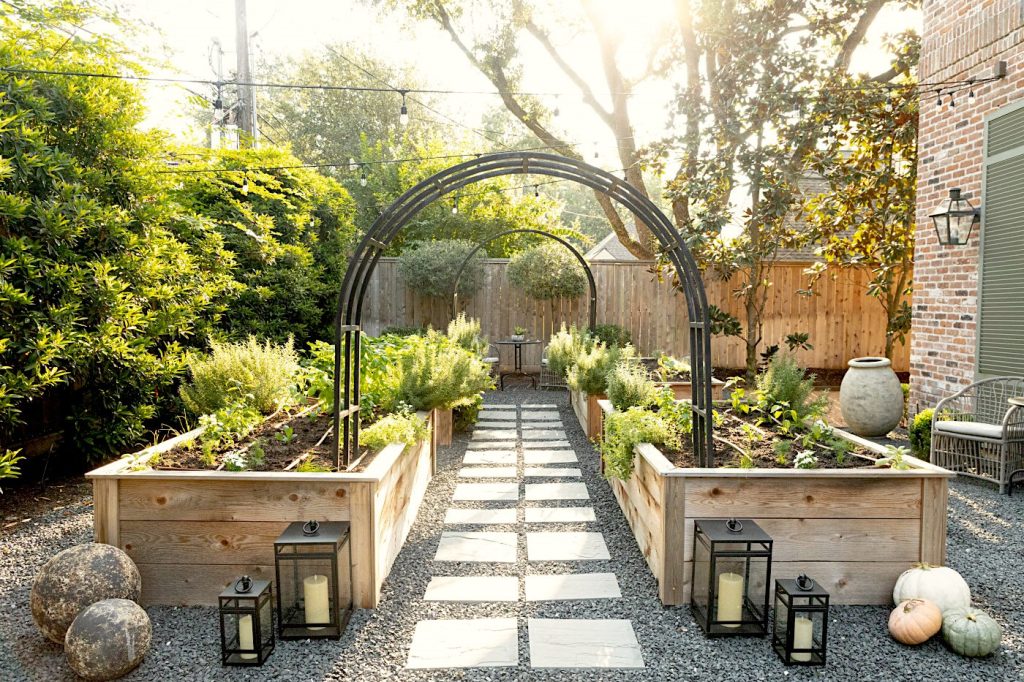
Imagine stepping into your backyard and finding a lush, thriving garden that not only looks beautiful but also practically takes care of itself. It’s not just a dream; it’s entirely possible with a raised garden bed.
But here’s the secret: what you plant together can make all the difference. If you’ve ever wondered why some plants just seem to thrive side by side while others struggle, you’re about to unlock the mystery. By choosing the right companions, you can boost growth, enhance flavors, and even ward off pests naturally.
Are you ready to transform your gardening game and create a harmonious plant community that works for you? Let’s dig into the details and discover what to plant together in your raised garden bed for the best results.

Credit: www.vegogarden.com
Benefits Of Companion Planting
Companion planting means growing plants close together that help each other. This method works well in raised garden beds.
It can improve plant health, reduce pests, and increase your harvest. Knowing what to plant together makes gardening easier and more productive.
Pest Control Advantages
Some plants naturally repel pests. When planted near crops, they keep bugs away without chemicals.
Other plants attract helpful insects that eat harmful bugs. This balance lowers pest problems in your garden.
- Marigolds repel nematodes and aphids
- Basil keeps flies and mosquitoes away
- Onions deter carrot flies and beetles
- Dill attracts ladybugs that eat aphids
Soil Health Improvement
Certain plants add nutrients back into the soil. This keeps the soil rich and helps other plants grow strong.
Legumes like beans and peas fix nitrogen in the soil. This natural fertilizer supports leafy and fruiting plants nearby.
- Beans and peas improve nitrogen levels
- Deep-rooted plants break up compacted soil
- Cover crops protect soil from erosion
- Mulching plants help keep moisture in soil
Maximizing Space And Yield
Companion planting uses space efficiently. Tall plants provide shade for smaller, shade-loving crops.
Pairing plants with different root depths helps them share soil nutrients. This way, you get more food from less space.
- Plant tall corn with climbing beans
- Grow lettuce under taller tomatoes
- Use herbs like thyme between vegetable rows
- Mix fast and slow growers to use space well

Credit: www.hgtv.com
Choosing Plants For Raised Beds
Raised garden beds provide a great space to grow many plants. Choosing the right plants helps your garden thrive. Consider how plants will fit and grow together.
Think about the needs of each plant. This includes water, sunlight, and how they grow through the seasons. Careful choices make your garden healthy and beautiful.
Considering Plant Size And Growth
Plants in raised beds need enough space to grow well. Some plants spread wide, while others grow tall. Plan to place tall plants where they do not shade smaller ones.
- Place tall plants at the back or center of the bed
- Give spreading plants enough room to expand
- Group plants with similar growth habits together
- Use vertical supports for climbing plants
Matching Water And Sunlight Needs
Plants need different amounts of water and sunlight. Group plants with similar needs to make watering easier and keep them healthy.
| Plant | Water Needs | Sunlight Needs |
| Lettuce | High | Partial Sun |
| Tomatoes | Medium | Full Sun |
| Carrots | Medium | Full Sun |
| Mint | High | Partial Shade |
Seasonal Plant Pairings
Choose plants that grow well together in the same season. This helps you get the best harvest from your raised bed.
- Spring: Peas, lettuce, spinach
- Summer: Tomatoes, peppers, basil
- Fall: Kale, carrots, broccoli
- Winter: Garlic, onions, spinach
Best Vegetable Pairings
Growing vegetables together in a raised garden bed can save space and improve growth. Some plants help each other by keeping bugs away or adding nutrients to the soil.
Choosing the right pairs can lead to healthier plants and better harvests. Here are some of the best vegetable pairings for your raised garden bed.
Tomatoes And Basil
Tomatoes and basil grow well together. Basil can help keep pests away from tomatoes. It also improves the flavor of the tomatoes.
Plant basil close to tomatoes to get the most benefit. Both plants like full sun and regular watering.
- Basil repels mosquitoes and flies
- Tomatoes provide shade for basil
- Both prefer rich, well-drained soil
Carrots And Onions
Carrots and onions grow well side by side. Onions help keep carrot flies away. Carrots do not block sunlight from onions.
This pair works well in raised beds because they grow at different soil levels. Carrots grow deep, and onions grow near the surface.
- Onions repel carrot flies
- Carrots loosen soil for onions
- Both prefer loose, sandy soil
Lettuce And Radishes
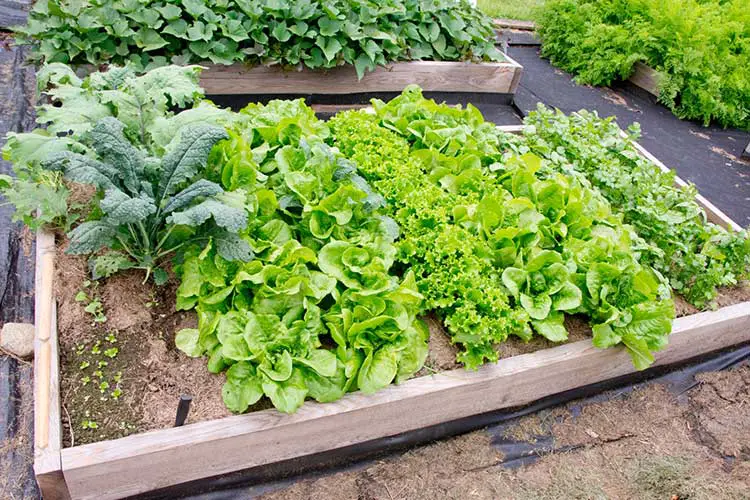
Lettuce and radishes grow fast and do not compete for space. Radishes mature quickly and can be harvested before lettuce gets big.
This pairing helps use garden space efficiently. Radishes also help break up the soil for lettuce roots.
- Radishes grow quickly and clear space
- Lettuce benefits from loosened soil
- Both like cool, moist conditions
Herbs That Boost Growth
Planting certain herbs with vegetables and flowers can help plants grow better. Some herbs keep pests away and improve soil health.
Using raised garden beds makes it easier to control what grows together. Here are some herbs that help other plants grow strong.
Mint And Cabbage
Mint grows well near cabbage. It helps keep cabbage moths and other bugs away. Mint’s strong smell confuses pests.
Be careful when planting mint because it spreads fast. Use a pot or separate spot to stop it from taking over.
Chives And Roses
Chives are great companions for roses. They help keep aphids and black spot disease away from roses.
Chives also improve the smell of roses and attract pollinators. They need little space and grow well in raised beds.
Dill And Cucumbers
Dill grows well with cucumbers. It attracts beneficial insects like ladybugs that eat pests harmful to cucumbers.
Dill also helps cucumbers by improving their flavor and growth. Plant dill near but not too close to cucumbers.
Flowers To Attract Pollinators
Planting flowers in raised garden beds helps bring pollinators like bees and butterflies. These insects improve the growth and yield of your vegetables.
Choose flowers that not only attract pollinators but also protect your plants or support their growth. Here are some great options to consider.
Marigolds And Vegetables
Marigolds are bright flowers that attract pollinators and repel harmful insects. They grow well near many vegetables and improve soil health.
- Plant marigolds beside tomatoes to reduce nematodes.
- They attract beneficial insects like ladybugs.
- Marigolds bloom all summer long.
Nasturtiums For Pest Deterrence
Nasturtiums have bright flowers that attract pollinators and keep pests away. They act as a trap crop, drawing aphids and whiteflies from vegetables.
| Vegetable | Benefit of Nasturtiums |
| Cabbage | Protects from cabbage worms |
| Beans | Reduces aphid attacks |
| Cucumbers | Deters whiteflies |
Sunflowers As Natural Supports
Sunflowers attract pollinators and provide natural support for climbing plants. Their tall stems hold beans and peas, saving space in the bed.
Sunflowers also offer these benefits:
- Attract bees and butterflies
- Improve soil with deep roots
- Provide shade for sensitive plants
Credit: www.farmfreshchoice.com
Avoiding Harmful Combinations
Planting the right crops together helps your raised garden bed grow healthy. Some plants do not grow well side by side. They may compete for nutrients or cause other problems.
Knowing which plants to avoid planting together keeps your garden strong. This guide explains three key points to watch for.
Plants That Compete For Nutrients
Plants need nutrients like nitrogen, phosphorus, and potassium from the soil. Some plants use the same nutrients heavily. When planted together, they can starve each other.
- Tomatoes and corn both need a lot of nitrogen.
- Carrots and dill compete for potassium.
- Beans fix nitrogen, so they grow well with heavy feeders like cabbage.
- Planting spinach and lettuce together works well because they use different nutrients.
Allelopathic Plant Effects
Some plants release chemicals that stop other plants from growing near them. This is called allelopathy. It helps them survive but can harm your garden.
| Allelopathic Plant | Plants to Avoid Near |
| Black Walnut | Tomatoes, Peppers, Apples |
| Sunflower | Beans, Peas, Potatoes |
| Garlic | Beans, Peas, Asparagus |
Spacing To Prevent Disease
Crowded plants create a moist environment. This helps diseases spread fast. Proper spacing improves air flow and reduces illness.
- Leave 12 to 18 inches between leafy greens.
- Space tomatoes 24 to 36 inches apart.
- Keep root vegetables at least 3 to 4 inches apart.
- Thin seedlings early to avoid crowding.
Soil Preparation For Mixed Planting
Growing different plants in a raised garden bed needs good soil preparation. The soil must support all the crops you want to grow together.
Good soil helps plants get enough nutrients, water, and air. It also creates a healthy environment for roots to grow well.
Amending Soil For Diverse Crops
Different plants need different nutrients. Adding compost and balanced fertilizers helps meet these needs. Mixing soil amendments improves soil health.
Test your soil to know what nutrients are missing. This helps you add the right materials. Avoid too much fertilizer to keep plants safe.
- Add compost to increase nutrients and improve soil texture
- Use balanced organic fertilizers for steady nutrient supply
- Include lime or sulfur to adjust soil pH if needed
- Mix amendments well into the soil before planting
Layering Organic Matter
Layering organic matter adds nutrients slowly and keeps soil healthy. Use leaves, grass clippings, and kitchen scraps. These materials break down over time.
Build layers of organic matter on top of the soil. This creates a natural mulch that feeds plants and holds moisture. Replace layers each season for best results.
- Start with a thin layer of coarse materials for airflow
- Add a layer of green waste like grass clippings
- Cover with brown waste like dried leaves or straw
- Water the layers to help decomposition
Drainage And Aeration Tips
Good drainage prevents waterlogging and root rot. Aeration lets roots get oxygen. Both are key for mixed planting success.
Use materials that keep soil loose and allow water to flow. Avoid compacting the soil by not walking on the bed. Add coarse sand or perlite if needed.
- Mix coarse sand or perlite into soil to improve drainage
- Avoid heavy clay soils that hold too much water
- Use raised beds to help water drain away quickly
- Loosen soil before planting to increase air flow
Maintenance Tips For Mixed Beds
Mixed beds combine different plants in one space. This setup needs careful care to keep plants healthy.
Good maintenance helps plants grow strong and produce well. Follow simple tips to manage your garden bed.
Watering Strategies
Water plants based on their needs. Some plants like moist soil, others prefer it dry.
- Water early in the morning to reduce evaporation.
- Use drip irrigation to target roots and save water.
- Check soil moisture before watering to avoid overwatering.
- Group plants with similar water needs together.
Pruning And Thinning
Pruning helps plants grow better by removing dead or crowded parts. Thinning gives space for strong plants.
| Action | Purpose |
| Remove dead leaves | Prevent disease and improve air flow |
| Cut back tall plants | Stop shading smaller plants |
| Thin seedlings | Allow more room for growth |
| Trim flowers after bloom | Encourage new growth |
Pest Monitoring And Management
Watch plants often for pests. Early action stops damage and keeps plants healthy.
- Inspect leaves and stems daily for bugs or eggs.
- Remove pests by hand or spray with mild soap.
- Use natural predators like ladybugs to control pests.
- Keep the garden clean from debris and weeds.
- Rotate crops yearly to reduce pest buildup.
Frequently Asked Questions
What Vegetables Grow Well Together In Raised Beds?
Leafy greens like spinach and lettuce grow well with carrots and radishes. Tomatoes pair nicely with basil and onions. These combinations optimize space and improve growth through companion planting, reducing pests and boosting flavors.
Can I Plant Herbs With Vegetables In Raised Beds?
Yes, herbs like basil, parsley, and chives grow well alongside vegetables. They repel pests and attract beneficial insects. This mix enhances garden health and flavor without competing for nutrients.
How Do I Avoid Overcrowding In A Raised Garden Bed?
Plan plant spacing according to seed packet guidelines. Use vertical space with trellises. Avoid planting too many heavy feeders together. Proper spacing ensures healthy growth and easier maintenance.
Which Flowers Are Good Companions In Raised Beds?
Marigolds and nasturtiums attract pollinators and deter pests. Calendula repels aphids and whiteflies. Adding flowers improves garden biodiversity and supports vegetable growth naturally.
Conclusion
Planting the right crops together helps your garden grow better. Some plants protect each other from pests and help with nutrients. Mixing tall and short plants saves space and sunlight. Try to match plants that have similar water and soil needs.
A raised garden bed makes caring for your plants easier. Enjoy watching your garden thrive with smart plant pairings. Start small, learn, and see what works best for you. Gardening is about patience and fun. Happy planting!