If you want your cutting boards to last longer and stay in great shape, sealing them is key. But what should you seal cutting boards with?
Choosing the right finish not only protects your boards from water and stains but also keeps them safe for food preparation. You’ll discover the best options to seal your cutting boards, how to apply them, and tips to maintain that fresh, clean look.
Keep reading to find out how you can make your cutting boards stronger and safer with the right sealant.
Types Of Sealants
Sealing cutting boards helps protect the wood from moisture and stains. It also keeps the board safe for food use. Many sealants are available, each with different features.
Choosing the right sealant can extend your cutting board’s life. It also makes cleaning easier and keeps your food safe.
Natural Oils
Natural oils soak into the wood and protect it from drying out. They are safe for food contact and easy to apply. Common oils include walnut, linseed, and coconut oil.
Food-safe Waxes
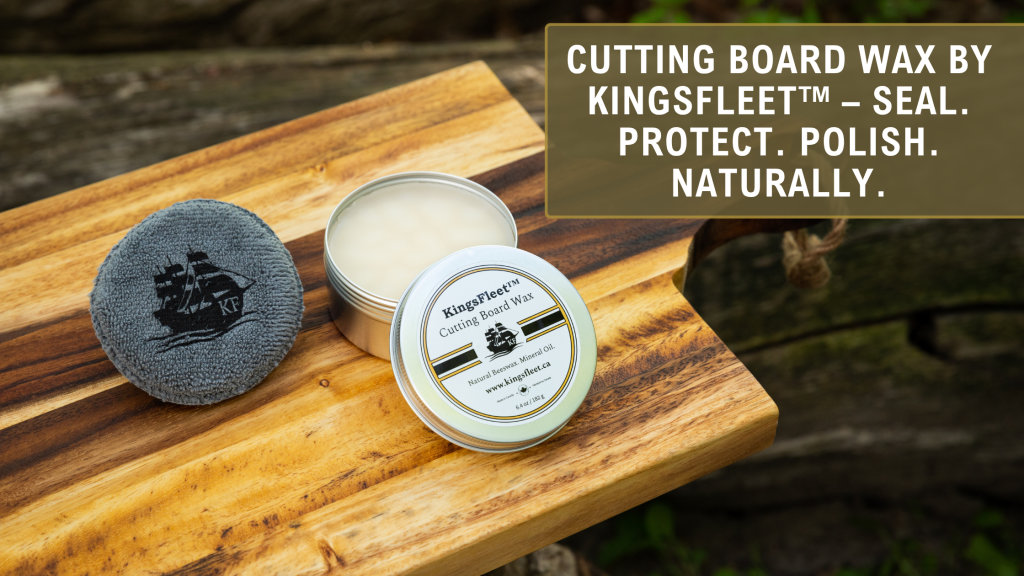
Food-safe waxes create a thin layer on the board surface. They help block water and add shine. Beeswax is a popular choice for cutting boards.
- Provide water resistance
- Safe for direct food contact
- Often combined with oils for better protection
Polyurethane Finishes
Polyurethane finishes form a hard, protective coat on the surface. They last longer but may not be safe if the board is cut on often. Use only food-safe versions.
| Type | Pros | Cons |
|---|---|---|
| Oil-based Polyurethane | Durable and water-resistant | Strong odor, longer drying time |
| Water-based Polyurethane | Less odor, quick drying | Less durable than oil-based |
Mineral Oil
Mineral oil is a clear, odorless oil that is very safe for cutting boards. It soaks in quickly and prevents wood from cracking. It needs regular reapplication.
Beeswax Blends
Beeswax blends mix wax with oils to give both moisture and surface protection. They are easy to apply and improve the board’s look. These blends form a gentle barrier against water.
Choosing The Right Sealant
Sealing cutting boards keeps them safe and lasts longer. It stops water and germs from entering the wood. Picking the right sealant is important for good results.
Different sealants offer various benefits. You must consider durability, safety, ease of use, and price. This helps find the best fit for your cutting board.
Durability Factors
Durability means how well the sealant protects the board over time. Some sealants resist water better. Others handle knives and cleaning chemicals well.
- Look for water-resistant sealants
- Choose finish that resists scratches
- Pick products that last after washing
Safety Considerations
Safety is key for any sealant on cutting boards. The sealant must be food safe and not toxic. It should not change the taste of food.
| Sealant Type | Food Safe | Toxic Chemicals |
| Mineral Oil | Yes | No |
| Beeswax | Yes | No |
| Polyurethane | No | Yes |
| Tung Oil | Yes | No |
Ease Of Application
Some sealants are easy to apply at home. Others need special tools or time to dry. Consider how much effort you want to spend.
- Use mineral oil with a clean cloth
- Beeswax may need warming before use
- Polyurethane requires brushes and ventilation
- Tung oil needs multiple coats and drying time
Cost And Availability
Price and access matter when choosing a sealant. Some sealants cost more but last longer. Others are cheap but need frequent reapplication.
| Sealant | Average Price | Easy to Find |
| Mineral Oil | Low | Yes |
| Beeswax | Medium | Yes |
| Polyurethane | Medium | Yes |
| Tung Oil | High | Limited |
Preparing Cutting Boards For Sealing
Sealing cutting boards helps protect them from moisture and stains. Proper preparation ensures the finish lasts longer and looks better.
Before sealing, you must clean, sand, and remove any old finishes. These steps make the surface smooth and ready for sealing.
Cleaning And Drying
Start by washing the cutting board with warm, soapy water. Use a sponge or cloth to remove food particles and oils.
Rinse well and dry the board completely with a clean towel. Let it air dry for several hours to remove all moisture.
Sanding Techniques
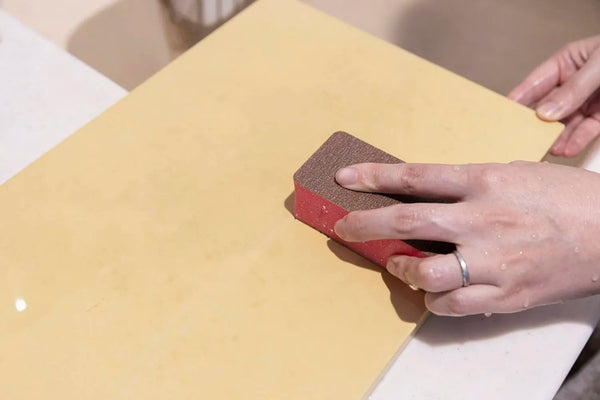
Sanding smooths the surface and opens the wood pores. Use medium-grit sandpaper first, then fine-grit for a smooth finish.
Sand in the direction of the wood grain to avoid scratches. Wipe off dust with a damp cloth before sealing.
- Start with 120-grit sandpaper
- Follow with 220-grit for smoothness
- Always sand along the grain
- Remove sanding dust completely
Removing Old Finishes
If the board has an old finish, remove it before sealing. Use a chemical stripper or sand it off carefully.
Test a small area first to avoid damage. After removal, clean and sand the board again to prepare it for sealing.

Credit: www.reddit.com
Application Methods
Sealing cutting boards protects them from water and stains. It also keeps the wood looking fresh. There are different ways to apply sealants. Choosing the right method helps the seal last longer.
Each method has its own benefits. Some are quick and easy. Others take more time but give better results. Learn how to apply sealants properly for the best finish.
Brushing
Brushing is a simple way to spread sealant. Use a soft brush to apply an even coat. This method works well for oils and finishes. It helps the sealant get into small cracks and pores.
Rubbing And Buffing
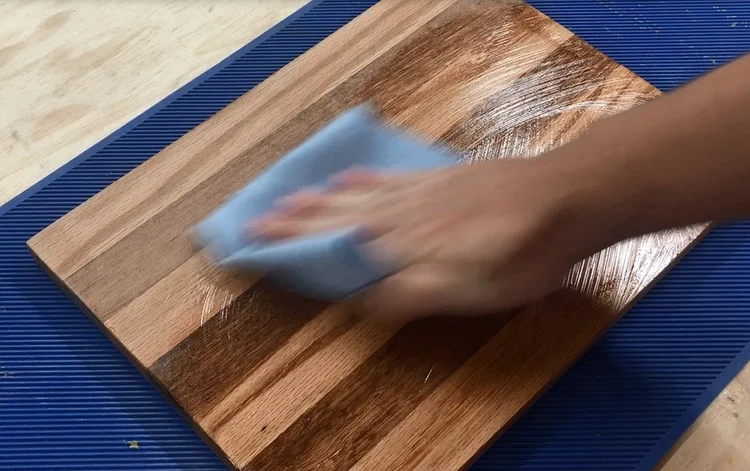
Rubbing sealant into the wood lets it soak deeply. Use a clean cloth to rub the oil or wax onto the board. After rubbing, buff the surface with a dry cloth. This creates a smooth, shiny finish.
- Apply oil in small amounts
- Rub in circular motions
- Buff gently to remove excess
- Repeat if needed for better coverage
Multiple Coats
Applying several coats makes the seal stronger. Each coat adds a layer of protection. Wait between coats so the wood absorbs the sealant well. This method prevents peeling and cracking.
| Coat Number | Purpose | Dry Time |
| First | Penetrates wood | 4-6 hours |
| Second | Builds protection | 6-8 hours |
| Third | Enhances finish | 8-12 hours |
Drying Times
Drying time depends on the sealant and temperature. Some oils dry faster, while waxes may take longer. Avoid using the cutting board until it is fully dry. This keeps the finish intact and safe.
- Keep the board in a warm, dry place
- Allow air circulation around the board
- Check the sealant instructions for exact times
- Do not rush the process
Maintaining Sealed Cutting Boards
Sealing cutting boards helps protect the wood from water and stains. Proper care keeps them safe and lasting longer.
Good maintenance keeps the seal strong and the board healthy for daily use in the kitchen.
Regular Reapplication
Oils and sealants wear off after use and washing. Reapply them often to keep the board sealed well.
Check the board surface for dryness or rough patches. These signs mean it needs new oil or wax.
- Apply food-safe mineral oil or beeswax.
- Rub the oil evenly over the entire board.
- Let it soak for several hours or overnight.
- Wipe off any extra oil before use.
Cleaning Tips
Cleaning sealed cutting boards correctly stops damage and keeps the seal strong. Use gentle methods.
Avoid soaking the board in water or using harsh soaps. Clean with a soft cloth or sponge and warm water.
- Wash the board soon after use to avoid stains.
- Use mild dish soap and warm water.
- Dry the board completely with a towel.
- Air-dry the board standing up to avoid moisture buildup.
Avoiding Damage
Sealed boards can still get damaged by heat, knives, or improper storage. Protect the seal by being careful.
Do not put the board in the dishwasher. Avoid cutting on very hot surfaces or using the board as a trivet.
- Use sharp knives to reduce deep cuts.
- Store the board in a dry place.
- Do not expose the board to direct sunlight for long periods.
- Sand the board lightly before resealing if it gets rough.
Common Mistakes To Avoid
Sealing cutting boards protects them from water and stains. Many people make simple mistakes that reduce the sealant’s effectiveness. Avoid these errors to keep your board safe and long-lasting.
Knowing what not to do helps you choose the right sealant and apply it correctly. This guide covers common mistakes to avoid when sealing cutting boards.
Using Toxic Sealants
Some sealants contain harmful chemicals that can get into your food. Avoid using sealants with toxins like formaldehyde or lead. These can cause health problems over time.
Look for food-safe sealants made from natural oils or beeswax. These protect your board without risking your health.
Overapplying Sealant
Putting on too much sealant can leave sticky or uneven surfaces. Thick layers take longer to dry and may peel off. This weakens protection.
Apply thin, even coats. Let each layer dry fully before adding another. This builds a strong, smooth finish.
- Use a soft cloth or brush to spread sealant thinly
- Remove excess sealant with a clean cloth
- Apply 2-3 thin coats for best results
Ignoring Drying Times
Rushing the drying process can ruin the seal. If you use the board too soon, the sealant may stay soft or peel off. This leaves the wood vulnerable.
Follow the sealant instructions for drying time. Usually, you must wait at least 24 hours between coats. Let the final coat cure fully before use.
- Check the label for exact drying times
- Keep the board in a dust-free, dry place while drying
- Do not use or wash the board during curing
Diy Vs Commercial Sealants
Sealing cutting boards protects them from moisture and stains. Both DIY and commercial sealants can help. Choosing the right one depends on your needs and preferences.
This guide compares DIY and commercial sealants by their pros and cons, effectiveness, and cost.
Pros And Cons
- DIY Sealants: Made from natural oils like mineral oil or beeswax. Pros include being non-toxic and easy to apply. Cons are shorter protection and frequent reapplication.
- Commercial Sealants: Made for wood protection, often with added preservatives. Pros include longer-lasting protection and water resistance. Cons are possible chemicals and higher cost.
Effectiveness
DIY sealants work well for light use and quick fixes. They soak into the wood and keep it from drying out. Commercial sealants form a stronger barrier that resists water and stains longer. This makes them better for heavy use boards.
Cost Comparison
| Sealant Type | Average Price | Longevity |
| DIY (Mineral Oil, Beeswax) | $5 – $15 | 1-3 months |
| Commercial Sealants | $15 – $30 | 6-12 months |
Credit: www.globalkitchenjapan.com
Credit: www.slightlycrookedworkshop.com
Frequently Asked Questions
What Is The Best Oil For Sealing Cutting Boards?
Mineral oil is the best choice for sealing cutting boards. It’s food-safe, odorless, and prevents wood from drying out. Apply a generous amount, let it soak, and wipe off excess. This simple maintenance extends the board’s lifespan and keeps it looking great.
How Often Should I Seal My Cutting Board?
Seal your cutting board every 3-4 weeks. Frequency depends on usage and wood type. Regular sealing prevents cracking and warping. If the board looks dry or absorbs water quickly, it’s time to reseal. Consistent maintenance ensures longevity and optimal performance.
Can I Use Olive Oil To Seal My Cutting Board?
Avoid using olive oil for sealing cutting boards. It can become rancid and leave an unpleasant odor. Instead, choose food-grade mineral oil or a specialized cutting board oil. These options are safe and effective, keeping your board in excellent condition.
Why Is Sealing Cutting Boards Important?
Sealing cutting boards is crucial for protection against moisture and bacteria. It prevents the wood from cracking and warping. A well-sealed board lasts longer and maintains a smooth surface. Regular maintenance ensures a safe and hygienic food preparation area.
Conclusion
Sealing cutting boards helps protect them from water and stains. Use food-safe oils or finishes to keep boards safe and strong. Regular sealing stops cracks and keeps wood looking fresh. Choose a sealant that is easy to apply and dries fast.
Take care of your cutting board to make it last longer. A well-sealed board is cleaner and safer for food prep. Simple steps make a big difference in board care. Keep your kitchen tools in great shape with good sealing.