Are you unsure about what temperature to set your air conditioner on for the best comfort and savings? You’re not alone.
Finding the perfect balance between staying cool and keeping your energy bills low can be tricky. But don’t worry—this guide will help you discover the ideal AC setting that keeps your home comfortable, protects your health, and saves you money.
Keep reading to learn simple tips that make a big difference in how you use your air conditioner every day.
Credit: www.tomsguide.com
Ideal Temperature Ranges
Daytime settingsfor air conditioners should be around 72-78°F (22-26°C). This range keeps rooms comfortable without wasting energy. Setting it too low uses more power and may cause chills.
Nighttime adjustmentscan be cooler or warmer, depending on personal comfort. Many prefer 68-72°F (20-22°C)to sleep well. A slightly higher or lower setting helps save energy while keeping you cozy.
| Season | Ideal Temperature Range | Reason |
|---|---|---|
| Summer | 74-78°F (23-26°C) | Balances comfort and energy savings |
| Winter | 68-72°F (20-22°C) | Prevents overcooling and reduces energy use |
| Spring/Fall | 70-75°F (21-24°C) | Adjusts to mild weather for comfort |
Balancing Comfort And Energy Savings
Setting the air conditioner to the right temperature helps balance comfortand energy savings. A good rule is to keep it around 78°F (25-26°C)during summer. This temperature is cool enough to stay comfortable but not too cold to waste energy.
Lowering the temperature by just 1°F can raise your electricity billby about 6-8%. That means small changes can affect costs a lot. Keeping the AC at a moderate temperature saves money and energy.
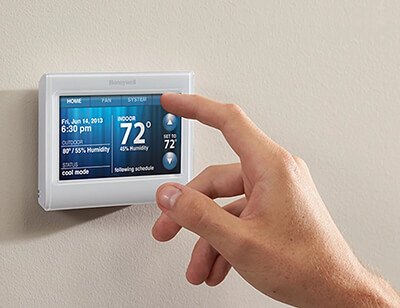
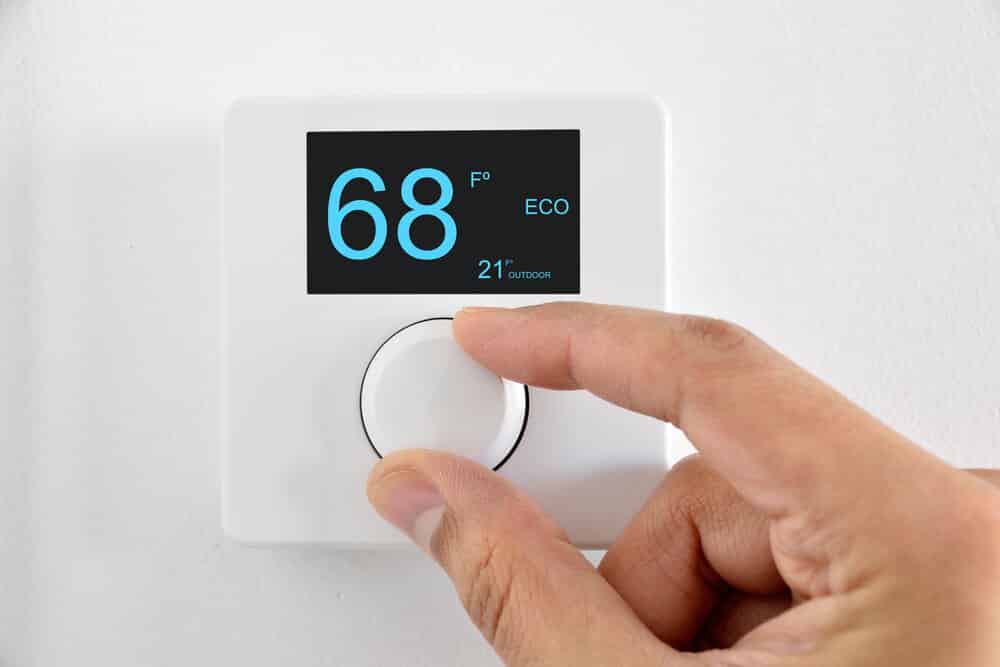
Programmable thermostats make it easy to control your AC. You can set it to cool only when you are home. This stops cooling an empty house and cuts down power use. Some models let you set different temperatures for day and night.
- Set AC to 78°F when home
- Raise temperature when away
- Use programmable thermostat for best control
- Check and clean filters regularly
Factors Influencing Temperature Choice
The size of the roomaffects how cool it needs to be. Larger rooms need lower temperatures to feel cool. Good insulationkeeps cool air inside, so the air conditioner works better. Poor insulation means the cool air escapes quickly.
Humiditymakes the room feel warmer. High humidity means the air conditioner must work harder to remove moisture. Setting the temperature a bit lower can help reduce the sticky feeling.
People like different temperatures. Some like it cooler, others prefer it warmer. The best temperature is one that feels comfortable for most people in the room. Adjusting settings to match occupant preferenceshelps create a pleasant space.
Credit: gulfshorecooling.com
Common Mistakes To Avoid
Setting the air conditioner too lowcan waste energy and raise bills. It may also cause the unit to work harder and break down faster. Choose a comfortable but not freezing temperature.
Constantly changing the settingsmakes the AC less efficient. The unit uses more power to adjust frequently. Find one setting that feels good and stick with it.
Ignoring maintenanceleads to poor cooling and higher costs. Dirty filters and coils block airflow and reduce performance. Clean or replace filters regularly and schedule yearly professional checks.
Additional Cooling Strategies
Using fans helps spread cool air from the air conditioner faster. Ceiling fans push air down, making the room feel cooler without lowering the AC temperature. Place fans near windows at night to pull in cooler air. This reduces the AC load and saves energy.
Shading windows blocks sunlight and heat from entering rooms. Use curtains, blinds, or outdoor shades on sunny windows. Ventilate by opening windows early morning or late evening when air is cooler. This keeps the house fresh and reduces AC use.
| Smart Home Integration | Benefits |
|---|---|
| Thermostat Scheduling | Set AC to cool only when needed, saving energy. |
| Remote Control | Adjust temperature from anywhere using a phone app. |
| Learning Features | System adapts to daily habits for better comfort. |
Credit: fischerheating.com
Frequently Asked Questions
What Is The Ideal Ac Temperature In Summer?
The ideal AC temperature in summer is between 24°C to 26°C (75°F to 78°F). This setting ensures comfort and energy efficiency. It helps in maintaining a balance between staying cool and keeping your electricity bills in check. Additionally, it reduces the strain on your air conditioning unit.
How Does Humidity Affect Ac Settings?
High humidity makes you feel hotter, impacting comfort levels. Set your AC to a lower temperature to compensate. This helps remove excess moisture from the air, improving comfort. Maintaining a humidity level between 30% to 50% is recommended for optimal comfort and efficiency.
Can Setting My Ac Too Low Be Harmful?
Yes, setting your AC too low can be harmful. It increases energy consumption and wear on the unit. It can also lead to health issues like colds. A moderate temperature prevents these problems. Always aim for a comfortable yet efficient setting to avoid unnecessary strain.
What Temperature Saves The Most Energy?
Setting your AC at 26°C (78°F) saves the most energy. This temperature balances comfort and energy efficiency. It reduces electricity consumption and lowers your energy bills. During the night or when away, increase the temperature to save more. Programmable thermostats can help automate these changes.
Conclusion
Setting your air conditioner to the right temperature saves energy and money. Aim for a balance between comfort and efficiency. Around 78°F is good for cooling when you are home. Raise the temperature a bit when away to save power.
Use a programmable thermostat for easy control. Regular maintenance helps the AC work better and last longer. Small changes make a big difference in your bills and comfort. Keep cool without wasting energy. Simple steps lead to smarter cooling.