
Are you curious about what type of Freon keeps your home cool and comfortable? Understanding the specific refrigerant in your air conditioner can save you time and money when it needs servicing or a refill.
Knowing this simple fact helps you make smarter choices for your home’s cooling system. Keep reading to discover the most common types of Freon used in home air conditioners and why it matters for your comfort and safety.

Credit: aristotleair.com
Common Freon Types In Ac Units
Freon is a brand name for refrigerants used in air conditioners. Different types of Freon work in home AC units. Knowing these types helps understand your cooling system.
This article covers three common Freon types used in home air conditioners today and those emerging as alternatives.
R-22 Refrigerant
R-22 was the most common refrigerant in home AC units for many years. It is a hydrochlorofluorocarbon (HCFC) that harms the ozone layer. Because of this, its production is being phased out worldwide.
R-22 systems need special handling when refilling. Many older air conditioners still use R-22, but it is expensive and less environmentally friendly.
R-410a Refrigerant
R-410A is a hydrofluorocarbon (HFC) refrigerant. It does not harm the ozone layer like R-22. This type is now the standard for new home air conditioners.
- Works at higher pressure than R-22
- Improves cooling efficiency
- Requires compatible equipment and parts
- More eco-friendly compared to older types
Emerging Alternatives
| Refrigerant | Benefits | Notes |
|---|---|---|
| R-32 | Lower global warming potential | Used in some new AC models |
| R-454B | Better energy efficiency | Replacement for R-410A planned |
| Natural Refrigerants | Eco-friendly and safe | Includes propane and CO2 |
These new refrigerants aim to reduce environmental impact. They offer good cooling performance with less harm to the planet.
Why Freon Choice Matters
Freon is a common refrigerant used in home air conditioners. Choosing the right Freon affects your system’s safety and cost.
This choice also impacts the environment and how well your air conditioner works.
Environmental Impact
Some types of Freon damage the ozone layer and increase global warming. Newer Freon types are safer for the environment.
- Older Freon types harm the ozone layer.
- Newer refrigerants reduce greenhouse gas emissions.
- Proper Freon choice helps protect air quality.
Efficiency And Performance
Freon affects how well your air conditioner cools your home and how much energy it uses. Using the right type helps save energy and money.
| Freon Type | Energy Efficiency | Cooling Power |
| R-22 | Moderate | Good |
| R-410A | High | Better |
| R-32 | Very High | Best |
Regulatory Changes
Rules now limit the use of some Freon types to protect the environment. New systems use approved refrigerants only.
- Older Freons like R-22 are being phased out.
- New laws require using eco-friendly refrigerants.
- Check local rules before buying or refilling Freon.
Identifying Your Ac’s Refrigerant
Knowing the type of Freon or refrigerant your home air conditioner uses is important. It helps with repairs and maintenance. Different AC models use different refrigerants.
This guide explains how to find out which refrigerant your AC uses. You can check manufacturer labels, look in the user manual, or get a professional inspection.
Checking Manufacturer Labels
Most air conditioners have a label on the outdoor unit. This label shows the refrigerant type used in the system. It is usually near the model number and serial number.
Look for terms like R-22, R-410A, or other codes. These codes tell you the kind of Freon your AC uses. The label may also include safety warnings and refrigerant weight.
- Find the outdoor unit of your AC.
- Look for a metal or sticker label.
- Read the refrigerant type listed.
Consulting The User Manual
Your air conditioner’s user manual contains important details. It usually lists the type of refrigerant the system uses. This is often in the specifications section.
If you cannot find the manual, check online with your AC model number. Many manufacturers provide digital copies of their manuals for free.
- Find your AC’s user manual.
- Look under specifications or technical data.
- Note the refrigerant type mentioned.
Professional Inspection
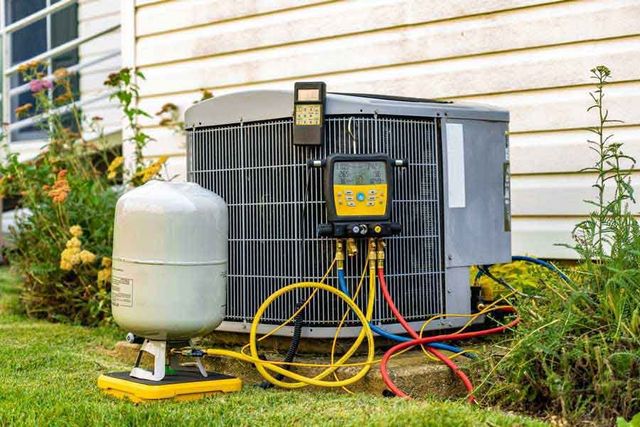
A licensed HVAC technician can help identify your AC’s refrigerant. They use special tools to check the system safely. This is the best option if labels are missing or unreadable.
Technicians can also check for leaks and system problems. They ensure the refrigerant type matches your AC model for proper service.
- Contact a licensed HVAC technician.
- Request refrigerant identification service.
- Get a full system check for leaks or issues.
Replacing Or Refilling Freon
Freon is a common refrigerant used in home air conditioners. Over time, the Freon level can drop and affect cooling. Knowing when and how to replace or refill Freon keeps your AC working well.
This guide covers when to refill Freon, how to pick the right type, and the importance of using certified technicians.
When To Refill
Refill Freon only when your AC shows signs of low refrigerant. Signs include poor cooling, ice buildup on coils, or hissing sounds. Never refill without checking for leaks first.
- Check for weak airflow from vents
- Look for ice on the outdoor unit
- Notice if the AC runs longer than usual
- Listen for unusual noises in the system
Choosing The Right Refrigerant
Not all Freon types work in every air conditioner. The right refrigerant depends on your AC model and environmental rules. Using the wrong type can damage your system.
| Freon Type | Common Use | Notes |
| R-22 | Older systems | Phased out due to ozone impact |
| R-410A | Newer models | More efficient and eco-friendly |
| R-32 | Some new AC units | Lower global warming potential |
Hiring Certified Technicians
Certified technicians handle refrigerants safely. They find leaks, refill Freon, and follow laws. Hiring them protects your home and the environment.
- They use proper tools for testing leaks
- Follow EPA rules for refrigerant handling
- Ensure correct refrigerant type and amount
- Provide warranty and service records
Future Trends In Home Ac Refrigerants
Air conditioners use refrigerants to cool homes. The type of refrigerant affects the environment and energy use.
New trends focus on safer and greener refrigerants to protect the planet and improve home cooling.
Eco-friendly Refrigerants
Many new refrigerants have less impact on the ozone layer and cause less global warming. These eco-friendly options are gaining popularity.
- Hydrofluoroolefins (HFOs) with low global warming potential
- Natural refrigerants like propane and CO2
- Blends that reduce emissions and improve efficiency
Technological Advancements
Technology helps use new refrigerants safely. It also improves air conditioner design to work better with these fluids.
| Technology | Benefit |
| Leak detection systems | Prevent refrigerant loss |
| Improved compressors | Increase energy efficiency |
| Smart thermostats | Optimize cooling and save energy |
Impact On Home Cooling
New refrigerants and technology change how homes stay cool. These changes affect energy bills and comfort levels.
- Lower energy use with efficient refrigerants
- Better indoor air quality through improved systems
- Reduced environmental impact from leaks and waste
- Longer system life with advanced materials

Credit: refrigerantscenter.com
Credit: www.iecomfortac.com
Frequently Asked Questions
What Type Of Freon Is Used In Home Ac Units?
Most home air conditioners use R-410A Freon. It is a hydrofluorocarbon (HFC) refrigerant. R-410A is eco-friendlier and more efficient than older types like R-22. It helps cool your home effectively while complying with modern environmental standards.
Why Was R-22 Freon Phased Out In Home Acs?
R-22 Freon was phased out due to its ozone-depleting properties. It harms the ozone layer and contributes to global warming. New regulations banned its use in new AC units after 2010. R-410A replaced R-22 for safer, eco-friendly cooling.
Can I Replace R-22 Freon With R-410a In My Ac?
No, R-22 and R-410A are not compatible. They operate at different pressures and require different equipment. Replacing R-22 with R-410A needs a full system retrofit or replacement. Consult an HVAC professional for the best upgrade options.
How Does R-410a Freon Improve Ac Efficiency?
R-410A operates at higher pressure, improving heat transfer. This makes air conditioners more energy-efficient and reliable. It reduces electricity consumption and lowers cooling costs. R-410A also supports better environmental protection due to zero ozone depletion potential.
Conclusion
Choosing the right Freon is crucial for your air conditioner. Different types suit different systems. R-22 was common, but R-410A is now preferred. It’s more eco-friendly. Always check your AC unit’s requirements. Using the wrong Freon can harm your system.
It might also void warranties. Regular maintenance helps with efficiency and longevity. Consider professional advice for Freon changes. Stay informed about regulations and updates. This ensures optimal performance and compliance. Understanding Freon choices enhances your AC’s lifespan. Keep your home cool and comfortable.
Always prioritize safety and efficiency.