Your wood cutting board is more than just a kitchen tool—it’s an investment that needs the right care to last. Choosing the right oil might seem simple, but using the wrong type can damage your board or leave it smelling strange.
You want your cutting board to stay smooth, strong, and safe for food. So, what type of oil should you use to keep it in top shape? Keep reading to discover the best oils that protect your wood and make your cutting board look and feel like new every time.
Importance Of Oil For Wood Boards
Oiling wood cutting boards keeps them safe and strong. It helps the wood stay in good shape for a long time.
Using the right oil protects the board from damage. It also makes the board look better and last longer.
Protecting Wood From Moisture
Wood can soak up water, which causes cracks and warping. Oil forms a shield that stops water from getting inside.
This shield helps keep the wood dry and stable. It lowers the chance of bacteria growing on the board.
- Prevents cracks and splits
- Stops wood from swelling
- Reduces bacteria growth
Enhancing Wood Grain And Appearance
Oiling brings out the natural colors and patterns in wood. It makes the board look shiny and fresh.
With oil, the wood grain becomes more visible. This makes the cutting board more attractive and unique.
- Highlights natural wood patterns
- Gives a smooth, glossy finish
- Makes the board look new again
Extending Board Longevity
Regular oiling stops the wood from drying out and breaking. It keeps the board strong for many years.
Oiled boards resist stains and damage better. This means less wear and tear over time.
- Prevents drying and cracking
- Protects against stains and marks
- Keeps board in good condition longer
Common Oils For Wood Boards
Choosing the right oil helps protect and maintain wood cutting boards. Oils keep the wood from drying out and cracking.
Some oils work better than others. Understanding their benefits and uses will help your board last longer.
Mineral Oil Benefits
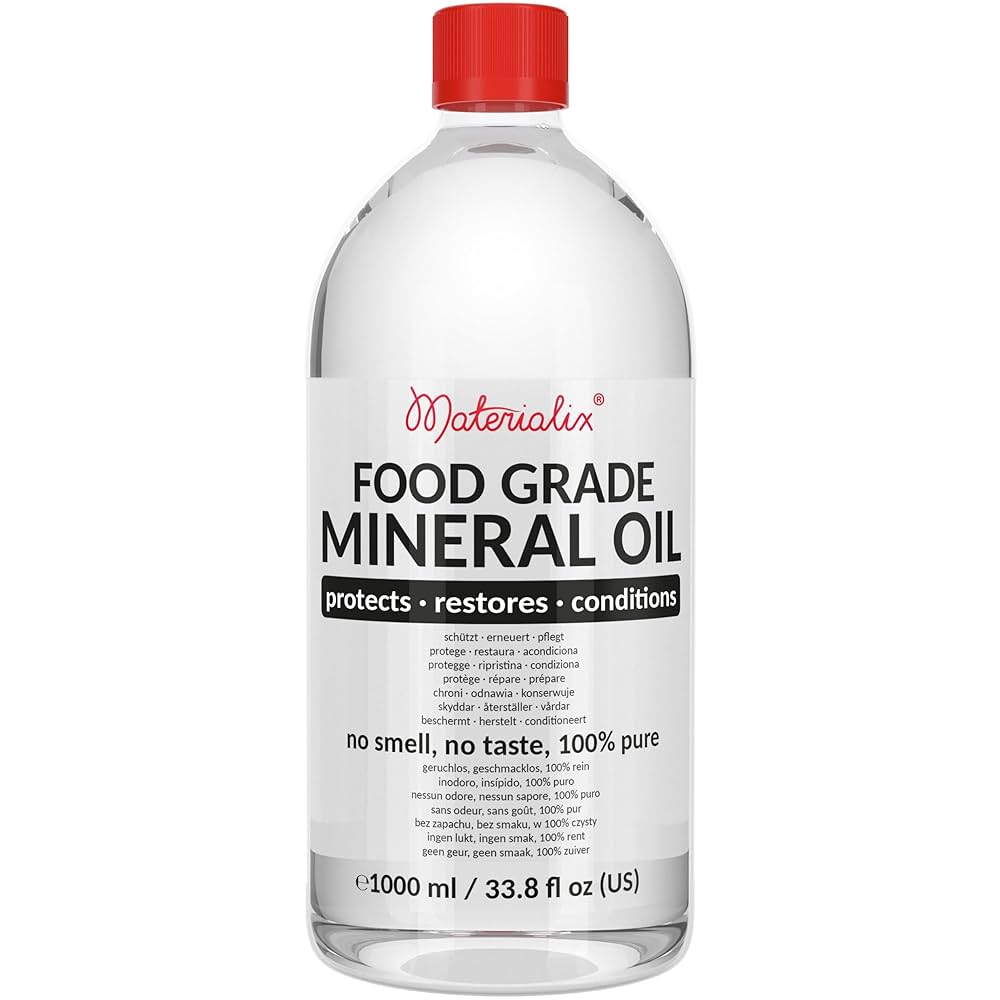
Mineral oil is a popular choice for wood boards. It is odorless and tasteless. This oil does not go rancid, so it keeps the wood safe.
It is easy to apply and penetrates the wood well. Mineral oil creates a protective barrier against moisture and stains.
Why Coconut Oil Is Popular
Coconut oil is natural and has antibacterial properties. It helps keep the board clean and safe to use.
- Food-safe and non-toxic
- Leaves a nice scent on the wood
- Penetrates deeply into the wood fibers
- May harden and create a protective layer
Using Walnut Oil Safely
Walnut oil is good for wood because it soaks in well. It is a drying oil that hardens over time.
People with nut allergies should avoid walnut oil. Test the oil on a small board area before full use.
Tung Oil Characteristics
Tung oil is a natural drying oil. It forms a tough, water-resistant finish after it dries.
| Feature | Description |
| Origin | Extracted from tung tree seeds |
| Drying Time | Several hours to days per coat |
| Finish | Matte to satin, durable |
| Use | Protects wood from water and stains |
Beeswax And Oil Blends
Beeswax blends combine oil with wax to add extra protection. The wax creates a smooth, water-resistant surface.
These blends are easy to apply and give the board a slight shine. They also help seal the oil to the wood.
Oils To Avoid On Cutting Boards
Choosing the right oil for your wood cutting board is important. Some oils can harm the wood or make it unsafe for food use.
This guide explains which oils to avoid to keep your cutting board in good shape and safe for cooking.
Vegetable And Cooking Oils
Many vegetable and cooking oils are bad for wood boards. They can go bad and leave a sticky, smelly surface.
Oils like olive oil or canola oil may seem natural but they can turn rancid over time.
- Olive oil
- Canola oil
- Sunflower oil
- Vegetable oil blends
- Corn oil
Drying Oils That Harden
Some oils harden by drying and are not good for cutting boards. They can crack or form a rough surface.
These drying oils are better for wood furniture or art, not kitchen use.
- Tung oil
- Linseed oil (especially raw or boiled)
- Walnut oil (can also cause allergies)
Oils With Additives
Avoid oils that contain additives, perfumes, or chemicals. These can be toxic or spoil the wood.
Many commercial oils or sprays for wood have these substances. They are unsafe for food contact.
- Oils with fragrances or dyes
- Mineral oil blends with preservatives
- Cooking sprays containing additives

Credit: ca.maisonrodin.com
How To Apply Oil To Wood Boards
Oiling wood cutting boards keeps them strong and looking good. It stops the wood from drying out and cracking.
Using the right oil and applying it well helps your board last longer. Below are ways to prepare and oil your board properly.
Preparing The Board
Clean your board with warm soapy water. Dry it fully before adding any oil. Sand rough spots gently with fine sandpaper.
- Remove all food debris
- Wash with mild soap
- Let the board dry completely
- Sand uneven areas if needed
Application Techniques
Use a clean cloth or paper towel to spread oil. Apply evenly across the whole surface, including edges and sides.
- Pour a small amount of oil on the board
- Rub the oil into the wood with circular motions
- Cover every part of the board
- Let the oil soak in for at least 20 minutes
- Wipe off any extra oil with a dry cloth
Frequency Of Oiling
| Use Level | Oiling Frequency |
| Light Use (few times a week) | Once a month |
| Regular Use (daily) | Every 2 weeks |
| Heavy Use (commercial or daily heavy) | Once a week |
Check your board often. If it looks dry or faded, oil it again. Proper oiling keeps your wood healthy and safe for food.
Signs Your Board Needs Oiling
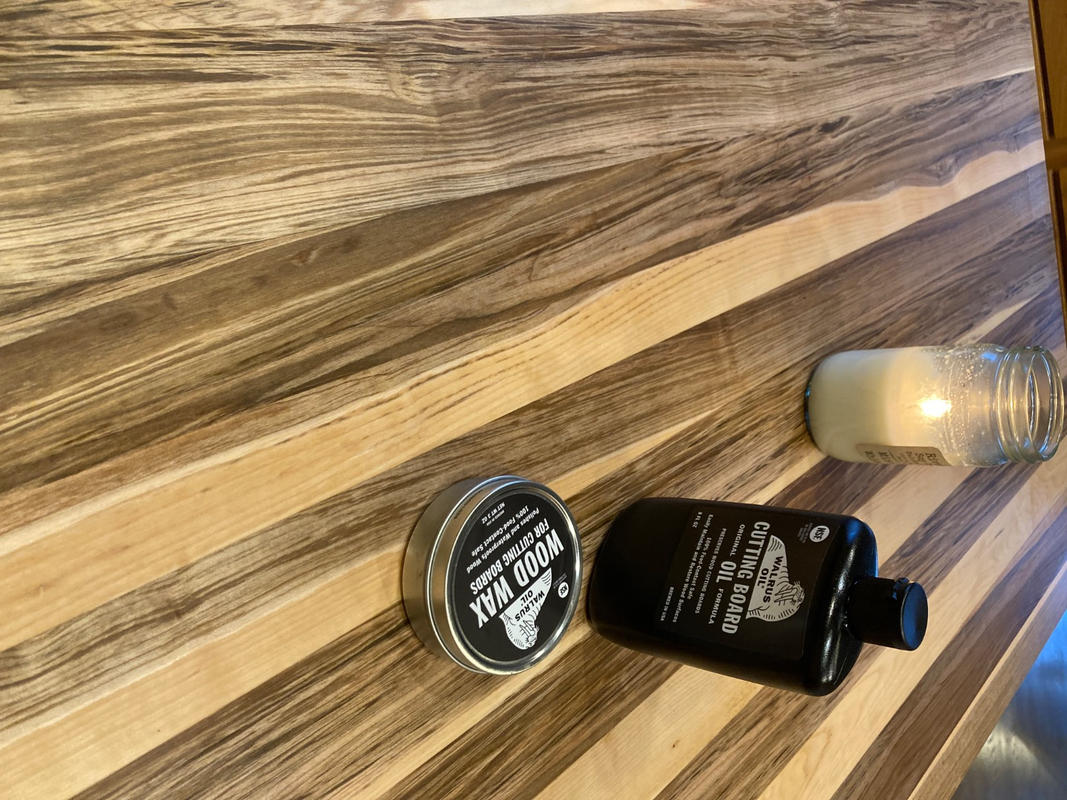
Wood cutting boards need regular oiling to stay in good shape. Oiling keeps the wood strong and prevents damage. Watch for signs that show your board needs oiling soon.
Checking your board often helps you keep it safe for food and lasts longer. Here are the main signs your board is dry and needs oil.
Dry Or Dull Surface
A dry or dull surface means the wood lost its natural oils. The board looks faded and feels rough to touch. Oiling brings back the shine and smoothness.
- Wood looks faded or chalky
- Surface feels rough or cracked
- Board feels lighter than usual
- Knife cuts leave rough marks
Water Absorption Issues
When your board soaks up water, it shows it is dry inside. Water may leave dark spots or stains. A well-oiled board repels water and stays clean.
| Problem | What Happens |
| Board dry | Water soaks in quickly |
| Board oiled | Water beads up on surface |
| Not oiled long | Water leaves stains |
Cracks And Splits
Cracks and splits appear when the wood dries out too much. These gaps let bacteria grow and can damage the board. Regular oiling stops cracks from forming.
To check for cracks:
- Look closely at the board edges and surface
- Run your hand over the wood for rough spots
- Notice any lines or breaks in the wood grain
Credit: walrusoil.com
Tips For Maintaining Oiled Boards
Oiling a wood cutting board helps protect it from damage and keeps it looking good. Regular care is important to keep the board safe and strong.
Use proper cleaning, storage, and avoid harmful conditions to make your board last longer.
Cleaning Practices
Clean your oiled wood board gently to avoid stripping the oil. Use warm water and mild soap after each use. Avoid soaking the board in water.
- Wipe the board with a soft cloth or sponge.
- Rinse quickly with warm water.
- Dry immediately with a clean towel.
- Do not put the board in the dishwasher.
Storage Recommendations
Store the board in a dry place with good air flow. Keep it standing up or flat on a dry surface. Avoid stacking heavy items on top.
| Storage Method | Why It Works |
| Standing upright | Allows air to dry both sides |
| Flat on dry surface | Prevents warping from moisture |
| Avoid heavy stacking | Prevents cracks and dents |
Avoiding Heat And Harsh Chemicals
Keep the board away from direct heat or sunlight. Heat can dry out the wood and cause cracks. Do not use bleach or strong cleaners.
- Never place the board near a stove or heater.
- Avoid harsh chemicals like bleach or ammonia.
- Use only gentle soap and water for cleaning.
- Apply food-safe oil regularly to protect the wood.

Credit: www.amazon.ca
Frequently Asked Questions
What Is The Best Oil For Wood Cutting Boards?
Food-grade mineral oil is the best choice for wood cutting boards. It’s safe, odorless, and effectively prevents drying and cracking. Mineral oil penetrates deeply into the wood, providing a protective barrier. Regular application will keep your cutting board in top condition.
Can I Use Olive Oil On Cutting Boards?
Using olive oil on cutting boards is not recommended. It can become rancid over time, affecting the wood. Rancid oil may leave an unpleasant smell and potentially harbor bacteria. Instead, opt for food-grade mineral oil for optimal results.
How Often Should I Oil My Cutting Board?
Oiling your cutting board once a month is advisable. Frequency can vary based on usage and climate. Regular oiling maintains the wood’s moisture and appearance. Apply more often in dry climates or if the board looks dry.
Is Coconut Oil Good For Cutting Boards?
Coconut oil is not recommended for cutting boards. It can go rancid, unlike food-grade mineral oil. Rancid oil can harm the board and affect food safety. Stick to mineral oil for long-lasting results and better hygiene.
Conclusion
Choosing the right oil keeps your wood cutting board safe and strong. Food-safe oils like mineral oil protect the wood from drying out. Regular oiling stops cracks and stains from forming. Avoid cooking oils that can turn rancid over time.
Treat your board often for the best results. A well-oiled board lasts longer and looks better. Simple care makes a big difference in wood cutting boards. Keep your kitchen tools healthy with the proper oil. Easy steps, great results.