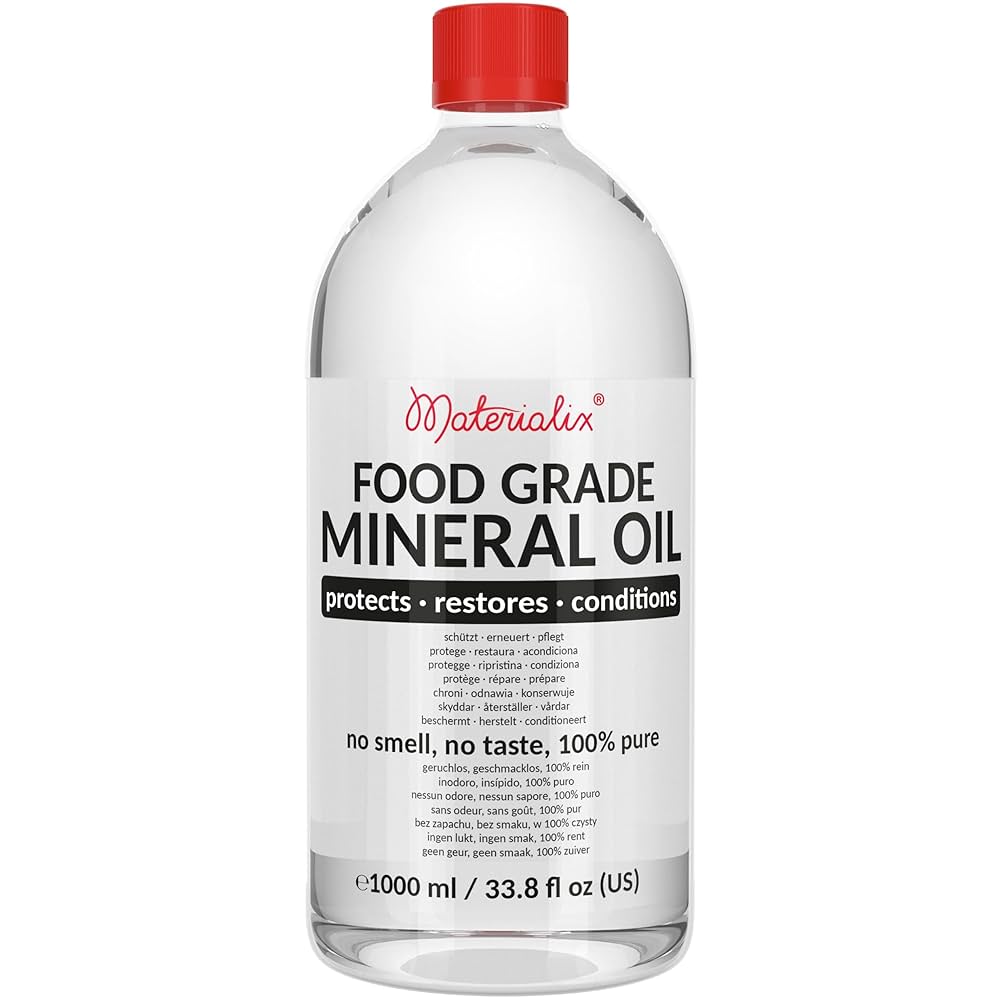
Your wood cutting board is more than just a kitchen tool—it’s an investment that can last for years if cared for properly. But do you know what type of oil to use to keep it in top shape?
Using the wrong oil can damage your board or leave it sticky and unsafe for food. You’ll discover the best oils that protect your wood, enhance its beauty, and keep your cutting surface safe and smooth. Keep reading to learn how a simple choice can make a big difference for your kitchen and your cooking experience.
Choosing The Right Oil
Oiling your wood cutting board keeps it strong and safe. The right oil protects the wood from drying out and cracking.
Not all oils work well on cutting boards. Some can cause damage or spoil the wood.
Mineral Oil Benefits
Mineral oil is a popular choice for wood cutting boards. It is safe, cheap, and easy to apply. This oil soaks into the wood and seals it from water and stains.
- Does not go rancid or smell bad
- Non-toxic and food safe
- Protects wood from moisture and cracking
- Easy to find in stores
- Penetrates deep into wood pores
Why Avoid Vegetable Oils
Vegetable oils like olive or canola are not good for cutting boards. They can turn sticky or rancid over time. This damages the wood and causes bad smells.
| Vegetable Oil | Effect on Wood |
| Olive Oil | Turns sticky and rancid |
| Canola Oil | Becomes sticky, bad odor |
| Sunflower Oil | Rancid smell, damages wood |
| Coconut Oil | Solidifies and clogs pores |
Natural Oils And Their Uses
Some natural oils work well on wood boards. These oils dry hard and protect the surface without going bad.
- Tung oil: Dries hard, water resistant
- Walnut oil: Food safe, absorbs well
- Beeswax blends: Adds shine and protection
- Linseed oil (food grade): Seals wood, but slow drying
Food-safe Oil Options
Choosing the right oil for your wood cutting board keeps it safe and durable. Not all oils are good for food contact. Some oils can spoil or cause harm over time.
This guide covers safe oils to protect your wooden board and keep your food safe.
Mineral Oil Safety
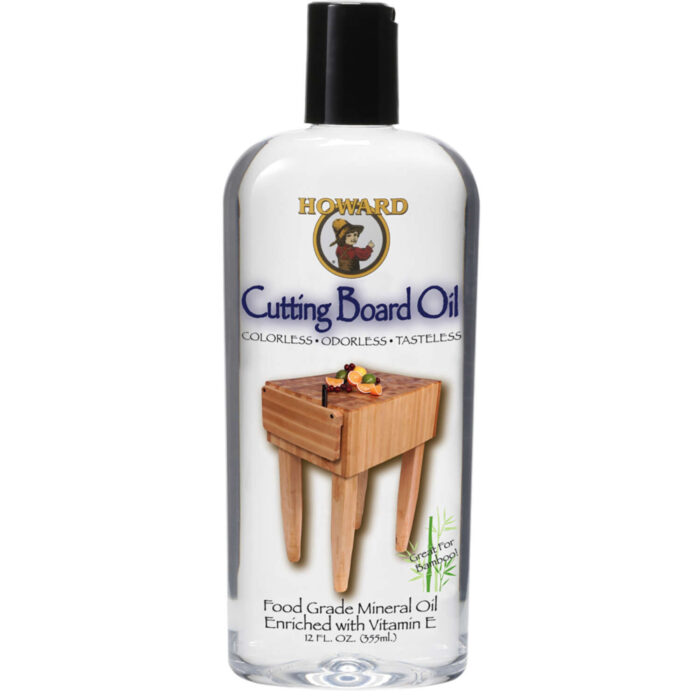
Mineral oil is a popular choice for wood cutting boards. It is tasteless, odorless, and does not go rancid. Food-grade mineral oil is safe to use on surfaces that contact food.
- Use only food-grade mineral oil, not cosmetic or industrial types.
- Apply regularly to keep the board hydrated and protected.
- Mineral oil helps prevent cracking and warping of wood.
- It is easy to find and affordable.
Beeswax Blends
Beeswax blends are a mix of mineral oil and beeswax. These blends add extra protection and shine. Beeswax helps seal the wood and repel moisture.
| Benefit | Details |
| Moisture Resistance | Beeswax creates a water-resistant layer |
| Longer Lasting | Blends stay on wood longer than oil alone |
| Safe Ingredients | Natural and food-safe components |
| Easy Application | Rub in with a cloth and buff the surface |
Coconut Oil Considerations
Coconut oil is natural and smells nice. It is sometimes used on wood cutting boards. But it can go rancid and cause sticky buildup.
- Refined coconut oil lasts longer than unrefined.
- Use sparingly to avoid sticky surfaces.
- Not recommended for long-term protection.
- May attract bacteria if it spoils.
How To Apply Oil
Oiling your wood cutting board keeps it strong and safe to use. It helps stop cracks and stains.
Using the right oil and applying it well makes your board last longer. Here is how to do it.
Preparing The Board
Clean your cutting board before oiling. Wash it with warm water and mild soap.
Dry the board completely. Use a clean towel and let it air dry for a while.
Application Techniques
Use food-safe mineral oil or special cutting board oil. Avoid vegetable oils that can go rancid.
Pour a small amount of oil on the board. Spread it evenly with a clean cloth or paper towel.
- Apply oil in a circular motion for even coverage
- Cover all surfaces, including edges and sides
- Let the oil soak in for at least 2 hours
- Wipe off any extra oil with a dry cloth
Frequency Of Oiling
Oil your board regularly to keep it protected. How often depends on use and climate.
For heavy use, oil once a month. For light use, every three months is fine.
- Check the board for dryness or cracks
- If water does not bead on the surface, it needs oil
- Oiling keeps the wood hydrated and clean
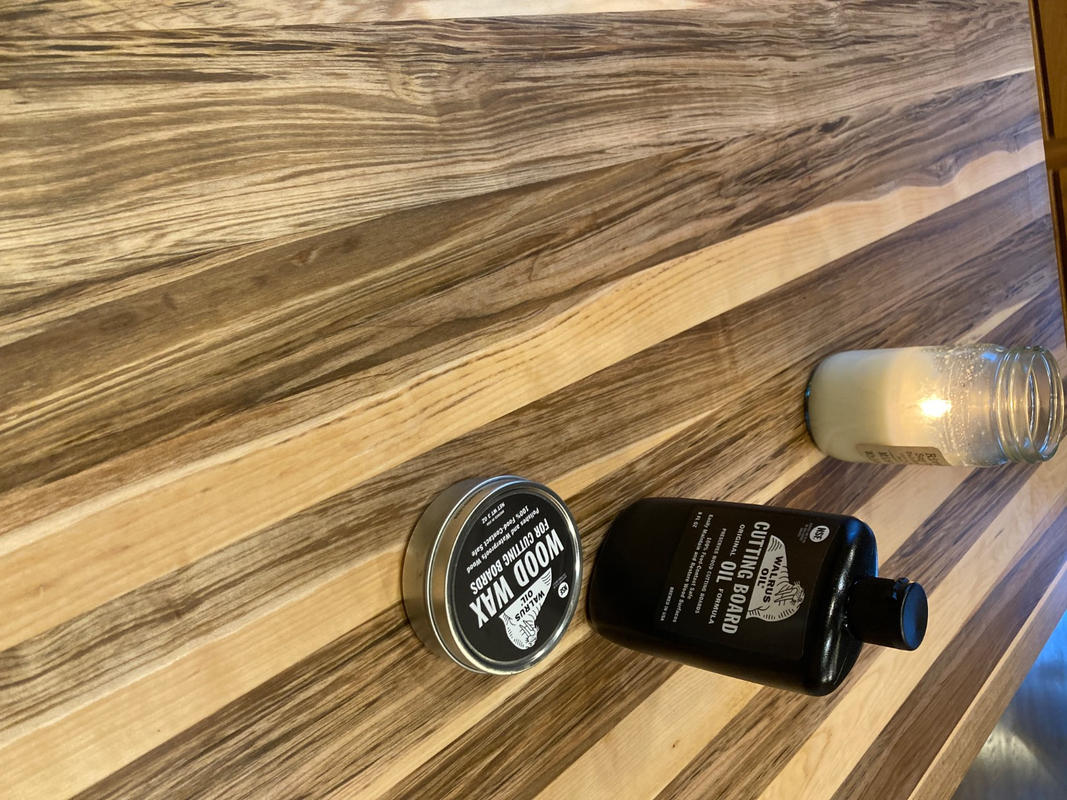
Credit: walrusoil.com
Maintaining Your Cutting Board
Using the right oil is key to keeping your wood cutting board in good shape. It helps protect the wood from drying out and cracking.
Regular oiling also keeps the board looking fresh and extends its life. Let’s explore how to clean and care for your cutting board.
Cleaning Tips
Clean your cutting board after every use. Use warm water and mild soap to wash it by hand. Avoid soaking the board in water.
Dry the board immediately with a towel. Let it air dry standing up to keep both sides dry.
- Do not put your wood cutting board in the dishwasher.
- Use a soft sponge or cloth for cleaning.
- Remove stains with a paste of baking soda and water.
Avoiding Cracks And Warping
Wood can crack or warp if it gets too dry or too wet. Keep your board away from direct heat or sunlight.
Always dry your board well after cleaning. Store it upright in a dry place to let air flow around it.
- Do not leave the board soaking in water.
- Oil the board regularly to keep it hydrated.
- Use both sides to avoid uneven wear.
When To Reapply Oil
Reapply oil when the wood looks dry or dull. The board will soak up the oil faster if it is thirsty.
Apply oil once a month for regular use. More often if you wash the board frequently or see cracks forming.
- Use food-safe mineral oil or cutting board oil.
- Apply a generous amount and let it soak overnight.
- Wipe off excess oil before using the board again.
Common Mistakes To Avoid
Using the right oil keeps your wood cutting board safe and long-lasting. Many people make mistakes that can harm the wood or cause bad smells.
Learn which oils to avoid and how to care for your board properly. This helps maintain its beauty and function.
Using Cooking Oils
Some people use regular cooking oils like olive or vegetable oil on their boards. These oils can go bad and make the board smell bad.
Cooking oils can leave sticky spots and attract dirt. They do not protect the wood well over time.
- Do not use olive, canola, or vegetable oils
- Choose food-grade mineral oil instead
- Avoid oils that can turn rancid
Over-oiling Issues
Applying too much oil can cause the wood to stay wet. This traps moisture inside and may lead to cracks or mold.
Oiling too often also wastes product and makes the board sticky. It is best to oil only when the wood looks dry.
- Use a small amount of oil at a time
- Let the oil soak in before adding more
- Oil only when the board feels dry or dull
Ignoring Board Condition
Ignoring cracks, stains, or rough spots can reduce the board’s life. These issues need attention before oiling.
Always clean and sand the board if needed. Oil will not fix damage but helps protect a well-maintained surface.
- Check for deep cracks or splits
- Sand rough areas gently before oiling
- Clean the board fully and dry it
Credit: strictlysinks.store

Credit: ca.maisonrodin.com
Frequently Asked Questions
What Oil Is Best For Wood Cutting Boards?
Mineral oil is the best choice for wood cutting boards. It’s food-safe, odorless, and prevents the wood from drying out. Unlike vegetable oils, it won’t turn rancid. Regular application helps maintain the board’s appearance and prolongs its lifespan.
Can I Use Olive Oil On Cutting Boards?
No, olive oil is not recommended for cutting boards. It can turn rancid over time and create an unpleasant smell. Stick to mineral oil for better results. Mineral oil provides a protective barrier without the risk of spoilage.
How Often Should I Oil My Cutting Board?
Oil your cutting board once a month to keep it in good condition. More frequent oiling might be needed if the board is used regularly. Applying oil prevents cracking and warping, ensuring longevity and durability.
Is Coconut Oil Safe For Cutting Boards?
Yes, fractionated coconut oil is safe for cutting boards. It’s resistant to rancidity and provides a protective layer. Ensure it’s food-grade and free from additives. Regular application helps maintain the board’s finish and prevents damage.
Conclusion
Choosing the right oil keeps your wood cutting board strong and healthy. Mineral oil is safe and easy to find. It soaks in well and protects the wood from cracking. Avoid cooking oils that can go bad and smell. Regular oiling stops water damage and bacteria growth.
A well-oiled board lasts longer and works better. Treat your board often to keep it smooth and clean. Simple care makes a big difference for your kitchen tools.