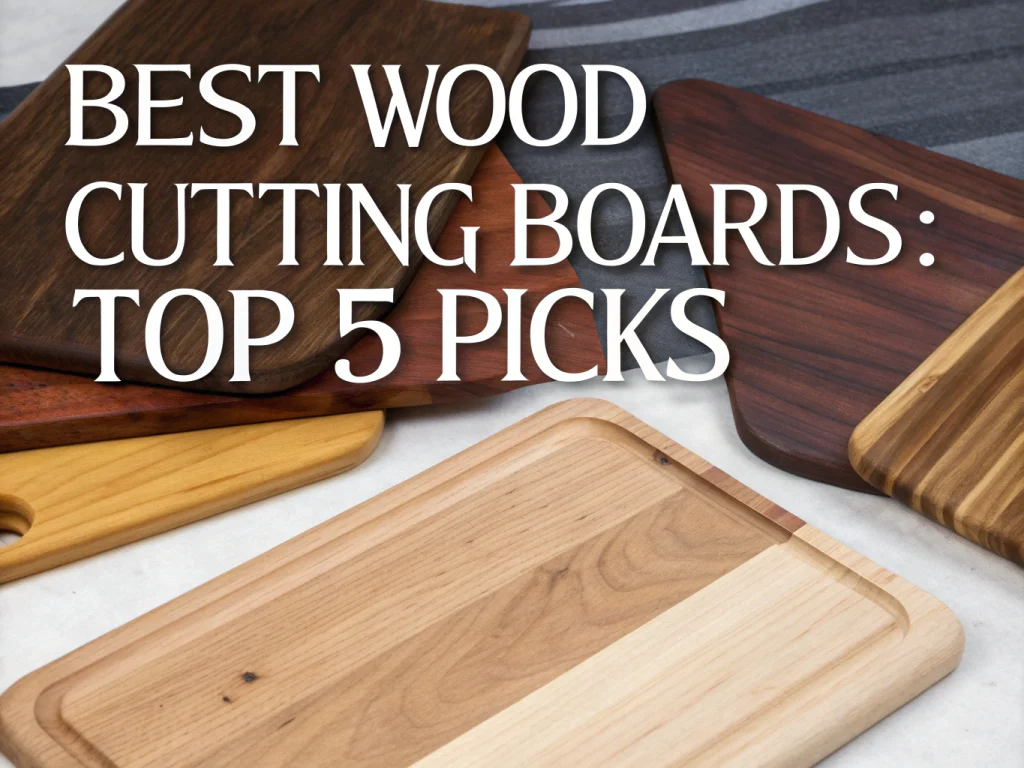
Choosing the right wood for your cutting board might seem simple, but it can make a huge difference in your kitchen. You want a board that’s durable, safe, and easy to clean.
But with so many options out there, how do you pick the best one? This guide will help you discover which type of wood suits your cooking style and keeps your food prep safe and smooth. Keep reading to find out what makes some woods better than others and how to choose the perfect cutting board for your needs.
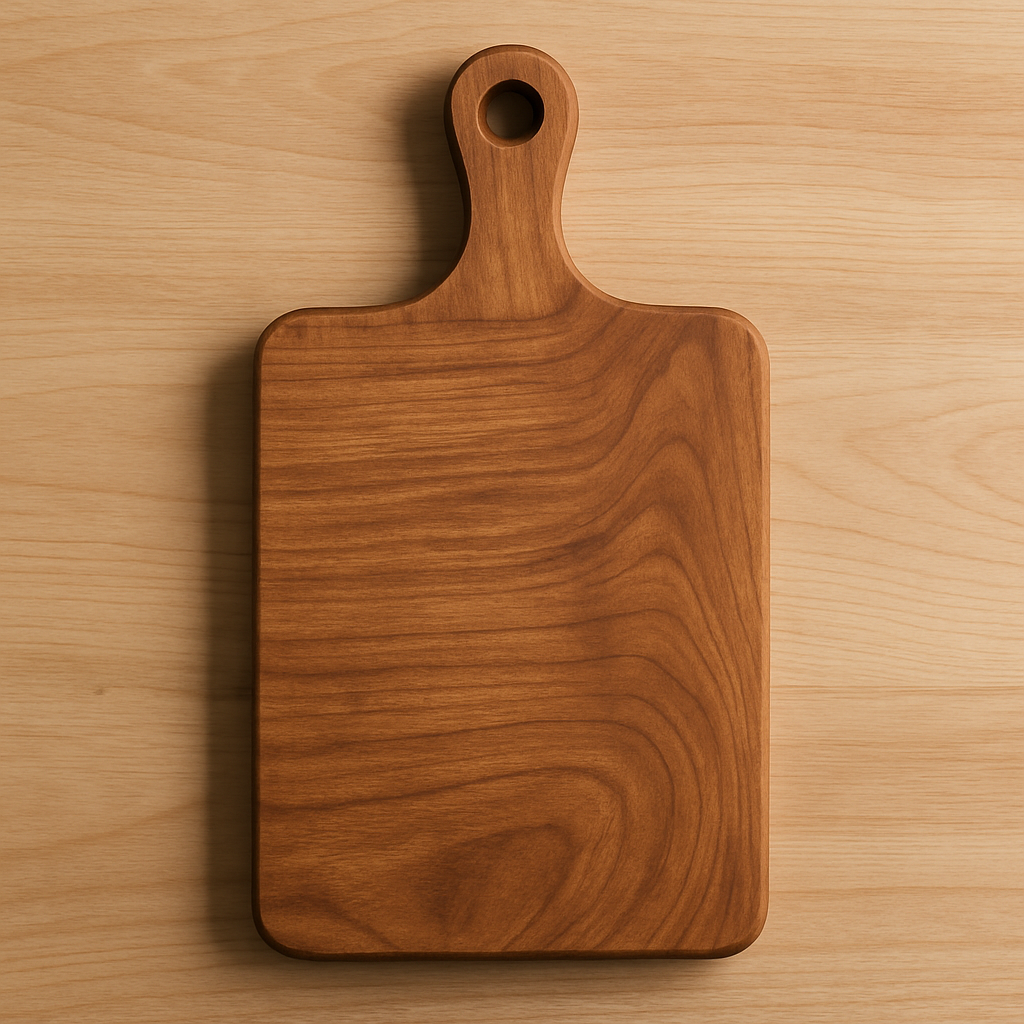
Credit: oggnhome.com
Top Wood Choices
Choosing the right wood for cutting boards is important. The wood should be strong and safe for food.
Some woods last longer and resist knife marks better. Others are easier to clean and care for.
Hardwoods Vs Softwoods
Hardwoods come from trees that grow slowly. They are dense and strong. Softwoods come from faster-growing trees and are less dense.
Hardwoods are best for cutting boards. They resist cuts and scratches well. Softwoods can get damaged easily and hold bacteria.
- Hardwoods are durable and long-lasting
- Softwoods are softer and less durable
- Hardwoods close pores reduce bacteria growth
- Softwoods absorb moisture more easily
Popular Hardwood Types
Many hardwoods are popular for cutting boards. Each has unique features like color, grain, and hardness.
- Maple:Hard, light-colored, and common. It has a tight grain that resists moisture.
- Walnut:Dark brown with a smooth finish. It is strong but softer than maple.
- Cherry:Reddish wood that darkens with age. It is durable and looks beautiful.
- Beech:Light-colored and hard. It does not stain easily and is affordable.
- Teak:Oily wood that resists water well. It is great for wet kitchens.

Credit: woodforchef.com
Maple Benefits
Maple is a popular choice for cutting boards. It is a hard wood that lasts long. Many chefs and home cooks use maple boards.
Maple has natural properties that make it safe and easy to clean. It also looks nice in any kitchen.
Durability
Maple is a very strong wood. It resists cuts and scratches well. This means your cutting board will stay smooth and safe for food.
Because maple is dense, it does not absorb water easily. This helps prevent warping and cracking over time.
Grain
Maple has a tight, fine grain. This makes the surface smooth and less likely to trap bacteria. The closed grain helps keep the board clean.
The grain pattern also adds a beautiful natural look. It fits well with many kitchen styles from modern to rustic.
Maintenance Tips
Keep your maple cutting board in good shape with simple care. Clean it well after each use and dry it completely.
- Wash with warm soapy water, never soak.
- Dry immediately to avoid moisture damage.
- Apply food-safe mineral oil monthly to keep wood healthy.
- Avoid harsh chemicals or dishwasher use.
Walnut Features
Walnut is a popular wood choice for cutting boards. It is known for its rich color and durability. Many people like walnut for its natural beauty and strength.
This wood is strong enough to handle daily use. It also resists knife marks better than some other woods. Walnut cutting boards can last a long time with proper care.
Aesthetic Appeal
Walnut has a deep, dark brown color with a smooth grain. Its natural patterns make each cutting board unique. The wood looks elegant in any kitchen setting.
The color of walnut darkens slightly over time, adding to its charm. It fits well with both modern and traditional kitchen styles.
Longevity And Care
Walnut cutting boards are very durable. They resist scratches and dents better than many other woods. This makes them last longer with regular use.
To keep walnut boards in good shape, clean them gently with mild soap and water. Avoid soaking or putting them in the dishwasher. Regular oiling helps protect the wood and maintain its look.
- Clean with mild soap and warm water
- Do not soak or use dishwasher
- Apply food-safe mineral oil regularly
- Store in a dry place
Cherry Wood Qualities
Cherry wood is a popular choice for cutting boards. Its natural beauty and strength make it stand out.
This wood offers qualities that suit kitchen use well. Let’s explore its color, texture, and wear resistance.
Color And Texture
Cherry wood has a warm reddish-brown color. It darkens naturally over time, adding charm to your kitchen.
- The grain is fine and straight.
- The texture is smooth and even.
- It has a natural luster that shines when polished.
Wear Resistance
Cherry wood is durable but not the hardest wood. It resists everyday wear well with proper care.
| Property | Description |
| Hardness | Moderate, around 950 on Janka scale |
| Scratch Resistance | Good, but can show marks |
| Impact Resistance | Fair, withstands light knocks |
| Maintenance | Regular oiling keeps surface smooth |
Bamboo As An Option
Bamboo is a popular choice for cutting boards. It is a type of grass that grows quickly. This makes it a renewable material for kitchen tools.
Many people like bamboo because it looks nice and feels smooth. It is also light and easy to clean.
Sustainability
Bamboo grows much faster than hardwood trees. It can be harvested every 3 to 5 years. This fast growth helps protect forests and reduce deforestation.
- Bamboo plants need little water and no fertilizers.
- They absorb more carbon dioxide than trees.
- Bamboo farms help stop soil erosion.
- Bamboo can grow in many climates and soils.
Strength And Use
Bamboo cutting boards are strong and hard. They resist knife marks better than soft wood. This makes them last longer in the kitchen.
| Feature | Bamboo | Hardwood |
|---|---|---|
| Hardness | High | Medium to High |
| Weight | Light | Heavy |
| Maintenance | Easy to clean and dry | Needs regular oiling |
| Durability | Very durable | Durable |
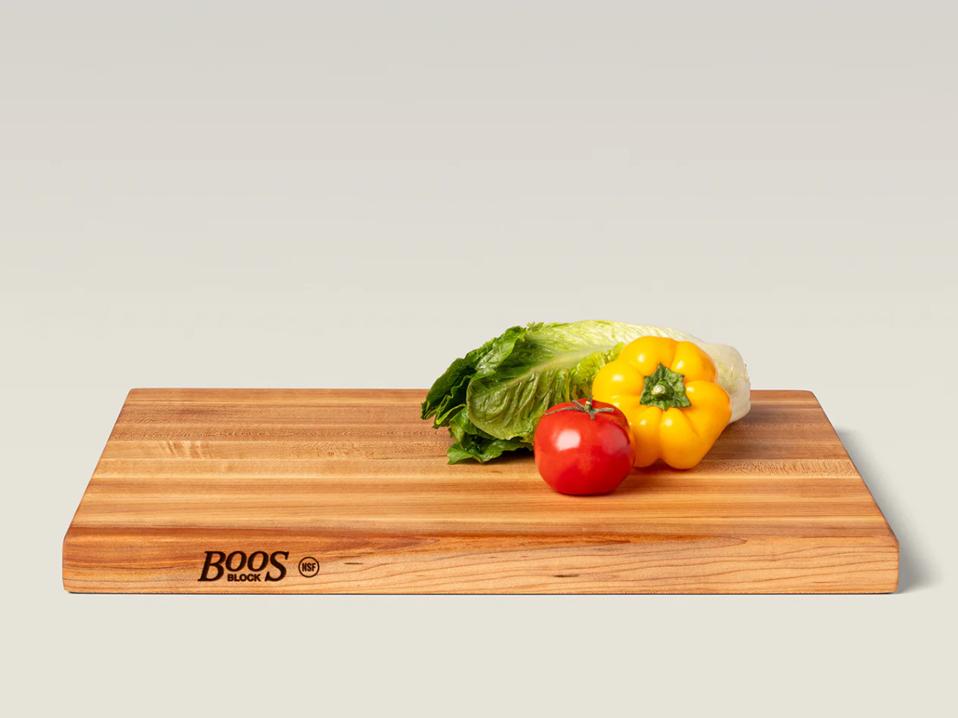
Credit: www.forbes.com
Wood To Avoid
Choosing the right wood for cutting boards is important for safety and durability. Some woods can harm your health or break easily.
It is best to avoid certain types of wood that can cause problems. This guide explains which woods to skip.
Softwoods Risks
Softwoods like pine or cedar are not good for cutting boards. They are too soft and can get damaged fast.
Softwoods can absorb water and bacteria easily. This makes them unsafe for food use.
- Soft texture dents and scratches easily
- Absorbs moisture, causing warping and cracking
- Harbors bacteria in cuts and grooves
- Can leave resin or sap on food
Toxic Woods
Some woods are toxic and should never touch food. They can cause allergic reactions or poisoning.
Avoid woods like walnut, yew, and oleander. These contain harmful chemicals and oils.
- Walnut can cause skin irritation in some people
- Yew is poisonous if ingested
- Oleander is highly toxic and unsafe
- Some exotic woods release harmful dust when cut
Wood Treatment Tips
Choosing the best wood for cutting boards is important for safety and durability. Treating the wood properly keeps it strong and clean.
Proper wood treatment helps prevent cracks, warping, and bacteria growth. Follow simple steps to care for your cutting board.
Seasoning And Finishing
Seasoning wood means drying it to remove moisture. This stops the wood from cracking or bending later. Use air drying in a cool, dry place.
Finishing protects the wood surface. Use food-safe oils like mineral oil or beeswax. Apply the oil evenly and let it soak in overnight.
- Dry wood slowly in a shaded area
- Use food-safe mineral oil for finishing
- Apply oil regularly to keep wood hydrated
- Reapply beeswax for extra protection
Cleaning And Maintenance
Clean cutting boards by hand with warm water and mild soap. Avoid soaking wood in water to prevent swelling and warping.
After cleaning, dry the board with a towel and stand it upright to air dry. Regular maintenance keeps your board safe and long-lasting.
- Wash with warm water and gentle soap
- Do not soak or put in the dishwasher
- Dry board completely after washing
- Use sandpaper to smooth out deep cuts
- Oil the board every few weeks to protect it
Choosing Wood Based On Use
Choosing the right wood for cutting boards depends on how you use them. Different woods suit home kitchens and professional settings.
Wood types also affect how your knives hold up. Picking the right wood helps protect your blades and lasts longer.
Home Vs Professional Use
Home cutting boards often focus on style and ease of care. Softer woods like maple or cherry work well for light use. They are gentle on knives and easy to clean.
Professional kitchens need boards that handle heavy use. Hardwoods like walnut or teak resist cuts and stay sturdy. They also stand up to frequent washing and chopping.
| Use | Wood Type | Benefits | Care |
|---|---|---|---|
| Home | Maple, Cherry | Gentle on knives, easy to clean | Hand wash, oil regularly |
| Professional | Walnut, Teak | Durable, resists cuts and water | Frequent cleaning, oil and sanitize |
Knife Friendliness
Wood hardness affects knives. Softer woods protect blade edges better. Hard woods can dull knives faster but last longer.
- Soft woods: maple, cherry, walnut
- Hard woods: oak, teak, bamboo
- Soft woods absorb cuts but need more care
- Hard woods resist damage but can wear knives
Choose wood that balances knife care with board durability. Home cooks may prefer softer woods. Professionals might select harder woods for heavy use.
Frequently Asked Questions
What Wood Types Are Best For Cutting Boards?
Maple, walnut, and cherry are top choices for cutting boards. These hardwoods are durable, dense, and have tight grains. They resist bacteria and prevent deep knife scars. These woods are both functional and aesthetically pleasing, making them popular among chefs and home cooks alike.
Is Bamboo A Good Option For Cutting Boards?
Yes, bamboo is a sustainable and eco-friendly option for cutting boards. It’s hard, lightweight, and moisture-resistant. Bamboo boards are easy to clean and maintain. However, they can be harder on knives compared to traditional hardwoods like maple or walnut.
How Do I Maintain A Wooden Cutting Board?
To maintain a wooden cutting board, regularly oil it with mineral oil. Wash it with warm, soapy water after use. Avoid soaking it in water to prevent warping. Always dry it thoroughly. This care will extend the board’s life and keep it looking new.
Are Plastic Cutting Boards Better Than Wood?
Wood cutting boards are often preferred for their durability and aesthetics. They are also more resistant to bacteria than plastic. Plastic boards are lighter and dishwasher-safe, but they scar easily. Both options have pros and cons depending on your needs and preferences.
Conclusion
Choosing the right wood for cutting boards matters a lot. Hardwoods like maple and walnut last long and resist cuts. Soft woods may get damaged quickly and trap bacteria. A good cutting board stays safe and easy to clean. Think about your needs and budget before buying.
A well-chosen wood board makes cooking safer and more fun. Remember, care and cleaning help your board last longer. Pick wood that fits your kitchen and style best. Simple choices lead to better cooking experiences every day.