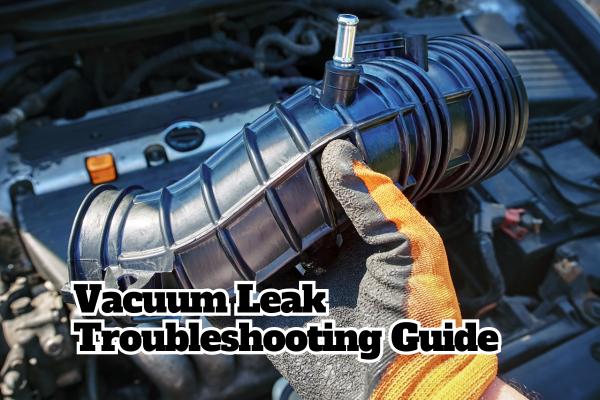
Imagine you’re driving down the road, and suddenly your car starts acting up. The engine stutters, your fuel efficiency plummets, and the check engine light flickers on.
You may be dealing with a vacuum leak. But what exactly does that mean for your vehicle? A vacuum leak can be more than just a minor inconvenience; it can lead to significant issues that affect your car’s performance and your wallet.
You’ll discover what a vacuum leak can cause, why it’s crucial to address it promptly, and how ignoring it can lead to bigger problems down the line. Dive in to ensure your car remains in top shape and avoid unnecessary stress and expenses.
Common Symptoms Of Vacuum Leaks
Vacuum leaks can cause several noticeable problems in a vehicle’s engine. These leaks let extra air enter the engine, disturbing its air-fuel balance. This disturbance leads to various symptoms that can affect driving performance and safety. Recognizing these symptoms early can help prevent bigger engine issues and costly repairs.
Rough Idle And Stalling
A vacuum leak often causes the engine to idle roughly. The engine may shake or vibrate more than usual. Sometimes, the engine might stall, especially when stopping or slowing down. This happens because the air entering the engine is uneven, causing poor combustion.
Loss Of Engine Power
The engine may lose power during acceleration. A vacuum leak reduces the amount of fuel mixed with air. This results in weaker engine performance and slower response. Driving uphill or carrying heavy loads becomes harder with this issue.
High Or Fluctuating Rpm
RPM stands for revolutions per minute, showing engine speed. A vacuum leak can cause RPM to rise higher than normal. RPM may also go up and down without pressing the gas pedal. This makes the engine sound unstable and can be alarming.
Check Engine Light Activation
The car’s computer detects vacuum leaks and triggers the check engine light. This warning appears on the dashboard to alert the driver. Ignoring this light may lead to more serious engine problems. A diagnostic scan can pinpoint the exact cause of the leak.
Impact On Fuel Efficiency
A vacuum leak in your vehicle’s engine can directly affect how efficiently fuel is used. This issue disrupts the engine’s normal operation, often leading to noticeable changes in fuel consumption. Understanding these effects helps you spot problems early and save money on gas.
Increased Fuel Consumption
A vacuum leak causes your engine to draw in extra air that it doesn’t expect. This extra air makes the engine control unit (ECU) add more fuel to keep the engine running smoothly.
As a result, your car burns more fuel than usual. You might notice your tank empties faster, even if your driving habits haven’t changed. Have you ever felt like you’re filling up your gas tank more often without a clear reason? A vacuum leak could be why.
Unstable Air-fuel Mixture
Your engine relies on a precise balance of air and fuel to run efficiently. A vacuum leak throws off this balance, creating an unstable air-fuel mixture. This instability can cause rough idling, hesitation when accelerating, and poor overall performance.
When the mixture isn’t right, fuel doesn’t burn completely, which wastes gas and can harm engine parts over time. Have you noticed your car shaking or jerking at low speeds? This might be a sign that your air-fuel mix is off due to a vacuum leak.
Engine Performance Issues
Engine performance issues often signal a vacuum leak in your vehicle. A vacuum leak disrupts the air-fuel mixture, causing your engine to behave unpredictably. You might notice your car struggling in ways that feel sudden and confusing.
Poor Acceleration
Have you ever pressed the gas pedal and felt your car lag behind? A vacuum leak can cause poor acceleration because it lets extra air into the engine. This throws off the balance needed for smooth power delivery.
Your engine may hesitate or stumble when you try to speed up. This isn’t just frustrating—it can be dangerous if you need quick responsiveness in traffic.
Engine Misfires
Misfires happen when one or more cylinders fail to fire properly. A vacuum leak can cause this by leaning out the fuel mixture, making combustion incomplete or uneven.
If your engine shakes or sounds rough, it might be misfiring. Ignoring this can lead to further damage and costly repairs.
Hard Starting
Struggling to start your car can also point to a vacuum leak. Extra air entering the engine changes the air-to-fuel ratio, making it harder for your engine to ignite the mixture.
You might notice your engine cranks longer than usual or needs multiple attempts to start. Have you experienced this frustrating delay on cold mornings or after your car has been sitting?
Effects On Emissions And Environment
A vacuum leak in a vehicle can have serious effects on emissions and the environment. This issue causes the engine to run inefficiently. The result is higher pollution levels and increased harmful gases released into the air. Understanding these effects helps highlight the importance of fixing vacuum leaks quickly.
Higher Emission Levels
A vacuum leak causes the engine to burn fuel improperly. This leads to higher carbon monoxide and hydrocarbon emissions. These gases are toxic and contribute to air pollution. Increased emissions damage the environment and harm public health. Cars with vacuum leaks release more smog-forming pollutants. This worsens air quality in cities and towns.
Failed Emissions Tests
Vehicles with vacuum leaks often fail emissions tests. These tests check if a car meets pollution standards. A leak causes engine sensors to send wrong data. The engine then produces excess pollutants beyond legal limits. Failing the test means the car cannot be legally driven until repaired. This results in extra costs and inconvenience for the owner.
Common Causes Of Vacuum Leaks
Vacuum leaks often start with small, easy-to-overlook issues. These leaks can cause engine problems and reduce performance. Knowing the common causes helps spot and fix them fast. Some causes are simple, while others need a mechanic’s help.
Cracked Or Disconnected Hoses
Hoses carry air and vacuum pressure throughout the engine. Over time, they can crack, break, or come loose. Even a small crack lets extra air in. This disrupts the air-fuel mix and causes rough idling or stalling. Checking hoses regularly can prevent leaks.
Faulty Intake Manifold Gaskets
The intake manifold gasket seals the manifold to the engine. Heat and age wear it down. A bad gasket creates gaps for air to enter. This leads to poor engine performance and higher emissions. Replacing the gasket often fixes vacuum leaks here.
Damaged Pcv Valve
The PCV valve controls gases inside the engine. A broken or stuck valve causes air leaks. This can result in uneven engine running and increased fuel use. Cleaning or replacing the PCV valve can restore proper function.
Credit: www.cgsulitstore.com
Diagnosing Vacuum Leaks
Diagnosing vacuum leaks can be tricky, but it’s essential for keeping your engine running smoothly. A vacuum leak can cause rough idling, poor fuel economy, and even engine stalling. To find the leak, you’ll need sharp observation skills and some basic tools.
Visual Inspection Techniques
Start by closely examining all vacuum hoses and connections under the hood. Look for cracks, brittleness, or loose fittings that might let air escape.
Don’t forget to check areas around the intake manifold and throttle body; leaks often hide there. A quick spray of soapy water can reveal bubbles where air escapes, making the leak easier to spot.
Using Smoke Machines
Smoke machines are a powerful tool for pinpointing leaks you can’t see. They push smoke into the vacuum system, and the smoke escapes through any holes or cracks.
This technique helps you find leaks in hard-to-reach spots, even behind engine components. Watching the smoke’s path gives you a clear signal of where the problem lies.
Listening For Hissing Sounds
Your ears can be a valuable diagnostic tool. When the engine runs, listen carefully for a consistent hissing noise, which usually indicates escaping air from a vacuum leak.
Using a mechanic’s stethoscope or even a simple hose can help you isolate the source of the sound. Have you ever noticed a faint hiss that led you directly to a broken hose? It’s like your car is telling you where it hurts.
Repair And Prevention Tips
Dealing with a vacuum leak can be frustrating, but knowing how to repair and prevent it can save you time and money. Taking action early helps avoid bigger engine problems down the road. Here’s how you can keep your vehicle running smoothly by addressing leaks effectively.
Replacing Damaged Components
Start by identifying the exact part causing the vacuum leak. Common culprits include cracked hoses, worn gaskets, and faulty intake manifolds. Replacing these damaged components quickly stops the leak and restores proper engine function.
I once ignored a small crack in a vacuum hose, which later caused engine stalling. Fixing it immediately after noticing the issue would have prevented that stressful breakdown. Don’t let a minor part ruin your day—act fast.
Regular Maintenance Checks
Schedule frequent inspections of your vacuum system to catch leaks early. During routine maintenance, look for signs like hissing sounds, rough idling, or decreased fuel efficiency. Keeping an eye on these details lets you address problems before they escalate.
Ask yourself: When was the last time you checked your vacuum hoses? Making it part of your regular vehicle checkup can extend your engine’s life and improve performance.
Using Quality Parts
Always choose high-quality replacement parts for your vacuum system. Cheap or substandard components wear out faster and may cause new leaks. Investing in reliable parts ensures durability and peace of mind.
Think about the cost of repeatedly replacing cheap hoses versus buying a durable one once. Quality parts reduce hassle and help maintain your vehicle’s efficiency.

Credit: www.reddit.com

Credit: www.texanautorepair.com
Frequently Asked Questions
What Symptoms Indicate A Vacuum Leak In A Car?
A vacuum leak often causes rough idling, engine stalling, and poor acceleration. You might also notice a hissing sound near the engine. Fuel efficiency can drop, and the check engine light may turn on. These signs suggest a vacuum leak needs attention.
How Does A Vacuum Leak Affect Engine Performance?
A vacuum leak disrupts the air-fuel mixture, causing the engine to run lean. This results in rough idling, hesitation during acceleration, and reduced power. The engine may also stall or misfire. Overall, performance deteriorates, making the vehicle less reliable and efficient.
Can A Vacuum Leak Cause High Engine Rpm?
Yes, a vacuum leak can cause high or fluctuating engine RPM. The extra air entering the intake manifold increases idle speed. This makes the engine run faster than normal at idle. If untreated, it can lead to further engine issues and poor drivability.
Why Does A Vacuum Leak Trigger The Check Engine Light?
A vacuum leak causes incorrect air-fuel ratios, triggering engine sensors. These sensors detect the imbalance and send a fault code. The check engine light illuminates to alert the driver of the issue. Diagnosing the code helps identify and fix the vacuum leak.
Conclusion
A vacuum leak can cause many engine problems. It may lead to rough idling and poor fuel economy. You might notice the engine runs unevenly or stalls. These issues can make driving unsafe and costly. Fixing a vacuum leak early saves money and stress.
Watch for signs and act quickly. Keep your vehicle running smoothly and efficiently.