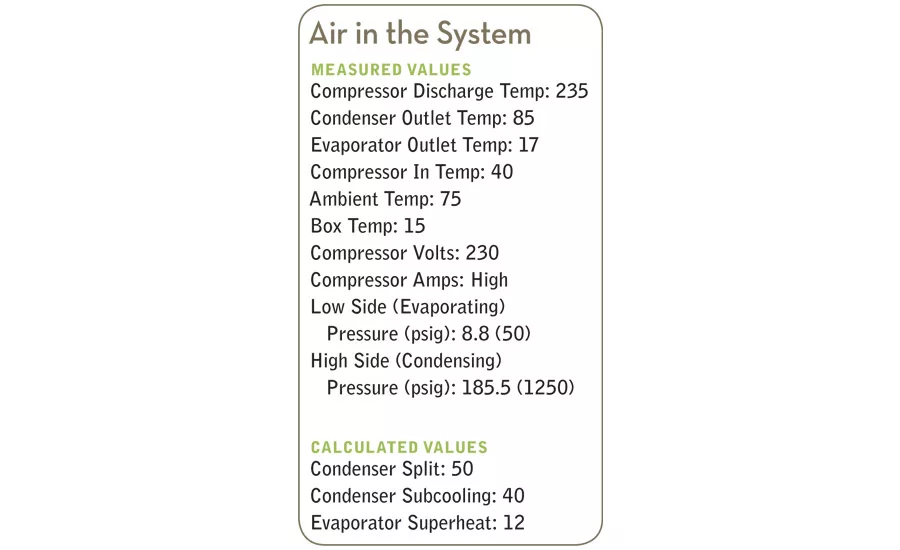
Have you ever wondered what happens inside your refrigeration system when unwanted gases sneak in? Non condensables might sound technical, but they can seriously affect how well your system works.
If you want to keep your fridge or cooling unit running smoothly and avoid costly repairs, understanding the impact of these gases is crucial. You’ll discover exactly what non condensables do, why they are a problem, and how they can affect your system’s performance.
Keep reading to protect your investment and ensure your refrigeration runs at its best.
Role Of Non Condensables
Non condensable gases play a critical role in refrigeration systems, often causing more trouble than many realize. These gases do not change into liquid during the refrigeration cycle, which disrupts the system’s pressure balance and efficiency. Understanding their role helps you spot issues early and maintain a smooth-running system.
Common Types Of Non Condensables
Non condensables are usually gases that remain in the vapor state within the condenser. The most common types include:
- Air:The most frequent contaminant, air sneaks in through leaks or during servicing.
- Moisture (Water Vapor):It doesn’t condense easily and can cause corrosion and ice formation.
- Other Gases:Sometimes, inert gases like nitrogen or oxygen from the atmosphere get trapped inside.
Each of these gases affects your system differently, but all lead to increased pressure and reduced efficiency.
Sources Of Contamination
Non condensables enter your refrigeration system mainly through leaks and maintenance activities. Even a tiny leak can allow air and moisture to seep in over time. Improper evacuation of the system before charging refrigerant is another common source.
Have you ever noticed unexpected pressure rises after a service? That’s often due to non condensables left inside. Contaminated refrigerant can also introduce these gases if it’s not handled properly.
Regular checks and proper handling during repairs can prevent these contaminants from building up. The question is, how confident are you in your current system maintenance routines?

Credit: www.skillcatapp.com
Impact On System Pressure
Non condensable gases trapped in a refrigeration system cause significant changes to system pressure. These gases do not condense like the refrigerant, leading to pressure imbalances that affect overall performance. Pressure levels rise unevenly, causing strain on components and reducing efficiency.
Pressure Rise In Condenser
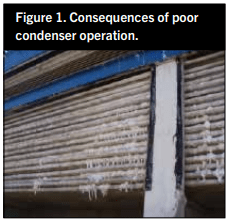
Non condensables accumulate in the condenser, increasing pressure inside. The condenser must work harder to push heat out, raising its operating pressure. Higher pressure means the refrigerant cannot condense at the right temperature. This results in poor heat rejection and system inefficiency. The extra pressure can also cause leaks or damage to the condenser over time.
Effects On Compressor Performance
Increased pressure from non condensables forces the compressor to work harder. The compressor uses more energy to maintain the system’s cooling capacity. This extra workload raises the risk of compressor overheating and wear. Over time, compressor life shortens and maintenance costs rise. The system may also lose cooling capacity, affecting its ability to keep spaces cold.
Reduction In Cooling Efficiency
Non-condensable gases trapped inside a refrigeration system can significantly reduce its cooling efficiency. These gases disrupt the normal heat exchange processes and cause the system to work harder than necessary. Understanding how this happens helps you identify issues early and maintain optimal performance.
Heat Transfer Impairment
Non-condensables settle in the condenser, creating a barrier to heat flow. This layer prevents the refrigerant from releasing heat effectively, which slows down the entire cooling cycle.
Imagine trying to cool a room with a fan that’s partially blocked—your cooling is less effective. Similarly, the refrigerant’s ability to absorb and dissipate heat is compromised.
Have you noticed your system taking longer to cool? This could be a sign that non-condensables are impairing heat transfer.
Increased Energy Consumption
When heat transfer suffers, your refrigeration system must run longer and work harder to reach the desired temperature. This extra effort causes a spike in energy consumption.
Think about a car engine struggling uphill—it burns more fuel. Your refrigeration unit behaves the same way when non-condensables are present.
Higher electricity bills often accompany these inefficiencies, but many users don’t connect the dots to non-condensable gases. Are you paying more without understanding why?
Credit: iiarcondenser.org
Potential Equipment Damage
Non condensable gases trapped in a refrigeration system cause serious equipment problems. These gases do not change into liquid during the cooling cycle. They build up pressure and reduce system efficiency. Over time, this buildup leads to damage in key components. Understanding the potential harm helps in early detection and prevention.
Corrosion Risks
Non condensables mix with moisture inside the system. This combination forms acids that attack metal parts. Corrosion weakens pipes, valves, and coils. Rust can block narrow passages, causing leaks and failures. Corroded components reduce system lifespan and increase maintenance costs.
Compressor Overload
Non condensables increase system pressure beyond normal levels. The compressor works harder to maintain cooling. This extra load causes overheating and wear. Over time, it leads to compressor failure. Replacing compressors is expensive and causes system downtime.
Detection Methods
Non-condensable gases in refrigeration systems cause higher pressure and reduced cooling efficiency. Detecting them early prevents damage and costly repairs. Common methods include pressure testing and gas analysis to identify unwanted air or gases.
Detecting non-condensables in a refrigeration system is crucial for maintaining its efficiency and longevity. These unwanted gases can lead to increased energy consumption and potential system damage. By employing effective detection methods, you can ensure the system operates smoothly and prevent costly repairs.Pressure And Temperature Monitoring
Monitoring pressure and temperature is a straightforward method to detect non-condensables. By closely observing deviations from standard pressure and temperature readings, you can identify potential issues early. For example, if you notice a higher-than-normal pressure in the condenser, it may indicate the presence of non-condensables. Regular checks ensure timely detection, saving you from future headaches.Gas Analysis Techniques
Gas analysis is another effective method to detect non-condensables in refrigeration systems. This involves taking a sample of the refrigerant and analyzing it for the presence of air or other gases. Advanced gas analyzers can provide precise measurements, helping you make informed decisions. By knowing exactly what gases are present, you can take targeted actions to remove them, ensuring the system runs optimally. Which method would you trust more in maintaining your refrigeration system’s efficiency?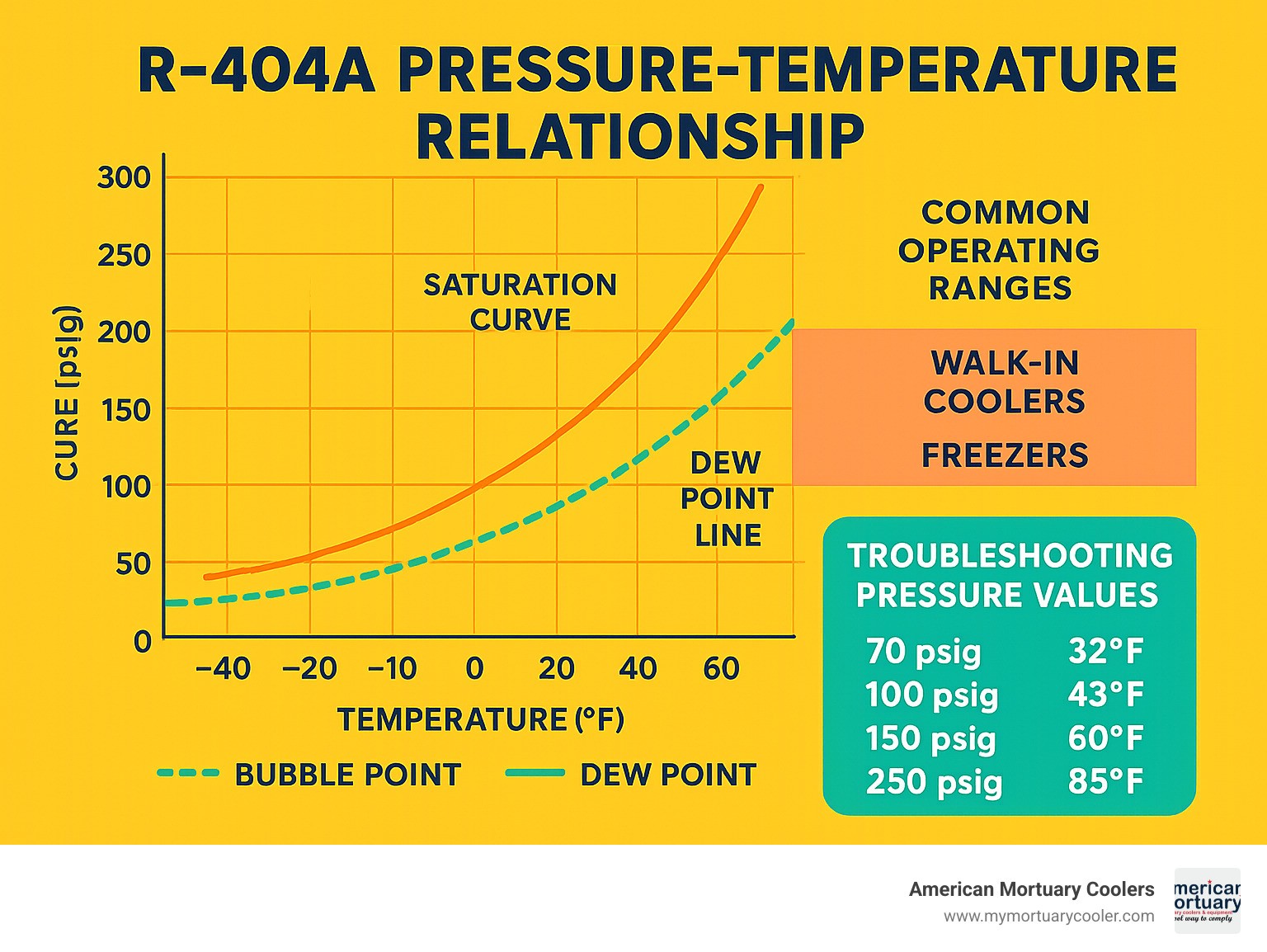
Credit: mymortuarycooler.com
Mitigation Strategies
Non condensable gases in refrigeration systems cause efficiency loss and equipment damage. Reducing these gases is crucial for system health and performance. Effective strategies help keep the system clean and running smoothly.
Proper Evacuation Procedures
Evacuation removes air and moisture from the system before charging refrigerant. Use a vacuum pump with enough power to reach deep vacuum levels. Monitor vacuum gauges carefully to ensure complete evacuation. Repeat the process if pressure rises, indicating trapped gases. Proper evacuation prevents air and moisture from entering the system.
Use Of Purge Systems
Purge systems automatically remove non condensables during operation. They capture gases like air and release them safely outside. Purge units work continuously, maintaining system efficiency. Choose purge systems suited for the refrigeration system size and type. Regularly check purge system function to avoid gas buildup.
Regular Maintenance Practices
Scheduled inspections identify non condensable gas issues early. Check for leaks, faulty valves, and damaged seals. Clean system components to prevent gas accumulation. Monitor pressure and temperature readings for abnormal values. Proper maintenance extends system life and reduces costly repairs.
Frequently Asked Questions
What Are Non Condensables In Refrigeration Systems?
Non condensables are gases like air or moisture trapped inside a refrigeration system. They do not condense under normal operating conditions, affecting system efficiency and performance.
How Do Non Condensables Affect Refrigeration Efficiency?
Non condensables reduce heat transfer efficiency by increasing condenser pressure. This causes higher energy consumption, reduced cooling capacity, and potential system damage.
Can Non Condensables Cause System Corrosion?
Yes, non condensables like moisture can cause internal corrosion. This leads to leaks, component failure, and costly repairs in refrigeration systems.
How To Detect Non Condensables In A Refrigeration System?
Non condensables can be detected by unusual high condenser pressure, temperature irregularities, or using specialized gas analyzers during system maintenance.
Conclusion
Non condensable gases cause many problems in refrigeration systems. They reduce cooling efficiency and increase energy use. Pressure inside the system rises, stressing components. This can lead to system damage and costly repairs. Removing these gases keeps the system running smoothly.
Regular maintenance helps detect and fix non condensables early. Clean, efficient systems save money and last longer. Avoiding non condensables protects your equipment and cuts energy bills. Simple checks make a big difference in performance. Keep your refrigeration system clean and efficient for best results.