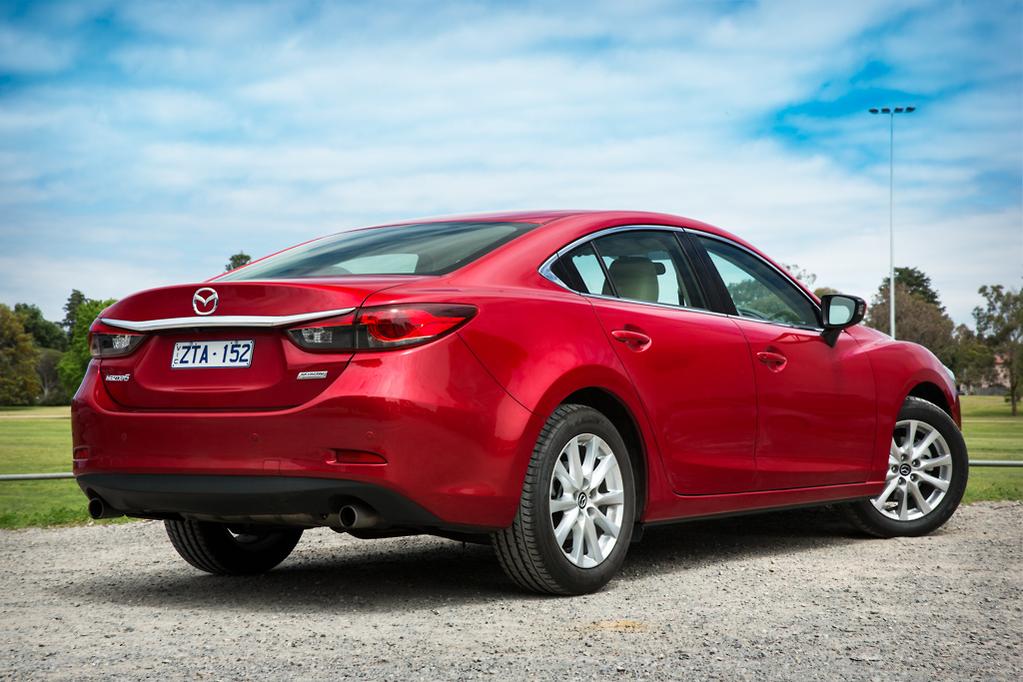
If you’re thinking about buying a Mazda 6, you want to make sure you get a reliable car that won’t cause you headaches. But not all Mazda 6 models are created equal.
Some years have hidden problems that can cost you time, money, and stress. Knowing which year Mazda 6 to avoid can save you from these surprises. You’ll discover exactly which models have the most issues and why. Keep reading to protect your investment and drive with confidence.
Mazda 6 Model Years With Most Complaints
The Mazda 6 is a popular midsize sedan known for its style and driving experience. Yet, some model years have more reported issues than others. Understanding which years have the most complaints helps buyers avoid costly problems.
Many owners have reported concerns about engine performance, transmission troubles, and electrical faults. These problems affect the car’s reliability and resale value. Knowing the model years with frequent complaints gives clearer insight into potential risks.
Mazda 6 Model Year 2014
The 2014 Mazda 6 has a high number of reported engine problems. Many owners faced rough idling and stalling issues. Transmission slipping and hesitation were also common complaints. Electrical system glitches caused warning lights to appear without clear reasons.
Mazda 6 Model Year 2016
In 2016, drivers noted increased transmission failure reports. Some experienced sudden gear shifts and delays in acceleration. Engine overheating and coolant leaks were other frequent concerns. Interior components, like the infotainment system, also showed reliability problems.
Mazda 6 Model Year 2018
The 2018 model had issues with the braking system. Owners reported reduced brake responsiveness and unusual noises. Suspension problems, such as worn-out bushings, were common too. Some experienced electrical malfunctions affecting dashboard displays and sensors.
Common Engine Issues By Year
Engine problems can cause serious troubles for Mazda 6 owners. Different model years show different common issues. Knowing these problems helps you avoid costly repairs and pick the right year to buy.
Below are common engine issues by year for the Mazda 6. Each year has its own specific concerns to watch out for.
2003-2008 Mazda 6 Engine Issues
These early models often face problems with oil leaks. Valve cover gaskets tend to fail quickly. Some drivers report engine misfires and rough idling. Timing chain wear is another common concern.
2009-2013 Mazda 6 Engine Issues
During these years, head gasket failures are more frequent. Overheating can lead to engine damage. Some engines develop excessive oil consumption. Turbocharged versions may suffer from turbo failure.
2014-2017 Mazda 6 Engine Issues
Owners report fuel injector problems causing poor performance. Some engines experience timing chain tensioner noise. Occasional issues with the PCV valve cause engine roughness. Spark plug fouling is also reported.
2018-present Mazda 6 Engine Issues
Newer models face fewer engine problems overall. Some drivers mention occasional oil leaks from the valve cover. Rare reports of turbocharger boost loss exist. Regular maintenance helps prevent most issues.
Transmission Problems In Specific Models
Transmission problems can turn your driving experience into a stressful one. Certain Mazda 6 models have shown recurring issues that could lead to costly repairs or unexpected breakdowns. Knowing which years to be cautious about helps you avoid these headaches and choose a reliable vehicle.
2010-2012 Mazda 6: Automatic Transmission Slippage
Many owners of the 2010 to 2012 Mazda 6 reported their automatic transmissions slipping during acceleration or while shifting gears. This issue often caused a delay in power delivery and jerky movements, making daily driving uncomfortable.
One driver shared how the slipping became worse over time, forcing a transmission rebuild that cost thousands. If you’re test-driving a Mazda 6 from these years, pay close attention to smoothness during gear changes.
2013-2015 Models: Transmission Fluid Leaks
Transmission fluid leaks are common in Mazda 6 models from 2013 to 2015. These leaks can lead to low fluid levels, which damage internal components and reduce transmission life.
Look under the car for any red fluid spots and check the transmission fluid level regularly if you own one. Ignoring this can turn a minor repair into a full transmission replacement.
2016 Mazda 6: Rough Shifting And Delayed Engagement
The 2016 model year has been noted for rough shifting and delayed engagement when shifting from park to drive. This can cause hesitation and a jerky start, which is both annoying and potentially dangerous in traffic.
Users reported multiple trips to dealerships before finding a solution, often involving software updates or transmission control module replacements. When shopping for a 2016 Mazda 6, test the transmission carefully under various conditions.
How To Protect Yourself From Transmission Issues
- Request a full transmission service history before buying.
- Have a trusted mechanic inspect the transmission thoroughly.
- Ask for a test drive focusing on gear shifts and acceleration.
- Check for any recalls or service bulletins related to transmission.
Would you accept a car with known transmission issues if the price is right? It’s a tough question, but being informed helps you weigh the risks and benefits effectively.

Credit: www.carsales.com.au
Electrical System Faults Across Model Years
The Mazda 6 has earned praise for its style and performance. Yet, some model years show consistent electrical problems. These faults can cause frustration and costly repairs. Understanding which years to avoid helps buyers make smart choices.
Electrical system issues affect many Mazda 6 owners. Problems range from faulty wiring to malfunctioning sensors. These can lead to warning lights, power loss, or complete system failure. Some model years are more prone to these faults than others.
Common Electrical Issues In Early Mazda 6 Models
Models from 2003 to 2008 often face wiring harness failures. This may cause shorts or blown fuses. Owners report dashboard lights flickering or going out. Power windows and locks may stop working unexpectedly.
Mid-2010s Mazda 6 Electrical Problems
Between 2010 and 2013, some Mazda 6 vehicles had faulty alternators. This leads to battery drain and stalling. Electrical gremlins in the infotainment system also appear. Screens freeze or display errors frequently.
Recent Model Year Electrical Concerns
Models from 2016 to 2018 show issues with sensor malfunctions. These affect engine management and fuel efficiency. Some drivers experience sudden warning lights without clear cause. Electrical connectors may corrode faster than expected.
How To Spot Electrical Faults Early
- Dashboard warning lights that stay on
- Intermittent power loss or system resets
- Unresponsive switches or controls
- Strange noises from the electrical system
- Battery draining faster than usual
Suspension And Steering Troubles
Suspension and steering troubles can turn your driving experience from smooth to stressful in no time. These issues not only affect comfort but also your control and safety on the road. Certain Mazda 6 model years have been reported to have recurring problems in these areas, which you should watch out for.
Common Suspension Problems In Mazda 6
Many owners of the 2010 and 2011 Mazda 6 models have reported premature wear of suspension components. Problems like worn-out control arm bushings and failing struts often lead to a rough and noisy ride.
If your car starts feeling bouncy or you hear clunking noises over bumps, it’s a sign your suspension might be failing. Ignoring these symptoms can cause uneven tire wear and affect handling.
Steering Issues To Watch For
The 2009 and 2010 Mazda 6 models are known for steering-related complaints, such as excessive play and difficulty in maintaining a straight line. Some drivers noticed a vague or loose steering feel that made maneuvering less precise.
Have you ever felt your steering wheel vibrate or pull unexpectedly? This can indicate problems with the steering rack or tie rods. Addressing these early can prevent expensive repairs down the road.
How Suspension And Steering Problems Affect Safety
Driving with faulty suspension or steering parts compromises your control during emergency maneuvers. It increases the risk of accidents, especially on wet or uneven roads.
Would you take a chance on your family’s safety by ignoring these warning signs? Regular inspections and prompt repairs are crucial to keep your Mazda 6 safe and reliable.
Tips To Avoid Suspension And Steering Troubles
- Test drive the Mazda 6 model you’re interested in, paying close attention to ride comfort and steering response.
- Ask for a detailed vehicle history report focusing on suspension and steering repairs.
- Have a trusted mechanic inspect the suspension and steering components before buying.
- Consider opting for Mazda 6 models from 2013 onward, as they show fewer complaints in these areas.

Credit: howsafeisyourcar.com.au
Recalls And Manufacturer Notices
Recalls and manufacturer notices reveal important safety and reliability issues. These alerts help owners avoid potential risks. Some Mazda 6 model years have more recalls than others. This makes them less desirable for buyers.
Checking recall history is crucial before buying a Mazda 6. It shows if the car had serious problems fixed or left unaddressed. Ignoring these warnings can lead to costly repairs and safety hazards.
Common Recalls In Mazda 6 Models
- Faulty airbags that may not deploy in a crash
- Brake system defects causing poor stopping power
- Engine stalling issues leading to sudden power loss
- Electrical problems affecting lights and signals
- Fuel system leaks creating fire risks
Years With Notable Manufacturer Notices
| Model Year | Issue | Recall Count |
|---|---|---|
| 2014 | Airbag malfunction and engine stalling | 5 |
| 2016 | Brake system and fuel leak warnings | 4 |
| 2018 | Electrical and transmission problems | 3 |
How To Check For Mazda 6 Recalls
- Visit the official Mazda website recall section
- Use the National Highway Traffic Safety Administration (NHTSA) database
- Enter the vehicle identification number (VIN) for detailed info
- Contact a Mazda dealership for recall service availability
Long-term Reliability Ratings
Long-term reliability ratings reveal a lot about which Mazda 6 models hold up over time and which ones tend to cause headaches. These ratings come from real-world owner experiences, repair records, and expert evaluations. They help you spot patterns that might not be obvious at first glance.
Some Mazda 6 model years have earned a reputation for frequent repairs or costly fixes, while others are known for their durability and minimal issues. If you want a car that won’t drain your wallet with surprise repairs, these ratings are crucial to consider.
Have you ever bought a car that seemed perfect initially but turned out to be a maintenance nightmare? Checking long-term reliability ratings beforehand can save you from that frustration.
Understanding Mazda 6 Reliability Scores Over The Years
Reliability scores vary widely across different model years of the Mazda 6. Some years score consistently high, reflecting solid engineering and fewer recalls. Others fall short due to recurring mechanical or electrical problems.
For example, the 2010 Mazda 6 has mixed reviews due to frequent transmission issues reported by owners. On the other hand, the 2015 and 2016 models generally receive positive feedback with fewer reported problems.
Common Problems Affecting Long-term Reliability
- Engine troubles:Certain model years experience issues like excessive oil consumption or timing chain failures.
- Transmission failures:Automatic transmissions in some years have been known to slip or hesitate.
- Electrical glitches:Problems with infotainment systems and sensors can surface after a few years.
These issues don’t appear uniformly across all model years, which is why knowing the specific year you’re considering is important.
Which Mazda 6 Years To Approach With Caution
| Model Year | Reported Issues | Reliability Rating |
|---|---|---|
| 2009-2010 | Transmission failures, engine oil consumption | Below average |
| 2011 | Electrical system glitches | Mixed |
| 2018 | Brake system problems, sensor malfunctions | Below average |
These years tend to have more frequent repairs and higher ownership costs. Avoiding these can protect you from unexpected expenses.
How To Use Reliability Ratings When Choosing Your Mazda 6
Focus on the data from multiple sources like consumer reports, mechanic feedback, and owner forums. Look for consistency in reported issues rather than isolated complaints.
Also, consider how the car was maintained by previous owners. A well-kept 2010 model might still be a better choice than a neglected 2015. Your own maintenance habits will also affect how long your Mazda 6 lasts.

Credit: howsafeisyourcar.com.au
Tips For Avoiding Problematic Mazda 6 Years
Choosing the right Mazda 6 model year can save you from unexpected repairs and costly maintenance. Knowing which years to avoid helps you focus on vehicles with better reliability and performance. Here are some useful tips to help you steer clear of problematic Mazda 6 years and make a smart purchase.
Check Reliability Ratings And Owner Reviews
Look up reliability ratings from trusted sources before deciding on a specific model year. Websites like Consumer Reports and J.D. Power provide detailed feedback on Mazda 6’s performance across different years. Reading owner reviews can also reveal recurring issues that official reports might miss.
For example, some owners mention transmission problems in the 2014 Mazda 6, which could be a red flag. Have you ever bought a car only to find out later about widespread complaints? This step helps you avoid that disappointment.
Focus On Common Problem Areas
Some Mazda 6 model years are known for specific issues, such as engine troubles or electrical faults. Research common problems associated with each year so you know what to look for during inspection or test drives. This knowledge can save you from expensive repairs down the road.
For instance, the 2013 model has been noted for premature brake wear. Do you want to spend extra on parts that wear out too quickly? Knowing these details puts you in control.
Request A Detailed Vehicle History Report
Always ask for a full vehicle history report before buying a used Mazda 6. This document shows past accidents, repairs, and service records, helping you spot hidden issues. It’s a powerful tool to avoid problematic years or poorly maintained cars.
Don’t hesitate to question sellers about any irregularities in the report. Have you seen a report that revealed something unexpected? It’s better to know upfront than regret later.
Consider Certified Pre-owned Options
Certified Pre-Owned (CPO) Mazda 6 cars undergo thorough inspections and come with warranties. These programs reduce the risk of buying a problematic year because the manufacturer backs the vehicle. If your budget allows, choosing a CPO model adds peace of mind.
Would you rather gamble on an unknown or have some protection with your purchase? CPO models often represent a safer bet.
Test Drive And Get A Professional Inspection
Never skip a test drive to feel how the car handles and sounds. Pay attention to unusual noises, vibrations, or warning lights. Afterward, have a trusted mechanic inspect the vehicle to catch hidden problems.
Your eyes and ears might miss subtle signs that an expert can detect. Isn’t it worth a little extra effort to avoid future headaches?
Frequently Asked Questions
What Year Mazda 6 Models Are Problematic?
The 2003 and 2014 Mazda 6 models are often considered problematic. Issues such as transmission problems and rust concerns are common in these years. Consumers have reported frequent repairs and dissatisfaction with performance. It’s advisable to conduct thorough research before purchasing these specific models.
Why Avoid The 2003 Mazda 6?
The 2003 Mazda 6 is known for transmission issues and rust problems. Owners have reported costly repairs and frequent maintenance needs. These issues can lead to significant expenses over time, making this model year less desirable for buyers seeking reliability.
Are There Major Issues With 2014 Mazda 6?
Yes, the 2014 Mazda 6 is known for engine and brake issues. Many owners have reported unexpected stalling and brake malfunctions. These problems can lead to safety concerns and expensive repairs. It’s important to get a professional inspection if considering this year model.
Which Mazda 6 Year Models Are Reliable?
The 2016 and 2018 Mazda 6 models are regarded as reliable. These models have fewer reported issues and offer better performance. Many owners praise their durability and dependability. They are a safer choice for buyers seeking a reliable and efficient vehicle.
Conclusion
Avoid Mazda 6 models from 2009 and 2010 for fewer issues. These years had more reported problems and repairs. Choosing a newer model means better reliability and fewer headaches. Always check vehicle history before buying any used car. A smart choice saves money and stress.
Drive safely and enjoy a smooth ride with the right Mazda 6.