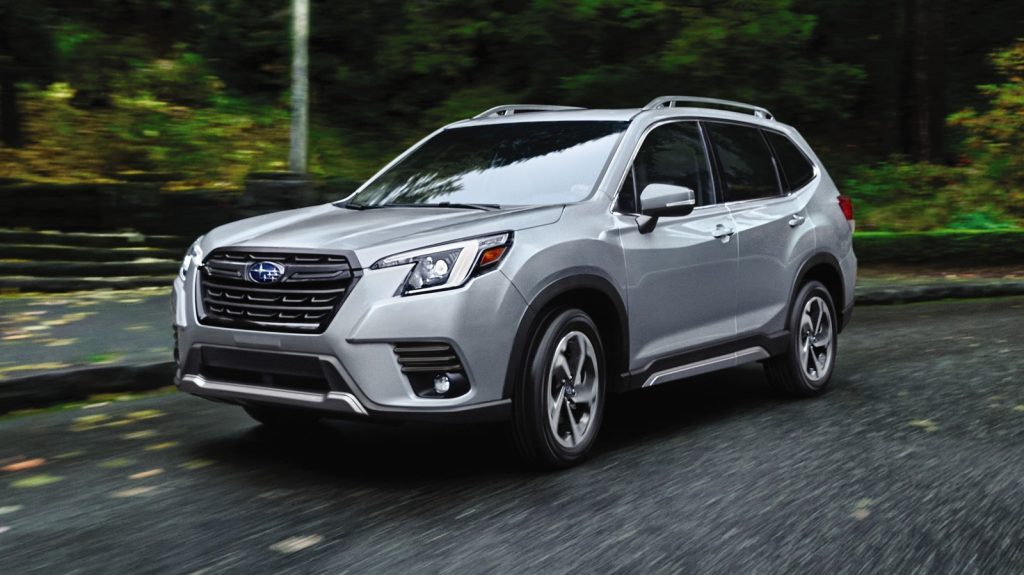
If you’re thinking about buying a Subaru Forester, you want to make sure you pick the right year. Not every model lives up to the Subaru reputation for reliability and safety.
Some years come with costly problems that could turn your dream car into a nightmare. Knowing which Forester years to avoid can save you time, money, and stress. Keep reading to find out exactly which models might cause trouble—and how to choose the best one for your needs.
Your next car decision just got a lot easier.

Credit: www.reddit.com
Common Issues In Subaru Forester
Knowing the common issues in Subaru Forester models can save you a lot of headaches. Some model years have recurring problems that impact reliability and repair costs. Understanding these issues helps you decide which Forester years to avoid or buy with caution.
Engine Problems
Many Forester owners report head gasket leaks, especially in models from the early 2000s. These leaks cause coolant loss and overheating, leading to costly repairs if ignored. You might also find excessive oil consumption in certain 2014-2016 models, which means more frequent oil top-ups and potential engine damage.
Have you checked if the Forester you want has a well-documented engine history? It’s crucial to ask for maintenance records to spot these issues early.
Transmission Failures
CVT (Continuously Variable Transmission) troubles are common in Foresters from 2014 to 2018. Owners often experience shuddering, slipping, or complete transmission failure. These problems can lead to expensive replacements or rebuilds, which many buyers don’t expect.
Before buying, test drive the vehicle on different road conditions to feel any unusual transmission behavior. Don’t hesitate to get a professional inspection focused on the transmission.
Electrical System Glitches
Electrical issues affect several Forester models, notably from 2010 to 2013. Problems range from faulty door locks and windows to dashboard warning lights lighting up without cause. These glitches can be annoying and sometimes signal deeper wiring problems.
Have you noticed flickering lights or unresponsive controls during a test drive? These signs are red flags worth investigating further.
Suspension And Steering Concerns
Foresters built between 2009 and 2012 often suffer from worn-out suspension components. This leads to noisy rides, poor handling, and uneven tire wear. Some owners also report steering wheel vibrations and difficulty maintaining a straight line on the highway.
Ask if the suspension parts have been replaced or serviced recently. A smooth ride and stable steering should be your priority when evaluating any used Forester.
Forester Models With Frequent Repairs
The Subaru Forester has a reputation for reliability. Yet, some models face frequent repair issues. Knowing which years to avoid can save time and money. Below, explore Forester models known for specific problems.
2009-2013: Head Gasket Failures
Subaru Foresters from 2009 to 2013 often suffer from head gasket failures. This issue leads to coolant leaks and engine overheating. Repairing head gaskets can be costly. Regular inspections and maintenance help catch problems early.
2014-2016: Transmission Troubles
Models produced between 2014 and 2016 encounter transmission issues. Owners report problems with the CVT (Continuously Variable Transmission). These issues may lead to expensive repairs or replacements. Regular check-ups can prevent severe damage.
2017-2018: Oil Consumption Issues
Foresters from 2017 to 2018 often have high oil consumption. This can lead to engine damage if left unchecked. Regular oil checks are essential for these models. Monitoring oil levels helps avoid major engine repairs.
Safety Recalls And Complaints
Safety recalls and complaints reveal critical issues in some Subaru Forester models. These problems affect vehicle reliability and driver confidence. Knowing which years had major recalls helps avoid costly repairs and safety risks. Here are key safety concerns reported by owners and manufacturers.
Airbag Malfunctions
Certain Forester models had faulty airbags that might not deploy in crashes. Some airbags deployed unexpectedly, causing injuries. The 2009 to 2012 models had the most reports about these malfunctions. This recall affected both driver and passenger airbags. Subaru replaced defective airbags free of charge to improve safety.
Brake System Recalls
Brake system issues appeared in Foresters from 2014 to 2016. Problems included brake fluid leaks and failure warnings. These faults reduced braking power and increased accident risk. Subaru issued recalls to fix brake lines and improve brake system reliability. Drivers reported sudden brake pedal softness during driving.
Fuel System Alerts
Fuel leaks and faulty fuel pumps caused recalls in Foresters made between 2013 and 2015. Leaking fuel creates fire hazards and engine problems. Complaints mentioned fuel odors and engine stalling. Subaru replaced fuel pumps and repaired leaks to prevent accidents. These fixes were crucial for safe operation.

Credit: m.youtube.com
Factors Behind Problem Models
Understanding why certain Subaru Forester models develop problems can help you avoid costly mistakes. Various factors, from design decisions to how the cars were made and maintained, influence reliability. Knowing these can guide you toward a Forester that serves you well, rather than one that drains your time and wallet.
Design Flaws
Some Forester models carry design flaws that affect their long-term durability. For example, early 2010s models had issues with head gasket failures due to engine design choices. These flaws aren’t always obvious during a test drive but surface over time with specific symptoms like overheating or oil leaks.
You might ask yourself: what design decisions make a car prone to repeated repairs? In the case of the Forester, certain engine and transmission setups introduced stress points that wear out faster than expected. Spotting these issues before buying can save you from frustration down the road.
Manufacturing Defects
Manufacturing defects can turn a good design into a problematic vehicle. Some Foresters from the mid-2000s had faulty wiring harnesses that led to electrical problems. These defects often stem from rushed assembly lines or supplier issues rather than the car’s overall concept.
It’s important to check for recalls or service bulletins related to your model year. These documents reveal if Subaru recognized and fixed common manufacturing faults. Don’t overlook this step—it’s a practical way to avoid surprises after your purchase.
Maintenance Challenges
Even the best-designed and well-built Forester can become a headache without proper maintenance. Some model years require more frequent servicing due to their complex engine or transmission systems. Neglecting oil changes or ignoring minor issues often leads to costly repairs.
Ask yourself how easy it is to maintain the Forester you’re considering. Does it need special tools or expensive parts? If you’re not prepared for higher maintenance demands, a seemingly affordable model might end up costing more than you expect.
Tips For Choosing A Reliable Forester
Choosing a reliable Subaru Forester means more than just picking a model year. It requires careful attention to details that reveal the car’s true condition and future dependability. You want to avoid surprises after the purchase and enjoy your Forester’s performance without constant trips to the mechanic.
Researching Vehicle History
Start by digging into the Forester’s vehicle history report. Services like Carfax or AutoCheck provide insights into past accidents, title issues, and maintenance records. Knowing if the car has been in major accidents or suffered flood damage can save you from costly repairs down the line.
Don’t just rely on the report alone. Cross-check with the seller about any red flags you find. Ask about routine maintenance like oil changes and timing belt replacements, which are crucial for Subaru engines.
Inspecting Before Purchase
Never skip a thorough inspection before buying. Even if the Forester looks great on the outside, hidden problems can lurk under the hood or in the suspension. Bring a trusted mechanic or use a professional inspection service to spot issues you might miss.
Pay attention to common Forester problems, such as oil leaks in certain model years or worn-out CV joints. Test drive the car on different road types to check the brakes, transmission, and steering feel. How does it respond when you accelerate or brake suddenly?
Considering Extended Warranties
Extended warranties can offer peace of mind, especially if you’re buying an older Forester. They cover costly repairs that might not be obvious during a pre-purchase inspection. Check what the warranty covers and for how long, focusing on major components like the engine and transmission.
Think about your budget and how long you plan to keep the car. Would paying extra for a warranty be worth it if it saves you thousands in repairs? Sometimes, a little upfront investment can prevent big headaches later.
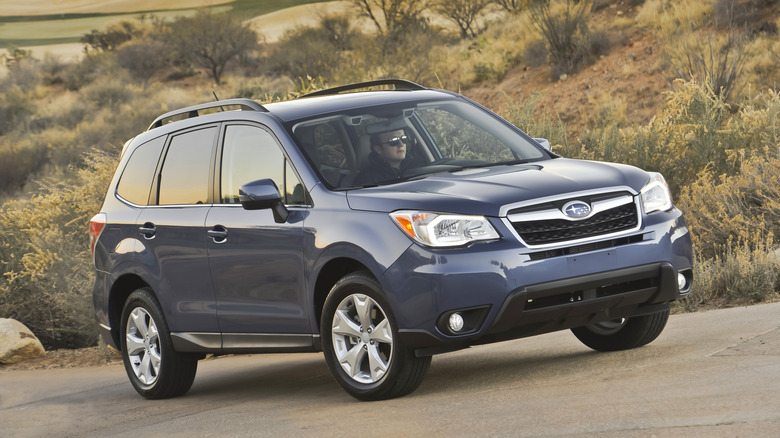
Credit: www.slashgear.com
Frequently Asked Questions
Which Subaru Forester Years Have Major Reliability Issues?
The 2014 and 2015 Subaru Forester models are known for head gasket failures. These years show frequent engine problems and costly repairs.
Are There Subaru Forester Models With Transmission Problems?
Yes, the 2011 and 2012 Forester years experienced CVT transmission issues. Owners reported rough shifting and premature wear.
What Forester Years Should I Avoid Due To Excessive Oil Consumption?
The 2012 and 2013 Forester models often consume excessive oil. This issue leads to engine damage if not addressed promptly.
Do Subaru Forester Models Before 2010 Have Common Defects?
Early Foresters, especially 2009 and prior, had suspension and wheel bearing problems. These issues affect ride quality and safety.
Conclusion
Certain Subaru Forester model years show more problems than others. Avoid those with known engine or transmission issues. Choosing a reliable year saves time and money. Research each model’s history before buying. Focus on well-reviewed versions for better peace of mind.
A smart choice helps you enjoy your Forester longer. Stay informed and pick wisely for a smooth ride.