Are you confused about the terms Freon and refrigerant? You’re not alone.
Many people use these words interchangeably, but they’re not exactly the same. Understanding the difference can help you take better care of your air conditioner or refrigerator. You’ll discover what sets Freon apart from refrigerants and why it matters for your cooling systems.
Keep reading to clear up the confusion and make smarter choices when it comes to your home or car’s cooling needs.

Credit: okmarts.com
Freon Basics
Freon is a well-known name in cooling and refrigeration. It often comes up in talks about air conditioners and refrigerators. Understanding Freon helps clarify how cooling systems work. This section covers the basics of Freon, including its origin, types, and environmental effects.
Origin And History
Freon was first developed in the 1920s. It was created as a safer alternative to older coolants. Early refrigerants were toxic and flammable. Freon changed that with its stable and non-flammable nature. The name “Freon” is a brand name owned by DuPont. It became widely used in homes and industries worldwide.
Common Types Of Freon
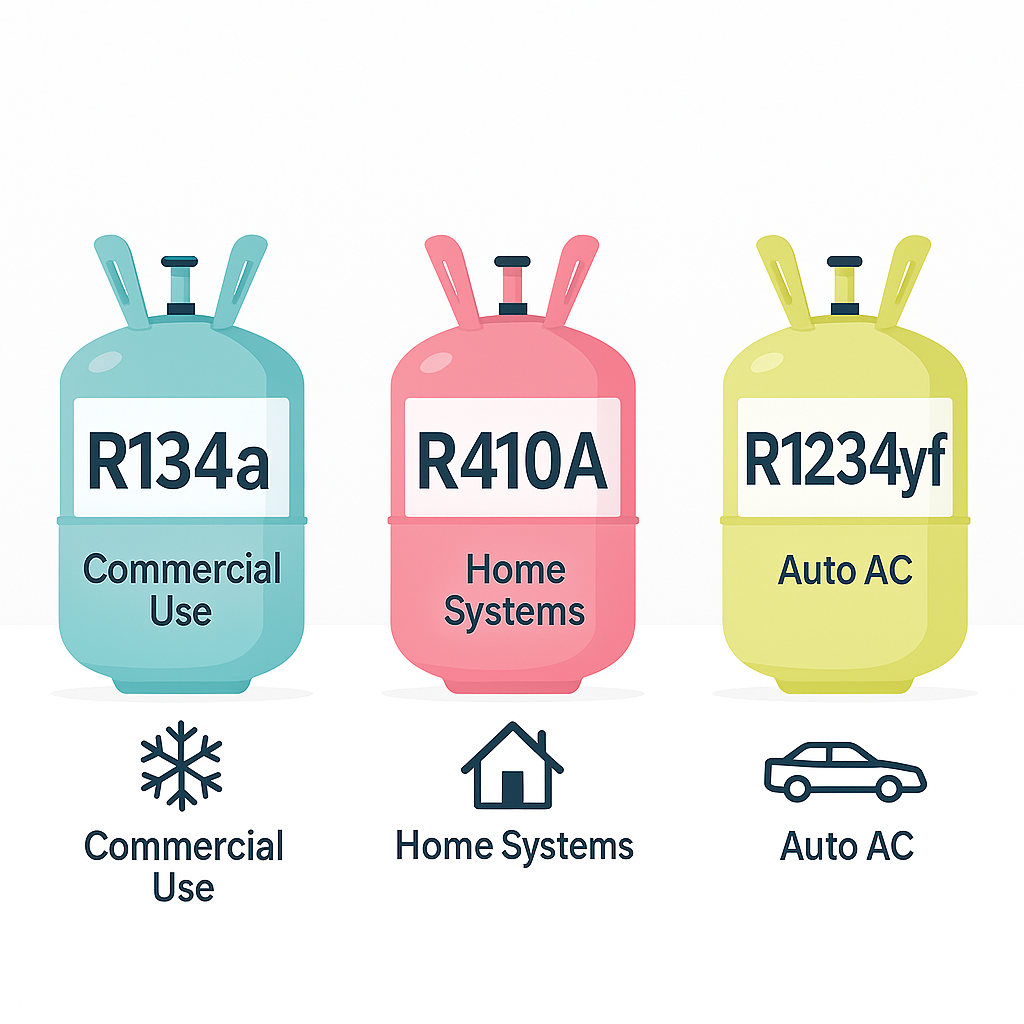
- R-12: Popular in older refrigerators and cars, now mostly phased out.
- R-22: Used in air conditioners but being replaced due to regulations.
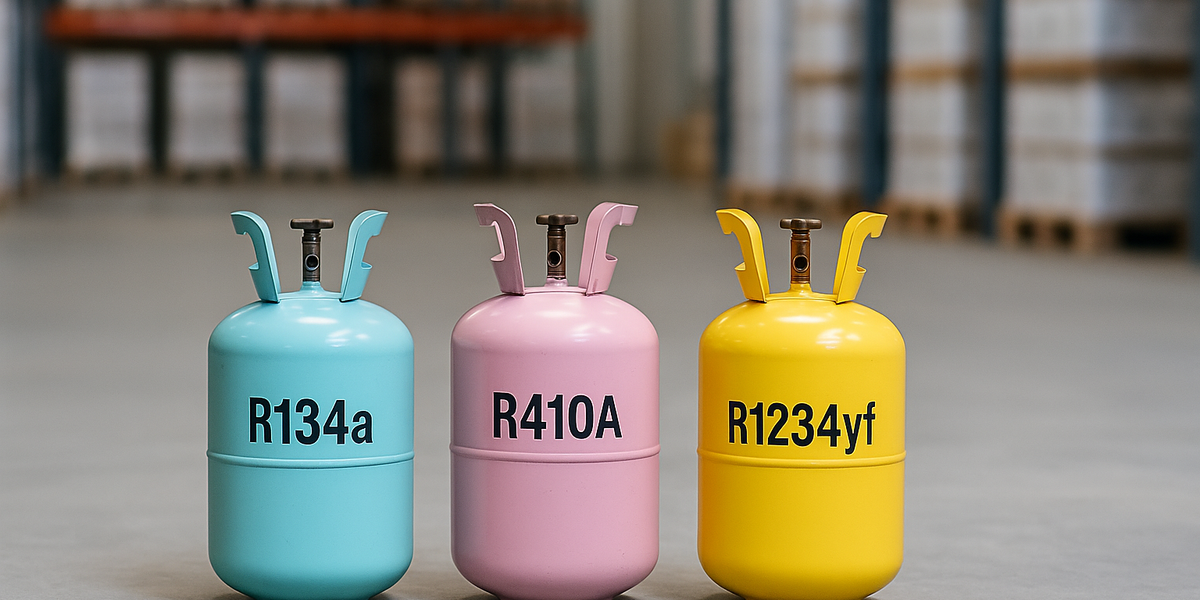
- R-134a: Common in newer car air conditioners and refrigerators.
- R-410A: A newer type for modern air conditioning systems.
Each type has a specific chemical formula and use. Knowing these helps in repairs and maintenance.
Environmental Impact
Freon gases can harm the environment. Some types deplete the ozone layer. Others contribute to global warming. This led to strict regulations on their use. Many older Freon types are being phased out. New refrigerants focus on lower environmental risks. Proper handling and disposal are crucial to protect the planet.
Refrigerant Essentials
Understanding refrigerants is key to grasping the difference between Freon and other cooling substances. Refrigerants are the lifeblood of any cooling system, moving heat away and keeping spaces comfortable. Knowing the basics about types, uses, and environmental impact helps you make smarter choices for your equipment and the planet.
Types Of Refrigerants
Refrigerants come in various chemical forms, each with unique properties. Common types include:
- Chlorofluorocarbons (CFCs)– Once popular, but now mostly banned due to ozone damage.
- Hydrochlorofluorocarbons (HCFCs)– Less harmful than CFCs but still being phased out.
- Hydrofluorocarbons (HFCs)– Widely used today, but they have a high global warming potential.
- Natural refrigerantslike ammonia, carbon dioxide, and hydrocarbons – eco-friendly alternatives gaining ground.
Have you checked what type of refrigerant your air conditioner or fridge uses? It can affect performance and environmental footprint.
Applications In Cooling Systems
Refrigerants are vital in systems ranging from household refrigerators to large commercial chillers. They absorb heat inside the system and release it outside, creating the cooling effect you rely on.
Each refrigerant suits different machines based on factors like temperature range and pressure tolerance. For example, Freon is often used in older AC units, while newer models may use HFCs or natural refrigerants.
If your cooling system needs servicing or upgrading, knowing the refrigerant type helps ensure compatibility and efficiency.
Environmental Considerations
Refrigerants impact the environment in two major ways: ozone depletion and global warming. Some older refrigerants, like CFCs and HCFCs, harm the ozone layer, which protects us from harmful UV rays.
Newer refrigerants tend to focus on reducing global warming potential but still vary widely in their impact. Natural refrigerants offer lower environmental risks but require careful handling due to toxicity or flammability.
What steps can you take to choose or maintain refrigerants that protect the planet while keeping your system running well?
Freon Vs Refrigerant
Understanding the difference between Freon and refrigerant can clear up a lot of confusion when dealing with cooling systems. While these terms are often used interchangeably, they actually refer to different things. Knowing what sets them apart helps you make better choices, whether you’re fixing your air conditioner or shopping for a new fridge.
Chemical Composition Differences
Freon is actually a brand name, originally used by DuPont, for a group of chemicals called chlorofluorocarbons (CFCs) and hydrochlorofluorocarbons (HCFCs). These chemicals contain chlorine, fluorine, and carbon atoms, which made them effective but harmful to the ozone layer.
Refrigerant is a broader term that includes many types of cooling agents, including Freon, but also newer substances like hydrofluorocarbons (HFCs) and natural refrigerants such as ammonia or carbon dioxide. Each type has a different chemical makeup, affecting how they perform and their environmental impact.
Usage And Industry Terms
You might hear “Freon” used casually to describe any refrigerant, but technically, it’s just one brand of refrigerant. Professionals usually refer to refrigerants by their chemical codes, like R-22 or R-410A, which tell you exactly what’s inside.
When you call a technician about a leaking refrigerant, they will want to know the exact type. This helps them find the right replacement and ensure your system runs efficiently and safely.
Regulations And Phase-outs
Because Freon chemicals damage the ozone layer, many of them have been phased out globally under agreements like the Montreal Protocol. This means you won’t find new air conditioners or refrigerators using traditional Freon products anymore.
Refrigerants today are chosen not only for performance but also for environmental safety. New rules push manufacturers and service providers to use alternatives with lower global warming potential.
Have you ever wondered if the cooling system in your home is using an outdated refrigerant? Checking this can save energy and reduce your carbon footprint.

Credit: www.reddit.com
Choosing The Right Cooling Agent
Choosing the right cooling agent is vital for effective refrigeration and air conditioning. The choice impacts energy use, safety, and environmental effects. Understanding the differences between Freon and other refrigerants helps in making smart decisions. Each cooling agent has unique traits that affect system performance and user safety.
Efficiency And Performance
Different refrigerants deliver varying cooling power and energy use. Some cool faster and keep temperatures stable for longer. Others need more energy, raising electricity bills. Freon, once popular, has lower efficiency compared to newer refrigerants. Modern options offer better heat transfer and reduce energy waste. Selecting a refrigerant with high efficiency saves money and improves comfort.
Safety Factors
Safety is key when choosing a cooling agent. Some refrigerants are toxic or flammable. Freon is non-flammable but can harm the ozone layer. New refrigerants focus on reducing health risks and environmental damage. Proper handling and system design reduce leaks and accidents. Always check the safety ratings and guidelines for each cooling agent.
Future Trends In Refrigerants
The cooling industry moves toward eco-friendly refrigerants. Many countries ban or limit Freon due to environmental harm. New refrigerants have low global warming potential (GWP) and zero ozone depletion. Natural refrigerants like CO2 and ammonia gain popularity. Innovations aim to balance performance, safety, and environmental impact for future use.
Credit: refrigerantscenter.com
Frequently Asked Questions
What Is The Main Difference Between Freon And Refrigerant?
Freon is a brand name for specific refrigerants, mostly R-22. Refrigerant is a general term for fluids used in cooling systems. Freon refers to older types, while refrigerants include newer, eco-friendly options.
Are Freon And Refrigerants Used In The Same Appliances?
Yes, both are used in air conditioners, refrigerators, and heat pumps. However, many systems now use modern refrigerants instead of traditional Freon due to environmental regulations.
Why Is Freon Being Phased Out In Refrigerants?
Freon, especially R-22, harms the ozone layer. Environmental laws promote safer refrigerants with low ozone depletion potential. This phase-out encourages using eco-friendly refrigerants to protect the environment.
Can I Replace Freon With Any Refrigerant?
No, you must use a compatible refrigerant for your system. Replacing Freon with a different refrigerant can damage equipment and reduce efficiency. Always consult a professional before switching refrigerants.
Conclusion
Understanding Freon and refrigerant is important for appliance care. Freon is a type of refrigerant, but not all refrigerants are Freon. Refrigerants help cool air in appliances like fridges and ACs. Freon used to be common, but newer refrigerants are safer for the environment.
Knowing the difference helps in choosing the right one. Always consult a professional for appliance maintenance. This ensures safe and efficient operation. Proper knowledge aids in making informed decisions. Keep your appliances running smoothly and efficiently. Stay informed for better appliance care.