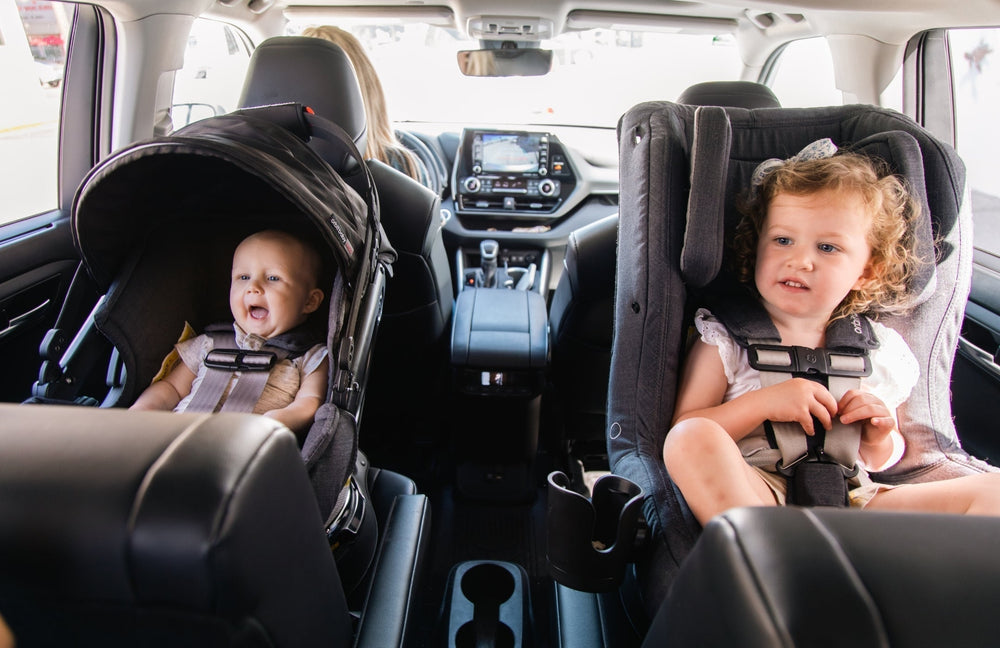
Wondering when you can turn your child’s car seat to face forward? You’re not alone.
Every parent wants to keep their little one safe while making sure they’re comfortable during car rides. But with so many rules and recommendations, it can get confusing. Knowing the right time to switch your car seat from rear-facing to forward-facing is crucial for your child’s safety.
Keep reading, and you’ll learn exactly when and how to make this change confidently—giving you peace of mind on every trip.

Credit: bridgemi.com
Rear-facing Vs. Forward-facing Seats
Choosing between rear-facing and forward-facing car seats is a crucial decision for your child’s safety. Each option offers different levels of protection depending on your child’s age, weight, and development. Understanding the benefits of each can help you decide the best time to switch and keep your little one safe on every ride.
Benefits Of Rear-facing Seats
Rear-facing seats support your child’s head, neck, and spine better during sudden stops or crashes. Since young children have weaker neck muscles, this position distributes the crash forces across the back of the seat, reducing injury risks.
Many safety experts recommend keeping children rear-facing as long as possible, usually until at least age 2 or when they reach the seat’s height or weight limit. I kept my toddler rear-facing until 3, and it gave me peace of mind knowing they were better protected.
Besides safety, rear-facing seats often come with a snug fit that can make your child feel secure and comfortable during trips. Have you noticed how calmer kids seem when riding rear-facing?
Transitioning To Forward-facing
Switching to a forward-facing seat is tempting once your child grows restless or outgrows the rear-facing limits. However, the timing should depend on their size, not just age.
Before making the change, check your car seat’s manual for specific height and weight requirements. Many seats allow forward-facing use starting around 20-22 pounds, but some extend much higher, letting you keep your child rear-facing longer.
When you do switch, ensure the harness fits snugly and the seat is installed tightly with either the vehicle seat belt or LATCH system. Forward-facing seats come with top tether anchors that help reduce forward movement in a crash—don’t skip using them.
Have you thought about how you’ll handle the transition smoothly without stressing your child? Preparing them by talking about the change and making the seat inviting can make a big difference.

Credit: babyallergyprevention.com.sg
Age And Weight Recommendations
Knowing the right age and weight to turn a car seat forward is important for child safety. Following clear guidelines helps protect your child during travel. Parents must check these recommendations before changing the car seat position.
Minimum Age For Forward-facing
Most experts say children should stay rear-facing until at least 2 years old. Some recommend waiting longer for better protection. The American Academy of Pediatrics suggests rear-facing until the child reaches the highest weight or height allowed by the car seat. This usually means kids stay rear-facing between 2 and 4 years old.
Weight Limits To Consider
Car seats have specific weight limits for rear and forward-facing modes. Rear-facing seats often support children up to 40 pounds. Forward-facing seats usually start at 20 to 22 pounds and go up to 65 pounds or more. Always check the car seat manual for exact limits. Staying within these limits ensures the seat works properly and keeps the child safe.
Height And Development Factors
Deciding the right time to turn your child’s car seat to face forward is about more than just age. Height and physical development play crucial roles in ensuring your child’s safety and comfort. Paying attention to these factors helps you make the best choice tailored to your child’s unique growth.
Height Requirements
Most car seat manufacturers set a minimum height before allowing a forward-facing position. Typically, your child should be at least 30 inches tall, but this can vary depending on the seat model. Check the car seat manual carefully, as some seats have higher height limits for rear-facing use.
Your child’s head should not be above the top of the car seat when rear-facing. If you notice their head nearing or surpassing this limit, it’s a clear sign to consider turning the seat forward. Ignoring this can compromise protection during a crash.
Physical Development And Readiness
Height alone isn’t enough to decide the switch. Your child’s neck and head control are essential indicators of readiness. Can your child hold their head up steadily without support? If not, it’s safer to keep the seat rear-facing.
Ask yourself: Does your child show signs of discomfort or restricted movement in the rear-facing seat? If yes, it might be time to assess their development more closely. Forward-facing seats offer more room for active toddlers who can sit upright confidently.
Remember, moving your child too soon can increase injury risk. Your child’s body needs to be physically prepared to handle the forces of a forward-facing crash. If you’re unsure, consulting your pediatrician can provide personalized guidance based on your child’s growth milestones.

Credit: maxicosi.com
State Laws And Regulations
Understanding state laws and regulations is key to knowing when to turn a car seat face forward. These rules protect children and guide parents on safe practices. Each state has its own timeline and requirements. Following these laws helps keep kids safe during every trip.
Variations Across States
Car seat laws differ widely by state. Some states require children to remain rear-facing until age two. Others set weight or height limits instead of age. A few states have stricter rules than national recommendations. Parents must check local laws to avoid confusion.
- Some states mandate rear-facing until 2 years old.
- Others use weight limits like 20 or 30 pounds.
- Height can also be a factor in some regions.
- Penalties vary for not following these laws.
Legal Implications Of Early Transition
Turning a car seat forward too soon may break state laws. This can lead to fines or penalties. More importantly, it raises safety risks for children. Insurance claims might be affected if rules are not followed. Law enforcement can issue citations during traffic stops.
Parents must weigh safety and legal factors carefully. Knowing the exact law helps prevent costly mistakes. It ensures children get the best protection on the road.
Proper Installation Tips
Proper installation of a forward-facing car seat keeps your child safe during every ride. It reduces the risk of injury in case of sudden stops or accidents. Follow simple steps to secure the seat tightly and position the harness correctly. This ensures comfort and maximum protection for your child.
Securing The Car Seat
Place the car seat on the vehicle’s back seat. Use either the seat belt or the LATCH system to attach it firmly. Check that the seat does not move more than one inch side to side or front to back. Tighten the straps until the seat feels solid and stable. Always follow the car seat manual for specific instructions.
Harness Positioning
Adjust the harness straps to fit your child snugly. The straps should lie flat without twists. Place the harness at or above your child’s shoulders for forward-facing seats. Buckle the chest clip at armpit level to keep the harness in place. Make sure you can’t pinch any slack in the straps. Proper harness fit keeps your child secure and comfortable.
Common Mistakes To Avoid
Understanding when to turn your child’s car seat face forward is crucial, but many parents make avoidable mistakes that can affect safety. Being aware of these common errors helps you protect your little one better and avoid unnecessary risks. Let’s look at key pitfalls you should watch out for.
Switching Too Early
Many parents are eager to turn the car seat forward once their child reaches the minimum weight or age limit on the seat’s label. However, switching too early can expose your child to more danger during a crash. Rear-facing seats support a child’s head, neck, and spine better in an accident, so it’s safer to keep them rear-facing as long as possible.
Think about the last time you saw a child turned forward at just one year old. Was it because they met the minimum requirement, or because the parent didn’t know the benefits of waiting? The American Academy of Pediatrics recommends keeping children rear-facing until at least age two or until they reach the highest weight or height allowed by the car seat manufacturer.
Improper Harness Use
Using the harness incorrectly is more common than you might think. A harness that is too loose or straps that sit in the wrong position can reduce the effectiveness of the seat in protecting your child. Ensure the straps are snug and lie flat without twists, and the chest clip should be at armpit level.
Many parents forget to check the harness fit regularly as their child grows. Have you ever tightened your child’s seatbelt only to realize it was too loose after a week? Regular adjustments are essential for safety and comfort.
- Check harness tightness by doing the “pinch test”—you shouldn’t be able to pinch any webbing at the shoulder.
- Make sure the harness slots used match your child’s current height.
- Replace any worn or damaged harness straps immediately.
Expert Recommendations
Understanding when to switch your child’s car seat to face forward can be confusing. Experts offer clear recommendations to help you make the safest choice for your child. Knowing these guidelines ensures you’re protecting your little one in the best possible way while traveling.
Guidelines From Safety Organizations
Leading safety organizations like the American Academy of Pediatrics (AAP) and the National Highway Traffic Safety Administration (NHTSA) recommend keeping your child in a rear-facing car seat as long as possible. This typically means until at least age 2 or until they reach the highest weight or height allowed by the car seat manufacturer.
Why is rear-facing safer? It better supports your child’s head, neck, and spine in a crash, reducing injury risk. Once your child outgrows the rear-facing limits, it’s generally safe to switch to a forward-facing seat with a harness.
Remember, these organizations stress that the timing isn’t just about age but also about size. Always check your car seat’s specific guidelines before making the change.
Pediatrician Advice
Pediatricians often echo the recommendations from safety organizations but add a personal touch based on their experience with child injuries. Many advise parents to delay turning the car seat forward until the child is at least 2 years old and meets the seat’s height and weight requirements.
One pediatrician shared how a toddler who remained rear-facing until 3 years old had a much better outcome in a crash compared to forward-facing peers. This highlights how extending rear-facing use can offer crucial extra protection.
Ask your pediatrician for advice tailored to your child’s growth and health. They can help you assess when your child is ready, considering not just size but also developmental factors.
Frequently Asked Questions
When Can I Turn My Car Seat Forward?
Car seats can face forward when your child is at least 2 years old. Some guidelines recommend waiting until 3 or 4 years old for added safety. Always follow the car seat manufacturer’s instructions and your local regulations to ensure your child’s safety.
What Is The Weight Requirement For Forward-facing?
The weight requirement for forward-facing car seats is typically 22 to 65 pounds. However, it’s crucial to check the specific car seat model instructions. This ensures you adhere to the manufacturer’s guidelines for optimal safety and compliance.
Are There Height Restrictions For Forward-facing Seats?
Yes, height restrictions exist for forward-facing car seats. Generally, a child should be at least 30 inches tall. Always refer to the car seat’s manual for specific height limits and ensure the harness fits correctly for safety.
Why Is Rear-facing Safer For Young Children?
Rear-facing is safer because it supports the child’s head, neck, and spine in a crash. This position better absorbs the impact forces, reducing the risk of injury. It is recommended to keep children rear-facing as long as possible within the seat’s limits.
Conclusion
Car seats should face forward only when your child is ready. Check the height and weight limits on the seat. Many experts suggest waiting until age two or more. Facing backward keeps babies safer in crashes. Always follow the car seat manual and local laws.
Safety comes first when deciding to turn the seat. This helps protect your child during every trip. Stay informed and update your car seat as needed. Your child’s safety matters most on the road.