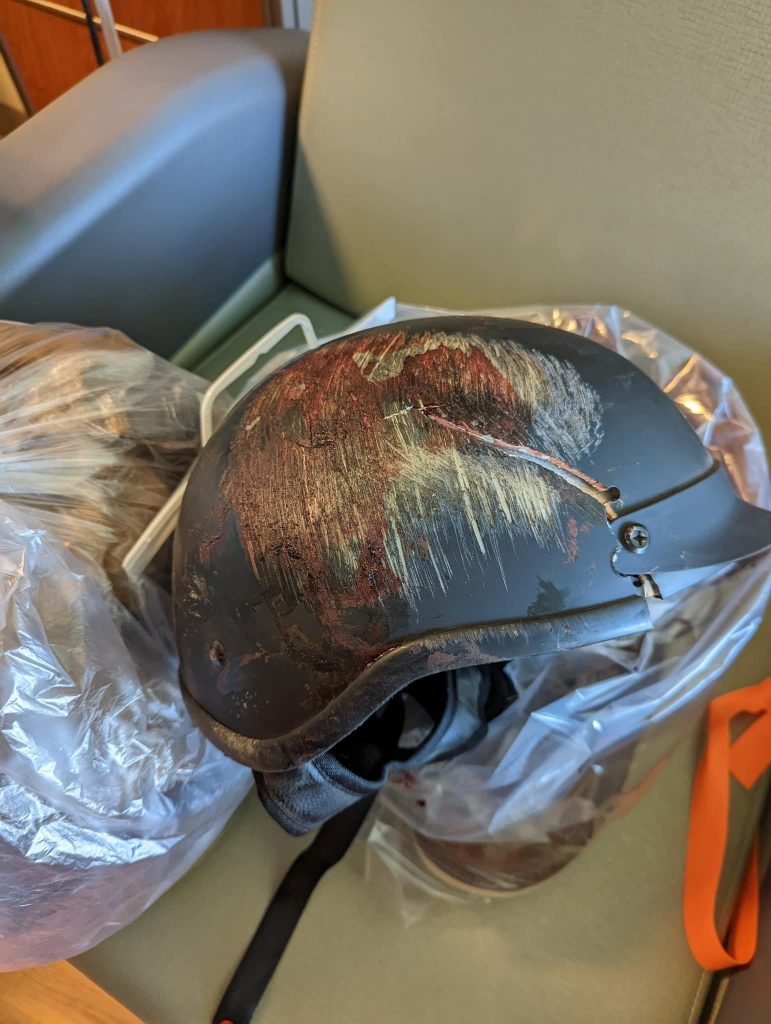
Your bike helmet is your best protection on every ride. But do you know when it’s time to replace it?
Using an old or damaged helmet can put your safety at risk, even if it looks fine on the outside. You’ll discover clear signs that tell you it’s time for a new helmet. Don’t wait for an accident to realize your helmet isn’t doing its job.
Keep yourself safe by knowing exactly when to replace your bike helmet. Keep reading—you won’t want to miss these crucial tips!

Credit: lazersport.ca
Signs Of Helmet Damage
A bike helmet protects your head during a crash. It wears out over time and with use. Knowing when to replace it keeps you safe.
Look closely at your helmet for damage. Some signs mean the helmet may not protect you well anymore.
Visible Cracks Or Dents
Check the outside shell of your helmet. Cracks or dents can weaken the helmet’s strength. Even small damage can reduce protection.
- Look for cracks on the surface or edges
- Notice any dents or deep scratches
- Check if the shell feels soft or uneven
Inner Foam Deterioration
The foam inside absorbs shock during impacts. If it crumbles or breaks, the helmet won’t protect well. Foam that feels sticky or soft may be bad.
| Foam Condition | Meaning |
| Cracks or breaks | Needs replacement |
| Sticky or soft | Foam is damaged |
| Hard and intact | Still safe to use |
Frayed Straps Or Buckles
Helmet straps keep it on your head. Check if the straps or buckles are worn or broken. Frayed straps can break in a crash.
Signs of strap damage include:
- Loose threads or fraying edges
- Cracked or broken buckles
- Straps that do not tighten securely
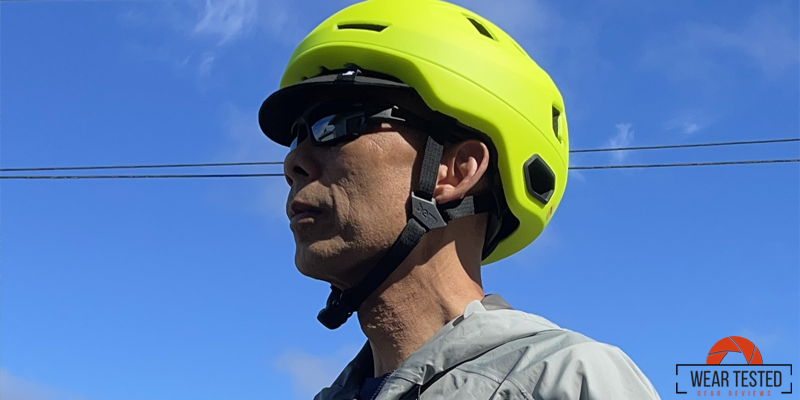
Credit: bernhelmets.com
Impact After An Accident
A bike helmet protects your head during a crash. Even a small accident can harm the helmet’s structure.
It is important to know when to replace your helmet after an impact. This helps keep you safe on every ride.
Importance Of Post-crash Replacement
Helmets absorb shock by crushing their inner foam. This foam can lose strength after one crash.
- A helmet may look fine outside but be damaged inside.
- Wearing a damaged helmet can lead to serious head injuries.
- Replacing your helmet after a crash ensures full protection.
- Some helmet brands recommend replacement after any impact.
Assessing Invisible Damage
Damage to the helmet’s foam is often invisible. You cannot see cracks or crushed areas easily.
| Damage Type | Signs to Check |
|---|---|
| Foam Compression | Indented or soft spots inside the helmet |
| Cracks | Visible cracks on the shell or inner liner |
| Strap Integrity | Frayed or loose straps after impact |
| Fit Changes | Helmet feels loose or shifts on your head |
Age Of The Helmet
Bike helmets protect your head during crashes. Over time, helmets lose their strength. Knowing when to replace your helmet is very important.
One key factor in helmet safety is its age. Even if it looks fine, an old helmet may not protect you well.
Understanding Material Degradation
Helmets are made of materials like foam and plastic. These materials break down as time passes. Sunlight, sweat, and heat speed up this process.
Material degradation means the helmet may not absorb impact like it should. This makes the helmet less safe during a crash.
- Foam inside the helmet can become soft or crumbly
- Plastic shell may crack or become brittle
- Straps and fasteners may weaken or stretch
- Exposure to sunlight fades color and weakens materials
Industry Recommendations On Lifespan
Experts suggest replacing your helmet every five years. This rule helps keep your helmet safe and reliable.
If you crash or drop your helmet hard, replace it right away. Damage inside the helmet might not be visible but can reduce protection.
- Replace helmet every 5 years, even without damage
- Replace immediately after any crash or hard impact
- Check for visible cracks or damage often
- Store helmet away from heat and sunlight
Fit And Comfort Issues
Wearing a bike helmet that fits well is very important for safety. Over time, your head size or shape may change. This can cause fit and comfort problems.
Knowing when to replace your helmet can help you stay protected and comfortable during your rides.
Changes In Head Size
Your head size can change due to growth, weight changes, or aging. A helmet that once fit snugly may become too loose or tight. This affects how well the helmet protects you.
- Children’s heads grow quickly, so update helmets often.
- Weight gain or loss can alter head shape and size.
- Aging can affect scalp and hair thickness, changing fit.
Loose Or Tight Fit
A helmet that is too loose may move or fall off during a ride. One that is too tight can cause pain or headaches. Both conditions reduce safety and comfort.
| Fit Issue | Signs | Action |
| Loose Fit | Helmet slides or rotates easily | Replace helmet or adjust straps |
| Tight Fit | Pressure spots or headaches | Try a larger size or new helmet |
| Uneven Fit | Helmet tilts or gaps appear | Check padding or replace helmet |
Technological Advancements
Bike helmets have improved a lot over the years. New technology makes them safer and more comfortable.
These advancements help riders protect their heads better and enjoy their rides more.
Improved Safety Features
Modern helmets use better materials to absorb impact. This reduces head injuries in crashes.
Many helmets now include multi-directional impact protection systems. These reduce rotational forces on the brain.
- Stronger outer shells resist cracking
- Inner foam layers absorb shocks
- Impact sensors alert emergency contacts
- Reflective elements increase visibility
Enhanced Comfort And Ventilation
New helmet designs improve airflow to keep riders cool. This helps prevent overheating on hot days.
Comfort features like adjustable straps and padding make helmets fit better. A good fit increases safety.
- More vents allow fresh air inside
- Moisture-wicking liners reduce sweat
- Lightweight materials reduce neck strain
- Customizable padding improves fit

Credit: road.cc
Manufacturer Recalls
Bike helmets can have safety issues that lead to recalls by manufacturers. These recalls protect riders from helmets that might not work properly in a crash.
Knowing how to check for safety notices and what to do if your helmet is recalled is important. It helps keep you safe on every ride.
Checking For Safety Notices
Manufacturers announce recalls to warn customers about helmet defects. You can find these notices on official websites or safety agencies.
- Visit the helmet maker’s official site regularly.
- Check government safety sites like the Consumer Product Safety Commission.
- Register your helmet when you buy it to get recall alerts by email.
- Look for news reports about bike helmet recalls.
Steps To Take If Recalled
If your helmet is recalled, stop using it immediately. Follow the instructions from the manufacturer to ensure your safety.
| Action | Description |
|---|---|
| Check Recall Details | Read the recall notice carefully for affected helmet models and batch numbers. |
| Contact Manufacturer | Use the contact info in the recall to ask about returns or replacements. |
| Stop Using Helmet | Do not use the helmet until you get a safe replacement or repair. |
| Follow Instructions | Send the helmet back if required or visit an authorized repair center. |
| Keep Proof | Save receipts and correspondence related to the recall for your records. |
Environmental Exposure
Bike helmets face many weather conditions outside. Sun, heat, and cold can change how strong the helmet is.
Knowing how these factors affect your helmet helps you decide when to replace it. Protect your head by using a good helmet.
Effects Of Uv Radiation
Sunlight has ultraviolet (UV) rays that harm helmet materials. UV rays can make the helmet plastic weak and brittle.
Over time, the helmet may crack or lose its shape. This damage lowers its ability to protect your head in a crash.
- UV rays break down helmet outer shell
- Color fading shows UV damage
- Cracks can form from long sun exposure
- Weakened plastic means less safety
Impact Of Extreme Temperatures
Very hot or cold weather can also harm bike helmets. Heat can soften the helmet foam inside.
Cold makes the foam stiff and fragile. Both conditions reduce how well the helmet absorbs shocks.
- High heat melts or warps helmet parts
- Cold can cause foam to crack
- Temperature changes stress helmet materials
- Damaged foam lowers crash protection
Frequently Asked Questions
How Often Should I Replace My Bike Helmet?
Replace your bike helmet every 3 to 5 years. Materials degrade over time, reducing protection. Replace sooner if damaged.
Can A Helmet Be Reused After A Crash?
No, always replace helmets after any crash. Impact can cause invisible damage, compromising safety.
What Signs Indicate It’s Time To Replace A Helmet?
Replace if you notice cracks, dents, or worn straps. Also replace if the fit feels loose or uncomfortable.
Does Helmet Age Affect Its Safety Performance?
Yes, helmet foam and materials degrade with age. Old helmets provide less impact protection. Replace regularly for best safety.
Conclusion
Replacing your bike helmet protects your head and saves lives. Cracks, dents, or old age mean it’s time for a new one. Don’t wait for an accident to check your helmet’s safety. A fresh helmet fits better and offers stronger protection.
Regularly inspect your helmet to stay safe on every ride. Stay aware, stay protected, and enjoy cycling with peace of mind. Safety always comes first.