Knowing exactly when to change the tires on your motorcycle can save you from unexpected breakdowns and keep you safe on the road. You might wonder if your tires still have enough life or if it’s time for new ones.
Ignoring worn-out tires can lead to poor handling, reduced grip, and even accidents. You’ll discover simple signs to watch for and easy steps to decide the perfect moment to replace your motorcycle tires. Keep reading to protect yourself and get the most out of every ride.
Tread Depth And Wear
Checking tire tread depth is key for motorcycle safety. Worn tires reduce grip and increase crash risk.
Tire wear happens over time and use. Knowing when to replace tires helps keep you safe on the road.
Minimum Tread Requirements
Most places require motorcycle tires to have at least 1/32 inch tread depth. This small depth helps water drain away.
Riding with less tread than this is unsafe. Your bike may slip easily, especially in rain.
- Check tread depth with a gauge or coin
- Replace tires if tread is below legal limit
- Look for tread wear indicators on the tire
Uneven Tire Wear Patterns
Uneven tire wear can cause handling problems. It may show as more wear on one side or in patches.
Common causes include wrong tire pressure, poor alignment, or suspension issues. Fix these to extend tire life.
- Check tire pressure regularly
- Inspect tires for uneven spots
- Adjust bike alignment if needed
- Replace tires if wear is severe
Impact Of Tire Age On Tread
Tire rubber hardens and cracks with age. Old tires lose grip even if tread looks okay.
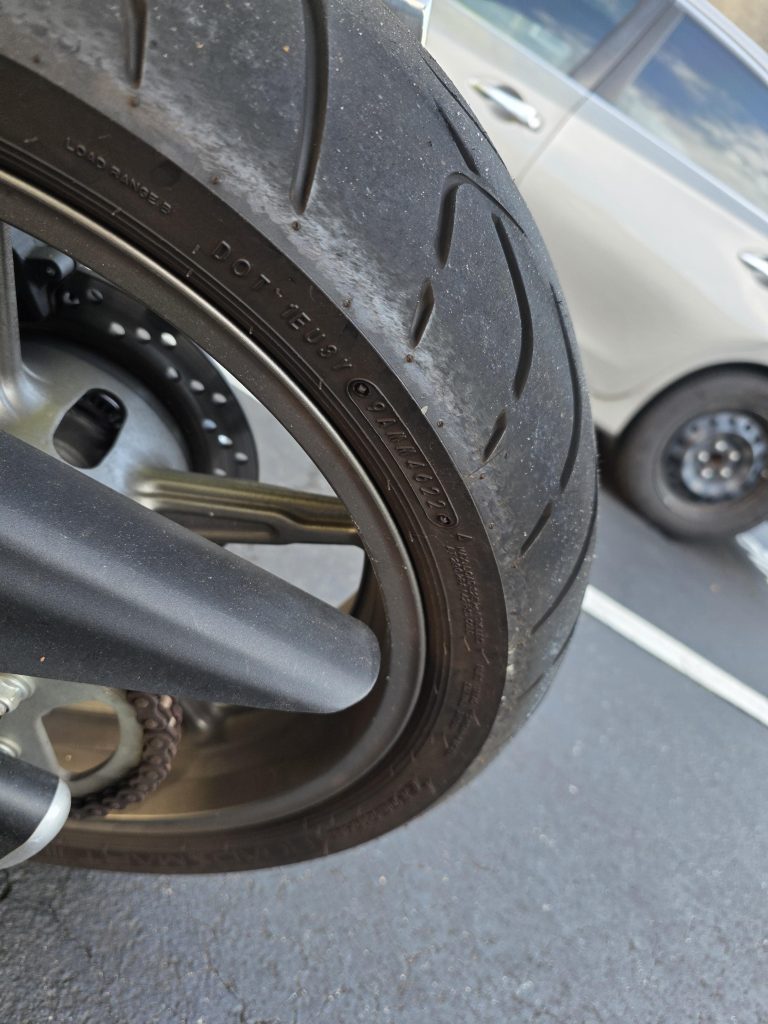
Manufacturers recommend replacing tires every 5 to 7 years. Check the tire’s manufacture date stamped on the sidewall.
- Inspect tires for cracks or dry spots
- Replace tires older than 7 years
- Do not rely only on tread depth
Visible Damage
Checking your motorcycle tires for visible damage is important. It helps keep you safe while riding.
Look closely at the tire surface and sides for signs of damage. This can tell you when to change them.
Cracks And Dry Rot
Cracks on tires show the rubber is old or worn out. Dry rot happens when tires lose moisture and get brittle.
These cracks can cause the tire to fail. If you see many cracks, it is time to replace the tire.
Bulges And Blisters
Bulges or blisters on tires show weak spots inside. They happen if the tire hits a hard object or has internal damage.
Riding with bulges is risky. The tire can burst suddenly. Change tires if you spot any bulges or blisters.
Punctures And Cuts
Punctures and cuts can let air escape from the tire. Small holes might be repairable, but big damage means replacement.
Always inspect tires for sharp objects stuck inside. Remove them and check the damage size to decide on changing the tire.
Handling And Performance Changes
Changing motorcycle tires is important for safe riding. Old tires affect how the bike handles and performs.
Worn tires reduce control and can cause problems during rides. Watch for signs that show it is time to change them.
Reduced Traction And Grip
Tires with worn tread lose their ability to grip the road well. This reduces traction on wet and dry surfaces.
Poor traction makes it harder to steer and control the motorcycle, especially in turns or slippery areas.
- Slippery roads increase the risk of falls
- Sharp turns become more dangerous
- Acceleration and cornering feel less stable
Vibrations And Wobbling
Old or damaged tires can cause the motorcycle to vibrate or wobble. This affects your comfort and control.
Vibrations may come from uneven tire wear or tire damage. Wobbling can signal poor tire balance or alignment.
- Feel vibrations through the handlebars
- Wobbling at higher speeds is common
- Control becomes difficult and unsafe
Increased Stopping Distance
Worn tires increase the distance needed to stop your motorcycle. This is a major safety concern.
Less tread means brakes cannot grip the road as well. This delays stopping and can cause accidents.
- Longer brake time on wet roads
- Harder to stop quickly in emergencies
- Greater chance of skidding or sliding

Credit: www.reddit.com
Mileage And Tire Lifespan
Knowing when to change motorcycle tires keeps you safe on the road. Tires wear out over time and mileage affects their lifespan.
Checking tire condition regularly helps avoid accidents and improves riding comfort. Mileage is one key factor to watch.
Manufacturer’s Recommended Mileage
Manufacturers give a mileage limit for their tires. This shows how far a tire can safely travel before it needs replacing.
Most motorcycle tires last between 3,000 and 15,000 miles. Check your tire’s sidewall or manual for exact numbers.
- Sport tires: around 3,000 to 6,000 miles
- Touring tires: about 8,000 to 15,000 miles
- Off-road tires: vary widely based on terrain
Riding Conditions Impact
Road type and weather affect tire wear. Rough roads cause faster tire damage than smooth highways.
Riding style also matters. Aggressive braking and cornering can reduce tire life quickly.
- City riding: more stops and starts increase wear
- Highway riding: steady speed helps tires last longer
- Wet or cold weather: tires wear unevenly or harden
Seasonal Tire Changes
Different seasons need different tires. Summer tires perform best in warm weather but wear fast in cold.
Winter tires have special rubber that stays soft in cold. Changing tires by season keeps grip strong and safe.
- Switch to summer tires in spring for better road grip
- Use winter tires before cold weather starts
- Check tires after each season for damage or wear
Regular Tire Inspections
Checking your motorcycle tires often helps keep you safe on the road. Tires wear out over time and need to be inspected for damage or low tread.
Regular inspections find problems early. This helps prevent accidents and keeps your bike running well.
How To Check Tires Yourself
Look at your tires before every ride. Check for cracks, cuts, or anything stuck in the tire. Also, measure the tread depth to see if it is still safe.
Use a tread depth gauge or a coin to check tread. If the tread is below the limit, it is time to replace the tire.
- Inspect sidewalls for cracks or bulges
- Look for nails or sharp objects
- Check tread depth with a gauge or coin
- Feel for uneven wear or bald spots
- Make sure tire pressure matches the manual
Professional Tire Assessments
Experts can find tire problems you might miss. A professional inspection looks deeper at the tire’s condition and balance.
They check for internal damage and measure tread with precise tools. Professionals also inspect the wheel for bends or cracks.
- Use special tools to check tire depth and pressure
- Inspect tire balance and alignment
- Look inside tires for hidden damage
- Evaluate wheel rims for damage
When To Consult A Mechanic
See a mechanic if your tires show serious damage. Also, visit them if you feel vibrations or pulling while riding.
Mechanics can replace tires and fix wheel problems. They ensure your motorcycle tires are safe and ready for the road.
- After hitting a pothole or curb hard
- If tires have deep cuts or large cracks
- If your bike pulls to one side
- If you feel strange vibrations while riding
- When tread wears below the legal limit

Credit: www.reddit.com
Choosing The Right Replacement Tires
Changing motorcycle tires is important for safe riding. Picking the right replacement tires helps your bike perform well.
Choosing tires depends on the type of bike, how you ride, and your budget. Good tires keep you safe on all roads.
Types Of Motorcycle Tires
There are many types of motorcycle tires. Each type fits a different riding need and surface.
- Sport tires: Made for fast, smooth rides on paved roads.
- Touring tires: Designed for long trips with good grip and comfort.
- Off-road tires: Have deep treads for dirt and rough surfaces.
- Dual-sport tires: Work on both pavement and dirt roads.
- Cruiser tires: Built for heavy bikes and steady rides.
Matching Tires To Riding Style
Your riding style affects which tire you should pick. Choose tires that fit how you use your motorcycle.
If you ride fast on highways, sport tires are best. For long trips, touring tires offer comfort. Off-road riders need special tires for rough terrain.
- City riders may use all-purpose tires for daily use.
- Racers need tires with high grip and fast response.
- Adventure riders prefer dual-sport tires for mixed roads.
Budget Vs. Quality Considerations
Tires come in different prices. Cheaper tires can save money but may wear out faster. Quality tires last longer and perform better.
Think about how often you ride and the road conditions. Spending more on tires can improve safety and comfort in the long run.
- Budget tires suit occasional riders or short trips.
- Quality tires suit frequent riders and tough conditions.
- Check tire reviews to find good value for your money.

Credit: www.motorcyclistonline.com
Frequently Asked Questions
How Often Should Motorcycle Tires Be Changed?
Motorcycle tires should be changed every 3,000 to 15,000 miles, depending on usage and brand. Regular inspections are crucial. Check for tread wear, cracks, or any visible damage. Riding conditions and habits also affect tire longevity. Always consult your motorcycle’s manual for specific recommendations.
What Signs Indicate Tire Replacement Is Needed?
Look for signs like uneven tread wear, visible cracks, or punctures. Bulging or blistering on the tire surface also indicates replacement. If handling feels unstable or there’s a noticeable vibration, it’s time to change. Regularly checking tire condition ensures safety and optimal performance.
Can Weather Affect Tire Longevity?
Yes, weather significantly impacts tire longevity. Extreme temperatures can cause tire materials to degrade faster. Sun exposure leads to rubber cracking. Riding in wet conditions increases wear due to reduced traction. Always store your motorcycle in a cool, dry place to extend tire life.
Do Different Terrains Affect Tire Wear?
Different terrains affect tire wear rates. Rough or uneven surfaces cause quicker wear than smooth roads. Off-road conditions demand more from tires, reducing their lifespan. Riding on gravel or dirt requires more frequent tire checks. Always choose the appropriate tires for your riding environment.
Conclusion
Tires wear out with time and use. Riding on worn tires is unsafe. Check tread depth and look for cracks often. Replace tires before they become too thin. Proper tire care improves grip and control. Don’t wait for problems to appear.
Change tires to keep your ride smooth and safe. Regular checks save money and prevent accidents. Always choose tires that fit your motorcycle well. Stay alert and ride with confidence every time.