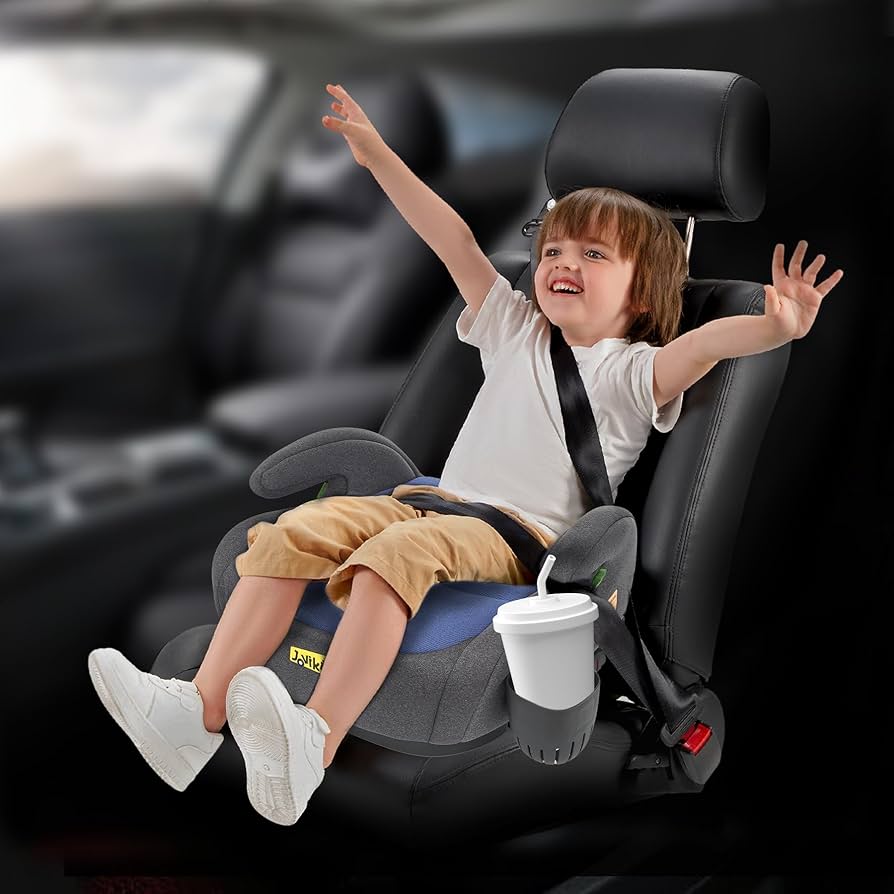
Keeping kids safe in the car is very important. One way to do this is by using the right car seat. Parents often ask, “When should I put my child in a booster seat?” This article will help you understand the best time to switch your child to a booster seat. We will also explain why booster seats are important and how to use them correctly.
What Is a Booster Seat?
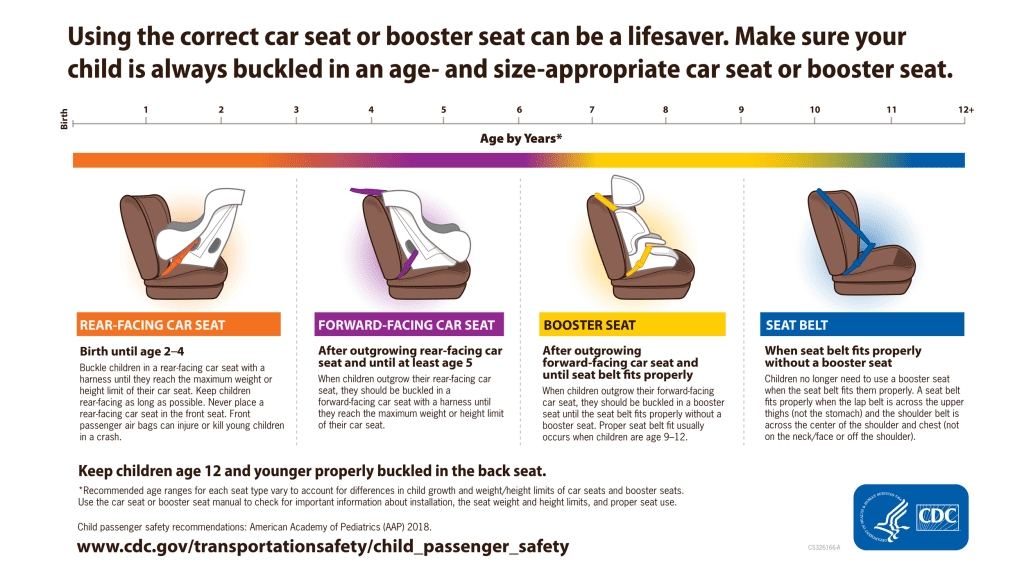
A booster seat is a special seat for children. It helps the car’s seat belt fit the child properly. When kids grow too big for a car seat with a harness but are still too small for a regular seat belt, they need a booster seat.
The booster seat raises the child up. This makes the seat belt fit over their shoulder and lap. Without a booster seat, the seat belt might not protect the child well in a crash.
Why Are Booster Seats Important?
- Better seat belt fit: Booster seats make the belt fit right.
- More protection: They help protect the child’s body in an accident.
- Comfort: Booster seats make kids feel more comfortable.
- Legal rules: Many places require booster seats by law.
Using a booster seat lowers the risk of injury. It helps keep children safe while traveling.
When Should Kids Start Using a Booster Seat?
There is no one exact age for all kids. But there are some rules parents can follow. These rules help know when to move a child to a booster seat.
Age Guidelines
Most children start using a booster seat between 4 and 8 years old. But age is not the only thing to think about.
Weight And Height Guidelines
Besides age, check your child’s weight and height. Usually, kids should use a booster seat when:
- They weigh between 40 and 80 pounds (18 to 36 kg).
- They are shorter than about 4 feet 9 inches (145 cm).
If the child is smaller than these, they still need a car seat with a harness. If they are bigger, they might use a regular seat belt without a booster.
Other Signs Your Child Is Ready
- The harness no longer fits well.
- The child’s shoulders are above the car seat’s top slots.
- The child sits well and still stays in the booster.
It is important not to rush this change. The child must be ready to sit safely in a booster seat.

Credit: www.youtube.com
How to Tell If a Booster Seat Fits Well
Making sure the booster seat fits is very important. You want the seat belt to be in the right place on the child’s body. Here is how to check:
| Seat Belt Part | Where It Should Fit on Child |
|---|---|
| Lap belt | Low on hips, touching the thighs |
| Shoulder belt | Across the middle of the shoulder and chest |
If the belt is too high on the stomach or neck, the booster seat is not fitting right. The child might get hurt in an accident.
Types of Booster Seats
There are two main types of booster seats. Parents can choose the one that suits their child best.
High-back Booster Seats
- Have a back and head support.
- Good for cars without headrests.
- Help keep the belt in place better.
Backless Booster Seats
- No back support, just a seat cushion.
- Light and easy to move between cars.
- Good for cars with high seat backs or headrests.
Both types help the seat belt fit well. Choose based on your car and your child’s needs.
How Long Should Kids Stay in Booster Seats?
Kids should stay in booster seats until they are big enough for a seat belt. This usually means they are at least 4 feet 9 inches tall. They also need to be old enough to sit properly with the seat belt.
Most kids will use booster seats until 8 to 12 years old. But size matters more than age. Always check if the seat belt fits right before moving out of the booster.
Important Safety Tips for Booster Seats
Using a booster seat correctly is very important. Here are some tips to keep your child safe:
- Always follow the booster seat’s instructions.
- Make sure the seat belt fits over the child’s body well.
- Check that the booster seat is secure in the car.
- Never put the shoulder belt behind the child’s back or under the arm.
- Keep children in the back seat. It is safer than the front.
Remember, safety is the goal. A booster seat is only good if used the right way.
When NOT to Use a Booster Seat
Booster seats are not for very small children. If your child still uses a harness car seat, do not switch yet. Also, very tall or heavy children may not need a booster seat.
Here are some signs your child is NOT ready for a booster seat:
- Weighs less than 40 pounds (18 kg).
- Is shorter than 40 inches (102 cm).
- Cannot sit still without slouching.
If these are true, keep using a car seat with a harness until your child grows more.
Credit: vitalcarevisions.de
Summary: When to Put Kids in Booster Seat
| Factor | Booster Seat Ready When… |
|---|---|
| Age | About 4 to 8 years old |
| Weight | Between 40 and 80 pounds (18 to 36 kg) |
| Height | Shorter than 4 feet 9 inches (145 cm) |
| Car Seat Fit | Harness no longer fits well |
| Seat Belt Fit | Belt fits properly on hips and shoulder with booster |
Always check local laws. They may have rules about booster seats. The most important thing is your child’s safety.
Final Thoughts
Using a booster seat at the right time keeps kids safer in cars. It helps the seat belt protect their bodies better. Don’t rush. Wait until your child is ready. Make sure the booster fits well. Follow safety rules and keep kids in the back seat. This way, your child will travel safely every time.
Frequently Asked Questions
At What Age Should Kids Use A Booster Seat?
Kids usually start booster seats at 4 to 7 years old, depending on size and maturity.
How Tall Should A Child Be For A Booster Seat?
Children should be about 4 feet 9 inches tall to switch to a booster seat safely.
Why Are Booster Seats Important For Kids?
Booster seats keep seat belts in the right place, protecting kids during car rides.
How Long Can A Child Stay In A Booster Seat?
Kids can use booster seats until they fit adult seat belts properly, usually around 8-12 years.