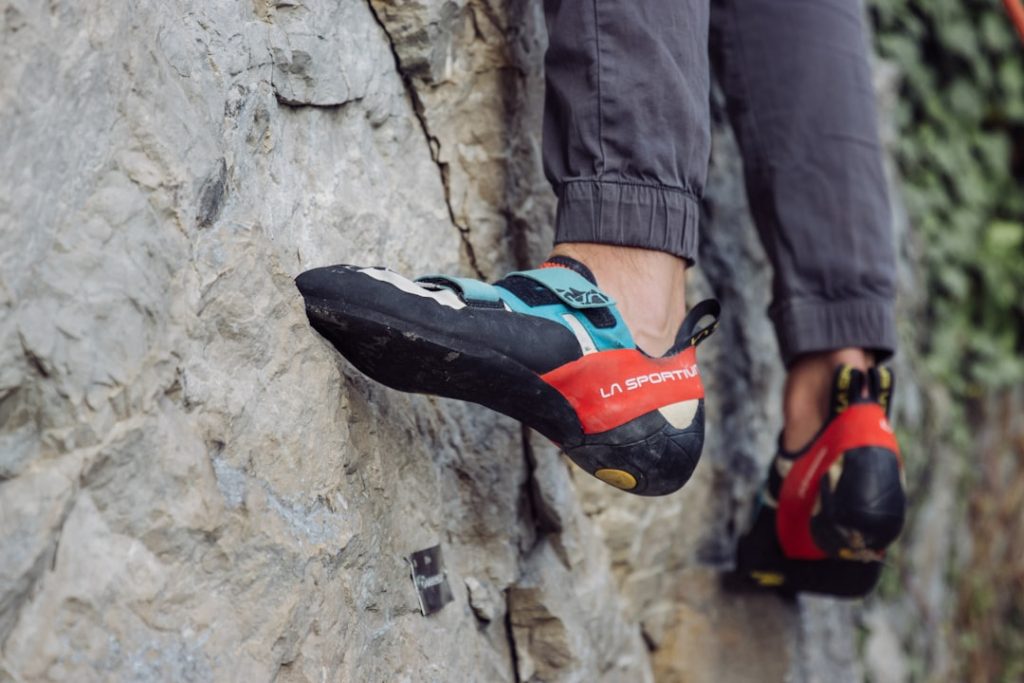
Have you ever wondered if your climbing shoes are holding you back? Knowing when to replace climbing shoes can make a huge difference in your performance and comfort on the wall.
Worn-out shoes can cause pain, reduce grip, and even increase your risk of injury. But how do you tell when it’s time to get a new pair? You’ll discover clear signs to watch for and simple tips to help you decide the perfect moment to upgrade your gear.
Keep reading to make sure your climbing shoes are always working for you—not against you.
Worn Out Soles
Climbing shoes get worn out with use. The soles often wear down first.
Worn out soles reduce grip and make climbing unsafe. It is important to know when to replace them.
Signs Of Worn Soles
Look for thin or smooth spots on the soles. These areas lose friction and can cause slipping.
- Soles feel hard and slick instead of sticky
- Visible holes or tears appear
- Edges no longer sharp or defined
- Rubber peels away from the shoe body
Risks Of Using Worn Soles
Worn soles make it harder to hold on to small footholds. This can lead to falls and injuries.
They also wear out faster and may damage the shoes beyond repair.
When To Replace Your Climbing Shoes
| Condition | Action |
| Thin spots on soles | Consider resoling or replacing |
| Holes or tears | Replace immediately |
| Rubber peeling | Repair or replace soon |
| Loss of grip | Replace shoes |

Credit: www.reddit.com
Loss Of Grip
Climbing shoes rely on their grip to help you hold onto rocks and walls. Over time, the rubber sole wears down. This reduces the shoe’s ability to stick to surfaces.
Knowing when your shoes lose grip is important. Worn shoes can make climbing harder and less safe.
Signs Of Worn Rubber
The rubber on climbing shoes gets smooth and shiny after use. This means it has lost its tackiness. Shoes with worn rubber slip more easily on holds.
You can check by feeling the sole. If it feels hard and slick, it needs replacement or resoling.
Reduced Friction On Holds
Good grip creates friction between shoe and rock. Worn shoes have less friction. This makes it hard to stay balanced and secure.
- Slips on small edges
- Less control on smears
- More foot adjustments needed
Impact On Climbing Performance
Loss of grip affects your climbing moves. You may miss foot placements or feel unstable. This lowers confidence and safety.
Replacing shoes with worn rubber helps you climb better and reduces the risk of falls.
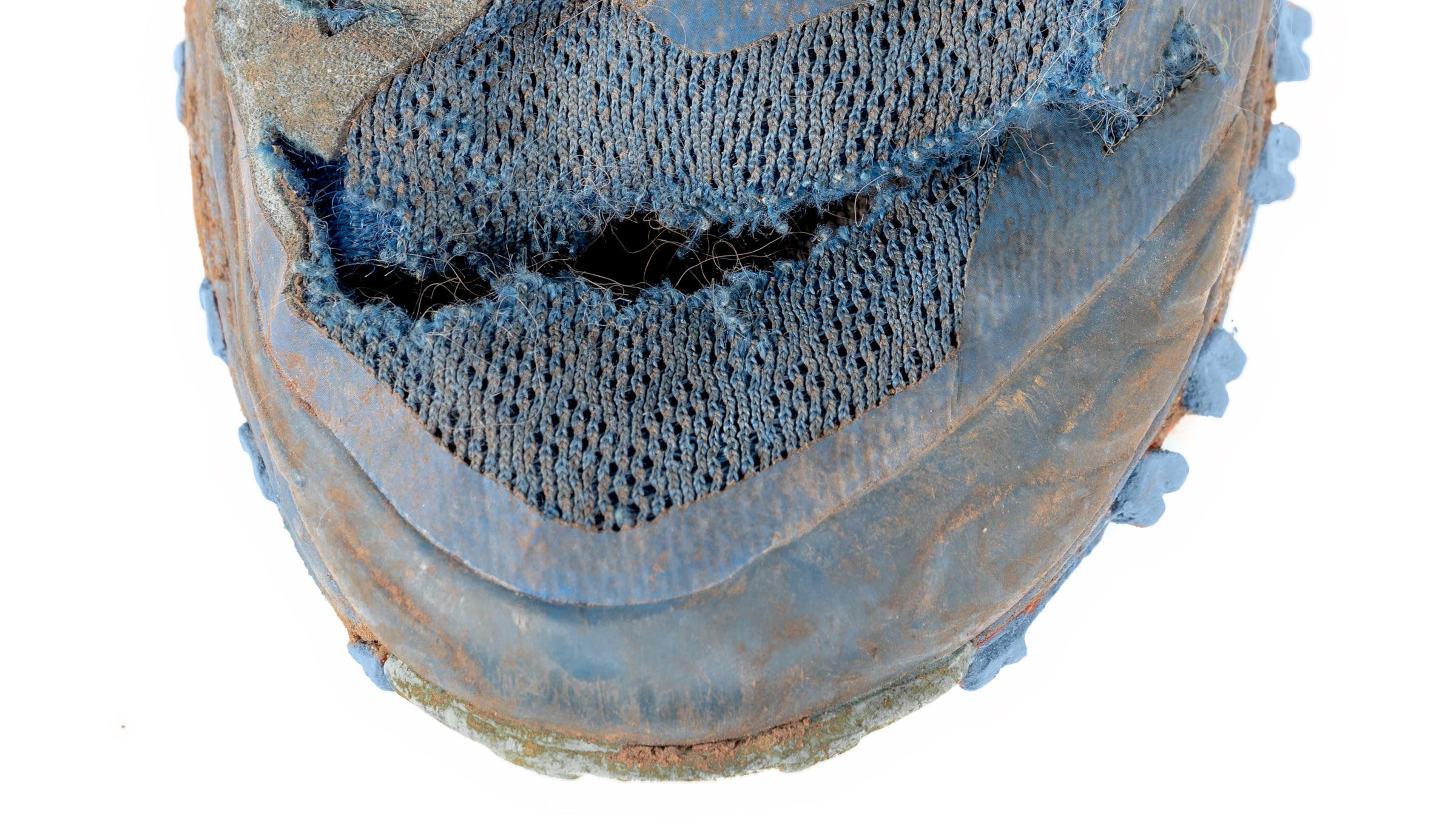
Visible Holes Or Tears
Climbing shoes face a lot of wear and tear. Visible holes or tears show the shoes are damaged.
These issues affect the shoe’s performance and your safety. Knowing when to replace them is important.
Why Visible Holes Matter
Holes let dirt and moisture inside the shoe. This can make your feet uncomfortable and cold.
Holes can also reduce the shoe’s grip. This makes climbing harder and less safe.
Types Of Tears To Watch For
Some tears are worse than others. Small rips may be fixed, but big tears need new shoes.
- Rips in the upper fabric
- Separation of seams
- Damage to the rubber sole
- Holes near the toe or heel
When To Replace Your Shoes
Replace shoes if holes or tears let your foot touch the inside. This means the shoe lost protection.
If the damage affects the shoe’s fit or grip, it is time for new climbing shoes. Do not wait too long.
Damaged Rand
The rand is the thick rubber strip that wraps around climbing shoes. It protects the shoe and helps with tight fits.
Over time, the rand can get worn, torn, or separated. This damage affects performance and safety.
Signs Of A Damaged Rand
Look closely at your climbing shoes to find damage early. Common signs include cracks, holes, and loose edges.
- Cracks in the rubber around the toe or heel
- Separation between the rand and the shoe upper
- Holes or worn spots exposing the shoe material
- Rubber peeling off or fraying edges
Why Replace Shoes With A Damaged Rand
A damaged rand reduces shoe performance. It lowers grip and foot support on small holds.
It also increases the risk of injury. The shoe might fail or cause your foot to slip.
Repair Or Replace?
Small rand damage can sometimes be fixed by resoling or patching. But big damage needs a new pair.
| Damage Type | Recommended Action |
| Small cracks or peeling | Resole or patch |
| Separation from upper | Resole or professional repair |
| Large holes or tears | Replace shoes |
| Worn down rand thickness | Replace shoes |
Loose Fit
Climbing shoes should fit snugly to give you control. A loose fit reduces your grip and makes climbing harder.
Knowing when to replace climbing shoes with a loose fit helps keep you safe and comfortable.
Signs Your Shoes Are Too Loose
Shoes that feel loose may slip off or cause blisters. You might notice less precision on holds.
- Shoes slide on your feet when you move
- Excess space inside the toe box
- Heel slips out during climbs
- Blisters or hot spots on your feet
Why Loose Climbing Shoes Affect Performance
Loose shoes reduce your ability to feel the rock. You lose power and control during climbs.
Proper fit helps you use small footholds and edges more effectively.
When To Replace Loose Climbing Shoes
Replace your shoes if they no longer hold your foot tight. Old shoes stretch and lose shape over time.
- Shoes slip off easily even when tightened
- Noticeable gaps inside the shoe
- Reduced climbing performance
- Increased foot pain or discomfort
Tips To Prevent Shoes From Becoming Loose
Keep shoes dry and store them well to reduce stretching. Use shoe trees to keep their shape.
- Dry shoes after each use
- Store shoes away from heat
- Use shoe trees or stuff with paper
- Replace worn insoles if possible

Credit: www.reddit.com
Unpleasant Odor
Climbing shoes can develop a bad smell after long use. This odor comes from sweat and bacteria inside the shoe.
A strong smell may mean it is time to replace your climbing shoes. Wearing smelly shoes can cause discomfort and affect your climbing experience.
Causes Of Bad Odor
Sweat from your feet stays inside the shoes. Bacteria grow on the damp surface and cause the smell.
Old shoes have worn materials that trap moisture. This makes odor harder to remove.
- Foot sweat trapped in shoes
- Bacteria growing in damp areas
- Worn shoe materials holding moisture
Signs To Replace Shoes Due To Odor
If cleaning does not remove the smell, replacement is needed. Persistent odor shows shoe materials are damaged.
Replacing shoes helps keep feet healthy and fresh. It also improves comfort and performance while climbing.
- Odor remains after washing
- Materials feel damp or weak
- Uncomfortable smell inside shoes
How To Reduce Odor Before Replacing
Dry your shoes after each use. Air them out in a dry place to stop bacteria growth.
Use baking soda or shoe sprays to absorb odor. Regular cleaning helps but may not fix old shoes.
- Dry shoes completely after climbing
- Use baking soda inside shoes
- Try sprays made for shoe odor
- Wash shoes carefully when possible
Pain Or Discomfort
Climbing shoes should fit well and feel comfortable. Pain or discomfort can signal it’s time to replace them.
If your shoes hurt your feet, they may have lost support or changed shape. This affects your climbing ability.
Heel Pain
Pain in the heel area often means the shoe’s padding or structure has worn out. Old shoes lose their cushioning.
This can cause blisters or soreness. Replacing shoes can prevent injury and improve comfort.
Toe Discomfort
Too much pressure on your toes causes pain or numbness. Worn shoes may no longer fit properly.
When toes hurt, your climbing performance drops. New shoes help keep toes protected and supported.
Foot Arch Pain
If your foot arch aches, the shoe’s support might be failing. This can happen as shoes age and lose shape.
Replacing shoes restores arch support and reduces foot strain during climbs.
Blisters And Hot Spots
Frequent blisters or hot spots mean your shoes no longer fit well. Worn materials cause friction on your skin.
New climbing shoes reduce these issues by fitting snugly and offering better protection.
Frequent Resoling
Climbing shoes wear out over time, especially the soles. Resoling is a way to fix the shoe by replacing the worn sole. Many climbers resole their shoes often to keep them in good shape.
Knowing when to resole your climbing shoes helps you climb safely and comfortably. This guide explains the signs of frequent resoling and what to watch for.
Signs You Need To Resole
You should think about resoling your climbing shoes when the sole gets thin or holes appear. Worn soles reduce grip and make climbing harder. Check your shoes often for these signs.
- Thin spots on the sole
- Holes or tears in the rubber
- Sole peeling away from the shoe
- Loss of stickiness and grip
Benefits Of Resoling Often
Frequent resoling keeps your shoes in top condition. It saves money over buying new shoes and helps maintain good climbing performance. Resoling can extend the life of your favorite pair.
| Benefit | Details |
|---|---|
| Improved Grip | New soles provide better traction on rock surfaces |
| Comfort | Shoes feel snug and supportive with fresh soles |
| Cost Effective | Resoling costs less than buying new shoes |
| Eco Friendly | Extends shoe life, reducing waste |
How Often To Resole
How often you resole depends on how much you climb and your shoe type. Some climbers resole every few months. Others wait longer. Watch your shoe’s condition to decide.
- Check soles after every few climbs
- Look for thinning or damage
- Resole before holes get too big
- Keep shoes clean to help soles last
Advancements In Technology
Climbing shoes have seen many changes thanks to new technology. These changes help climbers perform better and feel more comfortable.
Technology also affects when you should replace your climbing shoes. New materials last longer but show wear differently.
Improved Materials
Modern climbing shoes use stronger rubber and better fabrics. These materials resist damage and keep their shape longer.
Because of this, shoes may look fine but lose grip. Watch how the rubber feels on the rock, not just the look.
Enhanced Comfort Features
New designs include softer liners and better padding. These features make shoes more comfortable for longer climbs.
Comfort changes can show when shoes start to wear out. If shoes feel less snug, it may be time to replace them.
Advanced Sole Technology
Soles now use special rubber compounds that improve grip and durability. These soles wear differently than old ones.
Check soles for thinning or hard spots. These signs mean the sole is less effective, so replace the shoes soon.
Innovative Shoe Shapes
New shoe shapes help with specific climbing styles. They may fit tighter or have more curve for better toe power.
Shape changes affect how shoes wear. If the shape feels off or less supportive, it might be time for new shoes.
Credit: www.backpacker.com
Frequently Asked Questions
When Should I Replace My Climbing Shoes?
Replace climbing shoes when the rubber sole wears thin or holes appear. Also, replace if the fit loosens or comfort decreases. Worn shoes reduce grip and performance, risking safety. Regularly inspect your shoes to maintain optimal climbing ability and prevent injury.
How Do Worn Climbing Shoes Affect Performance?
Worn climbing shoes lose rubber thickness, reducing grip on holds. This decreases precision and control during climbs. Damaged shoes can cause discomfort and foot instability. Replacing shoes timely ensures better traction, comfort, and overall climbing efficiency.
Can Damaged Climbing Shoes Cause Injuries?
Yes, damaged shoes can cause slips and foot injuries. Thin soles reduce protection against sharp edges. Poor fit from stretched shoes leads to blisters or joint strain. Replacing shoes prevents accidents and maintains foot health during climbs.
How Often Should I Check My Climbing Shoes?
Check climbing shoes before every climbing session. Look for sole wear, holes, and stretched material. Early detection of damage helps maintain performance and safety. Regular inspection extends shoe lifespan by allowing timely repairs or replacement.
Conclusion
Worn-out climbing shoes can hurt your performance and safety. Watch for holes, stretched soles, or loss of grip. Shoes that no longer fit well cause discomfort and reduce control. Replacing shoes on time keeps your climbs smooth and secure. Trust your feel and check your shoes often.
Good shoes support every step and hold. Keep climbing fun and safe by knowing when to replace your shoes.