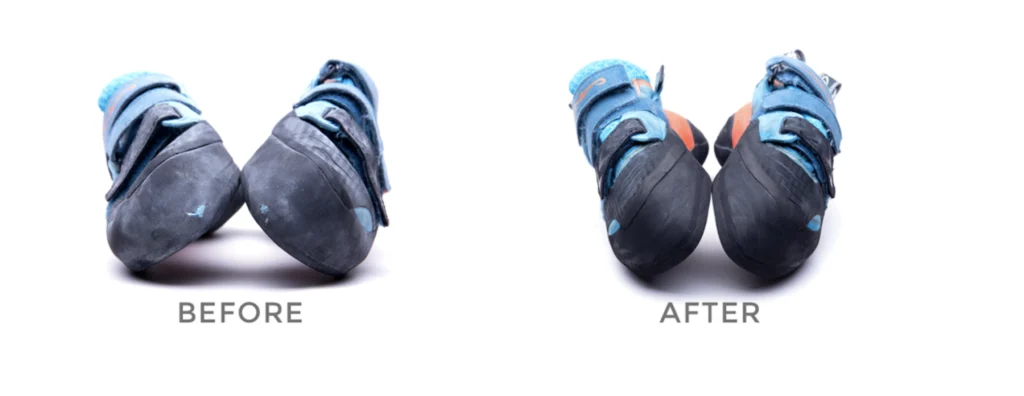
You love climbing, and your shoes are your most trusted gear. But how do you know when it’s time to resole them?
Ignoring worn-out soles can hurt your grip, safety, and overall performance on the wall. If you want to climb better and avoid costly mistakes, understanding when to resole your climbing shoes is key. Keep reading to discover the signs your shoes need fresh soles and how this simple step can boost your climbing experience.

Credit: www.reddit.com
Signs Your Climbing Shoes Need Resoling
Climbing shoes wear out over time, especially on the soles. Knowing when to resole helps keep your shoes safe and effective. Watch for signs that the soles are no longer in good shape.
Resoling your shoes at the right time can save money and improve your climbing experience. Look closely at the soles and fit to decide if it is time for resoling.
Worn Out Soles
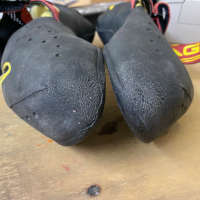
Soles that look very thin or smooth show wear. When the rubber wears down, the shoe loses its protection. Worn soles can also damage the climbing surface.
Check the edges and toe areas closely. If the rubber is almost gone or very thin, it is time to resole. Resoling adds new rubber to the sole, restoring its thickness.
Reduced Grip Performance
If your shoes slip more often, the grip might be worn out. Old rubber loses its stickiness and does not grip rock or indoor holds well. This can make climbing harder and less safe.
Try cleaning the soles first, but if grip stays weak, resoling will bring back traction. New rubber improves your control and confidence on climbs.
Visible Holes Or Tears
Look for holes or tears in the sole or shoe upper. These damage points let moisture in and weaken the shoe structure. Holes on the sole can make climbing unsafe.
Small holes can quickly get bigger. Resoling fixes the sole and often repairs the shoe upper too. This extends the life of your climbing shoes.
Uncomfortable Fit Changes
Shoes stretch and change shape with use. If your shoes feel loose or misshaped, it might be due to worn soles or stretched materials. A poor fit reduces performance and comfort.
Resoling can help restore the shoe’s shape and support. If the fit is very different, consider resoling before buying new shoes.

Credit: www.reddit.com
Factors Affecting Shoe Wear
Climbing shoes wear out over time based on several factors. Knowing these helps you decide when to resole your shoes. Proper timing keeps your shoes safe and effective.
Each factor plays a role in how fast the soles break down. Understanding these can save money and improve climbing comfort.
Climbing Frequency
The more often you climb, the faster your shoes wear out. Frequent climbing causes more friction on the soles and edges.
- Daily climbers may need resoling every few months.
- Weekly climbers might resole once or twice a year.
- Casual climbers can wait longer between resoles.
Climbing Style
Different climbing styles affect shoe wear differently. Styles that use more toe and edge work wear soles faster.
| Style | Wear Pattern | Impact on Sole |
|---|---|---|
| Bouldering | High toe and edge pressure | Fast wear on toe and edges |
| Sport Climbing | Mixed foot placement | Moderate wear overall |
| Trad Climbing | Balanced foot use | Slower wear, more even |
Shoe Material Quality
Shoe materials affect durability. High-quality rubber and leather last longer than cheaper materials.
Here are common materials and their durability:
- Sticky rubber:Great grip, wears out faster.
- Hard rubber:Less grip, lasts longer.
- Full-grain leather:Durable, molds to foot.
- Synthetic fabrics:Lightweight but less durable.
Risks Of Delaying Resoling
Climbing shoes wear out with use. If you delay resoling, it can cause problems. Timely resoling keeps your shoes safe and effective.
Ignoring worn-out shoes can lead to risks. These risks affect your health and climbing performance.
Injury Risks
Worn-out soles make climbing unsafe. You may slip and fall. Old shoes lack grip on surfaces.
Injuries from falls can be serious. Protect yourself by keeping soles in good condition.
- Slipping on rocks
- Increased chance of falls
- Foot injuries from poor support
Shoe Damage Escalation
Delaying resoling causes more damage to shoes. The longer you wait, the worse it gets.
Replacing shoes becomes costly if damage is severe. Resoling early prevents expensive repairs.
- Worn soles lead to holes
- Upper shoe fabric can tear
- Increased repair costs
Reduced Climbing Efficiency
Old soles make climbing harder. Shoes lose their shape and grip.
New soles improve your climbing efficiency. Fresh shoes help you climb longer and better.
- Poor grip affects performance
- Feet tire quickly
- Difficulty in technical climbs
How To Extend Shoe Life
Climbing shoes wear out over time. Resole your shoes to keep them working well. You can make your shoes last longer with some care.
Taking care of your shoes helps you climb safely and saves money. Here are ways to keep your climbing shoes in good shape.
Proper Cleaning And Maintenance
Keep your climbing shoes clean to stop damage. Dirt and sweat can break down the materials. Clean your shoes after each use.
Use a soft brush or cloth to remove dirt. Avoid soaking your shoes in water. Let them dry naturally in a cool place.
- Remove dirt and dust regularly
- Wipe inside to reduce sweat smell
- Air dry shoes away from heat
- Check for loose seams or damage
Rotating Shoes
Using one pair of climbing shoes all the time wears them out fast. Rotate between two or more pairs to give shoes time to rest.
Resting shoes helps the materials recover their shape. It also prevents bad odors and reduces wear in one spot.
- Use one pair for a few climbs
- Switch to another pair the next day
- Store shoes in a cool, dry place
- Rotate shoes to balance wear
Avoiding Harsh Surfaces
Hard surfaces like rocks and rough concrete can damage shoe soles. Avoid walking on these surfaces with climbing shoes on.
Use your climbing shoes only for climbing and smooth surfaces. This stops the rubber from wearing out too fast.
- Walk carefully on soft or smooth surfaces
- Take shoes off when not climbing
- Keep shoes away from sharp or rough ground
- Use shoes only for their purpose
Choosing The Right Resoling Service
Resoling climbing shoes can save money and extend their life. Picking the best service matters for quality and fit.
Think about your needs before choosing between local and online resoling options. This guide helps you decide.
Local Vs. Online Options
Local shops let you talk to the cobbler and see your shoes in person. Online services may offer more choices and send you instructions.
- Local shops provide quick communication and personal service.
- Online services offer wider resoling styles and sometimes lower prices.
- Shipping time and costs add to online resoling.
- Local repair shops may require you to wait or make an appointment.
Cost Considerations
| Service Type | Average Cost | Additional Fees |
| Local Resoling | $40 – $70 | Usually no shipping fees |
| Online Resoling | $35 – $65 | Shipping both ways ($10 – $25) |
Costs vary based on rubber type and shoe condition. Include shipping fees for online services when budgeting.
Turnaround Time
Turnaround time depends on the service and demand. Local shops may offer faster service but could have waitlists.
- Local resoling: often 1 to 2 weeks
- Online resoling: usually 2 to 4 weeks including shipping
- Rush service may be available at extra cost
Credit: www.uncarvedblock.com.au
Frequently Asked Questions
When Should I Resole My Climbing Shoes?
Resole climbing shoes when the rubber sole is thin or worn out. Check for holes, reduced grip, or discomfort. Resoling restores performance and extends shoe life, improving safety and climbing experience.
How Do I Know If My Climbing Shoes Need Resoling?
Look for smooth, shiny spots or holes on the sole. If rubber thickness is less than 2mm or grip feels poor, it’s time. Also, check for sole separation or uneven wear.
Can Resoling Improve Climbing Shoe Performance?
Yes, resoling restores rubber grip and sole stiffness. Fresh rubber enhances traction and precision, making climbs safer and easier. It also preserves shoe fit and comfort, extending its useful life.
How Often Should I Resole Climbing Shoes?
Resole every 6 to 12 months with regular use, or sooner if soles wear quickly. Frequency depends on climbing style, shoe type, and usage. Inspect soles regularly to decide the best time.
Conclusion
Worn-out soles make climbing shoes less safe and less fun. Resole your shoes when the rubber gets thin or holes appear. Good timing helps save money and keeps your feet comfortable. Don’t wait too long to fix them. Taking care of your shoes means better grip and longer use.
Keep an eye on how your shoes feel and perform. A small repair today can prevent bigger problems tomorrow. Climbing is safer and more enjoyable with well-maintained shoes.