
Parents often ask, “When should my child start using a sippy cup?” This is a good question. Moving from a bottle to a sippy cup is an important step for your child. It helps them learn to drink more like a big kid. But knowing the right time can be tricky.
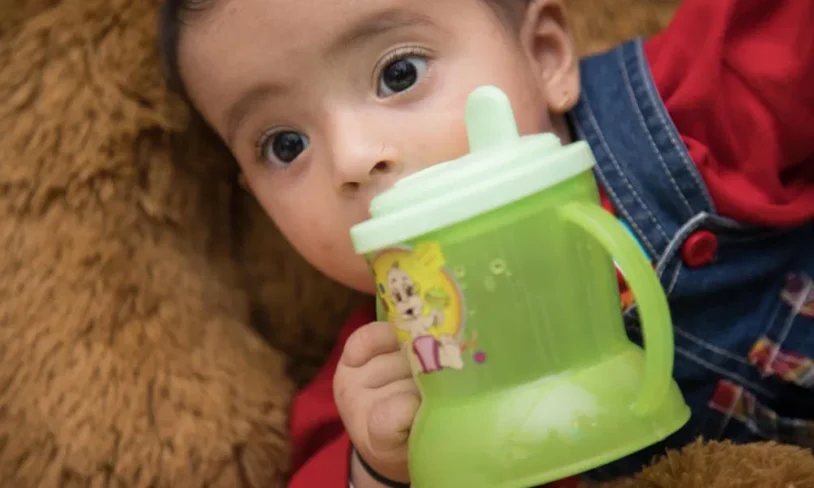
Credit: www.beststartpediatrics.com
Why Move to a Sippy Cup?
Babies usually start with bottles or breastfeeding. These ways are good for their first months. But after some time, bottles can cause problems. For example, too much bottle use can hurt baby teeth. Also, babies need to learn how to drink from cups. This skill helps them grow strong muscles in their mouth.
A sippy cup is a good middle step. It is easier than a regular cup but harder than a bottle. It helps the child learn to drink without spilling.
Signs Your Child Is Ready
Every child is different. But here are some signs your child might be ready for a sippy cup:
- Your child can sit up well without help.
- Your child shows interest in what you drink.
- Your child can hold a cup with both hands.
- Your child tries to bite or chew on the bottle nipple.
- Your child drinks less from the bottle and more from a spoon or cup.
Most children start showing these signs between 6 and 9 months old. This is the common time to try a sippy cup.

Credit: organiclifestart.com
Benefits of Using a Sippy Cup Early
Using a sippy cup has many benefits:
- Helps develop mouth muscles for talking and eating.
- Reduces risk of tooth decay from bottle use.
- Teaches independence and self-feeding skills.
- Prepares child for drinking from a regular cup later.
- Limits spills and mess compared to an open cup.
How to Introduce the Sippy Cup
Introducing a sippy cup can be easy if done right. Follow these steps:
- Choose a sippy cup with soft spouts or straws.
- Fill the cup with water or breast milk initially.
- Show your child how to drink from the cup.
- Let your child hold the cup and try to drink.
- Offer the sippy cup at mealtime or snack time.
- Be patient. Learning takes time for babies.
When to Stop Using the Bottle
Many experts suggest stopping bottle use between 12 and 18 months. Some children may stop earlier or later. The key is to make sure your child drinks mostly from a cup by 18 months.
Keeping a bottle for too long can cause problems like:
- Tooth decay.
- Difficulty learning to drink from a cup.
- Dependence on the bottle for comfort.
Gradually replace bottles with sippy cups. You can start by replacing one bottle feeding a day. Then slowly switch more.
Choosing the Right Sippy Cup
There are many types of sippy cups. Some have hard spouts. Others have soft spouts or straws. Some have handles. Here are some tips to choose the best cup:
| Type | Best For | Notes |
|---|---|---|
| Soft Spout | Babies new to sippy cups | Gentle on gums, easy to use |
| Hard Spout | Older toddlers | More like a regular cup |
| Straw Cups | Babies who can sip well | Good for oral muscles |
| 360° Cups | Toddlers ready for open cups | No spout, helps transition |
Pick cups that are easy to clean. Avoid cups with many small parts. These can be hard to wash.
Tips for a Smooth Transition
Switching to a sippy cup can be smooth with these ideas:
- Let your child watch you drink from cups.
- Offer the sippy cup often, even if child refuses.
- Use the sippy cup for water or milk.
- Don’t force the child. Offer gently.
- Praise your child when they use the cup.
- Be patient. Some children take weeks to adjust.
Common Challenges and How to Solve Them
Some children may resist using a sippy cup. This is normal. Here are common problems and solutions:
| Problem | Solution |
|---|---|
| Child refuses the cup | Try different cup styles or flavors in the cup. |
| Spills and mess | Use spill-proof cups and supervise drinking. |
| Child prefers bottle comfort | Offer cuddles and comfort in other ways. |
| Child drinks less fluid | Offer sippy cup more often and at meal times. |
When to Move to a Regular Cup
After the sippy cup, your child should learn to drink from a regular cup. This usually happens between 18 and 24 months. Some signs your child is ready:
- Can hold a cup steadily.
- Can drink without spilling much.
- Shows interest in using a regular cup.
Use cups with handles at first. This helps grip. Encourage your child to practice often.
Final Thoughts
Moving from a bottle to a sippy cup is a big step. It helps your child grow and learn. There is no perfect time, but 6 to 9 months is common. Watch your child’s signs and be patient. Use soft spout cups first. Replace bottles slowly. Praise your child’s efforts.
Remember, every child moves at their own speed. Your love and support help most. Soon, your child will drink like a big kid.
Frequently Asked Questions
At What Age Should Babies Start Using A Sippy Cup?
Babies usually start using sippy cups around 6 to 9 months old for easier drinking.
How To Know If A Child Is Ready For A Sippy Cup?
Look for signs like sitting up well and showing interest in cups.
Can Sippy Cups Replace Bottles Completely?
Sippy cups can replace bottles gradually, usually by 12 to 18 months.
What Are The Benefits Of Switching To A Sippy Cup?
Sippy cups help develop drinking skills and reduce bottle dependency.