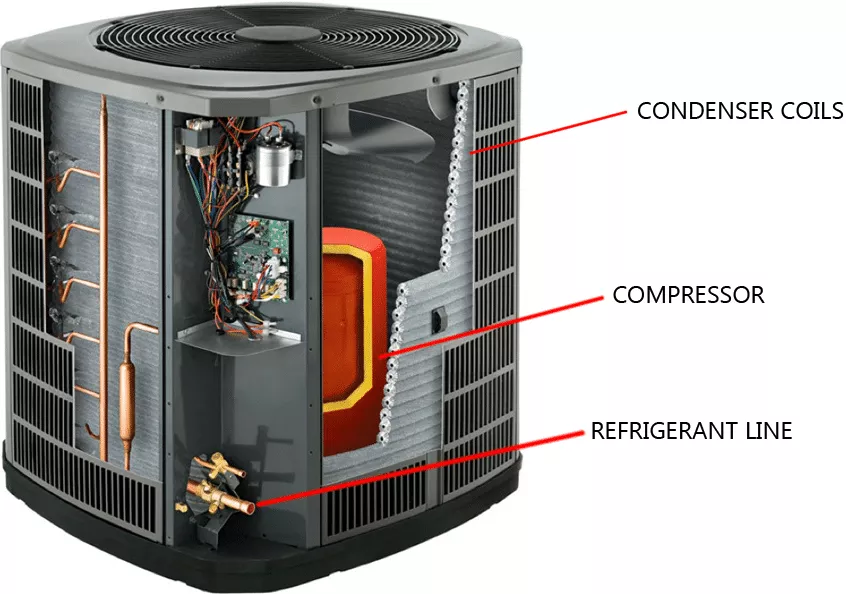
Have you ever wondered where the coils on your air conditioner are located and why they matter so much? Understanding these coils can help you keep your AC running smoothly and save you from costly repairs.
Whether you’re trying to clean your unit or just curious about how it cools your home, knowing where the coils are is the first step. Keep reading, and you’ll discover exactly where these important parts are and how they work to keep your space comfortable all year round.
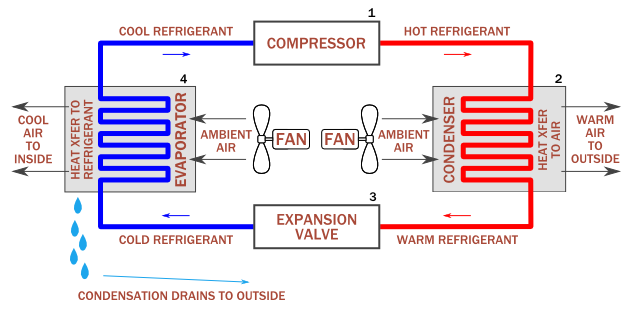
Credit: medium.com
Coil Types In Air Conditioners
Air conditioners use coils to move heat and cool the air. These coils are important parts of the system.
There are two main types of coils in an air conditioner. Each has a different job to keep your home cool.
Evaporator Coil
The evaporator coil is inside the house, usually near the air handler. It cools the air by absorbing heat from it.
The refrigerant inside the coil changes from liquid to gas. This change removes heat from the air passing over the coil.
- Located indoors
- Absorbs heat from the air
- Refrigerant evaporates inside the coil
- Cools the air before it enters rooms
Condenser Coil
The condenser coil is outside the house, usually in the outdoor unit. It releases heat that the evaporator coil absorbs.
The refrigerant changes from gas back to liquid in this coil. This process sends heat outside, cooling the refrigerant.
- Located outdoors
- Releases heat to the outside air
- Refrigerant condenses inside the coil
- Keeps the refrigerant cool for reuse
Indoor Coil Placement
The indoor coil is a key part of an air conditioner. It cools the air inside your home. This coil is usually placed in the air handler unit.
Knowing where the coil sits helps you understand how the cooling system works. It also helps with maintenance and repairs.
Location In The Air Handler
The indoor coil is inside the air handler or furnace. It sits near the blower fan. This position allows air to flow over the coil easily.
- The coil is mounted on top or inside the air handler.
- It connects to the outdoor unit with refrigerant lines.
- Air passes over the coil before it moves through the ducts.
- It needs enough space for air to flow freely.
- Proper placement helps the system work efficiently.
Role In Cooling Process
The indoor coil cools the warm air from your home. It uses refrigerant inside to absorb heat. This cools the air before it circulates indoors.
| Step | What Happens |
| 1 | Warm air enters the air handler. |
| 2 | Air passes over the cold indoor coil. |
| 3 | Refrigerant absorbs heat from the air. |
| 4 | Cooled air moves through the ducts. |
| 5 | Warm refrigerant goes outside to release heat. |
Outdoor Coil Position
The outdoor coil is a key part of an air conditioner. It sits outside the home in the condenser unit. Its position affects how well the system cools the air.
This coil helps move heat from inside your home to the outside air. Its location must allow good airflow and easy heat exchange.
Placement In The Condenser Unit
The outdoor coil is placed inside the condenser unit’s metal housing. It wraps around or sits near the compressor and fan. This setup helps the coil release heat efficiently.
- Coil surrounds the compressor to maximize cooling
- Fan blows air across the coil to remove heat
- Metal fins on the coil increase surface area
- Unit is placed in a shaded, ventilated spot outside
Importance For Heat Exchange
The coil’s position ensures good airflow and heat transfer. Air moves over the coil fins and carries heat away from the refrigerant inside.
| Factor | Effect on Heat Exchange |
|---|---|
| Coil Surface Area | More area means better heat release |
| Airflow Direction | Proper airflow removes heat quickly |
| Coil Location | Shaded and ventilated spot improves cooling |
| Cleanliness | Clean coils exchange heat better |
How To Access The Coils
Air conditioner coils help cool your home by absorbing and releasing heat. Knowing how to access them is important for cleaning and maintenance. This guide shows you the safe way to reach the coils.
Coils are usually located in the indoor air handler and outdoor condenser unit. You will need some tools and safety measures before starting.
Safety Precautions
Always follow these safety tips before you try to access the coils. This will keep you safe and protect the air conditioner.
- Turn off the power to the air conditioner at the breaker box.
- Wear gloves to avoid cuts from sharp metal edges.
- Use safety goggles to protect your eyes from dust and debris.
- Work in a dry area to prevent electrical hazards.
- Keep children and pets away from the work area.
Tools Needed
Gather these tools before you start to make the process easier and safer. Having the right tools helps you avoid damage to the coils.
| Tool | Purpose |
| Screwdriver | Remove panels and screws |
| Flashlight | See inside dark areas |
| Gloves | Protect hands from sharp edges |
| Safety goggles | Protect eyes from dust |
| Soft brush | Clean coil fins gently |
Step-by-step Access Guide
- Switch off power to the air conditioner unit at the main breaker.
- Locate the service panel on the indoor or outdoor unit.
- Use a screwdriver to remove the screws holding the panel in place.
- Carefully lift off the panel to expose the coils.
- Use a flashlight to inspect the coils for dirt and damage.
- Clean the coils gently with a soft brush if needed.
- Replace the panel and secure it with screws.
- Turn the power back on once the work is done.
Signs Of Coil Issues
Coils in an air conditioner help cool your home. They transfer heat from inside to outside. When coils have problems, your AC may not work well.
Look for signs of coil issues early. This can save you from bigger repairs later. Here are common signs to watch for.
Reduced Cooling Efficiency
If your AC is not cooling like before, the coils might be dirty or damaged. Dirty coils block airflow and reduce cooling power. Damaged coils can leak refrigerant, lowering performance.
- Air feels warmer than usual
- Longer run times to reach set temperature
- Higher energy bills without more use
- Uneven cooling in different rooms
Ice Formation
Ice can build up on the coils if airflow is poor or refrigerant is low. This blocks heat transfer and can stop cooling altogether. Ice on coils is a clear sign of trouble.
| Cause | Effect on Coils | Result |
| Dirty coils | Blocks airflow | Ice forms |
| Low refrigerant | Less heat transfer | Ice forms |
| Faulty fan | Reduced air movement | Ice builds up |
Leaks And Corrosion
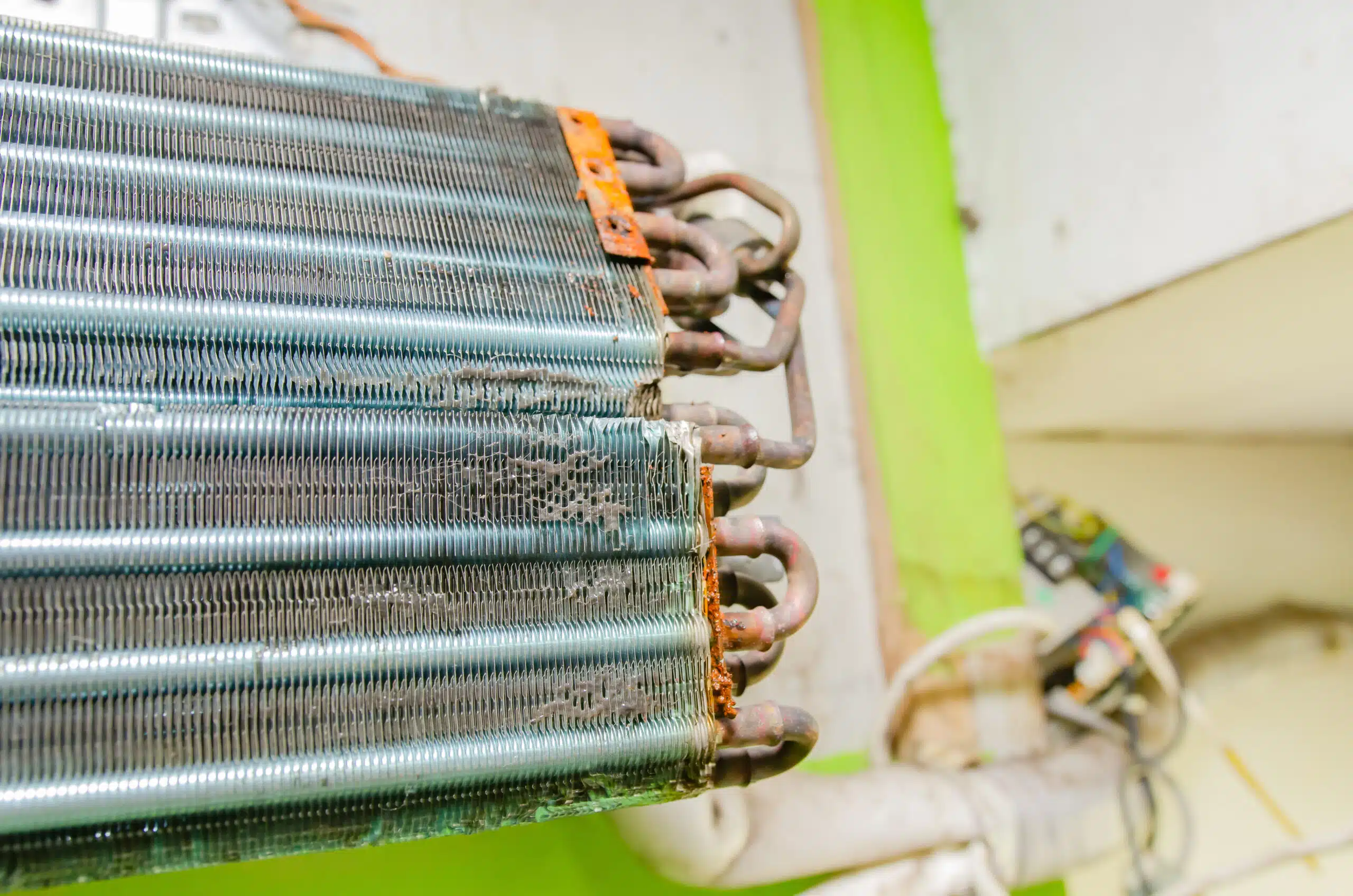
Coils can leak refrigerant or get rusty. Leaks lower cooling power and waste energy. Corrosion weakens coils and can cause holes or cracks.
Signs of leaks or corrosion include:
- Hissing sounds near the coils
- Visible rust or wet spots
- AC runs but does not cool well
- Higher energy bills
Credit: icebergcooling.com
Maintaining And Cleaning Coils
The coils in an air conditioner are essential for cooling your home. Keeping them clean helps your AC work well and last longer. Dirt and dust build-up can reduce efficiency and increase energy costs.
Regular maintenance of these coils prevents common problems. It also keeps your air conditioner running quietly and smoothly.
Regular Cleaning Tips
Clean the coils at least once a year. You can do this yourself if you follow safety steps. Always turn off power before cleaning.
- Remove debris and leaves around the outdoor unit.
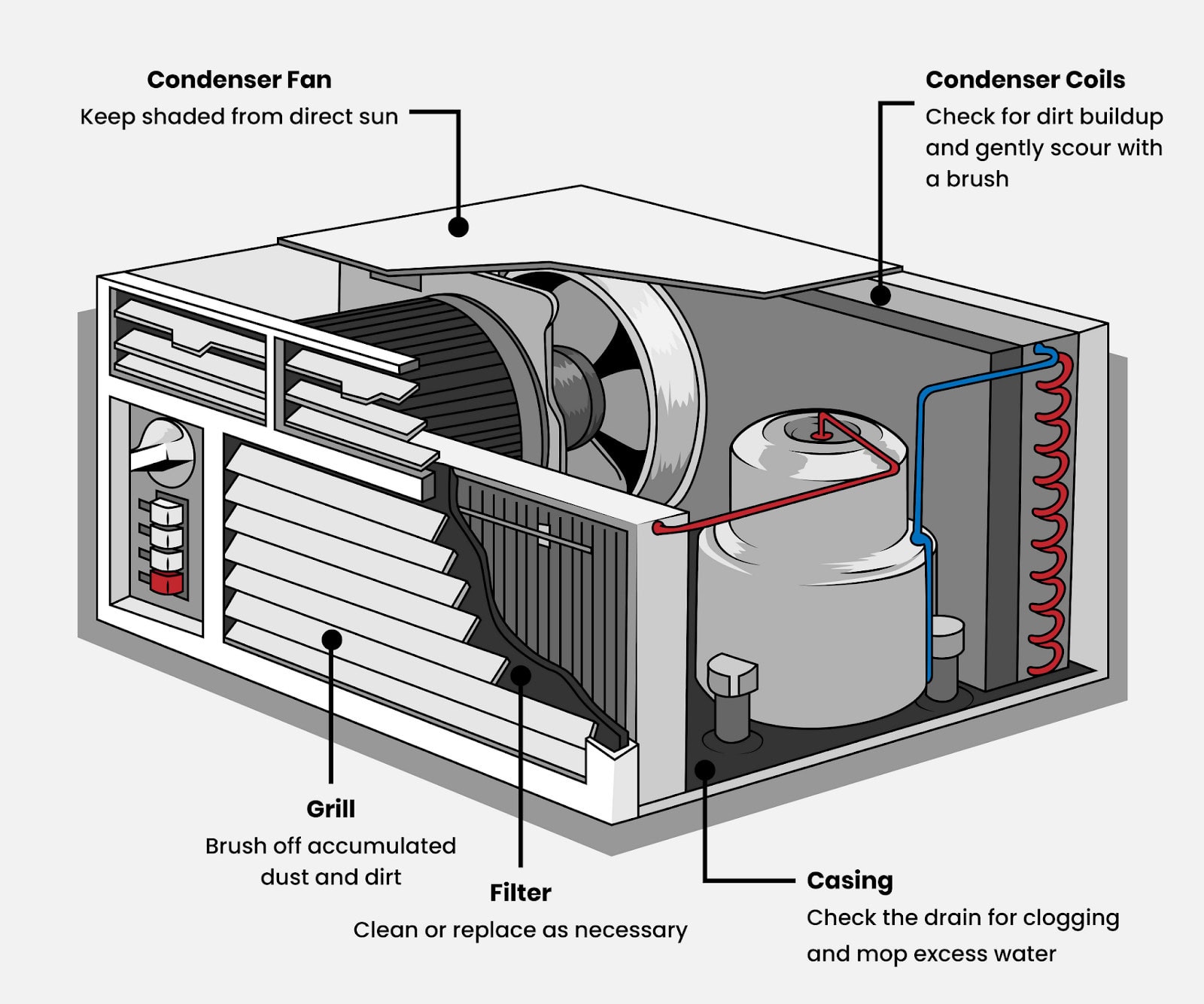
- Use a soft brush to clear dirt from the coils.
- Spray coils gently with a garden hose to wash off dust.
- Avoid using high-pressure water that can damage fins.
- Let the coils dry completely before restarting the AC.
When To Call A Professional
Some coil problems need expert care. Contact a technician if you notice low cooling or strange noises. Professionals can check for leaks and fix coil damage.
| Issue | Reason to Call a Professional |
| Coils heavily clogged with dirt | Needs deep cleaning beyond simple washing |
| Refrigerant leaks | Requires special tools and handling |
| Damaged fins or coils | Needs repair or replacement parts |
| Poor cooling performance | May indicate coil or system issues |
Coil Replacement Considerations
Coils are key parts of an air conditioner. They help cool your home by moving heat. Knowing when to replace them saves money and keeps the AC working well.
This guide covers when you should replace the coils and how to pick the right ones. It helps you make smart choices for your AC system.
When Replacement Is Necessary
Coils need replacement if they are leaking or badly damaged. Rust or corrosion can stop them from working. If cleaning does not fix cooling problems, new coils might be needed.
Signs to watch for include higher energy bills and poor cooling. A technician can test the coils for leaks or blockages. Old coils may also fail more often and cost more to fix.
- Visible rust or corrosion
- Refrigerant leaks around coils
- Reduced cooling performance
- Unusual noises from the AC
- High energy bills without reason
Choosing The Right Coil
Pick a coil that fits your air conditioner model. The size and type must match for best results. Using the wrong coil can cause poor cooling or system damage.
Look for coils made with durable materials. Copper coils last longer but cost more. Aluminum coils are cheaper but can corrode faster. Ask a professional if you are unsure.
- Match coil size to your AC unit
- Choose the right coil type (evaporator or condenser)
- Consider copper coils for long life
- Aluminum coils are budget-friendly
- Check coil compatibility with refrigerant type
Credit: blog.totalhomesupply.com
Frequently Asked Questions
Where Are The Coils Located On An Air Conditioner?
The coils are inside the air conditioner unit. The evaporator coil is inside near the indoor air handler. The condenser coil is outside in the outdoor unit. Both play crucial roles in heat exchange.
What Is The Function Of Air Conditioner Coils?
Coils transfer heat to cool your home. The evaporator coil absorbs heat from indoor air. The condenser coil releases heat outside. Together, they enable efficient cooling and temperature control.
How To Identify Evaporator And Condenser Coils?
Evaporator coils are inside the indoor unit, usually near the blower. Condenser coils are on the outdoor unit’s exterior. Evaporator coils are typically cold, while condenser coils are warm when running.
Why Do Air Conditioner Coils Need Cleaning?
Dirty coils reduce cooling efficiency and strain the system. Cleaning coils improves airflow and heat exchange. Regular maintenance prevents breakdowns and lowers energy bills. Clean coils extend your AC’s lifespan.
Conclusion
Locating air conditioner coils isn’t hard. Coils are crucial for cooling. You’ll find them inside and outside the unit. Indoor coils sit near the air handler. Outdoor coils are part of the condenser unit. Knowing their location helps in maintenance.
Clean coils ensure efficient cooling. Proper care extends your air conditioner’s life. Always check coils for dirt and damage. Regular cleaning prevents major issues. A well-maintained system works best. Simple checks can save on repairs. Understand your unit better. Stay comfortable and cool.