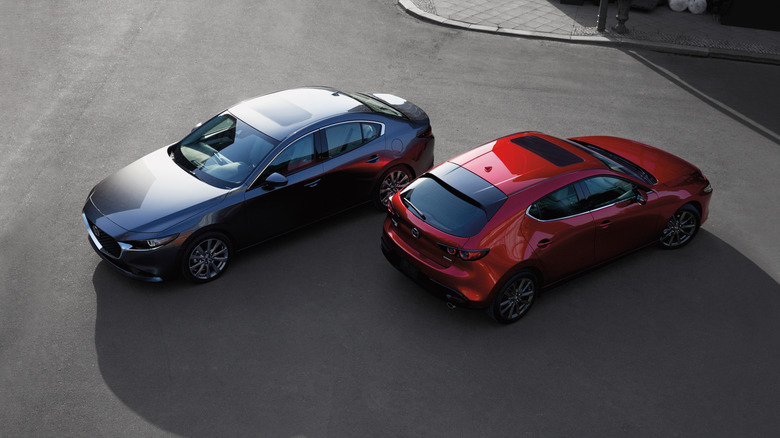
Have you ever wondered where your Mazda 3 is actually made? Knowing the origin of your car can give you a better sense of its quality and craftsmanship.
Whether you’re thinking about buying a Mazda 3 or just curious about its background, understanding where it’s manufactured can help you make smarter decisions. You’ll discover the key places Mazda builds this popular model and what that means for you as a driver.
Keep reading to learn the story behind the Mazda 3’s production and why it matters.
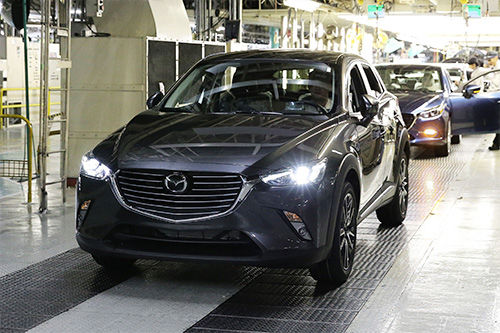
Credit: www.centennialmazda.ca
Mazda 3 Production Hubs
The Mazda 3 is more than just a popular compact car; it reflects Mazda’s global manufacturing strategy. Understanding where the Mazda 3 is produced helps you appreciate the care and precision behind each vehicle. The production hubs play a crucial role in delivering quality and performance that Mazda drivers expect worldwide.
Main Manufacturing Plants
Mazda’s primary manufacturing plant for the Mazda 3 is located in Hiroshima, Japan. This facility is known for its advanced production techniques and stringent quality control. It’s where many key components come together, ensuring the car meets Mazda’s high standards.
Another significant plant is in Mexico, specifically in Salamanca. This plant focuses on serving the North and South American markets. Producing Mazda 3 vehicles here reduces shipping times and costs, which can benefit you as a buyer through better availability and potentially lower prices.
Regional Assembly Facilities
To meet growing demand, Mazda uses regional assembly facilities in various countries. These plants handle final assembly tasks closer to local markets, speeding up delivery and allowing customization for regional preferences.
For example, in Thailand and China, regional facilities assemble the Mazda 3 to cater to Asian markets. This approach ensures the car fits specific market needs without compromising Mazda’s quality. Have you noticed how cars sometimes vary slightly depending on where they’re sold? This is why.
Japan: Mazda’s Heartland
Japan is the heartland of Mazda. This is where the Mazda 3 is born. The country is famous for its advanced technology and skilled workforce. Mazda has deep roots here, blending tradition with innovation.
Hiroshima Plant
The Hiroshima Plant is the core of Mazda’s operations. It stands as a symbol of precision and excellence. This plant is where the Mazda 3 begins its journey. It houses state-of-the-art facilities for production. Engineers and workers ensure every car meets high standards. The plant is a testament to Japanese craftsmanship.
Role In Global Supply
Japan plays a key role in Mazda’s global supply. The Hiroshima Plant exports the Mazda 3 worldwide. This distribution supports Mazda’s international presence. Efficient logistics ensure timely delivery across the globe. The plant’s output reflects Mazda’s commitment to quality. Japan’s role in Mazda’s success is undeniable.
North American Facilities
Mazda produces the Mazda 3 in several North American locations. These facilities help meet demand across the continent. They also support Mazda’s commitment to quality and efficiency. Each plant plays a key role in the manufacturing process.
Mexico Plant Contributions
Mazda’s plant in Salamanca, Mexico, is vital for Mazda 3 production. This facility uses advanced technology and skilled workers. It builds many Mazda 3 models for the North American market.
The Mexico plant focuses on:
- Efficient assembly lines
- High-quality standards
- Meeting local demand quickly
Producing cars in Mexico helps Mazda reduce shipping times and costs. This makes the Mazda 3 more accessible to customers in the region.
Usa Assembly Sites
Mazda also assembles the Mazda 3 in the USA. The plant in Huntsville, Alabama, handles production for many models. This site uses modern equipment and skilled labor.
Key features of the USA assembly sites include:
- Strong focus on quality control
- Integration with local suppliers
- Support for Mazda’s growing customer base
The Huntsville plant helps Mazda maintain fast delivery times. It ensures the Mazda 3 meets safety and performance standards in the U.S.
Asia-pacific Manufacturing
The Asia-Pacific region plays a vital role in producing the Mazda 3. Mazda focuses on efficient manufacturing to meet global demand. This region offers strategic advantages like skilled labor and access to key markets.
Several plants in Asia-Pacific handle the assembly and production of the Mazda 3. These facilities maintain high quality and use modern technology. They help Mazda deliver reliable vehicles across the world.
Thailand Production Center
Thailand is a major hub for Mazda 3 manufacturing in Asia. The plant operates with advanced equipment and strict quality controls. It produces a large number of Mazda 3 units yearly.
The location benefits from strong infrastructure and skilled workers. It supports Mazda’s goal to serve markets in Southeast Asia efficiently. The Thailand plant also exports vehicles to other regions.
Other Key Locations
Besides Thailand, Mazda 3 is made in other Asia-Pacific sites. These include plants in Japan and Malaysia. Each site focuses on specific models and production volumes.
Japan remains critical for design and engineering support. Malaysia’s facility helps meet demand in local and nearby markets. Together, these sites strengthen Mazda’s manufacturing network.
Europe’s Role In Mazda 3 Assembly
Europe plays a unique role in the assembly of the Mazda 3, contributing to its production with a focus on quality and regional preferences. This involvement highlights how Mazda adapts its manufacturing approach to meet the demands of European drivers. Understanding this role helps you appreciate the diversity behind the Mazda 3’s global presence.
Emerging Manufacturing Sites
Europe is home to several emerging manufacturing hubs where the Mazda 3 is assembled. These sites are equipped with advanced technology and skilled workers dedicated to maintaining Mazda’s high standards.
One notable example is Mazda’s plant in Valencia, Spain. This facility not only assembles the Mazda 3 but also serves as a key export point to other European markets. Its strategic location allows Mazda to efficiently distribute vehicles while keeping production costs competitive.
Market-specific Production
Mazda customizes the Mazda 3 assembly process based on the preferences of European customers. This means certain features, engine types, or trim options are prioritized to match local tastes and regulations.
For instance, diesel engine variants have historically been more popular in Europe, so assembly lines there often focus on these models. This localized production ensures you get a Mazda 3 tailored to your driving environment and regulatory standards.

Credit: www.jalopnik.com
Global Supply Chain Dynamics
The global supply chain behind the Mazda 3 is a complex network that connects multiple countries and industries. Understanding this network reveals how the car’s quality and availability are maintained despite the challenges of international trade. It also shows how Mazda adapts to shifting market demands and supply disruptions.
Parts Sourcing
Mazda sources parts for the Mazda 3 from various suppliers around the world. Key components like engines might come from Japan, while electronics and interiors could be produced in countries like Mexico or Thailand.
This diverse sourcing strategy helps Mazda reduce costs and tap into specialized expertise. It also means parts need to meet strict quality standards regardless of origin, ensuring your Mazda 3 performs reliably.
Logistics And Distribution
Once parts are sourced, they move through an intricate logistics system. Mazda uses a combination of sea, air, and land transport to get components to assembly plants efficiently.
Finished Mazda 3 vehicles are then distributed globally, often through regional hubs. This setup allows Mazda to respond quickly to changing customer demands and maintain steady inventory levels at dealerships near you.
Impact Of Manufacturing Locations
The location where the Mazda 3 is manufactured plays a significant role in shaping its overall quality, cost, and availability. Different plants around the world bring unique advantages and challenges to the production process. Understanding these impacts can help you appreciate what goes into the car you drive and why certain models might differ slightly depending on where they were built.
Quality And Standards
Mazda maintains strict quality control across all its manufacturing sites, but subtle differences still exist. Plants in Japan, for example, often emphasize precision and traditional craftsmanship, which can result in a slightly higher finish quality.
On the other hand, facilities in countries like Mexico or Thailand focus on efficient, high-volume production while adhering to Mazda’s global standards. This means you can expect consistent reliability, but minor variations in assembly details might occur.
Have you ever noticed small differences in your car compared to a friend’s identical model? These can stem from where each vehicle was made. Mazda’s commitment to quality ensures these differences don’t affect performance but highlight how location influences production nuances.
Cost And Efficiency Factors
The choice of manufacturing location directly impacts the Mazda 3’s production costs and pricing. Labor costs, availability of parts, and local regulations vary widely, influencing how efficiently a plant operates.
For instance, building cars in countries with lower labor costs allows Mazda to offer competitive prices without sacrificing essential features. Meanwhile, plants closer to major markets reduce shipping expenses and delivery times, improving overall customer satisfaction.
Consider how your local dealership stocks Mazda 3 models. Cars made closer to your region often arrive faster and might come with region-specific features or options. Does knowing this affect where you’d prefer your car to be built?
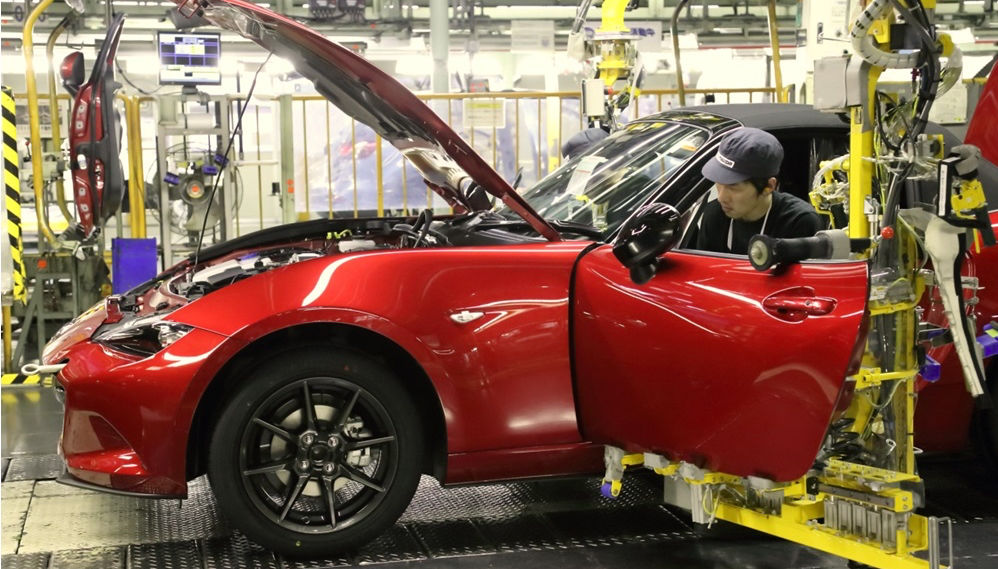
Credit: www.centennialmazda.ca
Frequently Asked Questions
Where Is The Mazda 3 Primarily Manufactured?
The Mazda 3 is primarily manufactured in Japan at Mazda’s Hofu Plant. It is also produced in other locations like Mexico and China for local markets. These facilities ensure high-quality standards and meet regional demand efficiently.
Does Mazda 3 Production Vary By Model Year?
Yes, Mazda 3 production locations can vary slightly by model year due to demand and manufacturing updates. However, Japan remains the main production hub across all recent model years for consistent quality.
Are Mazda 3 Cars Made Outside Japan?
Yes, Mazda 3 vehicles are also assembled in Mexico and China. These plants serve regional markets and help reduce shipping costs while maintaining Mazda’s quality standards.
How Does Mazda Ensure Quality In Mazda 3 Manufacturing?
Mazda enforces strict quality controls at all manufacturing plants. Skilled workers and advanced technology ensure each Mazda 3 meets safety and performance standards before delivery.
Conclusion
Mazda 3 is made in several countries worldwide. Japan remains the main place for production. Other factories in the USA, Mexico, and China also build this car. This helps Mazda meet demand in different markets. Each factory follows high standards for quality.
So, no matter where it is made, the Mazda 3 stays reliable and well-built. This global approach supports Mazda’s goal to serve drivers everywhere.