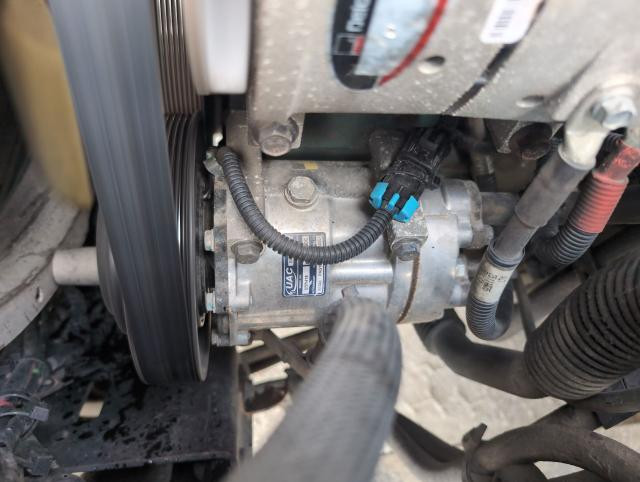
Have you ever wondered where the air conditioner compressor is located in your car or home AC system? Knowing its exact place can save you time and money when fixing cooling problems.
The compressor is a key part that keeps your air conditioner running smoothly. If you want to understand how your AC works or need to spot an issue quickly, this guide is for you. Keep reading, and you’ll discover where the compressor hides and why it matters to your comfort.

Credit: www.youtube.com
Air Conditioner Compressor Basics
The air conditioner compressoris a key part of the cooling system. It works like a pump that moves refrigerant through the system. This helps turn hot air inside your home into cool air. Without the compressor, the air conditioner cannot cool the air effectively.
There are several types of compressorsused in air conditioners:
- Reciprocating compressors:Use pistons to compress the refrigerant.
- Scroll compressors:Use two spiral parts to compress the refrigerant quietly.
- Rotary compressors:Use a rotating part to compress the refrigerant efficiently.
- Screw compressors:Use two screws turning to compress large amounts of refrigerant.
Credit: www.vevor.com
Common Compressor Locations
The compressoris the heart of an air conditioner. It helps move the refrigerant and keep the system cool.
- Residential AC Units:Usually, the compressor sits in the outdoor unit. It looks like a big metal box near your house.
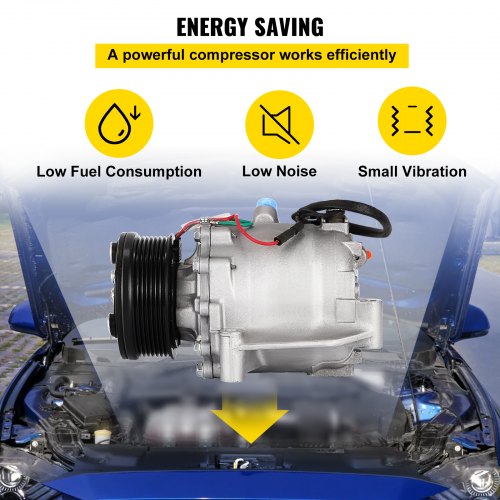
- Vehicle AC Systems:The compressor is found under the hood. It connects to the engine and runs with a belt.
- Commercial AC Systems:These compressors are often in large rooftop units or inside mechanical rooms.
How To Find The Compressor
Essential tools neededinclude a flashlight, wrench, and gloves. A multimeter helps check electrical parts safely.
Safety is key.Always turn off the power before starting. Wear gloves to protect your hands. Avoid touching hot or sharp parts.
The compressor is usually near the outdoor unit. It looks like a heavy metal cylinder with pipes attached.
- Turn off the AC power from the breaker.
- Remove the outer cover of the outdoor unit carefully.
- Use a flashlight to spot the compressor inside.
- Check the label for model and power details.
- Use a multimeter to test electrical connections if needed.
Signs Of Compressor Problems
Unusual noisesfrom the air conditioner often signal compressor issues. Sounds like rattling, buzzing, or grinding can mean the compressor is struggling. These noises might get louder over time and affect system operation.
Poor cooling performanceis another key sign. The compressor helps circulate refrigerant. If it fails, the AC won’t cool the air well. Rooms might feel warmer than usual, even with the AC running.
- System leakscan also indicate compressor problems.
- Leaks often happen around the compressor seals.
- Refrigerant loss leads to less cooling power.
- Leaks may cause oily residue near the compressor.
Compressor Maintenance Tips
Regular inspections help spot problems early. Check the compressor for dirt, rust, or leaks. Listen for strange noises during operation. Ensure the mounting bolts are tight to avoid vibrations. Look at the electrical connections for wear or damage. Doing this every few months keeps the compressor in good shape.
Cleaning the compressor is important. Turn off the power before cleaning. Use a soft brush or cloth to remove dust and debris. Avoid water contact on electrical parts. Clean the fins gently to keep airflow smooth. This helps the compressor work efficiently.
- Unusual sounds or smells from the compressor
- Compressor not starting or stopping frequently
- Leaking refrigerant or oil
- Overheating or burning smell
These signs mean it’s time to call a technician. Professionals can safely fix complex issues. They have tools to test and repair the compressor properly. Early repairs save money and extend the compressor’s life.
Credit: partsfactoryaus.com.au
Replacing The Compressor
Replacing an air conditioner compressor can be expensive. The costdepends on the make and model of the AC unit. Labor charges also add to the total price. Sometimes, buying a new AC unit might be cheaper than replacing the compressor.
Choosing between DIY and professional replacementis important. DIY can save money but requires skills and tools. Mistakes may cause more damage. Professionals have experience and tools to do the job safely and quickly.
After replacement, perform some post-replacement checks. Check for leaks in the refrigerant lines. Listen for unusual noises from the compressor. Ensure the AC cools properly. Testing the electrical connections is also vital to avoid future problems.
Frequently Asked Questions
Where Is The Ac Compressor In A Car?
The AC compressor in a car is typically located at the front of the engine. It is usually mounted to the engine block or near the serpentine belt. This location allows it to be driven by the engine’s power through a belt system.
How Do I Locate My Home Ac Compressor?
Your home AC compressor is usually located outside your house. It is part of the outdoor unit, often near the foundation. Look for a large, metal box with a fan on top. This is where the compressor resides.
Can I Find The Ac Compressor In A Split System?
Yes, the compressor in a split system is outside. It’s part of the outdoor condenser unit. The indoor unit contains the evaporator. The compressor’s job is to compress the refrigerant and circulate it through the system.
Is The Compressor In The Same Place For All Acs?
No, the compressor’s location varies by system type. In cars, it’s near the engine. In home systems, it’s outside. Portable AC units have the compressor within the unit itself.
Conclusion
The air conditioner compressor sits near the engine or outside unit. It plays a key role in cooling your space. Knowing its location helps with maintenance and repairs. A clean, working compressor keeps your AC efficient. Check it regularly for any signs of trouble.
Simple care can extend your AC’s life. Understanding where the compressor is makes you more confident. Stay aware and keep your air conditioner running smoothly.