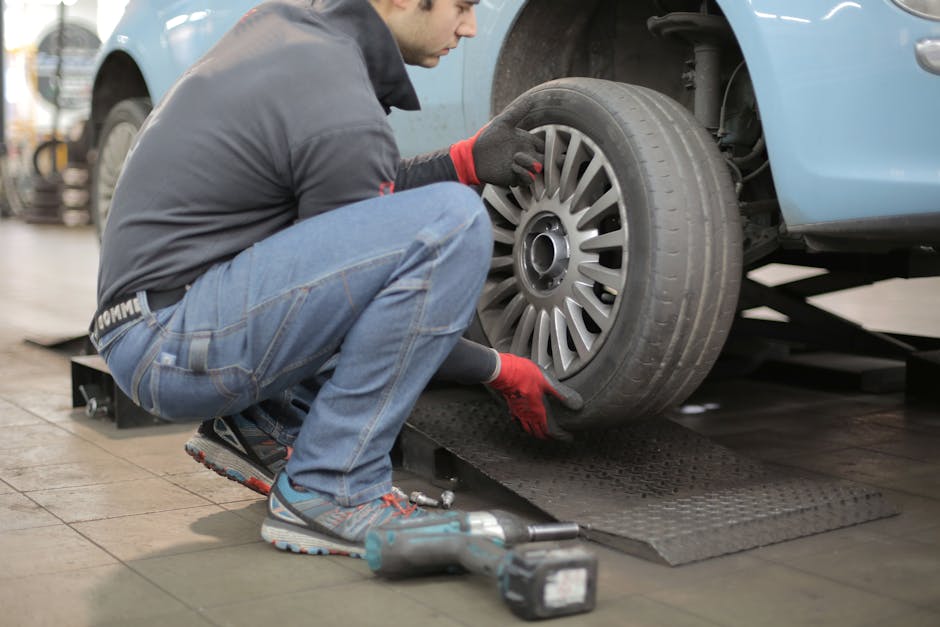
Changing a tire might seem straightforward, but knowing exactly where to place the car jack is crucial for your safety and your vehicle’s well-being. You don’t want to risk damaging your car or, worse, injuring yourself because of a simple oversight.
Imagine this: You’re stuck on the side of the road with a flat tire, and the pressure is on. You reach for the car jack, but do you know the precise spot where it should go? This is where many people make mistakes.
You’ll discover the exact points on your car where the jack should be placed, ensuring a safe and efficient tire change. Stick around to learn these vital tips, and you’ll gain the confidence to handle any tire change with ease.

Credit: www.youtube.com
Choosing The Right Spot
Changing a tire safely starts with placing the car jack in the right spot. Picking the correct place keeps the car stable and protects it from damage.
Knowing where to put the jack helps you lift the car without risk. This guide shows how to find the best spot for your car jack.
Locate The Jack Points
Jack points are strong spots on the car frame made to hold the jack. Usually, they are near the tires on the car’s side.
- Look for small notches or reinforced metal areas near each wheel.
- Use the flat part of the jack on these points to avoid slipping.
- Check both front and rear sides for the right jack point.
Avoid Weak Areas
Do not place the jack on weak parts of the car. These parts can bend or break under pressure.
| Weak Areas | Reason to Avoid |
| Plastic panels | Can crack or break easily |
| Body panels | Not designed to carry weight |
| Exhaust pipes | Can get damaged or cause burns |
| Loose parts | Unstable and unsafe |
Check Vehicle Manual
The vehicle manual explains the exact jack points for your car model. It also gives safety tips for lifting the car.
- Find the jack point diagrams in the manual.
- Follow weight limits and safety warnings.
- Use the recommended jack type if mentioned.
Preparing The Vehicle
Changing a tire safely starts with preparing your vehicle correctly. Proper preparation keeps the car steady and prevents accidents.
This guide explains where to place the car jack and how to prepare the vehicle before lifting it.
Park On A Level Surface
Always park your vehicle on a flat, level surface. This helps keep the car stable while you change the tire.
A sloped or uneven surface can cause the car to roll or the jack to slip.
Engage Parking Brake
Set the parking brake firmly before lifting the car. This locks the wheels and stops the car from moving.
Engaging the parking brake adds an extra level of safety during the tire change.
Use Wheel Chocks
Place wheel chocks on the wheels that stay on the ground. These stop the car from rolling sideways or backward.
- Put chocks on both sides of the tire opposite the one you are changing.
- Use sturdy blocks made for wheel chocks or heavy objects.
- Check that the chocks are snug against the tires.
Positioning The Jack
Placing the car jack correctly is very important for safety. The right position helps lift the car without damage.
This guide explains how to position the jack properly when changing a tire.
Aligning With Jack Points
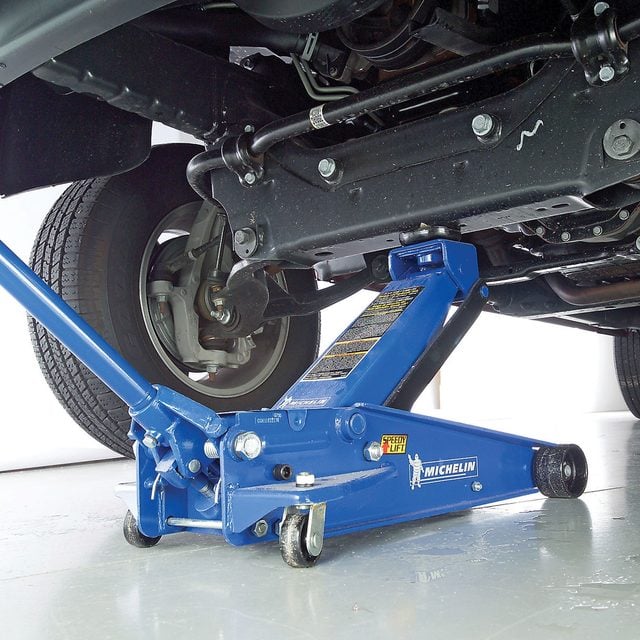
Every car has special spots called jack points. These are strong areas designed to hold the jack safely.
Look under your car to find these points near the tires. Align the jack so it fits exactly on these spots.
Ensuring Stable Contact
The jack must touch the car firmly. A stable contact avoids shaking or slipping while lifting.
- Check the jack base is flat on the ground
- Make sure the jack head fits tightly under the jack point
- Do not place the jack on uneven or soft surfaces
- Use wooden blocks if the ground is soft for extra support
Avoiding Slippage
Slippage can cause the car to fall or damage the vehicle. Take steps to prevent it.
| Cause of Slippage | How to Avoid |
| Wrong jack position | Align with jack points only |
| Uneven ground | Place jack on flat surface or use support |
| Loose jack head | Ensure firm contact with the car |
| Damaged jack | Check jack condition before use |
Credit: www.bfgoodrichtires.com
Lifting The Vehicle Safely
Changing a tire requires lifting your car safely using a jack. Placing the jack in the right spot helps prevent damage and accidents.
Follow clear steps to lift your vehicle steadily and keep it stable until the tire is replaced.
Raising The Car Slowly
Lift the car slowly by turning the jack handle with steady pressure. Avoid quick or jerky movements to keep control.
- Place the jack under the vehicle’s recommended lifting point.
- Turn the handle slowly to raise the car.
- Stop lifting if you feel resistance or the car shifts.
Monitoring Stability
Check the jack and car for stability while lifting. Ensure the vehicle does not wobble or tilt.
| What to Check | Signs of Instability |
| Jack base on ground | Wobbles or shifts |
| Car contact point | Slips or moves |
| Vehicle angle | Tilts to one side |
Stopping At Correct Height
Raise the car only until the flat tire is off the ground. Too high or too low can be unsafe.
Use this guide to know the right height:
- Wheel fully clear of the ground
- Space for tire removal and replacement
- Jack stable without strain
Common Mistakes To Avoid
Changing a tire is easier with the right tools. Using a car jack needs care and knowledge.
Placing the jack incorrectly can cause damage or injury. Learn common mistakes to avoid.
Placing Jack On Soft Ground
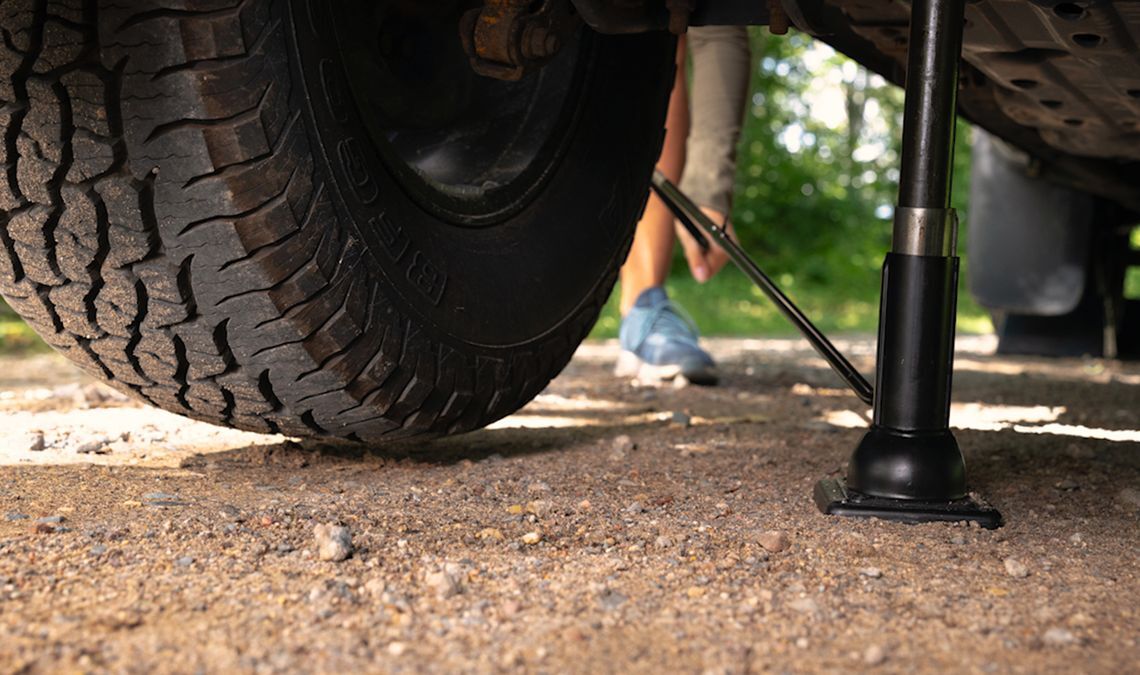
Soft ground like grass or dirt can make the jack sink. This can make the car unstable.
Always use a solid surface under the jack. A wooden board or a thick piece of metal helps.
- Do not place the jack directly on soft or uneven ground
- Use a flat, firm base to keep the jack steady
- Check the ground before lifting the vehicle
Ignoring Vehicle Tilt
A tilted vehicle can slip off the jack. It makes changing the tire unsafe and risky.
Park the car on a flat surface. Use wheel chocks to stop the car from moving.
- Do not jack up the car on a slope or uneven ground
- Always check if the vehicle is level before lifting
- Use chocks on wheels that stay on the ground
Overlooking Safety Gear
Not using safety gear increases injury risk. Gloves and eye protection keep you safe.
Wear gloves to avoid cuts and dirt. Use glasses to protect from debris or dust.
- Always wear gloves when handling the jack and tools
- Use eye protection to guard against flying debris
- Keep a flashlight handy if you change a tire in the dark
Credit: www.familyhandyman.com
Using Additional Safety Tools
Changing a tire can be risky without the right safety tools. Using extra tools helps keep you safe and your car steady.
These tools support the car and protect you while you work. Learn about jack stands, wheel chocks, and protective gear.
Jack Stands
Jack stands hold the car up after you lift it with a jack. They give extra support to stop the car from falling.
Always place jack stands under the car’s frame or the recommended lifting points. Never rely only on the car jack.
- Use jack stands on a flat, hard surface
- Check the stands for damage before use
- Lower the car slowly onto the stands
Wheel Chocks
Wheel chocks stop the car from rolling while you change the tire. Place them on the wheels that stay on the ground.
Use wheel chocks on both sides of the tire to keep the car stable. This is very important on sloped or uneven ground.
- Put chocks behind the rear tires if lifting the front
- Put chocks in front of the front tires if lifting the rear
- Use sturdy chocks made for vehicle use
Gloves And Protective Gear
Wear gloves to protect your hands from dirt, sharp edges, and pinches. Gloves also improve grip on tools and parts.
Other protective gear like safety glasses and closed shoes protect your eyes and feet. Always wear them for safety.
- Use gloves with good grip and durability
- Wear safety glasses to block dust and debris
- Choose closed-toe shoes to protect your feet
Frequently Asked Questions
Where Exactly Should I Place The Car Jack?
Place the car jack under the vehicle’s designated jacking point. This is usually near the tire, on the frame or pinch weld. Check your owner’s manual for exact locations to avoid damage and ensure safety while lifting the car.
How To Find The Jack Point On My Car?
Look for reinforced metal areas near each tire, often marked or described in the manual. These points are designed to support the car’s weight safely when using a jack. Avoid placing the jack on plastic or thin metal parts.
Can I Use Any Spot To Place The Car Jack?
No, only use the manufacturer’s recommended jacking points. Using incorrect spots can damage the car and cause the jack to slip, risking injury. Always consult your vehicle’s manual before jacking up the car.
What If The Jacking Point Is Hard To Reach?
If the jacking point is difficult to access, use a jack with a longer arm or a low-profile jack. Always ensure the jack is stable and positioned correctly before lifting to maintain safety.
Conclusion
Placing the car jack in the right spot keeps you safe and makes the job easier. Find the solid frame or jack point near the tire. Avoid soft or rusty areas that can cause accidents. Take your time to check the spot before lifting the car.
With the right placement, you can change your tire faster and safer. Remember, careful steps help prevent damage and injuries. Keep these tips in mind next time you need to change a tire. Safety first, always.