Are you wondering what to do with your old air conditioner? Tossing it in the trash isn’t just harmful to the environment—it can also be illegal.
But where do you recycle an air conditioner safely and easily? If you want to protect your home, save money, and do the right thing for the planet, this guide is for you. Keep reading to discover the best places to recycle your air conditioner and how to make the process simple and stress-free.
Your next step toward a cleaner, greener home starts here.

Credit: thechillbrothers.com
Why Recycle Air Conditioners
Air conditioners contain harmful chemicals that can hurt the environment. They have refrigerants that damage the ozone layer. Throwing ACs in the trash can cause these chemicals to leak. This pollution can harm plants, animals, and people.
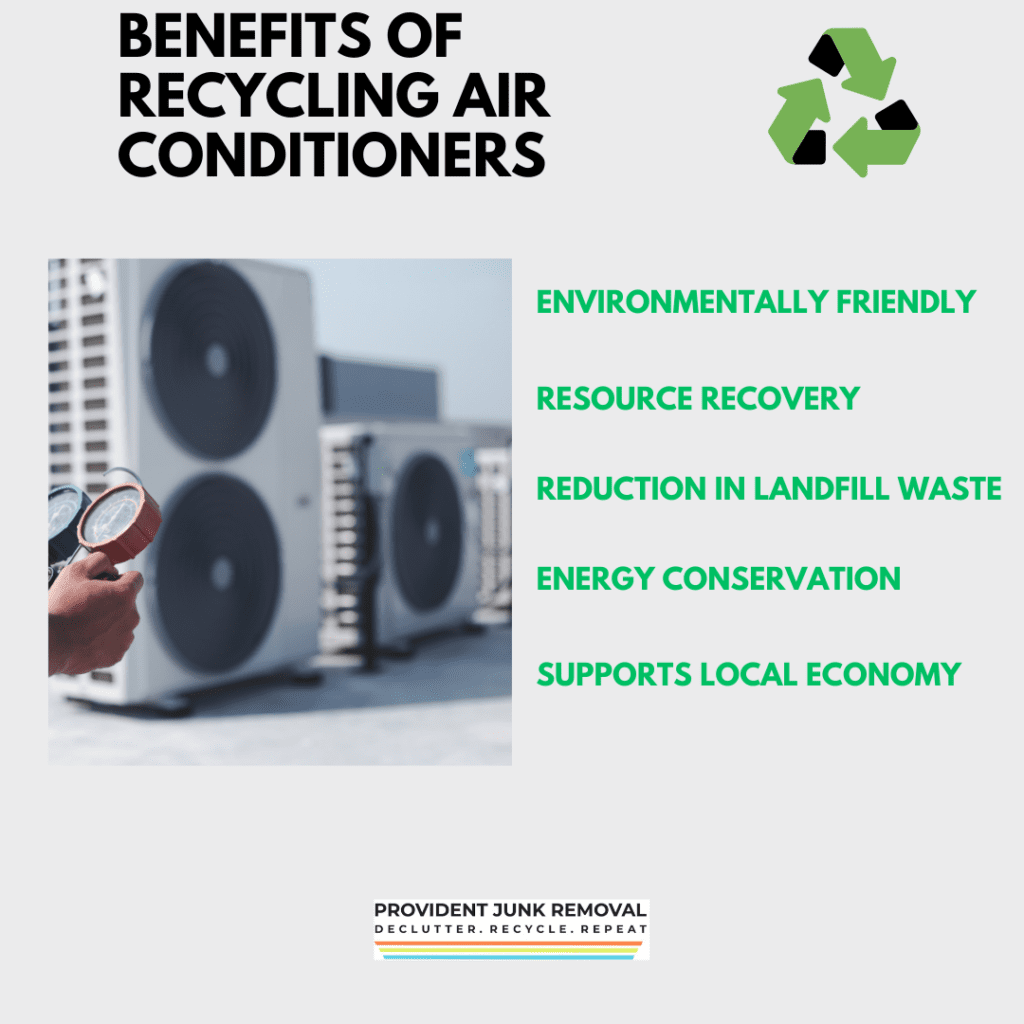
Proper recycling helps to keep these chemicals safe. It also allows reuse of metal and plastic parts. Recycling saves energy and reduces waste in landfills. It supports a cleaner and healthier planet.
- Protects the ozone layerby safely handling refrigerants
- Conserves natural resourcesby reusing metals and plastics
- Reduces landfill wasteand lowers pollution
- Saves energycompared to making new materials
Local Recycling Centers
Local recycling centers accept air conditioners for safe disposal. These centers help keep harmful chemicals out of the environment. You can find nearby facilities by checking city or county websites. Many centers list accepted items and hours of operation online.
At drop-off points, expect staff to check your air conditioner. They may ask questions about its condition. Some centers require you to remove parts like filters or cords. Staff will guide you on how to prepare the unit for recycling.
Some centers offer free drop-off, while others may charge a small fee. It is best to call ahead to confirm rules and fees. Proper recycling helps recover valuable materials and protects the planet.
Retailer Take-back Programs
Many major brandsoffer air conditioner recycling programs. These programs help you safely recycle your old unit. Common brands include LG, Samsung, Whirlpool, and GE. Retailers often accept units for free or a small fee.
Eligibility usually requires the unit to be functional or recently broken. Some programs only accept specific models or sizes. It is best to check each brand’s website for details.
The process is simple:
- Contact the retailer or brand to confirm participation.
- Prepare the unit by removing any personal items.
- Drop off the unit at the designated store or collection center.
- Receive a receipt or confirmation for recycling.
| Brand | Program Name | Eligibility | Drop-off Location |
|---|---|---|---|
| LG | LG Recycling Program | All LG air conditioners | Authorized retailers |
| Samsung | Samsung Take-Back | Recent models only | Samsung stores, partners |
| Whirlpool | Whirlpool Recycling | Functional units | Major retailers |
| GE | GE Appliance Recycling | Most GE models | GE dealers |
Credit: nixxitjunk.com
Municipal Waste Programs
Municipal waste programsoften help with air conditioner recycling. Some cities host scheduled collection events. These events allow residents to drop off old air conditioners safely. The city then handles the recycling process.
Guidelines for curbside pickupvary by location. Usually, air conditioners must be prepared properly. This may include removing parts or draining fluids. Some programs require residents to schedule pickup in advance. Others may have specific days for bulky item collection.
- Check local government websites for event dates.
- Follow instructions to prepare your unit.
- Place the air conditioner at the curb on the correct day.
- Confirm if any fees apply before pickup.
Certified E-waste Recyclers
Certified e-waste recyclers follow strict rules to handle air conditioners safely. They make sure harmful chemicals do not harm the environment. Finding an accredited recycler is key to proper disposal. Many cities have websites listing certified recycling centers.
These recyclers use special tools to remove refrigerants and metals safely. This prevents pollution and recovers valuable materials. Some local stores or waste facilities accept old air conditioners for recycling.
- Check government or environmental websites for certified recyclers
- Ask local waste management about e-waste collection events
- Look for recyclers with proper licenses and certifications
Trust only accredited centers to ensure safe and responsible handling. This helps protect nature and keeps communities healthy.
Credit: providentjunk.ca
Donation And Resale Options
Local charities often accept air conditioners for donation, giving them a second life. Resale shops may buy working units, helping you recycle responsibly and earn some money.
Charities Accepting Functional Units
Many charities accept working air conditioners. They give these units to people who cannot buy new ones. Donations help families stay cool in summer. Check local shelters, community centers, or nonprofit groups. Some have programs for home appliances. Make sure the unit is clean and works well. Some charities offer pickup services. This saves time and effort. Ask about their donation rules before giving your AC.
Selling Or Trading Used Acs
Used air conditioners can be sold or traded. Online marketplaces list them for quick sale. Local classifieds and social media groups are popular options. Be honest about the AC’s condition. Include photos and details about its age and brand. Some stores accept trade-ins for discounts on new units. This helps you get value while upgrading. Check if your model is in demand to sell faster.
Preparing Your Ac For Recycling
Before recycling an air conditioner, it is important to remove hazardous parts. These include refrigerants and oils that can harm the environment. Contact a certified technician to safely take out these materials.
Cleaning the unit is a good idea before recycling. Wipe off dust and dirt from the surface. This helps recycling centers handle the AC more easily.
Proper packaging protects the unit during transport. Use a sturdy box or wrap it in thick plastic. Secure with tape to keep parts from falling out.
- Remove refrigerant with professional help
- Clear dust and debris
- Wrap or box the AC securely
- Label the package if necessary
Frequently Asked Questions
How Can I Recycle My Old Air Conditioner?
You can recycle your old air conditioner by contacting local waste management services. Many cities offer special recycling programs for electronic waste. Some retailers also accept old units for recycling when you purchase a new one. Always ensure the refrigerant is safely removed by a certified professional.
What Are The Benefits Of Recycling Air Conditioners?
Recycling air conditioners helps conserve natural resources and reduces landfill waste. It also prevents harmful chemicals from leaking into the environment. Recycling components like metal and plastic reduces the need for new raw materials. It promotes sustainable practices and protects the planet.
Where To Find Air Conditioner Recycling Centers?
You can find recycling centers by visiting your local government’s website. Many offer directories for electronic waste recycling locations. Retailers like Best Buy also provide recycling services for air conditioners. Always call ahead to confirm they accept your specific unit.
Is It Free To Recycle An Air Conditioner?
Recycling an air conditioner can sometimes be free, depending on the program. Some local waste management services offer free recycling days. Retailers may provide free recycling with the purchase of a new unit. Always check for any potential fees before recycling.
Conclusion
Recycling your old air conditioner helps protect the environment. Many local centers accept air conditioners for recycling. Some stores offer take-back programs when you buy a new unit. Check with your city’s waste management for special collection days. Proper recycling keeps harmful chemicals out of landfills.
It also recovers valuable materials for reuse. Choose a safe, convenient recycling option near you. Small steps like this make a big difference. Clean, green, and responsible—easy to do.