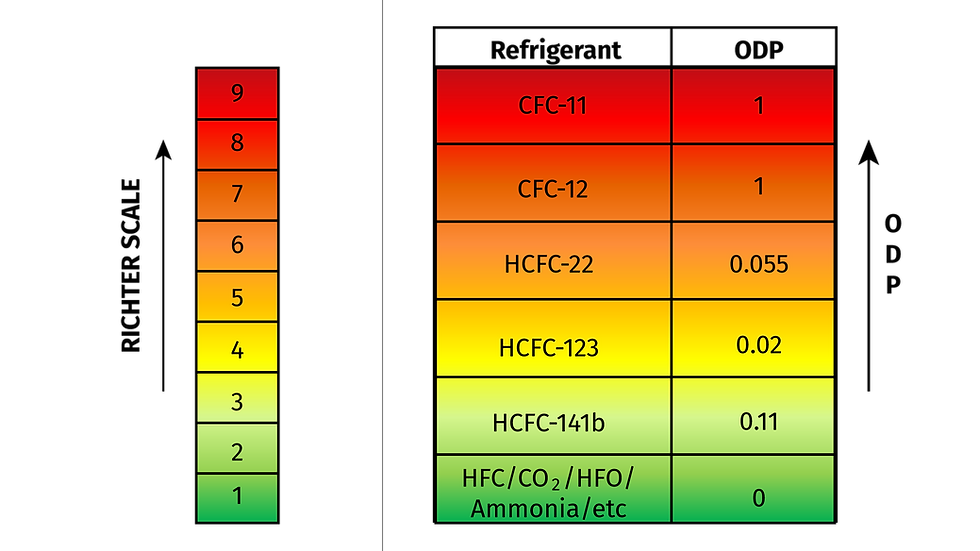
Are you curious about eco-friendly refrigerants that don’t harm the ozone layer? If you’re looking to make a smart, environmentally conscious choice for your cooling needs, you’re in the right place.
Not all refrigerants are created equal, and understanding which types contain no chlorine can make a big difference for both the planet and your peace of mind. Dive into this article to discover the options that are not only effective but also safe for our environment.
Stay with us to learn how you can keep your appliances running efficiently while doing your part to protect the earth.

Credit: jamesgarmour.com
Chlorine-free Refrigerants
Chlorine-free refrigerants are gaining attention as safer alternatives in cooling systems. These refrigerants avoid the environmental harm linked to chlorine-based compounds while maintaining effective cooling performance. Understanding their benefits and types can help you make better choices for your refrigeration needs.
Why Avoid Chlorine In Refrigerants
Chlorine in refrigerants contributes to ozone layer depletion. This causes harmful ultraviolet rays to reach the Earth, increasing health risks and environmental damage.
Many countries have banned or restricted chlorine-based refrigerants due to their long-lasting impact on the atmosphere. Choosing chlorine-free refrigerants means you help protect the environment and comply with regulations.
Have you considered how the refrigerant in your system affects the planet? Switching to chlorine-free options reduces this impact significantly.
Common Chlorine-free Options
Several chlorine-free refrigerants offer efficient cooling without harming the ozone layer. Here are some popular choices:
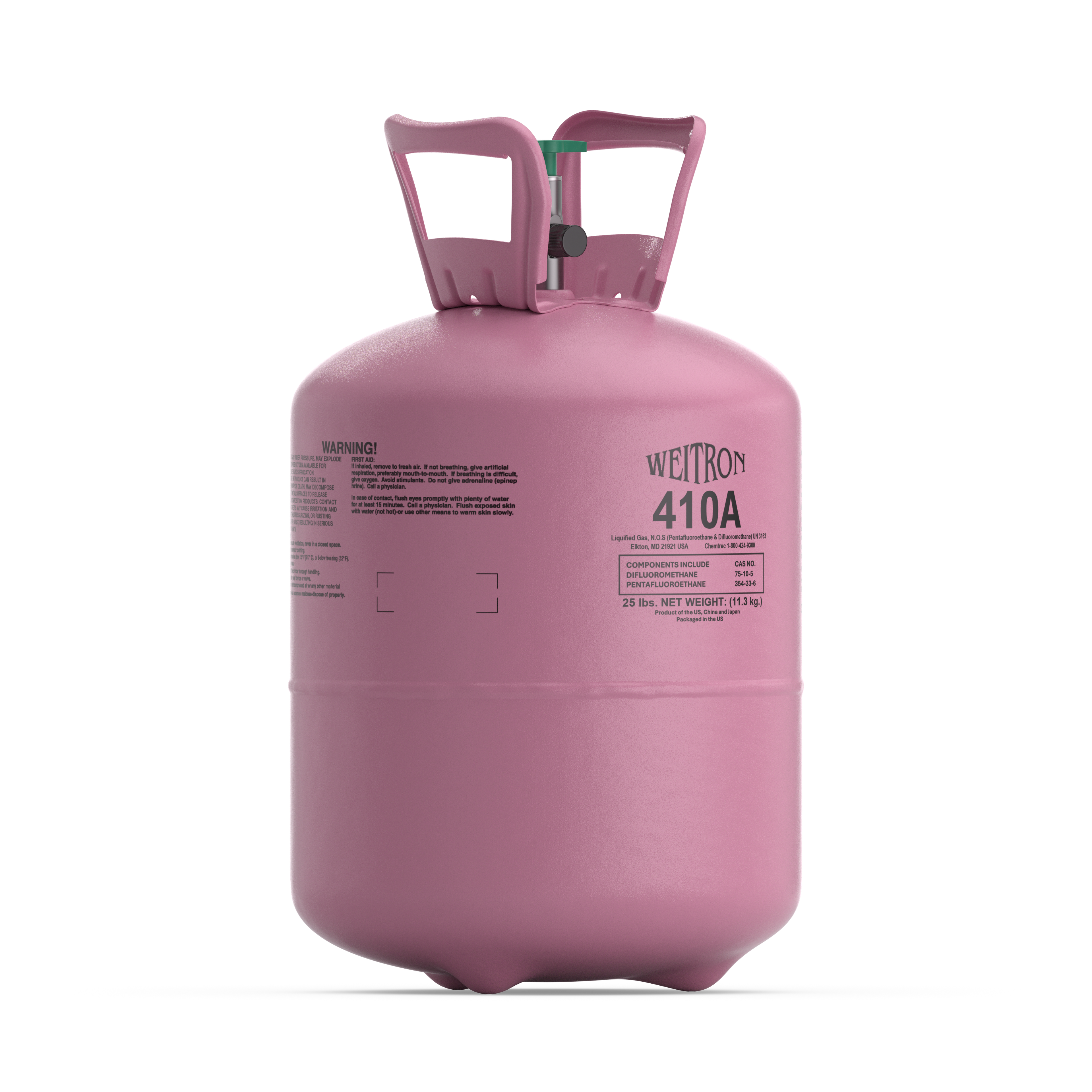
- Hydrofluorocarbons (HFCs):These refrigerants contain hydrogen and fluorine but no chlorine. They do not deplete the ozone but have some global warming potential.
- Hydrocarbons (HCs):Natural refrigerants like propane (R-290) and isobutane (R-600a) are chlorine-free and have low global warming potential. They are gaining popularity in household appliances.
- Hydrofluoroolefins (HFOs):These are newer refrigerants designed to have minimal environmental impact with zero chlorine content and very low global warming potential.
- Carbon Dioxide (CO2 or R-744):A natural refrigerant with no chlorine, offering excellent environmental benefits but requiring specialized equipment.
Choosing the right chlorine-free refrigerant depends on your specific cooling needs, safety considerations, and environmental goals. Are you ready to explore options that align with both your budget and green values?
Hydrofluorocarbons (hfcs)
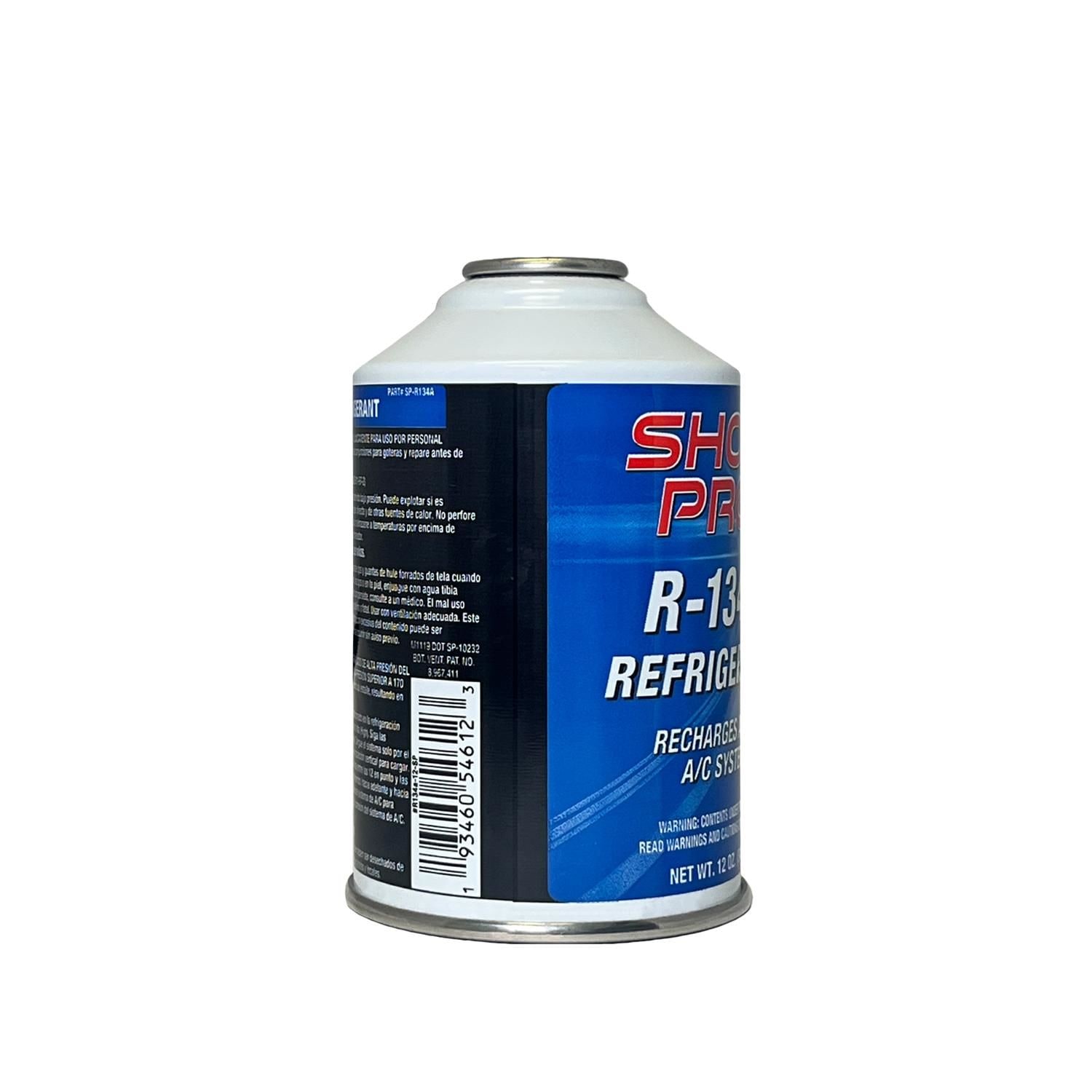
Hydrofluorocarbons (HFCs) are a group of refrigerants that contain no chlorine atoms. They were developed to replace older refrigerants that harmed the ozone layer. HFCs are widely used in air conditioning, refrigeration, and heat pumps. Their chemical makeup avoids chlorine, making them safer for the ozone layer than earlier chemicals.
Despite their benefits, HFCs have some challenges. Understanding their advantages and environmental effects helps in choosing the right refrigerant.
Benefits And Drawbacks
- HFCs do not damage the ozone layer.
- They provide good cooling efficiency.
- Many HFCs are non-flammable and safe to handle.
- Some types have high global warming potential (GWP).
- They can be more expensive than older refrigerants.
- Equipment may require modification to use HFCs.
Environmental Impact
HFCs do not contain chlorine, so they do not cause ozone depletion. This is a significant improvement over chlorofluorocarbons (CFCs) and hydrochlorofluorocarbons (HCFCs).
Many HFCs have a high global warming potential. This means they can trap heat in the atmosphere and contribute to climate change.
Efforts are underway to phase down HFC use and replace them with low-GWP alternatives. Proper handling and recycling of HFCs also help reduce environmental harm.
Natural Refrigerants
Natural refrigerants contain no chlorine and have low environmental impact. They come from natural sources and offer eco-friendly alternatives to synthetic refrigerants. These substances reduce ozone depletion and global warming potential.
Natural refrigerants are widely used in refrigeration and air conditioning systems. They provide good energy efficiency and are safe when handled properly. Below are some common types of natural refrigerants.
Carbon Dioxide (co2)
Carbon dioxide is a natural refrigerant with zero chlorine. It has very low global warming potential compared to synthetic refrigerants. CO2 works well in commercial refrigeration and heat pump systems.
It operates at high pressure but is non-toxic and non-flammable. CO2 systems are gaining popularity due to strict environmental rules. Its efficient heat transfer improves system performance.
Ammonia (n)
Ammonia is a natural refrigerant used for decades in industrial cooling. It contains no chlorine and has zero ozone depletion potential. Ammonia is very energy efficient and cost-effective.
This refrigerant has a strong smell and is toxic in high concentrations. Proper safety measures are necessary when using ammonia. It is commonly found in large refrigeration plants and food processing.
Hydrocarbons (hcs)
Hydrocarbons like propane and isobutane are natural refrigerants with no chlorine. They have low global warming potential and good energy efficiency. HCs are popular in small commercial and domestic refrigeration.
These refrigerants are flammable, so safety precautions are important. Their use is growing due to environmental benefits and regulatory support. Hydrocarbons provide a sustainable option for many cooling needs.
Hydrofluoroolefins (hfos)
Hydrofluoroolefins (HFOs) are a new class of refrigerants designed to protect the environment. They do not contain chlorine, which means they do not harm the ozone layer. HFOs have low global warming potential and are gaining popularity in cooling systems.
Low Global Warming Potential
HFOs have a very low global warming potential compared to older refrigerants. Their molecular structure breaks down quickly in the atmosphere. This reduces their impact on climate change. Using HFOs helps industries meet environmental regulations and reduce carbon footprints.
Applications And Safety
HFOs are used in air conditioning, refrigeration, and heat pump systems. They work well in both new and existing equipment. Their safety profile is good, with low toxicity and low flammability. Proper handling and installation ensure safe use. HFOs offer an eco-friendly alternative without compromising performance.
Choosing Safe And Eco-friendly Refrigerants
Choosing safe and eco-friendly refrigerants is vital for protecting the environment and human health. Chlorine-free refrigerants help reduce ozone layer damage. They also often have lower global warming potential. Selecting the right refrigerant supports sustainability goals and regulatory compliance.
Factors To Consider
Look for refrigerants with no chlorine atoms in their chemical structure. Hydrofluorocarbons (HFCs) and natural refrigerants like ammonia, carbon dioxide, and hydrocarbons are common chlorine-free options. Check the refrigerant’s global warming potential (GWP) and ozone depletion potential (ODP). Lower values mean less environmental harm. Consider safety aspects like flammability and toxicity. Match the refrigerant to your equipment and cooling needs.
Regulatory Standards
Many countries have rules banning or limiting chlorine-containing refrigerants. The Montreal Protocol aims to phase out ozone-depleting substances worldwide. The Kigali Amendment targets reduction of high-GWP refrigerants. Always verify local regulations before choosing a refrigerant. Compliance ensures legal use and avoids penalties. Using approved chlorine-free refrigerants aligns with global environmental efforts.
Credit: www.autozone.com
Future Trends In Refrigerant Technology
The future of refrigerant technology is shifting toward sustainability without sacrificing performance. As environmental concerns grow, the demand for refrigerants that contain no chlorine is rising sharply. This change is not just about compliance; it’s about finding smarter, safer solutions for your cooling needs.
Innovations In Eco-friendly Refrigerants
New refrigerants are being developed with a focus on zero ozone depletion potential. Hydrofluoroolefins (HFOs) and natural refrigerants like ammonia and carbon dioxide are leading the way. These options avoid chlorine entirely, reducing environmental impact significantly.
Some companies are testing blends that balance efficiency and eco-friendliness. These mixtures often combine HFOs with natural substances to lower global warming potential while maintaining cooling power. Such innovation means you can expect more affordable and effective chlorine-free refrigerants soon.
Industry Adoption And Challenges
Switching to chlorine-free refrigerants is not without hurdles. Equipment compatibility and safety standards can slow down adoption. Many industries worry about the cost and logistics of retrofitting or replacing existing systems.
However, you might find that early adoption pays off through energy savings and regulatory incentives. Are you ready to explore these new refrigerants in your own projects? Understanding the balance between upfront investment and long-term benefits is key to making informed choices.
Credit: weitron.com
Frequently Asked Questions
What Refrigerants Contain No Chlorine?
Hydrofluorocarbons (HFCs) and natural refrigerants like ammonia contain no chlorine. They help reduce ozone depletion. These are eco-friendlier alternatives to chlorinated refrigerants.
Why Avoid Refrigerants With Chlorine?
Chlorine in refrigerants causes ozone layer damage. This leads to increased UV radiation reaching Earth. Avoiding them protects the environment and complies with regulations.
Are Hfc Refrigerants Chlorine-free?
Yes, HFC refrigerants are chlorine-free. They do not harm the ozone layer. However, they may still have a global warming potential.
What Natural Refrigerants Contain No Chlorine?
Natural refrigerants like ammonia, carbon dioxide, and hydrocarbons contain no chlorine. They are sustainable and have low environmental impact.
Conclusion
Chlorine-free refrigerants help protect the environment. They reduce damage to the ozone layer. Common types include hydrofluorocarbons (HFCs) and natural refrigerants like ammonia and carbon dioxide. These options offer safer cooling without harmful chlorine. Choosing the right refrigerant supports cleaner air and a healthier planet.
Always check labels to confirm no chlorine is present. Using chlorine-free refrigerants benefits both homes and businesses. This small change can make a big difference.