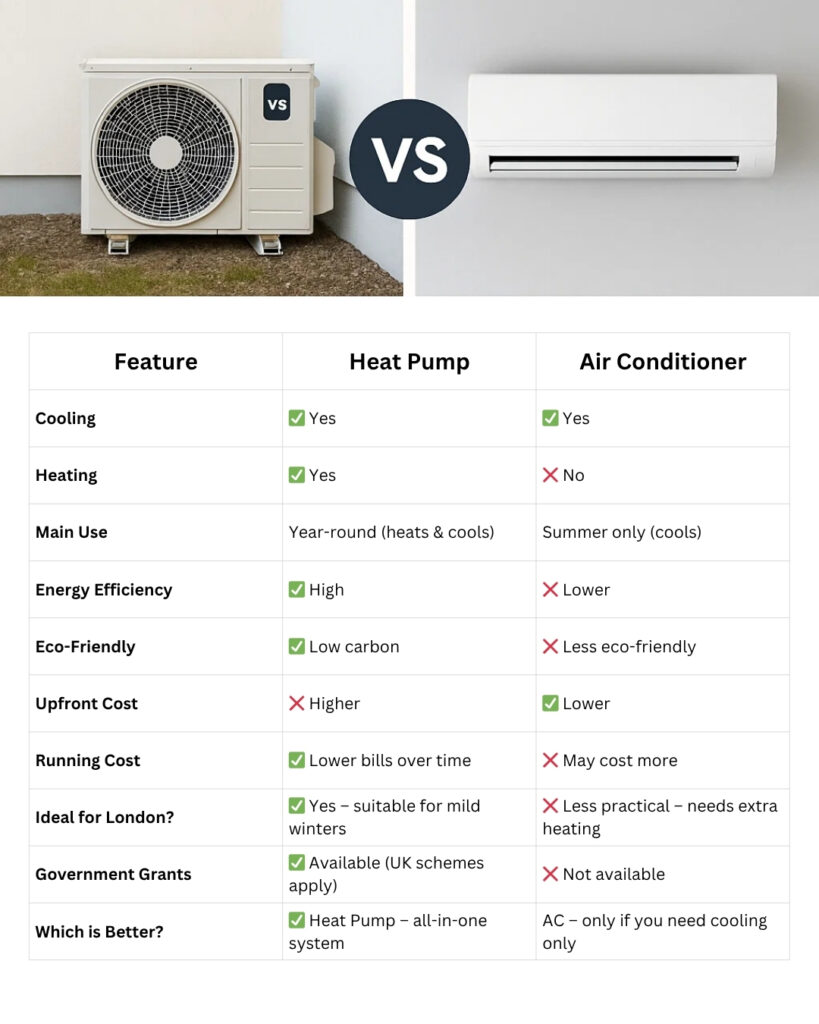
Are you looking for a smarter way to keep your home comfortable year-round? Understanding why heat pumps are more efficient than air conditioners can help you save money and energy.
You might think all cooling systems work the same, but heat pumps offer a powerful advantage that many people overlook. You’ll discover the simple reasons behind their efficiency and how making the switch could transform your home’s climate control. Keep reading to find out what makes heat pumps stand out and why they could be the perfect choice for you.
Heat Pump Basics
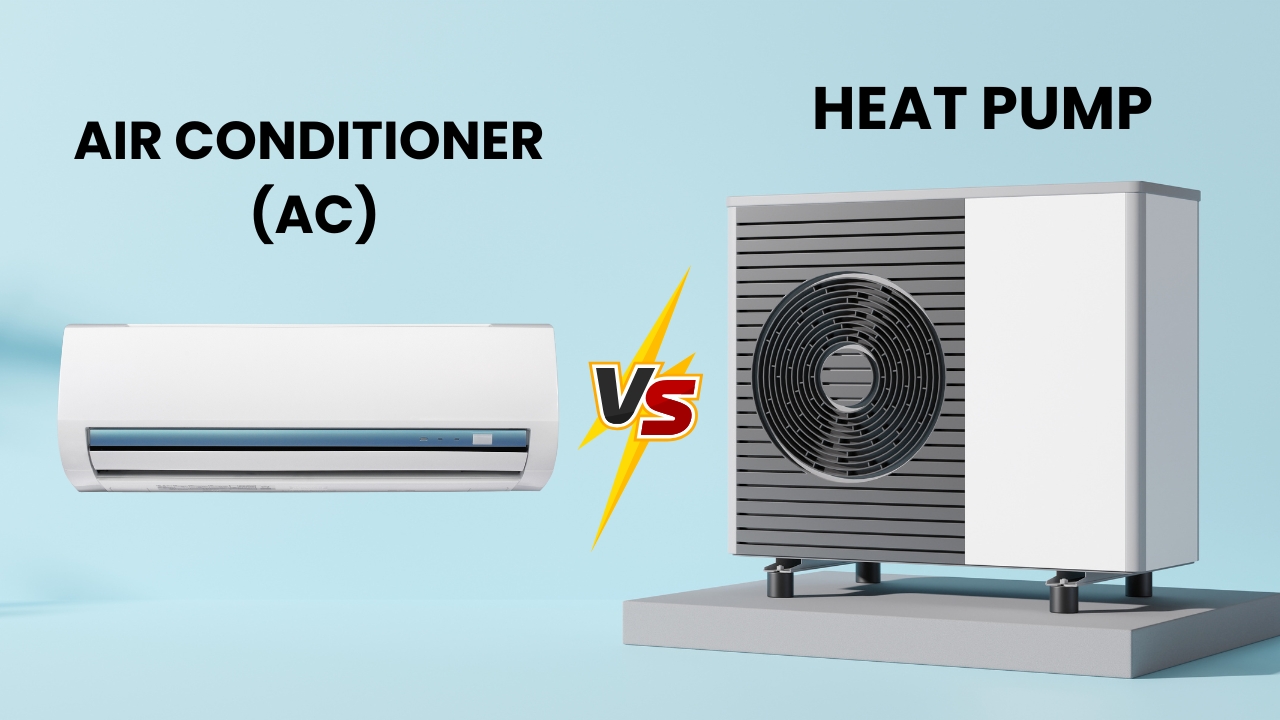
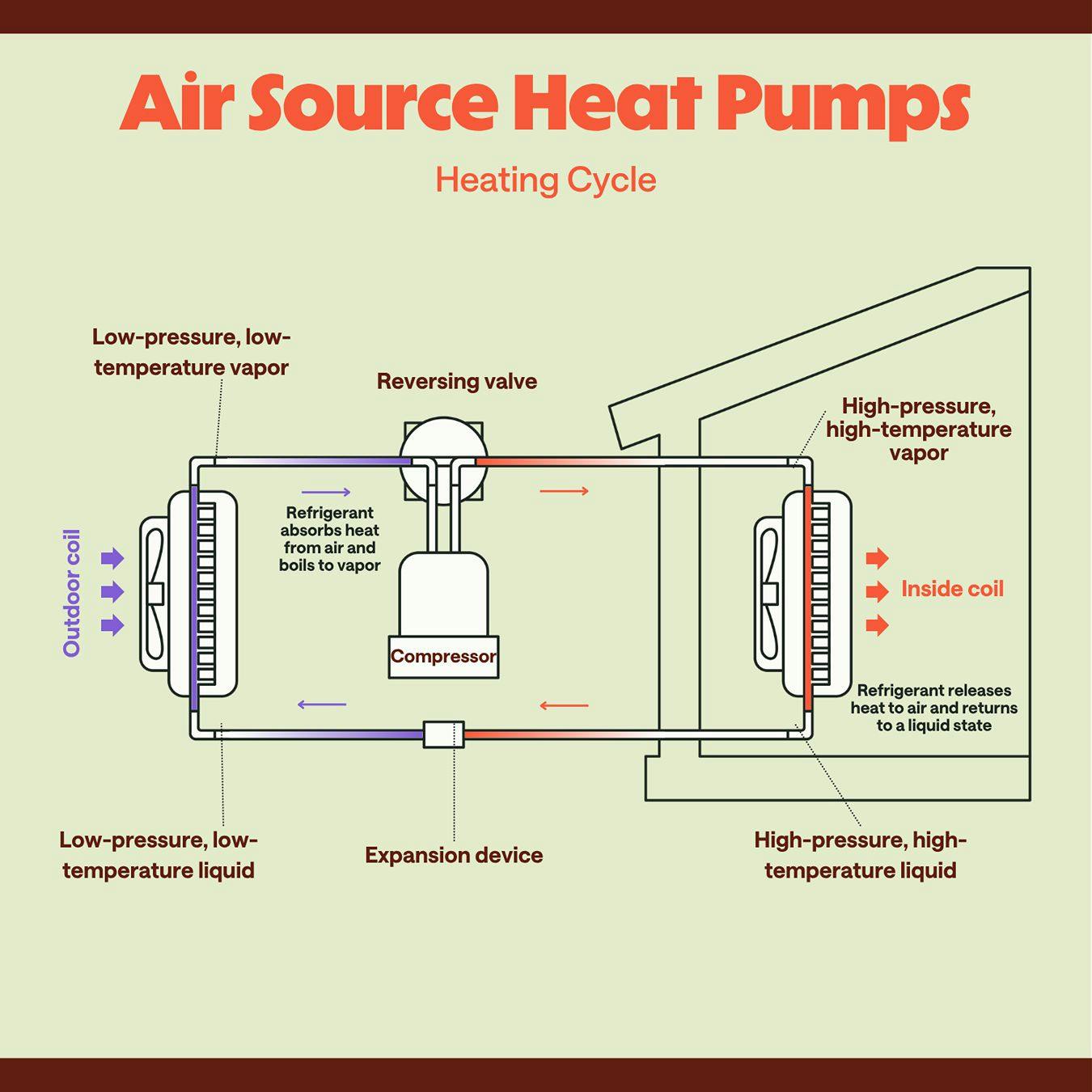
A heat pumpmoves heat from one place to another. It can warmor coolyour home.
In winter, it pulls heatfrom outside air and brings it inside. Even cold air has some heat.
In summer, it works like an air conditioner. It removes heatfrom inside and sends it outside.
This process uses less energy than creating heat from scratch.
| Type of Heat Pump | How It Works | Best Use |
|---|---|---|
| Air Source | Moves heat between air inside and outside | Most homes in mild climates |
| Ground Source (Geothermal) | Moves heat between ground and home | Homes with space for underground pipes |
| Water Source | Moves heat between water and home | Near lakes or rivers |
Credit: www.rapidheat247.co.uk
Air Conditioner Fundamentals
Air conditioners cool indoor spaces by moving heat from inside to outside. They use a refrigerant that absorbs heat from the air inside. The refrigerant changes from liquid to gas and back, carrying heat away. This process is called the cooling cycle.
Common air conditioner designs include:
- Window units:Compact, installed in windows, cool one room.
- Split systems:Have two parts; one inside, one outside.
- Central air conditioners:Cool whole buildings through ducts.
Energy Transfer Differences
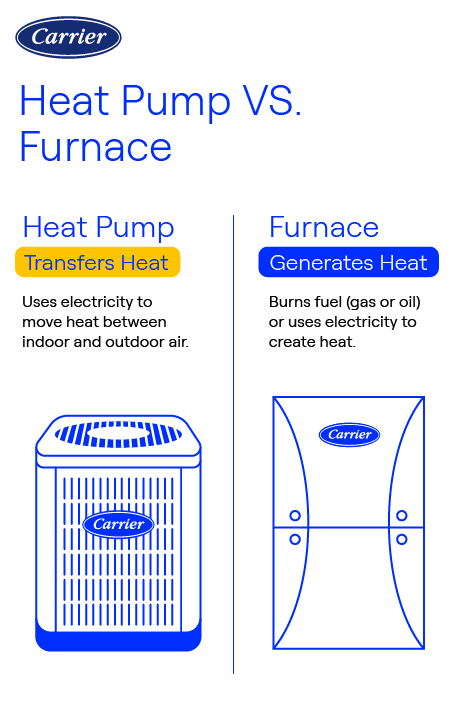
Heat pumps move heat instead of creating it. In heating mode, they take heat from outside air and bring it inside. In cooling mode, they remove heat from inside and release it outside. This transfer process uses less energy than creating heat from scratch.
The Coefficient of Performance (COP)shows how well heat pumps work. It measures heat output divided by energy used. A heat pump with a COP of 4 gives 4 units of heat for 1 unit of energy. Air conditioners usually have lower COP because they only cool, not heat.
| Mode | Heat Pump Function | Energy Use |
|---|---|---|
| Heating | Moves heat from outside to inside | Uses less energy than electric heaters |
| Cooling | Moves heat from inside to outside | Similar energy use as air conditioners |
Credit: www.carrier.com
Efficiency Factors
Seasonal efficiency ratingsshow how well heat pumps and air conditioners perform throughout the year. Heat pumps have higher ratings because they both heat and cool using less energy. This means they save more electricity in different seasons.
The impact of climateis also important. Heat pumps work best in mild climates where temperatures don’t get too low. In colder places, their efficiency may drop, but newer models still perform well. Air conditioners only cool, so they use more energy to keep your home comfortable in hot weather.
| Factor | Heat Pumps | Air Conditioners |
|---|---|---|
| Seasonal Efficiency | High, works year-round for heating and cooling | Lower, only cools |
| Energy Use | Uses less energy overall | Uses more energy for cooling |
| Climate Suitability | Best in mild climates, good in cold with new models | Best in hot climates |
Cost And Environmental Benefits
Heat pumps use less electricitythan air conditioners. This saves money on energy bills. They move heat instead of making it, which is more efficient. This means lower energy useall year round.
Using heat pumps can cut carbon emissions. They rely on electricity, which can come from clean sources. Air conditioners often use more energy and increase pollution. Heat pumps help protect the environment by reducing greenhouse gases.
Installation And Maintenance
Heat pumpsneed a clear outdoor space for installation. They connect to both indoor and outdoor units. This setup takes more time than air conditioners. The outdoor unit must be placed where air can flow freely. Pipes and wires link the two units through walls. Proper installation helps the system run smoothly and saves energy.
Heat pumps require regular upkeep to work well over time. Cleaning filters and checking refrigerant levels is important. They need less frequent repairs than many air conditioners. Maintenance costs can be lower because heat pumps work efficiently year-round. Regular checks keep the system safe and prevent big problems.
Choosing Between Heat Pumps And Air Conditioners
Heat pumps work well in places with mild winters and warm summers. They heat and cool using less energy than traditional air conditioners.
Air conditioners only cool air, so they need a separate heater for cold times. This can raise your energy bills in cold climates.
Heat pumps save money in the long run but cost more to buy at first. Air conditioners usually cost less upfront but can be more expensive over time due to extra heating costs.
| Factor | Heat Pump | Air Conditioner |
|---|---|---|
| Best Climate | Mild winters, warm summers | Hot summers, mild winters |
| Initial Cost | Higher | Lower |
| Energy Use | Lower overall | Higher if heating needed |
Credit: palmetto.com
Frequently Asked Questions
How Do Heat Pumps Work Efficiently?
Heat pumps transfer heat using electricity, moving it from cooler to warmer spaces. This makes them efficient. Unlike air conditioners, which only cool, heat pumps provide both heating and cooling. They use less energy, offering greater efficiency and reduced utility costs.
This dual capability enhances their overall efficiency compared to traditional systems.
Why Choose Heat Pumps Over Air Conditioners?
Heat pumps offer dual functionality, providing both heating and cooling. They are more energy-efficient, reducing electricity usage and lowering bills. Unlike traditional air conditioners, heat pumps work effectively in diverse climates, enhancing comfort year-round. Their eco-friendly nature and cost-efficiency make them a preferred choice for homeowners.
Do Heat Pumps Save More Energy?
Yes, heat pumps save more energy compared to air conditioners. They utilize electricity efficiently to transfer heat, reducing energy consumption. By moving heat rather than generating it, heat pumps offer significant energy savings. This efficiency translates into lower utility bills and a reduced carbon footprint, making them a sustainable choice.
Are Heat Pumps Environmentally Friendly?
Yes, heat pumps are environmentally friendly. They use electricity efficiently, reducing fossil fuel reliance. By moving heat rather than generating it, they minimize greenhouse gas emissions. Their energy efficiency contributes to lower carbon footprints. Choosing heat pumps supports sustainable living and helps combat climate change, promoting a greener future.
Conclusion
Heat pumps use less energy to heat and cool your home. They move heat instead of creating it, saving power. This makes them cost-effective and eco-friendly. You get both heating and cooling in one system. They work well in many climates and reduce your carbon footprint.
Choosing a heat pump helps you save money and energy. A smart choice for comfort and the environment.